Aperitivo in Rome: What It Is, What to Order and How to Enjoy It
Aperitivo is one of the easiest ways to slow a Rome itinerary down before dinner. It is not simply “happy hour,” although discounts can be part of it. The core idea is a pre-dinner drink accompanied by something to eat, creating a social pause between work or sightseeing and the evening meal.
For visitors, aperitivo works especially well because Rome’s major attractions often close before the city is ready for dinner. Instead of filling that gap with more sightseeing, you can sit, drink something you enjoy and watch a neighborhood shift into evening mode.
What time is aperitivo?
Aperitivo commonly begins in the early evening, often around 18:00 or 19:00, but there is no citywide official time. Bars set their own schedules and the atmosphere develops later in warmer months.
If you plan dinner at 20:30 or 21:00, a drink around 18:30–19:30 creates a comfortable transition without ruining your appetite.
What do people drink?
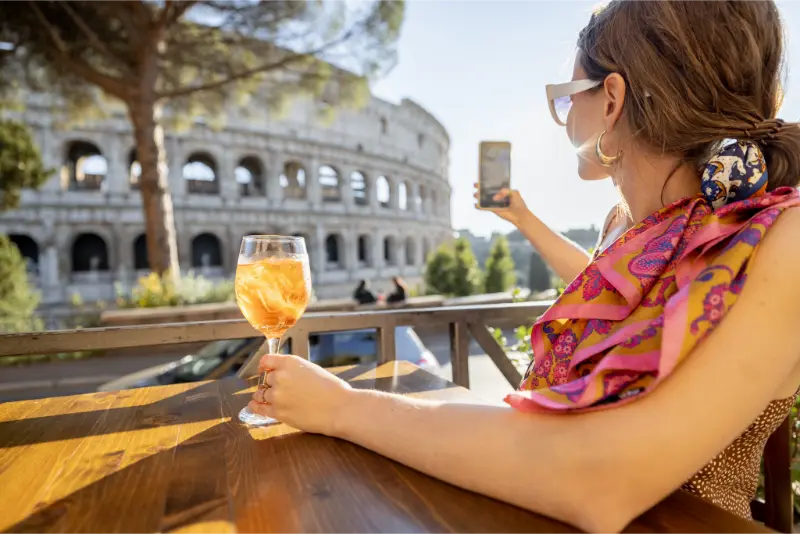
Classic choices include Aperol Spritz, Campari-based drinks, wine, prosecco, beer and non-alcoholic options. A Negroni is stronger than a spritz, so consider alcohol level if you have been walking in heat all day.
Order what you actually like. Aperitivo is a social ritual, not a test of whether you chose the most Italian drink.
What food comes with aperitivo?
Some places provide only olives, chips or small snacks; others offer more substantial plates. The old buffet-style apericena concept still exists in different forms, but quality and format vary widely.
Do not assume that every drink includes enough food to replace dinner. Ask what is included and decide whether you want a snack or a full evening meal.
Aperitivo versus apericena
Aperitivo traditionally prepares you for dinner. Apericena combines aperitivo and cena, offering enough food to function as a light meal. In practice, businesses use the words differently, so look at the actual offer rather than relying on the label.
Travelers on a budget may appreciate a substantial apericena, but choose for food quality as well as quantity.

Good neighborhoods for aperitivo
Monti is convenient after Colosseum sightseeing; Trastevere is lively but busy; Prati works well after the Vatican; Testaccio gives a more food-oriented evening; areas around Piazza Bologna, Pigneto and other residential districts can feel less tourist-driven.
The best neighborhood depends on where you want to eat afterward. Avoid crossing the city twice simply to reach a fashionable bar.
Rooftop aperitivo
Rooftops trade value for setting. Drinks are usually more expensive, dress codes may be stricter and reservations can matter, but sunset views can justify the premium for a special evening.
If the view is the purpose, accept the price and book accordingly. If conversation and a drink are the purpose, a neighborhood wine bar may be better.
Alcohol, heat and walking
Summer sightseeing dehydrates you, and strong drinks can feel stronger after a long day in the sun. Drink water, eat something and consider lower-alcohol choices if you still have a long walk back to the hotel.
Rome is a walking city, so comfort and awareness matter more than squeezing every classic cocktail into one evening.
Aperitivo etiquette
You do not need special etiquette beyond ordinary courtesy. Check whether table service has different prices, understand what food is included and do not occupy a prime table for hours after ordering one inexpensive drink if the venue is busy.
How to plan this without overloading your day
Aperitivo works best as the only scheduled element between late-afternoon sightseeing and dinner. Give it 45–90 minutes, then decide whether you still want a full meal. This avoids the common mistake of booking a sunset viewpoint, rooftop drink and dinner reservation with no margin between them.
A useful rule in Rome is to treat walking time as part of the experience rather than dead time between attractions. Cobblestones, security checks, photographs, church interiors and spontaneous stops make almost every route slower than the map suggests. Build at least 20–30 minutes of margin around important reservations, and avoid placing two non-refundable timed entries back to back unless they are genuinely next door.
Tickets, transport and last-minute checks
Neighborhood bars often require no reservation, while rooftops and popular cocktail bars may. If you care about sunset seating, reserve ahead. For an ordinary aperitivo, flexibility is valuable because you can choose a place near wherever the day naturally ends.
For anything with a timed entry, use the official website where possible and save the confirmation offline. For trains and local transport, check the operating company again shortly before travel because strikes, engineering work and timetable changes can affect even a well-designed itinerary. External information links in this article are intended as planning references; always verify the final operational details before departure.
Food, water and energy management
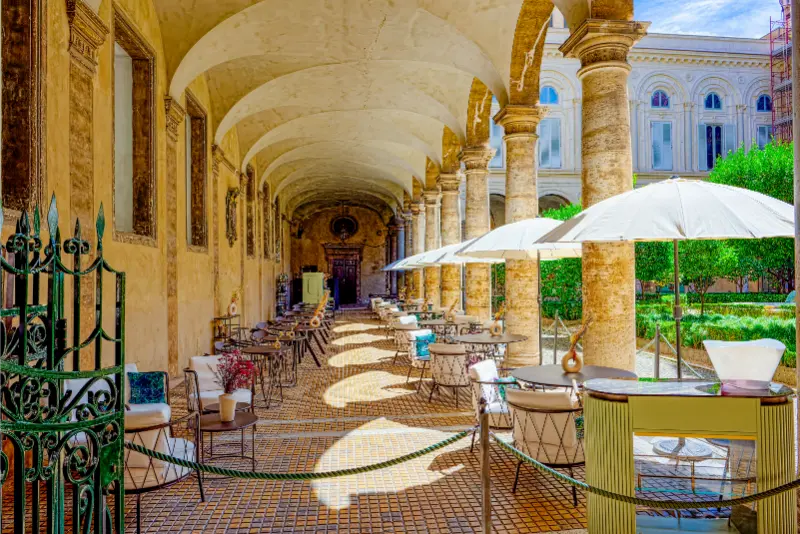
If the snacks are generous, adjust dinner rather than eating twice out of obligation. If you want classic Roman pasta later, keep the aperitivo light. Vegetarians and travelers with allergies should ask what the included food contains instead of assuming buffet items are suitable.
Carry a refillable water bottle, especially from late spring through early autumn, and wear shoes that work on uneven stone. In hot weather, move long outdoor walks toward morning and evening. In winter, protect the strongest daylight hours for parks, archaeological areas and viewpoints. A short coffee stop or a proper lunch often improves the second half of the day more than squeezing in one additional attraction.
Who this experience is best for
Aperitivo is particularly good for couples, solo travelers who want an easy social setting, friends and anyone whose dinner habits are earlier than the typical Roman rhythm. It creates a gentle bridge into a later evening.
Frequently asked questions
What time should I have aperitivo in Rome?
Around 18:00–20:00 is common, but individual venues set their own rhythm.
Does aperitivo include free food?
Often some snacks are included, but the quantity and format vary. Always check what the venue actually offers.
Can aperitivo replace dinner?
A substantial apericena can, but a traditional aperitivo is usually intended as a pre-dinner drink and snack.
Final advice
The most enjoyable aperitivo is usually the one that fits naturally into your route. Stop where the afternoon ends, order a drink you genuinely want, eat enough to feel comfortable and let Rome’s evening begin without rushing to the next attraction.
One more planning layer: build the day around priorities
Before you leave the hotel, decide which one or two experiences would make the day successful even if everything else changed. Rome rewards flexible travelers because churches can close for services, transport can be delayed, weather can shift and a museum may take much longer than expected. When your priorities are clear, you can drop a minor stop without feeling that the day failed. This is especially important on a first visit, when almost every street produces a new temptation to change direction.
Also remember that neighborhoods are not simply containers for attractions. Give yourself time to notice the change in atmosphere between the monumental center, residential streets, market areas and green spaces. A travel day becomes more memorable when it has contrast: archaeology followed by lunch, a museum followed by a park, or a fast train followed by an unhurried evening back in Rome.
A final practical habit is to check the next morning’s first commitment before going to bed. Confirm the route, ticket name, opening time and expected travel duration, then stop planning. Rome trips become tiring when visitors spend every evening rebuilding the next day from scratch. A small amount of preparation protects the morning while leaving the rest of the schedule open enough for discoveries, longer meals and unexpected stops.
Think of this article as a framework rather than a contract. Seasonal opening hours, restoration work, public events and transport disruption can change what is practical on a specific day. If one element becomes difficult, replace it with something nearby instead of forcing the original plan. Rome has enough density that a strong alternative is usually within walking distance, and the day often improves when you stop treating every planned stop as mandatory.
It also helps to review the route from the perspective of the slowest person in your group. Families, older travelers and anyone with mobility concerns may need more breaks, easier surfaces or fewer changes of transport. Solo travelers can often move faster but still benefit from daylight awareness and a clear return route at night. Good planning is not about maximizing attractions; it is about matching the city to the people actually taking the trip.
Before publishing or traveling, make one final check against official sources for the few facts that can change quickly: admission rules, opening hours, train times and temporary closures. Keep the broader route stable, but let those operational details remain flexible. That small distinction makes a travel guide useful for much longer while still giving readers the confidence to act on it.
Leave some room for the city to surprise you. A church you had never heard of, a market stall, a neighborhood festival or an unexpectedly beautiful street can easily become more memorable than a scheduled attraction. The most useful itinerary is therefore one that protects the essential reservations but leaves enough unscripted time for Rome itself to participate in the plan.