
Rome Gelato Guide: How to Find Real Gelato and Avoid Tourist Traps
Rome has gelato everywhere, but quantity does not guarantee quality. The most colorful display on the busiest street can be less interesting than a modest neighborhood gelateria using seasonal fruit, balanced sweetness and careful texture.
Instead of publishing a fragile list of “the ten best” shops that can change with openings, ownership and personal taste, this guide teaches you how to recognize good gelato in Rome. Once you know what to look for, you can make better choices in almost any neighborhood.
Look at the colors
Good pistachio is usually muted green or beige rather than fluorescent. Banana should not look like a yellow highlighter, and fruit flavors should resemble the ingredient more than candy packaging.
Color alone is not proof of quality, but extremely bright tones can be a warning sign that appearance is doing more work than the ingredients.
Be suspicious of giant sculpted mountains
Gelato piled far above the metal container may be visually impressive, but the display can tell you more about merchandising than craftsmanship. Many quality gelaterias use covered pozzetti or keep gelato relatively low in trays.
This is a heuristic, not an absolute rule. Judge the whole shop: ingredient information, flavor balance, turnover and taste.
Read the ingredient story
Shops that care about ingredients often explain where nuts, chocolate, milk or fruit come from. Seasonal flavors are another positive sign because strawberries, figs and peaches should not taste identical all year.
If you have allergies, ask directly. Nuts, dairy, eggs and cross-contamination are important concerns, and “natural” is not the same as allergen-free.
Classic flavors to try
Pistachio, hazelnut, chocolate, stracciatella and crema are useful benchmarks because subtle differences in texture and sweetness are easy to notice. Fruit sorbets can reveal whether the shop is working with ripe seasonal produce.
Rome-specific or Italian dessert-inspired flavors such as zabaione, ricotta combinations or coffee can also be interesting when made with restraint.
Cup or cone?
Choose whichever makes the gelato easier for you to enjoy. A cup is practical in hot weather and reduces dripping while walking. A cone adds texture and turns the stop into more of a snack.
Do not order an enormous portion just because you are traveling. Two or three flavors are enough to compare quality and keep the palate clear.
How prices work
Gelaterias may price by cup/cone size or by weight. Check the menu before ordering, especially near major attractions. If prices are unclear, ask before the server begins filling a large cone.
A central location can legitimately cost more, but you should still know the amount before committing.
Best times for gelato
Mid-afternoon works as a break between museums, while an after-dinner gelato creates an easy evening ritual. In summer, extremely hot midday conditions can make gelato melt faster than you can enjoy it.
Late evening is popular with Romans, especially in lively neighborhoods, so good shops may be busy.
Build a gelato route without overdoing it
One gelato each day across a multi-day trip tells you more than five shops in one afternoon. Try different neighborhoods and compare one familiar flavor each time.
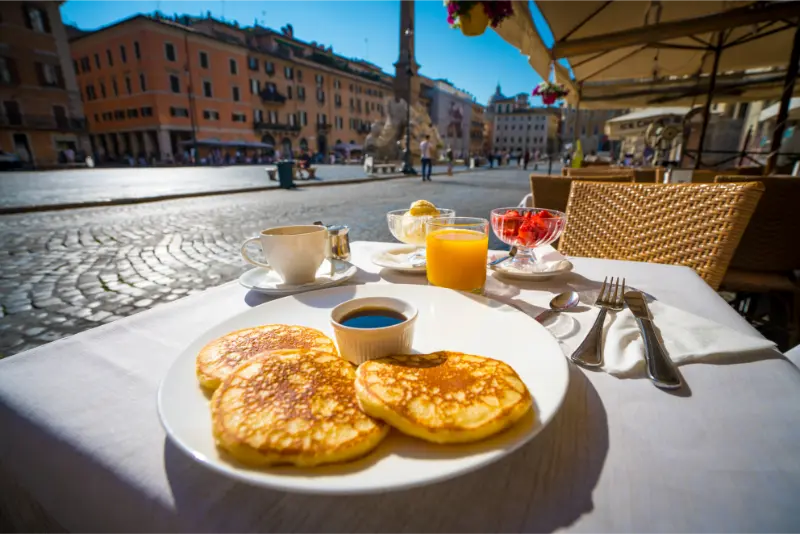
Pair the stop with a walk: Pantheon to Piazza Navona, Trastevere after dinner, Monti after the Colosseum or Prati after the Vatican.
How to plan this without overloading your day
Do not cross Rome solely because a social-media list ranks one shop first. Choose quality places near the route and make the gelato stop part of a neighborhood walk. This reduces queues, transport and the pressure to prove that one cone was “the best.”
A useful rule in Rome is to treat walking time as part of the experience rather than dead time between attractions. Cobblestones, security checks, photographs, church interiors and spontaneous stops make almost every route slower than the map suggests. Build at least 20–30 minutes of margin around important reservations, and avoid placing two non-refundable timed entries back to back unless they are genuinely next door.
Tickets, transport and last-minute checks
Gelato requires no booking, but specific artisanal shops may close one day per week or change seasonal hours. If a famous shop is central to your plan, check the current opening schedule before making a detour.
For anything with a timed entry, use the official website where possible and save the confirmation offline. For trains and local transport, check the operating company again shortly before travel because strikes, engineering work and timetable changes can affect even a well-designed itinerary. External information links in this article are intended as planning references; always verify the final operational details before departure.
Food, water and energy management
Gelato is dessert, not a substitute for hydration or lunch on a hot day. Drink water and keep portions sensible if you are tasting repeatedly. If you are dairy-free, fruit sorbets can work, but always confirm ingredients and cross-contamination if medically important.
Carry a refillable water bottle, especially from late spring through early autumn, and wear shoes that work on uneven stone. In hot weather, move long outdoor walks toward morning and evening. In winter, protect the strongest daylight hours for parks, archaeological areas and viewpoints. A short coffee stop or a proper lunch often improves the second half of the day more than squeezing in one additional attraction.
Who this experience is best for
This approach suits travelers who care about food quality more than collecting famous addresses. Families can use gelato as a reward between sights, while repeat visitors can explore neighborhood shops away from the center.
Frequently asked questions
What color should pistachio gelato be?
Usually a muted natural green or beige tone rather than neon green, though color alone cannot prove quality.
Is gelato always dairy-free?
No. Many flavors contain milk, cream or other dairy. Fruit sorbets may be dairy-free, but confirm ingredients if necessary.
Is the most famous gelateria always the best choice?
Not necessarily. Rome has many excellent shops, and a strong neighborhood gelateria with less queue can provide a better experience.
Final advice
Good gelato is easier to find when you stop looking for one universally “best” shop. Watch the colors, read the ingredients, choose seasonal flavors and trust a balanced taste over a dramatic display. Then repeat the experiment tomorrow.
One more planning layer: build the day around priorities
Before you leave the hotel, decide which one or two experiences would make the day successful even if everything else changed. Rome rewards flexible travelers because churches can close for services, transport can be delayed, weather can shift and a museum may take much longer than expected. When your priorities are clear, you can drop a minor stop without feeling that the day failed. This is especially important on a first visit, when almost every street produces a new temptation to change direction.
Also remember that neighborhoods are not simply containers for attractions. Give yourself time to notice the change in atmosphere between the monumental center, residential streets, market areas and green spaces. A travel day becomes more memorable when it has contrast: archaeology followed by lunch, a museum followed by a park, or a fast train followed by an unhurried evening back in Rome.
A final practical habit is to check the next morning’s first commitment before going to bed. Confirm the route, ticket name, opening time and expected travel duration, then stop planning. Rome trips become tiring when visitors spend every evening rebuilding the next day from scratch. A small amount of preparation protects the morning while leaving the rest of the schedule open enough for discoveries, longer meals and unexpected stops.
Think of this article as a framework rather than a contract. Seasonal opening hours, restoration work, public events and transport disruption can change what is practical on a specific day. If one element becomes difficult, replace it with something nearby instead of forcing the original plan. Rome has enough density that a strong alternative is usually within walking distance, and the day often improves when you stop treating every planned stop as mandatory.
It also helps to review the route from the perspective of the slowest person in your group. Families, older travelers and anyone with mobility concerns may need more breaks, easier surfaces or fewer changes of transport. Solo travelers can often move faster but still benefit from daylight awareness and a clear return route at night. Good planning is not about maximizing attractions; it is about matching the city to the people actually taking the trip.
Before publishing or traveling, make one final check against official sources for the few facts that can change quickly: admission rules, opening hours, train times and temporary closures. Keep the broader route stable, but let those operational details remain flexible. That small distinction makes a travel guide useful for much longer while still giving readers the confidence to act on it.
Leave some room for the city to surprise you. A church you had never heard of, a market stall, a neighborhood festival or an unexpectedly beautiful street can easily become more memorable than a scheduled attraction. The most useful itinerary is therefore one that protects the essential reservations but leaves enough unscripted time for Rome itself to participate in the plan.