Rome Restaurant Guide: How to Choose Where to Eat and Avoid Tourist Traps
Choosing where to eat in Rome can be harder than choosing what to see. The city has outstanding trattorias, pizzerias and contemporary restaurants, but it also has many places designed mainly for one-time tourist traffic. A good Rome restaurant strategy is therefore less about memorizing a list of ten famous names and more about learning how to read a menu, understand pricing, choose the right neighborhood and recognize when a restaurant is selling location rather than food.
This guide is designed to work even after individual restaurants change. It explains Roman meal times, reservations, coperto and service charges, common tourist signals, ordering habits and the difference between choosing a convenient meal beside a monument and deliberately traveling for a stronger food experience. Use it with our Roman pasta, pizza, street food and breakfast guides to build variety across a trip.
Quick facts
| Lunch | Often around 12:30–14:30 |
| Dinner | Many locals eat from roughly 19:30 onward |
| Key rule | Read menu prices before ordering |
| Best strategy | Choose by neighborhood and meal type |
| Reservations | Useful for popular dinner spots and weekends |
Start with the type of meal you actually want
Rome dining works better when you decide whether you want a quick pizza, traditional trattoria meal, special-occasion dinner or simple lunch near an attraction. The ‘best restaurant’ for a two-hour anniversary dinner is not the best restaurant when you have a Vatican ticket in 50 minutes. Match ambition to time and location.
For classic Roman pasta, prioritize places that treat carbonara, gricia, amatriciana and cacio e pepe as core dishes rather than one line on a giant international menu. For pizza, decide whether you want thin Roman round pizza or pizza al taglio. For a quick midday meal, street food and bakery-style options can save both time and money.
How to read the menu before sitting down
A menu should make prices visible and reasonably clear. Look at starters, pasta, mains, side dishes, water and wine rather than judging only the headline price of one plate. A low pasta price can be offset by expensive drinks or added charges, while a more expensive restaurant may provide a better overall value.
Be cautious with enormous menus that try to offer every Italian regional specialty, burgers, paella and dozens of photographs at once. Photographs are not automatically a problem, especially in tourist areas, but an unfocused menu can signal a kitchen designed for volume rather than a specific culinary identity.
Coperto, servizio and the final bill
Italy does not have one universal restaurant charge. You may see coperto or a service charge depending on the establishment and local rules. The practical point is to read the menu and posted conditions before ordering. If a charge is clearly stated, include it when comparing prices rather than being surprised at the end.
Always check the bill before paying, especially in busy tourist areas. Mistakes can happen without being scams. If something is unclear, ask calmly for an explanation. Our tipping guide explains why American-style percentage tipping is not generally expected in the same way in Rome, although rounding up or leaving something extra for good service is common.
Tourist location versus tourist trap
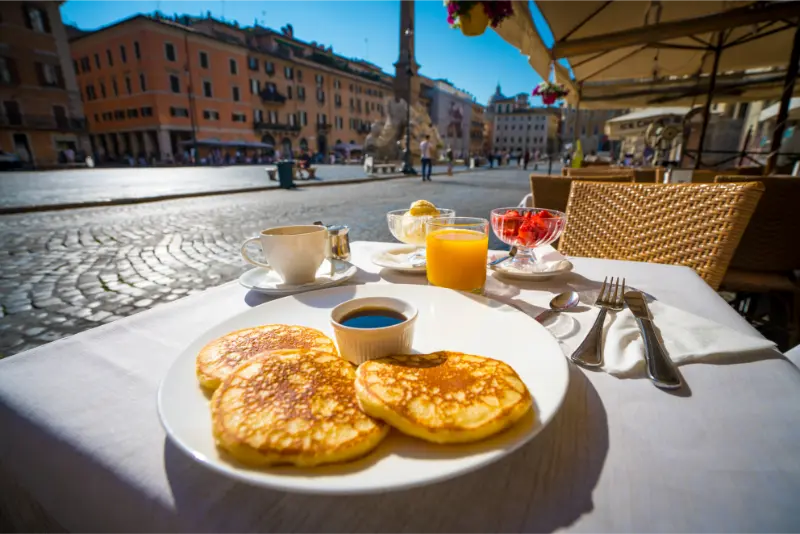
A restaurant beside Piazza Navona or the Pantheon is not automatically bad. You are paying partly for a privileged setting, and that can be a legitimate choice. The problem is when high prices, aggressive solicitation and mediocre food combine. Decide whether the view or convenience is worth the premium before sitting down.
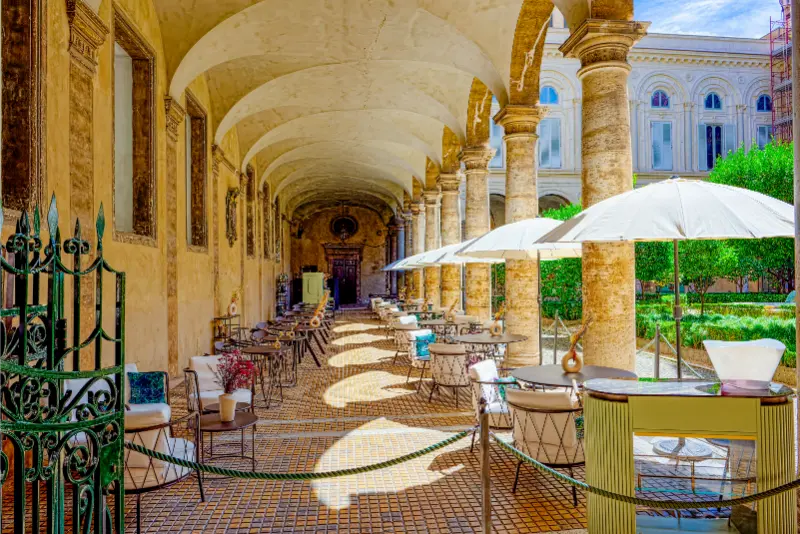
One useful method is to walk two or three streets away from the main square and compare menus. The atmosphere may remain central while prices and customer mix change. This is especially effective around Trevi, Piazza di Spagna and the Vatican approaches.
Neighborhoods for different food experiences
Testaccio remains important for travelers interested in Roman food culture, while Trastevere offers enormous choice but varies from excellent to heavily tourist-oriented. Monti works well for central evenings, Prati can be convenient after the Vatican, and Esquilino is strong for international food when you want a break from traditional dishes.
Do not cross the city simply because social media calls one restaurant ‘the best’. A 45-minute transfer can turn dinner into a logistical project. Rome has good food across many neighborhoods; choose a strong place that fits the day rather than building the day around a viral plate unless that restaurant is genuinely a priority.
Reservations and meal times
Popular restaurants can fill at dinner, especially on Friday and Saturday. Reserve when you care about a specific place or have a group. For casual meals, flexibility often works: eat slightly earlier, choose lunch for a restaurant that is hard to book at night, or keep two nearby alternatives saved.
Do not expect every kitchen to serve full meals continuously from late morning to midnight. Tourist-zone restaurants may, but many traditional places have defined lunch and dinner service. Check current hours on the restaurant’s own website or recent verified listing before making a long journey.
How to order without overthinking it
You do not need to order antipasto, primo, secondo, contorno and dessert at every meal. Italians mix and match according to appetite. One pasta each and a shared vegetable can be perfectly normal. Ask for tap or bottled water according to the restaurant’s practice and do not feel pressured to order wine if you do not want it.
For local dishes, learn the basic ingredients so you know what you are ordering. Carbonara traditionally centers on egg, pecorino, guanciale and pepper; cacio e pepe is intentionally simple; amatriciana and gricia are related but distinct. Our Roman pasta guide explains these differences in more detail.
Red flags and realistic expectations
Aggressive street solicitation, unclear prices, menus translated into many languages with no culinary focus, and repeated pressure to add extras are reasons to pause. None of these proves a restaurant is bad, but several together should encourage comparison with another place.
At the same time, avoid the opposite mistake of romanticizing inconvenience. A hidden restaurant with no English menu is not automatically authentic, and a busy central place is not automatically a trap. Judge food, transparency, service and value rather than using simplistic rules.
Families, allergies and dietary needs
Families are usually welcome, but small restaurants can have limited stroller space. Reserve and mention a high chair if it matters. Travelers with food allergies should communicate clearly and use written Italian wording for serious allergies rather than relying only on gestures or assumptions.
Vegetarian eating is relatively easy, but traditional Roman cuisine also uses meat, cured pork and cheese extensively. Vegan travelers should research specific dishes and restaurants in advance. When an allergy is medically serious, ask directly about cross-contamination and ingredients instead of choosing by appearance.
Frequently asked questions
Do I need to tip in Rome restaurants?
Large percentage tips are not generally expected in the same way as in the United States. Rounding up or leaving a small extra amount for good service is common.
What time do Romans eat dinner?
Dinner commonly starts around 19:30 or later, although tourist areas often serve earlier.
Is coperto a scam?
Not by itself. Check whether charges are clearly stated on the menu and understand the total price before ordering.
Should I avoid restaurants near major sights?
Not automatically. Decide whether convenience and location justify the price, and compare menus on nearby side streets.
Do I need reservations?
For popular dinner restaurants, weekends and groups, reservations are a good idea. Casual meals can remain flexible.
Plan the rest of your Rome trip
Continue with our Roman pasta guide, Roman pizza, Rome street food and tipping in Rome.

A practical way to fit this into your itinerary
Plan food geographically. If the morning is at the Vatican, eat in Prati rather than crossing to Testaccio purely for lunch. If the afternoon ends at the Aventine, Testaccio suddenly makes much more sense. This simple rule reduces transit and lets meals feel like part of the neighborhood rather than an interruption.
Save two options for each important dinner: one preferred restaurant and one backup within a short walk. Rome is busy, opening hours change, and a place can be unexpectedly full. A backup prevents hunger from turning into an impulsive choice beside the nearest tourist attraction.
What makes this stop worth your time
The real advantage of learning restaurant signals is freedom. You no longer need a fixed list for every meal, and you can adapt to weather, energy and location while still making informed choices.
Food should also provide contrast across a trip. Alternate formal and casual meals, Roman classics and international food, restaurant dinners and market lunches. That variety is often more memorable than trying to eat carbonara at every famous address recommended online.
Final planning tips before you go
Before setting out, check the day’s weather, transport conditions and any official notices that could affect access. Rome rewards flexible planning: keep one or two priorities fixed, but avoid filling every hour. Leave enough time to walk between nearby sights, refill water, sit down for a proper break and change the route if crowds or heat make the original plan less enjoyable. For this stop in particular, comfortable footwear and a charged phone are more useful than an over-detailed timetable, because the surrounding streets and viewpoints often become part of the experience.
If you are visiting Rome for the first time, place this experience inside a neighborhood-based itinerary rather than crossing the city only to tick it off. Combine it with the related places linked in this guide, then move on when your attention starts to fade. Repeat visitors can do the opposite: slow down, read more of the interpretation, photograph details and compare the site with other periods of Roman history. That difference in pace is often what turns a famous stop into a memorable one.
It is also worth checking how this stop fits with meal times and the return journey to your accommodation. A central attraction may need no transport at all, while an archaeological or neighborhood visit can involve a longer walk than the map suggests. Save the address of your next destination, keep a backup route, and avoid committing to a distant reservation immediately afterward. A small buffer makes the day more resilient when entrances, church services, roadworks or simple fatigue change the pace.