
What to Eat in Rome: 20 Traditional Dishes and Food Experiences
Roman food is one of the best reasons to slow down in the city. The classic dishes are not complicated because they do not need to be: good pasta, pecorino Romano, guanciale, black pepper, seasonal vegetables, slow-cooked meats and fried snacks create a cuisine with a strong identity.
This guide explains what to eat in Rome, including the four essential pastas, street food, Jewish-Roman specialties, desserts, coffee habits and how to choose a restaurant without falling into the most obvious tourist traps.
1. Carbonara
Real Roman carbonara is built from eggs, pecorino Romano, guanciale and black pepper. Cream is not part of the classic preparation. The sauce should be silky rather than scrambled, with the heat of the pasta helping emulsify the egg and cheese.
Carbonara is rich, so it works well as the main focus of a meal. If you want to compare versions, try it in more than one neighborhood rather than ordering all four Roman pastas in a single sitting.
2. Cacio e pepe
Cacio e pepe looks simple—pasta, pecorino Romano and black pepper—but technique matters. The cheese and starchy pasta water have to form a smooth sauce without clumping. A good version is creamy from emulsification, not from added cream.
3. Amatriciana
Amatriciana combines tomato, guanciale and pecorino. Its roots are linked to Amatrice in Lazio, but it has become one of the pillars of Roman trattoria cooking. Bucatini is a common pairing, though pasta shapes vary.
4. Gricia
Gricia is sometimes described as amatriciana without tomato, but it deserves its own identity. Guanciale, pecorino and black pepper create a savory sauce that sits between cacio e pepe and amatriciana. It is a great choice if you want something deeply Roman but less internationally famous than carbonara.
5. Supplì
Supplì are fried rice croquettes, usually filled with tomato-seasoned rice and mozzarella. When the cheese stretches after the first bite, the classic nickname supplì al telefono makes sense. They are ideal as a quick snack or appetizer before pizza.
6. Pizza al taglio
Roman pizza al taglio is baked in large trays and sold by weight in rectangular pieces. This is one of the easiest budget lunches in the city because you can choose several toppings and control the portion. Look for crisp bases, fresh turnover and seasonal ingredients rather than shops that rely on giant tourist displays.
7. Pizza romana tonda
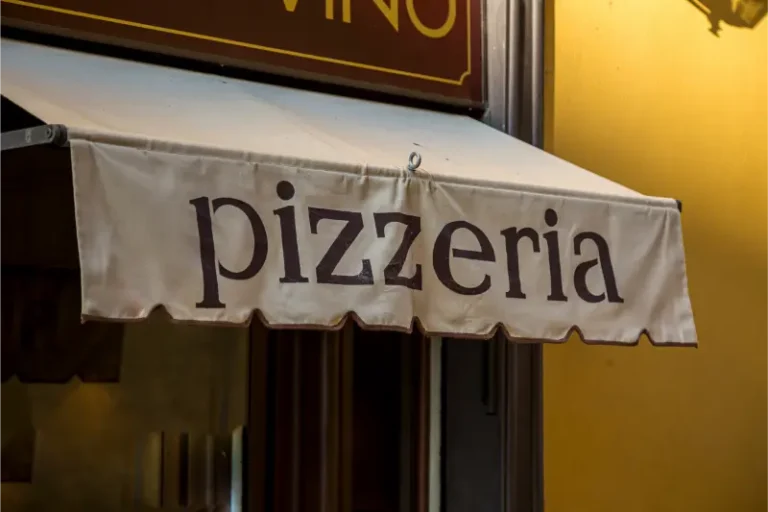
Rome also has its own round pizza tradition: thin, crisp and often cooked very quickly at high heat. It is different from the softer, thicker-edged Neapolitan style. Many classic pizzerias serve supplì first, then individual pizzas.
8. Carciofi alla romana
Roman-style artichokes are braised with herbs, garlic and olive oil until tender. They are seasonal, so the best versions appear when artichokes are naturally available rather than when a restaurant is forcing the dish year-round.
9. Carciofi alla giudia
Jewish-style artichokes are associated with Rome’s Jewish culinary tradition. The whole artichoke is fried until the leaves become crisp. Try them in or around the Jewish Ghetto when in season, and remember that restaurants may prepare the dish differently depending on the variety available.
10. Saltimbocca alla romana
Saltimbocca traditionally combines thin veal, prosciutto and sage, cooked quickly so the flavors stay distinct. It is a classic second course and a good choice when you want something beyond pasta.
11. Coda alla vaccinara
Oxtail stew is one of the most famous dishes associated with Testaccio and Rome’s tradition of using the so-called quinto quarto, the less prestigious cuts historically connected with slaughterhouse workers. Long cooking creates a rich, deeply flavored sauce.
12. Trippa alla romana
Roman tripe is usually served in a tomato-based sauce with herbs and pecorino. It is not for everyone, but adventurous eaters should try it in a traditional trattoria, especially in Testaccio.
13. Abbacchio
Lamb appears in several Lazio and Roman preparations, especially around holidays and spring. Abbacchio alla scottadito refers to small grilled lamb chops meant to be eaten hot, while roasted versions are also common.
14. Porchetta
Porchetta is associated with the Castelli Romani and central Italy more broadly, but you will find excellent versions in Rome. Slices of seasoned roast pork are often served in bread as a simple, satisfying lunch.
15. Maritozzo
The maritozzo is a soft sweet bun split and filled generously with whipped cream. Once a traditional breakfast item, it has become fashionable again in modern pastry shops. Eat it with coffee and accept that it will probably be messy.
16. Crostata di ricotta e visciole
This ricotta and sour-cherry tart is closely associated with Rome’s Jewish-Roman baking tradition. The balance of sweet cheese and tart fruit makes it very different from the city’s cream-heavy desserts.
17. Gelato
Rome has countless gelaterie, but quality varies. Avoid places where gelato rises in unnaturally tall, brightly colored mountains above the tubs. Better shops often keep gelato in covered metal containers or low, natural-looking mounds and emphasize seasonal ingredients.
18. Espresso and cappuccino
Coffee in Rome is fast and ritualized. Standing at the bar is often cheaper than table service in central locations. Cappuccino is commonly a morning drink, but no one is going to arrest a visitor for ordering one later; the more useful rule is understanding that Italian coffee culture is built around small portions and quick service.
19. Aperitivo
Aperitivo is the pre-dinner drink ritual, often accompanied by small snacks. Rome has everything from simple neighborhood wine bars to elaborate hotel rooftops. Do not confuse aperitivo with dinner unless the food offering is substantial.
20. Roman wine
Lazio produces wines that are worth exploring, including whites from the Castelli Romani area and increasingly interesting small producers. Ask for a local glass rather than defaulting automatically to famous Tuscan labels.
Best neighborhoods for food
Testaccio
Testaccio is the strongest neighborhood for travelers who want to connect food with Roman social history. The market is useful during the day, while traditional trattorias serve pasta, offal and classics in the evening. It is also close to the former slaughterhouse area that influenced the district’s culinary identity.
Trastevere
Trastevere has excellent restaurants, but it also has many tourist-oriented ones. Walk away from the busiest central lanes and check recent menus. The neighborhood is best when you combine dinner with an evening walk rather than choosing a restaurant solely because it has tables in a picturesque alley.
Jewish Ghetto
Come here for Roman-Jewish specialties, bakeries, artichokes in season and a distinctive culinary tradition shaped by centuries of history. Reservation is wise for well-known restaurants at dinner.
Prati
Prati is useful for lunch after the Vatican because it has bakeries, modern restaurants, pizzerias and everyday neighborhood options away from the museum exit crowds.
Monti
Monti is convenient after the Colosseum, with wine bars, casual restaurants and small dining rooms. It can be busy, but it is generally more enjoyable than eating immediately beside the archaeological entrance.
How to read an Italian menu
- Antipasti: starters.
- Primi: pasta, risotto, soup and other first courses.
- Secondi: meat or fish main courses, usually without an automatic side dish.
- Contorni: vegetable side dishes.
- Dolci: desserts.
- Coperto: a cover charge that should be shown on the menu where applied.
You do not need to order every course. A primo and a vegetable side can be a complete meal, or share an antipasto before individual mains. Portions and formality vary widely between trattorias and modern restaurants.
How to spot a tourist-trap restaurant
- A host aggressively tries to pull you inside from a major tourist street.
- The menu is enormous, laminated and filled with photos of dozens of unrelated dishes.
- The restaurant claims to specialize equally in pizza, seafood, steak, carbonara, sushi and burgers.
- Prices are not clearly displayed.
- Recent reviews repeatedly mention surprise charges or pressure.
- The restaurant has an unbeatable monument view but almost no attention to food quality.
None of these signs alone proves a restaurant is bad. The practical rule is to walk two or three streets away from a major monument and compare a few menus before sitting down.
Tipping in Rome
Tipping is appreciated but not structured like mandatory 15–25 percent tipping in some countries. If service is good, rounding up or leaving a modest extra amount is common. Check whether service is already included and remember that coperto is a cover charge, not automatically a tip for the server.
Eating with children
Roman food is family-friendly because pizza, pasta, bread, fried rice snacks and gelato are easy choices. Restaurants often open later for dinner than families from northern Europe or North America are used to, so use pizza al taglio, bakeries and early aperitivo snacks to bridge the gap.
A one-day Roman food plan
- Breakfast: espresso or cappuccino with a cornetto or maritozzo.
- Mid-morning: walk through a market and buy fruit or a small snack.
- Lunch: pizza al taglio with two or three toppings and a supplì.
- Afternoon: gelato from a quality gelateria.
- Aperitivo: local wine, spritz or non-alcoholic aperitivo with small snacks.
- Dinner: choose one Roman pasta, a seasonal vegetable and a second course to share if you are hungry.
- After dinner: espresso or a slow walk through the historic center.
Food mistakes to avoid
- Ordering four heavy Roman pastas in one meal just to check them off a list.
- Eating every meal beside a famous monument.
- Assuming the most colorful gelato display is the best one.
- Ignoring seasonal dishes such as artichokes.
- Expecting a second course automatically to include vegetables or potatoes.
- Choosing only internationally famous dishes and missing Testaccio or Jewish-Roman traditions.
Food should shape your sightseeing rather than compete with it. Plan a Testaccio lunch, a Vatican day meal in Prati, dinner in Trastevere or Monti, and leave one meal completely unplanned. For neighborhood choices, see where to stay in Rome; for sightseeing routes, see our Rome in 3 days itinerary.

2 Comments
Comments are closed.