
Free Things to Do in Rome: 25 Beautiful Experiences That Cost Nothing
Rome can be surprisingly generous to travelers on a budget. Some of its most famous sights are public spaces rather than ticketed attractions, and hundreds of churches hold major works of art behind ordinary doors. A low-cost day in Rome does not need to feel like a compromise.
This guide collects free things to do in Rome, from Trevi Fountain and Piazza Navona to hilltop viewpoints, basilicas, neighborhoods and archaeological views. A few places operate inside religious sites or public parks, so opening access and dress rules still matter even when admission is free.
1. Trevi Fountain
Trevi Fountain is one of Rome’s defining monuments and there is no admission ticket for the square itself. Go early in the morning for the most space or late at night for atmosphere. Do not climb on the fountain or ignore barriers; conservation rules are actively enforced.
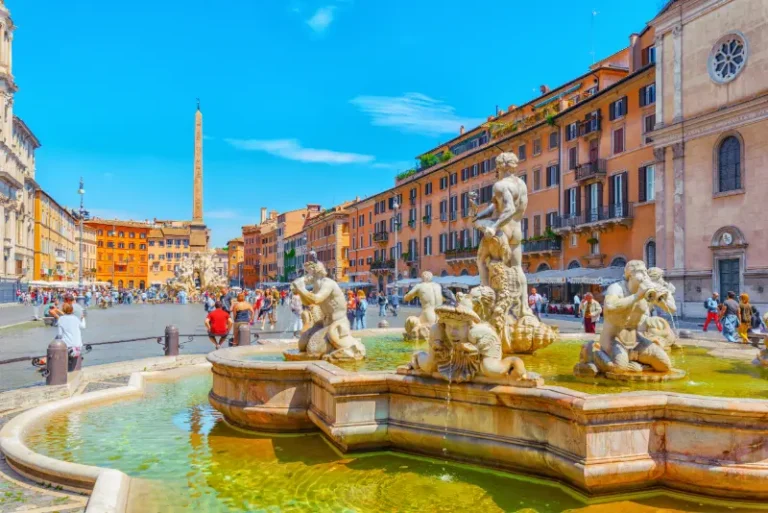
2. Piazza Navona
The elongated square sits over the ancient Stadium of Domitian and contains some of Baroque Rome’s greatest urban theater. Bernini’s Fountain of the Four Rivers is the centerpiece, but the surrounding architecture and evening atmosphere make the square worth revisiting at different times of day.
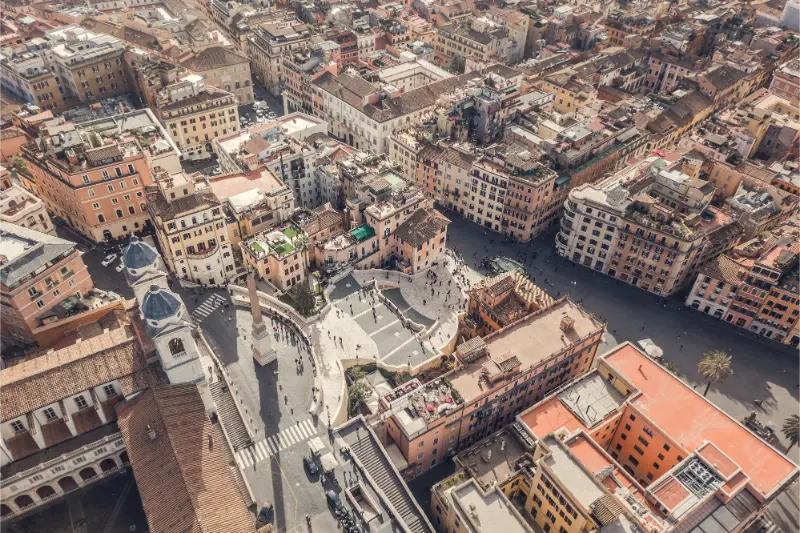
3. Spanish Steps
Walking through Piazza di Spagna and up the Spanish Steps costs nothing. The reward is not only the staircase but the changing view over rooftops and streets as you climb toward Trinità dei Monti. Follow local monument rules and keep moving rather than treating the steps as seating.
4. St. Peter’s Square
You can enter St. Peter’s Square without a museum ticket. Bernini’s colonnade, the obelisk and the façade of the basilica create one of the world’s great ceremonial spaces. Access may be controlled during papal events or large religious gatherings.
5. St. Peter’s Basilica
Entry to the main basilica is generally free, though everyone passes security and queues can be long. The dome is a separate paid experience. Dress appropriately for a church and check event schedules before traveling across the city.
6. Basilica of Santa Maria Maggiore
One of Rome’s four major papal basilicas, Santa Maria Maggiore combines early Christian mosaics, later chapels and an imposing interior. It is close to Termini and easy to add to an arrival or departure day.
7. San Pietro in Vincoli
This church near Monti is famous for Michelangelo’s Moses. It is a remarkable example of how Rome places world-class art inside functioning churches that can be visited without a museum admission fee. Respect services and donation requests.
8. Santa Maria del Popolo
At Piazza del Popolo, Santa Maria del Popolo contains important Renaissance and Baroque art. Church access can change during liturgical services or restoration, so treat it as part of a flexible walking route rather than a rigid timed stop.
9. The Gesù
The mother church of the Jesuits has a spectacular Baroque interior and dramatic ceiling decoration. It is near Piazza Venezia and Largo di Torre Argentina, making it easy to combine with central sightseeing.
10. Piazza del Popolo
Piazza del Popolo is a monumental gateway to the historic center, with twin churches, fountains and an Egyptian obelisk. From the square you can climb toward the Pincio terrace or walk down Via del Corso.
11. Pincio Terrace
The Pincio viewpoint above Piazza del Popolo is one of the best free sunset locations in Rome. Arrive early enough to get a spot along the balustrade, then walk through Villa Borghese after the light fades.
12. Villa Borghese gardens
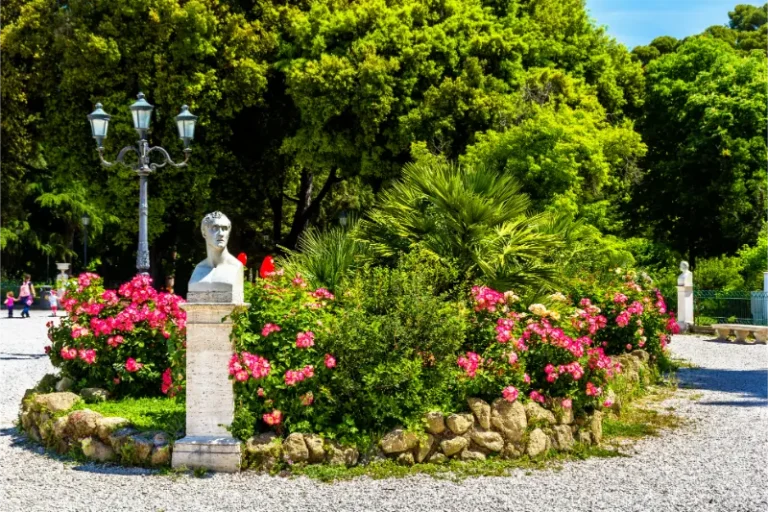
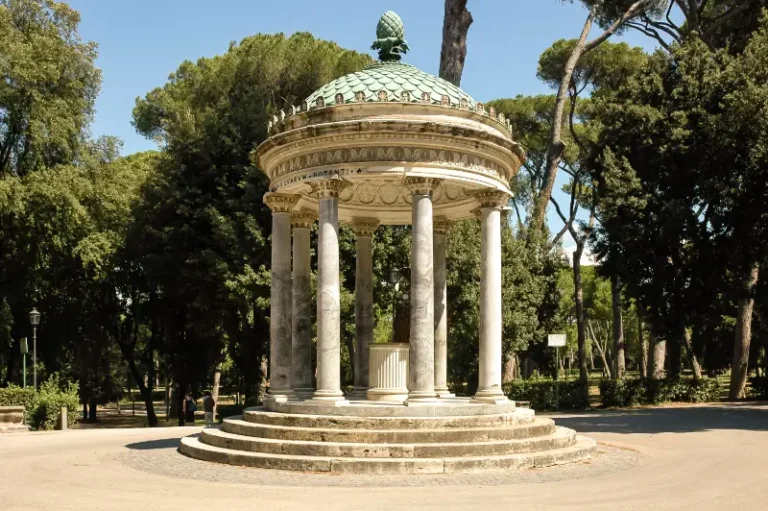
The park itself is free and provides shaded paths, lawns, fountains and space to slow down. Museums and rentals inside the park are paid separately, but a walk through the gardens costs nothing.
13. Orange Garden on the Aventine
Giardino degli Aranci, or Parco Savello, has a panoramic terrace overlooking the Tiber and the dome-filled skyline. It is particularly beautiful near sunset. Combine it with Santa Sabina and a walk around the Aventine.
14. The Aventine Keyhole
Looking through the famous keyhole at the Priory of the Knights of Malta is free. The tiny view aligns greenery with St. Peter’s dome. Queues can form, so do not wait an hour for a five-second glimpse; the surrounding hill is more valuable.
15. Janiculum Hill
The Gianicolo rises above Trastevere and gives a broad panoramic view over Rome. The terraces, monuments and tree-lined paths make it a good morning or sunset walk. The climb is substantial, so use a bus or taxi uphill if mobility is limited.
16. Walk through Trastevere
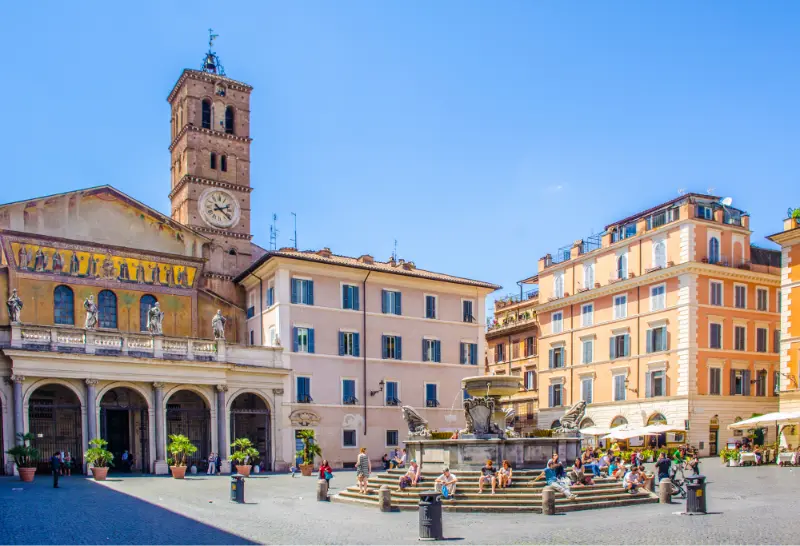
Trastevere is an experience rather than a ticketed sight. Wander around Santa Maria in Trastevere, Vicolo del Cinque and quieter side streets in the morning, then return in the evening if you want nightlife. Window-shopping and people-watching cost nothing.
17. Explore Monti
Monti’s lanes, small piazzas and views toward Ancient Rome are ideal for a slow walk between the Colosseum and Termini. Piazza della Madonna dei Monti is the neighborhood’s informal living room.
18. View the Roman Forum from Capitoline Hill

You need a ticket to enter the Forum, but there are excellent external views from Capitoline Hill and streets behind the Capitoline Museums. Seeing the ruins illuminated in the evening is especially atmospheric.
19. Walk along Via dei Fori Imperiali
The broad avenue between Piazza Venezia and the Colosseum provides open views of the Imperial Forums. You can see major archaeological remains from street level without entering a paid site. It is busiest during the day and more dramatic after dark.
20. Circus Maximus
The enormous valley of Circus Maximus helps you visualize the scale of ancient chariot racing even though much of the original seating is gone. Walking through the main open area is free, while specific archaeological or exhibition areas may require admission.
21. Campo de’ Fiori
Walking through Campo de’ Fiori is free. The square hosts a daytime market and turns into a social gathering place at night. The statue of Giordano Bruno gives the space a historical focus beyond cafés and stalls.
22. Largo di Torre Argentina
The archaeological area is famous for temples from the Republican period and for its association with the events surrounding Julius Caesar’s assassination nearby. You can see the ruins from street level for free; the developed visitor route into the archaeological area is a separate experience and may be ticketed.
23. The Jewish Ghetto
A walk through the Jewish Ghetto reveals layers of Roman, Jewish and medieval history. See the Portico of Octavia, narrow streets and the exterior of the Great Synagogue. Museums and the synagogue have their own admission rules, but the neighborhood walk is free.
24. Isola Tiberina and Tiber bridges
Walk across the small island in the Tiber and connect it with Trastevere and the Jewish Ghetto. The river level gives a different perspective on Rome and is particularly pleasant around sunset.
25. Rome at night
One of the best free experiences is simply revisiting major squares after dinner. Trevi Fountain, Piazza Navona, the Pantheon exterior, Via dei Fori Imperiali and St. Peter’s Square all change character under evening lighting.
What about the Pantheon?
The Pantheon is no longer normally free for adult non-resident visitors. As of September 2026, official full-price admission is €7. However, the state museum rules include free categories, and the Pantheon lists free entry for Rome residents and on the first Sunday of the month under current conditions. Check the official Pantheon page before relying on a free day.
Free state museum Sundays
Italy’s first-Sunday initiative can make selected state museums and archaeological sites free on the first Sunday of the month, including the Colosseum archaeological park under its announced 2026 rules. These days can be extremely popular. Free admission does not always eliminate reservation or capacity procedures, so check the specific site.
A free one-day Rome itinerary
- 07:30 — Trevi Fountain before the busiest hours.
- 08:15 — Spanish Steps and walk to Pincio terrace.
- 09:30 — Villa Borghese gardens and Piazza del Popolo.
- 11:00 — Walk Via del Corso toward Piazza Venezia, stopping in free churches.
- 13:00 — Budget lunch from a bakery, market or pizza al taglio shop.
- 14:00 — Capitoline Hill viewpoints and Via dei Fori Imperiali.
- 16:00 — Jewish Ghetto, Isola Tiberina and Trastevere.
- 18:00 — Climb to Janiculum or Aventine for sunset.
- 20:30 — Night walk through Piazza Navona and Trevi Fountain.
How to keep a Rome trip affordable
- Choose accommodation near a metro or in a walkable area so transport costs stay low.
- Use individual €1.50 BIT tickets if you walk most of the day rather than automatically buying a pass.
- Eat lunch from bakeries, markets and pizza al taglio counters, then spend more on one good dinner.
- Carry a reusable bottle and use public drinking fountains where safe and permitted.
- Balance one paid major attraction with several free churches, squares and viewpoints.
- Avoid paying for a ‘skip-the-line’ product where the official monument says no such option exists.
For paid sights worth prioritizing, see our best things to do in Rome. If you are building a budget itinerary, combine this page with our Rome transport guide and Roman food guide.