
St Peter’s Basilica Rome: Free Entry, Hours, Art and Visiting Tips
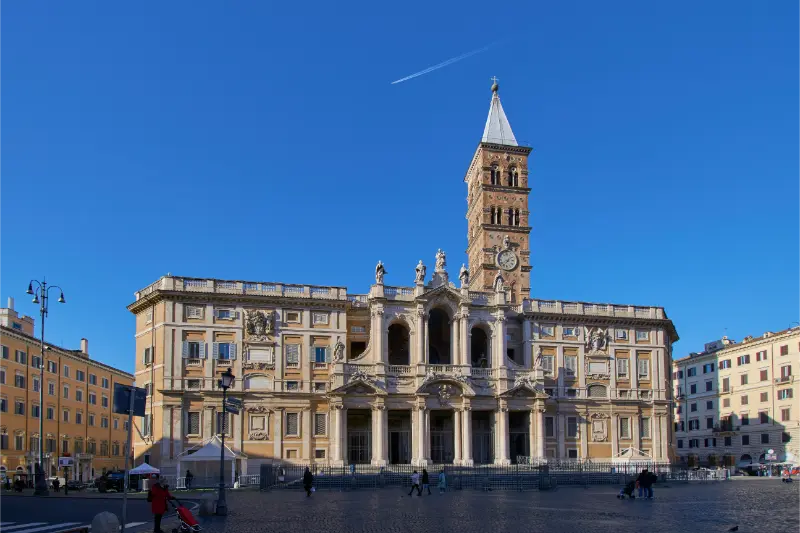
St Peter’s Basilica is one of Rome’s essential experiences, but it is also an active Catholic basilica rather than simply a museum. The most important practical fact is easy to miss: ordinary entry to the basilica itself is free. You may encounter paid reservation services, guided tours and separate tickets for experiences such as the dome, but you do not need to buy a basic admission ticket just to enter the church. What you do need is time for security, appropriate clothing and a plan for the enormous interior.
Quick facts
| Basilica entry | Free |
| 2026 opening hours | 7:00–20:00 daily |
| Last access | By 19:15, subject to flow/security |
| Reservation | Not mandatory for ordinary free entry |
| Dome | Separate paid visit |
| Dress | Shoulders and knees appropriately covered |
Opening hours and free entry in 2026
From 1 June 2026, the official basilica website states that St Peter’s is open 7:00–20:00 every day, with last access by 19:15 depending on visitor flow and security waiting times. The official opening-hours page is the best place to check before visiting because ceremonies can alter access.
The basilica FAQ confirms that entry is free and a reservation is not mandatory. A paid timed service can be used by visitors who want guaranteed access in a specified time slot and may include a digital audio guide. Do not confuse that optional service with a compulsory entrance ticket.
Security queues and the best time to visit
Everyone should expect security screening before entering. Waiting time is not the same every day: early morning is often calmer than the middle of the day, while major liturgical events can change the entire pattern. If the basilica is your priority, visiting near opening time gives you the best chance of experiencing the interior before the heaviest crowds.
If you are also visiting the Vatican Museums, remember that they have a different entrance and a separate ticket. Do not schedule the two as if moving between them took only a few minutes.
What to see inside St Peter’s
Michelangelo’s Pietà is one of the first masterpieces many visitors look for. Bernini’s monumental bronze baldachin marks the area above the papal altar and creates a powerful visual focus beneath Michelangelo’s dome. The scale of the nave can make individual monuments easy to miss, so decide on a few priorities rather than trying to inspect every chapel in one rushed circuit.
The basilica also contains papal monuments, chapels and mosaics that reward slow looking. Give yourself time to step away from the main flow and notice how architecture, sculpture and liturgical space work together.
Dress code and respectful behavior
The Vatican dress code requires clothing appropriate to a sacred site. Shoulders should be covered, and very short shorts, miniskirts and low-cut clothing can cause problems. Our Rome dress code guide gives practical summer solutions.
Take calls outside, keep voices low during worship and do not treat active chapels as photo backdrops. Access to certain areas can be restricted during Mass or special ceremonies.
Visiting the dome on the same day
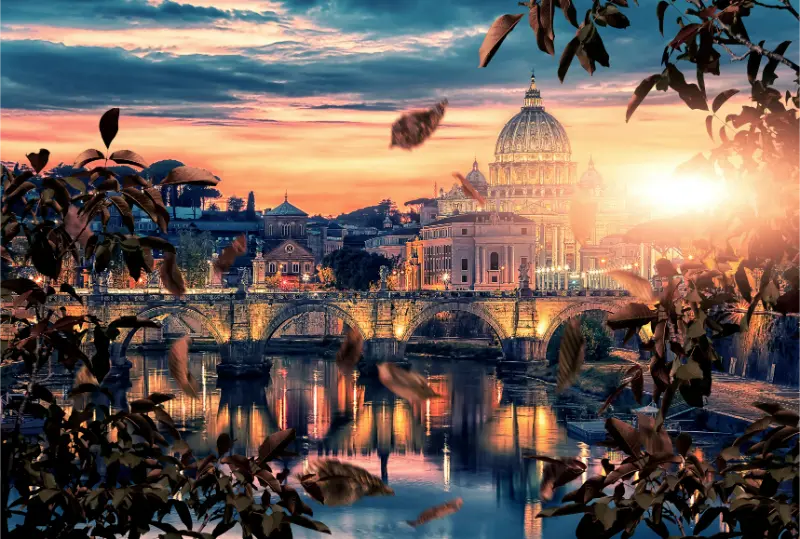
The dome requires a separate paid ticket and has its own opening hours. During the 2026 summer period the official site lists dome access from 7:00 to 18:00. The climb beyond the terrace includes hundreds of steps even when using the elevator option. Read our dedicated St Peter’s Dome guide before combining it with the basilica.
If heights, confined staircases or physical exertion are concerns, the basilica itself is already an extraordinary experience; the dome is optional, not a requirement for “doing” St Peter’s correctly.
How long to allow
For the basilica interior alone, many travelers need around an hour once through security, but art lovers and pilgrims may want much longer. Add security waiting time separately. If climbing the dome, the total visit can expand substantially.
Avoid stacking a fixed reservation immediately after St Peter’s. The Vatican Museums evening guide is one example of how different time slots can sometimes make a Vatican day more flexible.
Papal audiences, Masses and special events
Wednesday audiences, major feast days, canonizations and other papal events can affect access to St Peter’s Square and the basilica. A visitor who cares mainly about art may prefer a normal day, while a pilgrim may deliberately plan around a liturgy. Check official Vatican and basilica calendars close to the visit.
If a ceremony is taking place, respect staff instructions and recognize that worship takes priority over sightseeing. This is one of the reasons static “best time” advice cannot replace a same-day official check.
Frequently asked questions
Is St Peter’s Basilica free?
Yes. The official basilica FAQ states that entrance to the basilica is free. Optional paid reservations, tours and the dome are separate.
What are the opening hours in 2026?
From 1 June 2026, the official site lists 7:00–20:00 daily, with last access by 19:15 subject to visitor flow and security.
Do I need to book St Peter’s Basilica?
A reservation is not mandatory for ordinary entry, though optional timed services and guided visits can be booked.
Is the dome included?
No. The dome requires a separate paid ticket.
Can I visit the Vatican Museums directly from the basilica?
They are separate attractions with different entrances and ticketing. Plan walking and security time between them.
Plan the rest of your Rome trip
Continue planning with St Peter’s Dome, Vatican Museums guide and Rome dress code. These guides work best together because Rome is easier to enjoy when transport, timing and sightseeing are planned as one itinerary rather than as separate decisions.
A simple planning strategy
The easiest way to use this information is to decide first what cannot move: a flight, a timed museum reservation, a train departure or a booked tour. Build the rest of the day around those fixed points. Rome rewards flexible planning because queues, traffic, heat, security checks and walking times can all change the rhythm of a day. Leaving a buffer is not wasted time; it is what keeps one delay from turning into a stressful chain of missed plans.
For most visitors, a good rule is to pair one demanding activity with one flexible activity. A museum reservation can be followed by a neighborhood walk; an airport transfer can be followed by an easy dinner near the hotel; a long Vatican morning can be followed by a slower afternoon across the river. This approach also gives you room to stop for coffee, water or an unexpected church without feeling that the itinerary is failing.
What to keep on your phone
Before leaving your accommodation, save the address of your hotel, a screenshot of any ticket or QR code, the route back, and the official page for the service you are using. Keep a payment card and some cash separate from your phone. If your battery is low, switch on power-saving mode before you need navigation. A small power bank is especially useful on days that involve airports, long museum visits or repeated use of digital tickets.
It is also worth saving the names of important places in Italian. Showing “Roma Termini”, “Aeroporto di Fiumicino”, “Basilica di San Pietro” or the exact metro station to staff can be faster than explaining the destination. Rome is a major international city, but a few precise names reduce misunderstandings when stations are crowded or when service changes require an alternative route.
How to avoid losing time
Do not schedule every transition at the shortest theoretical travel time. Walking through a large station, finding the correct platform, passing security or moving through a crowded square can add minutes that route planners do not show. At airports and the Vatican in particular, the distance between “arrival at the complex” and “arrival at the exact entrance” matters. Give yourself a realistic margin and use signs rather than following the crowd automatically.
If something changes, check the official operator first rather than relying on an old blog post or a screenshot from social media. Transport works, strikes, ceremonies and special events can alter normal patterns. The practical details in this guide are a planning baseline; the official service page should be the final check for the day you travel.
Choosing by neighborhood, not by landmark
Rome is large enough that the best transport choice often depends on the neighborhood where you are sleeping rather than the attraction you plan to visit first. A route that looks slightly slower on paper can be easier if it ends close to your hotel, while a nominally fast train to a major station can still require a second metro ride and a long walk with luggage. Compare the whole journey from terminal or platform to the accommodation door.
The same principle applies inside the city. Plan around the station or stop that minimizes awkward transfers, stairs and backtracking. This is particularly useful for families, travelers with large suitcases and anyone arriving after a long flight. Convenience has a real value on arrival day because fatigue makes small navigation problems feel much larger.
A final check before you leave
On the evening before a flight, train journey or major timed visit, check the official operator again and save the latest departure information. Charge your phone, place tickets and identification where you can reach them easily, and decide on a backup option if the primary route is disrupted. These small preparations take only a few minutes and are much more useful than trying to solve everything while standing in a crowded station.
If you are traveling with other people, make sure everyone knows the destination and meeting point in case the group becomes separated. One person should not be the only holder of every ticket, address and reservation detail. Sharing the essential information makes the day more resilient without adding complexity.