
Palazzo Venezia Rome: Museum, Gardens and Visiting Guide
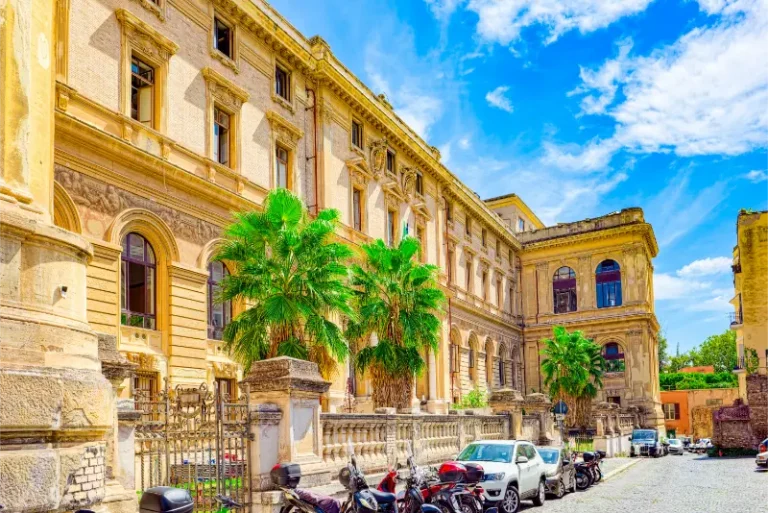
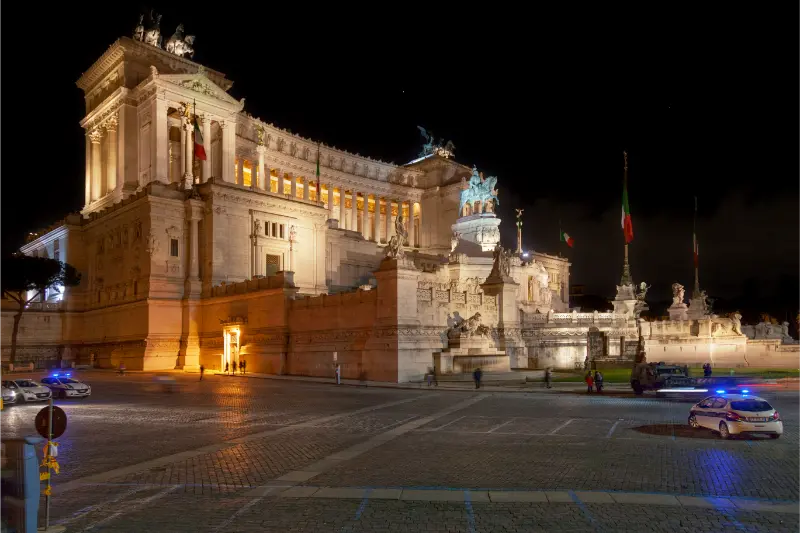
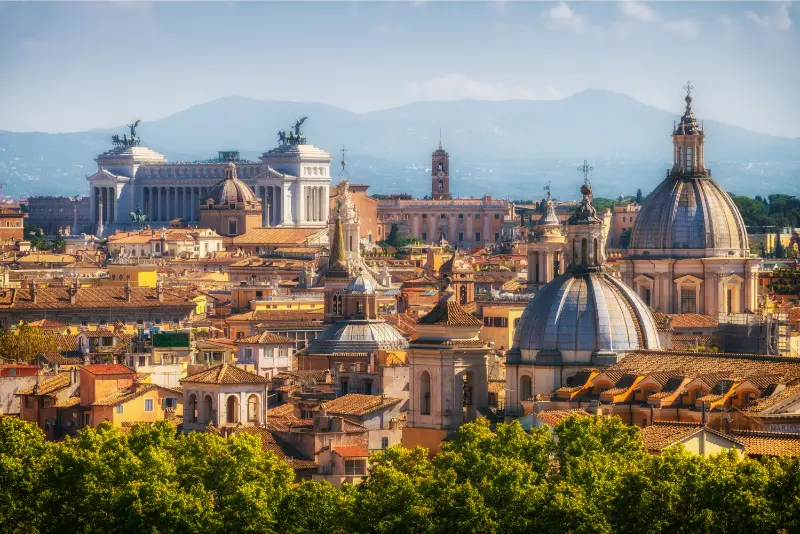
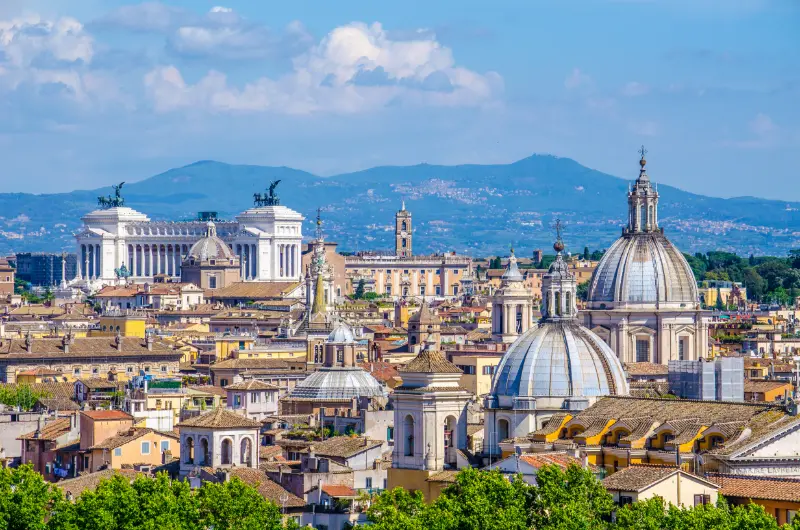
Palazzo Venezia is easy to overlook because the white Vittoriano dominates Piazza Venezia, yet the older palace is one of the square’s most important buildings. Its heavy medieval-Renaissance façade, internal courtyards, grand halls and collections tell a story very different from the nineteenth-century national monument across the road. Visiting both reveals how this traffic-filled junction became a stage for papal, aristocratic, political and national power over several centuries.
The palace is now part of VIVE – Vittoriano and Palazzo Venezia. That matters practically because the ticket system connects the palace with the Vittoriano’s museums and panoramic terrace. If you are already planning the Vittoriano, Palazzo Venezia can turn a quick viewpoint stop into a richer half-day around Piazza Venezia, the Capitoline Hill and the Imperial Forums.
Why Palazzo Venezia deserves more attention
Rome has many palaces full of paintings, but Palazzo Venezia is compelling because the building itself carries so many layers. Begun in the fifteenth century and associated with Cardinal Pietro Barbo, who became Pope Paul II, it later served diplomatic and governmental functions. In the twentieth century it acquired a darker political association as Benito Mussolini used the palace, including the famous balcony facing the square, as a setting for public speeches.
A thoughtful visit should hold those periods together rather than reducing the building to one episode. Renaissance architecture, papal ambitions, diplomatic history, museum collections and Fascist-era political staging all belong to the same place. That complexity makes Palazzo Venezia useful for travelers who want to understand Rome as a capital whose monuments were repeatedly reused and reinterpreted.
What to see at Palazzo Venezia
The monumental rooms
The grand halls are the architectural core of the visit. Their scale reflects the palace’s ceremonial function, and the Sala del Mappamondo is particularly associated with later political history. Restoration projects can affect which historic rooms are open, so the exact route may differ from older guidebooks. That is a reason to check current notices rather than a reason to skip the palace: even partial access can be valuable when combined with the gardens and VIVE circuit.
The museum collections
The collections include paintings, sculpture, decorative arts, tapestries and objects from different periods. Instead of searching for a single “must-see,” look for connections with buildings and artists elsewhere in Rome. Decorative arts are especially useful for imagining how elite interiors functioned beyond the famous frescoed ceilings that dominate many palace visits.
The Giardino Grande
The large garden is one of the most pleasant surprises in this very busy area. Access to the Giardino Grande is free under the current VIVE system, making it useful even when you do not have time for the full museum circuit. The contrast between the garden and Piazza Venezia is striking: a few steps separate heavy traffic and monumental stone from a more sheltered Renaissance space.
Opening hours and tickets in 2026
The official VIVE information currently lists Palazzo Venezia open daily from 9:30 to 19:30, with last admission at 18:45. The Giardino Grande follows the same standard hours and has free access. Special evening openings are scheduled on selected dates in summer and early autumn 2026, so check the calendar if you are traveling during that period.
The current VIVE ticket for Palazzo Venezia is €18 full price and is valid for seven days, covering the VIVE sites including Palazzo Venezia, the Vittoriano museum spaces and panoramic terrace. Reduced and free categories apply under the official rules, and first-Sunday admission is free with a same-day ticket. Verify any temporary exhibition surcharges or access changes on the official VIVE visit page before going.
How much time to allow
Allow 60 to 90 minutes for Palazzo Venezia itself when the principal rooms are open, plus additional time if you are using the combined ticket for the Vittoriano. A full VIVE visit can easily become a half day once you include security, museum rooms, the panoramic lift and breaks. If you are primarily interested in architecture, a shorter palace visit plus the free garden can still be worthwhile.
Palazzo Venezia and the Vittoriano: should you do both?
Yes, if you have enough time. They tell complementary stories. Palazzo Venezia belongs to Renaissance and papal Rome, while the Vittoriano represents the national project of unified Italy and later commemorative history. Crossing the square between them is almost a physical movement between historical periods. Read the Vittoriano guide first if the panoramic terrace is a priority, because ticketing and lift queues can shape the order of your visit.
What to see nearby
From Palazzo Venezia you are exceptionally close to the Capitoline Hill, Capitoline Museums, Santa Maria in Aracoeli and the beginning of Via dei Fori Imperiali. The Trajan’s Markets are also nearby. This makes Piazza Venezia one of the best places to build a dense historical itinerary without relying on public transport.
A strong sequence is Palazzo Venezia in the morning, a short garden break, the Capitoline Hill around midday and the Imperial Forums in the afternoon. If you want sunset views, reverse the order so you end at the Vittoriano panoramic terrace. Avoid trying to add the Vatican on the same day; geographically and mentally, it creates unnecessary pressure.
Photography and atmosphere
The palace rewards architectural photography more than fast snapshots. Courtyard geometry, staircases, framed doorways and the relationship between the building and Piazza Venezia provide better images than simply photographing display cases. In the garden, look for layered views that include brick, stone, planting and the surrounding city. As always, respect signs restricting photography in temporary exhibitions or sensitive spaces.
Accessibility and visitor comfort
Because Palazzo Venezia is a historic building, accessible routing can differ from the most obvious monumental stairs. VIVE provides visitor information and staff assistance, so travelers with reduced mobility should check the current accessible entrance and lift availability. The garden also offers a useful pause in an area where benches and quiet spaces can otherwise be hard to find.
Mistakes to avoid
- Treating Palazzo Venezia as merely the building with Mussolini’s balcony and ignoring its Renaissance history.
- Buying a VIVE ticket without allowing time to use its seven-day validity strategically.
- Assuming every historic room is always open despite restoration work.
- Skipping the free Giardino Grande because it looks closed from the busy square.
- Combining too many distant attractions instead of staying around Piazza Venezia, the Capitoline and Imperial Forums.
Frequently asked questions
Is Palazzo Venezia free?
The Giardino Grande is currently free, while the museum spaces use the VIVE ticket system. Free-admission categories and first-Sunday rules may apply, so check the official page for your date.
Is Palazzo Venezia the same as the Vittoriano?
No. They are separate monuments facing the same area, but they are managed together within VIVE and can be covered by the same ticket. Their histories and architecture are very different.
Can I see Mussolini’s balcony?
The balcony belongs to the palace’s twentieth-century history, but visitor access to specific historic rooms and viewpoints depends on the current museum route and restoration status. Do not assume that every famous interior is accessible on every date.
How long is the VIVE ticket valid?
Under the current system, the standard ticket is valid for seven days from the selected entry date, allowing one access to the included sites. That flexibility can make it more useful than trying to see everything in one exhausting session.
What is the best next stop?
For ancient history, continue toward Trajan’s Markets and the Imperial Forums. For art and city views, cross toward the Capitoline Hill. For a quieter break, stay in the palace garden before moving on.
Final tips
Palazzo Venezia is most satisfying when you visit it as part of Piazza Venezia’s historical landscape, not as an isolated museum. Stand outside before entering, notice the relationship with the Vittoriano and Via del Corso, then return to the square after seeing the interiors. The building will look different because you now understand how many versions of Rome have used the same strategic place.
How to fit this stop into a realistic Rome day
A useful Rome itinerary should leave breathing room around Palazzo Venezia Rome. Walking distances on a map can look short while cobblestones, security checks, heat, traffic lights and spontaneous stops make the real day slower. Put this visit beside one or two nearby priorities, then leave a flexible meal or coffee break before the next major reservation. That structure protects the experience if you stay longer than expected and reduces the temptation to rush the final rooms or viewpoints.
If you are visiting in summer, schedule exposed outdoor walking before late morning and use churches or museums during the hottest hours. In winter, remember that daylight is shorter and some archaeological sites close earlier. Spring and autumn are comfortable for walking but can bring heavy demand, so reserve truly capacity-limited attractions first and build flexible free-entry stops around them. Rome rewards geographic planning more than ambitious checklists.
A note on current information
Opening hours, restoration closures, liturgical schedules, ticket prices and security procedures can change after publication. Use this article to understand what the place is and how it fits into a trip, then verify the official website shortly before the visit when a specific time or paid admission matters. That small check is especially important around public holidays, religious celebrations, strikes and major city events.
Also separate permanent facts from temporary conditions. A church’s mosaics or a forum’s history do not change because an entrance moves for restoration; a museum can remain worth visiting even when one room is closed. Flexible expectations help you respond to real conditions without feeling that the day has failed because a single detail differs from an older guide.