National Museum of Musical Instruments Rome: Collection, Tickets and Visiting Guide
Rome’s National Museum of Musical Instruments is a specialist museum that rewards anyone interested in music, craftsmanship and the physical objects behind European musical history. Set near Santa Croce in Gerusalemme, away from the city’s most crowded museum circuit, it preserves instruments ranging from keyboards and strings to winds, percussion and experimental forms, offering a quieter alternative to Rome’s major art collections.
This guide is designed for practical trip planning rather than a simple description of the collection. It explains what makes the site distinctive, how long to allow, what the 2026 visitor information currently says, how to combine the stop with nearby Rome attractions and which details should be rechecked shortly before travel. For live changes, use the official website because temporary exhibitions, restoration work and special openings can alter hours, routes or prices.
| Planning point | Current practical detail | What it means for your visit |
|---|---|---|
| Location | Piazza Santa Croce in Gerusalemme 9/A | Navigate to the exact entrance rather than only to the district or park. |
| Tickets / cost | €6 full; €2 reduced for eligible EU visitors aged 18–25 | Check the current tariff before purchase, especially during temporary exhibitions. |
| Opening pattern | Tuesday–Sunday 09:30–19:30; last admission 18:30 | Recheck the live schedule within 24–48 hours of your visit. |
Why this museum deserves a place in your Rome itinerary
The museum grew from collections assembled in the twentieth century and today preserves thousands of objects, only part of which can be displayed at any one time. Its strength lies in showing instruments as works of technology, design and social history. A harpsichord, guitar or ceremonial wind instrument tells a story not only about sound but also about materials, court culture, religious practice, performance spaces and the skill of makers. Visitors do not need formal musical training to appreciate these connections.
Rome’s most famous museums can dominate trip planning, but smaller or more specialized institutions often produce a stronger sense of discovery. They also make it easier to build days around one clear interest rather than following the same checklist as every first-time visitor. The key is to choose a museum because its subject fits you, not simply because it appears on a long list of things to do.
What to see and what deserves priority
Historic keyboard instruments
Harpsichords, spinets, early pianos and other keyboard forms help trace the technological changes that transformed European music. Look at case decoration and mechanism as carefully as names and dates.
String instruments and craftsmanship
The museum’s guitars, lutes, violins and related instruments reveal how body shape, woods and construction respond to different performance traditions. Musicians often find these rooms particularly rewarding because familiar modern forms appear beside their ancestors.
Unusual and ceremonial instruments
Rare instruments from different contexts prevent the visit from becoming a simple march through an orchestra. They demonstrate how music served ritual, court display, military communication, domestic entertainment and experimentation.
Temporary exhibitions and concerts
The museum periodically organizes events and performances that make the collection more immediately understandable. If a concert or demonstration aligns with your dates, it can turn a specialist museum into one of the most distinctive experiences of the trip.
2026 opening hours, tickets and current notices
The museum’s official 2026 visitor information lists opening Tuesday through Sunday from 09:30 to 19:30, with last admission at 18:30. Admission is €6 full and €2 reduced for eligible EU visitors aged 18–25, with free entry under statutory categories and on the first Sunday of the month.
Treat prices and schedules as planning data, not permanent facts. Rome museums can change tariffs when temporary exhibitions open, adjust weekly closure days around public holidays or close individual rooms for conservation. Save the official page on your phone and check it again on the morning of the visit, especially if the attraction is the main reason you are crossing the city.

How to get there
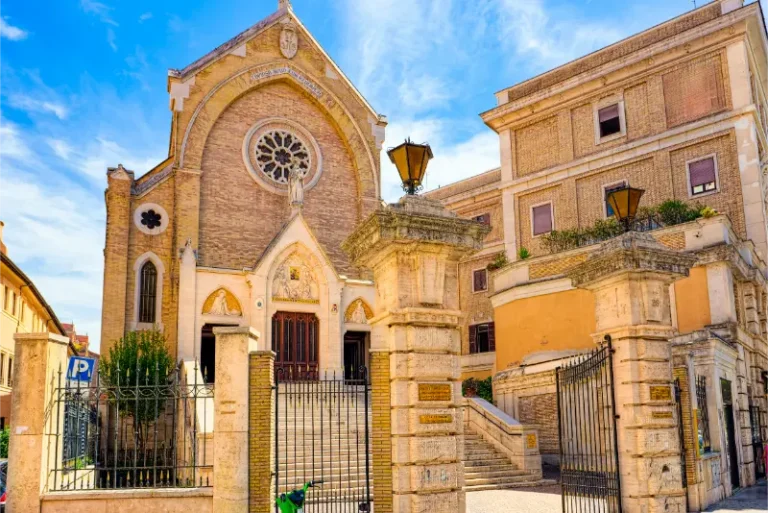
The museum is near the Basilica of Santa Croce in Gerusalemme, east of the historic center. Metro A stops such as San Giovanni or Manzoni can be used depending on your route, followed by a walk. It combines naturally with St John Lateran if that guide is in your itinerary, or with the Esquilino and Porta Maggiore areas.
If you are still choosing accommodation, our where to stay in Rome guide compares neighborhoods by transport, atmosphere and sightseeing style. Staying in a well-connected area makes specialist museums much easier to add without turning every day into a long commute.
How much time to allow
For a first visit, protect at least 60–90 minutes even when the museum is small. Arrival, ticketing, security, toilets and orientation all consume time, and house museums or specialist collections often reward slower observation more than their floor area suggests. Larger archaeological museums may justify two or three hours. If the venue uses timed entry, do not schedule another fixed reservation immediately afterward.
A useful rule is to leave a 30–45 minute buffer before the next important commitment. Rome’s buses can be delayed, park paths can be longer than expected and historic-center walking times increase when streets are crowded. A buffer also lets you stay when a museum turns out to be more interesting than expected rather than forcing an early exit.
Best time of day and season
A weekday morning offers a calm visit and is particularly good for visitors who want to read detailed labels without pressure. The museum is also a strong rainy-day choice. Because it is less famous than Rome’s blockbuster institutions, it can provide a welcome sense of discovery even in high season.
Season also affects the journey around the museum. In July and August, an indoor cultural stop can protect the hottest part of the day, while in winter earlier sunset makes it sensible to place parks and viewpoints before late-afternoon museums. Spring and autumn usually offer the easiest balance, but school groups and weekend events can make some institutions busier than expected.
Visiting with children
Musical children may enjoy identifying familiar instrument families and comparing shapes, but static display cases can be challenging for very young visitors. A good family strategy is to choose ten “most unusual” instruments together rather than reading every caption. If an educational event is available, prioritize it.
For broader family planning, see our Rome with kids guide and best museums for kids in Rome. A specialist museum usually works best when children have one simple mission—find a favorite object, sketch an unusual detail or choose three things to explain afterward—rather than being asked to follow every adult label.
Accessibility and comfort
The museum occupies a public cultural building rather than a ruin, but visitors who depend on step-free movement should confirm the current accessible entrance, lifts and any room closures. Temporary exhibition installation can alter the route.
Historic Rome has no single accessibility standard. A venue may be officially accessible while a temporary gallery, garden path or upper room remains difficult. Use our accessible Rome guide for city-level planning, but contact the museum directly when a step-free route, accessible toilet, lift or companion policy is essential.
What to combine nearby
Combine the museum with the Lateran area, Santa Croce in Gerusalemme or Esquilino. This is also a good morning stop before a food-focused afternoon because it rarely requires the kind of timed-entry logistics associated with the Vatican Museums or Colosseum.
The best museum combinations are usually geographic rather than thematic. Two extraordinary collections on opposite sides of Rome can create a poor day, while a modest church, park or neighborhood next door may make the route much more enjoyable. Check the actual walking path between entrances before you add another timed ticket.
A low-stress visit plan
- 24–48 hours before: check the official website for closures, restoration notices, special exhibitions and ticket changes.
- Before leaving: save your ticket or reservation and confirm the exact entrance on the map.
- On arrival: identify the two or three sections you most want to see before following secondary rooms.
- Halfway through: pause briefly rather than continuing after concentration drops; a short reset improves the rest of the visit.
- At the end: leave enough buffer for the walk or transport to your next stop instead of scheduling every minute.
- If something is closed: use the surrounding neighborhood as part of the day rather than crossing Rome immediately for a replacement.
Ticket strategy and common mistakes
One common mistake is assuming every Rome museum needs advance booking. Some do, some only recommend it, and others are designed for walk-in visits. The opposite mistake is assuming a small museum can always be visited spontaneously: house museums may use tiny timed groups, while temporary exhibitions can suddenly increase demand. Follow the venue’s actual booking rule rather than a generic Rome strategy.
Another mistake is relying on search-result snippets or old travel posts for current hours. This matters particularly in 2026 because several Roman institutions are undergoing PNRR work, restoration, exhibition installation or revised ticketing. If the official page and an older directory disagree, use the official notice. For a closed site, do not publish an optimistic timetable based on historical opening hours.
Food, water and practical breaks
Do not assume every small museum has a full café. Plan a neighborhood coffee or meal before or after the visit, and carry water in hot weather. Rome’s public drinking fountains can be useful between attractions—see our guide to drinking water in Rome—but liquids may need to remain closed or stored in exhibition spaces.
Photography and museum etiquette
Photography policies can vary by room, exhibition and lender. Flash, tripods and video may be restricted even when casual photography is allowed. House museums deserve extra care because visitors move through fragile furnished rooms rather than broad galleries. Never touch furniture or display surfaces, keep bags close to your body, and follow staff instructions when access to private apartments or storage areas is supervised.
Is this museum worth it on a first trip?
On a two-day first visit, the Colosseum, historic center and Vatican usually take priority. With four or five days, specialist museums become much easier to justify because they add variety and allow you to follow personal interests. Repeat visitors should be especially willing to choose them: Rome becomes more rewarding when the itinerary moves beyond the same ten famous landmarks.
If you are still building the overall schedule, compare our best things to do in Rome and Rome in 5 days guides. Use those pages as frameworks, then replace one generic stop with a museum that matches your interests in archaeology, contemporary art, fashion, music or design.

Frequently asked questions
How much is admission in 2026?
The official museum site lists €6 full price and €2 reduced for eligible EU visitors aged 18–25, with statutory free categories.
What are the opening hours?
Tuesday through Sunday 09:30–19:30, with last admission at 18:30.
Is the museum only for musicians?
No. The collection is also interesting for design, decorative arts, technology and social history.
How long do you need?
Around 60–90 minutes works for a general visit; musicians and instrument enthusiasts may want two hours or more.
Is it included in Roma Pass?
The museum’s official visitor information states that it participates in the Roma Pass and Roma & Più Pass circuit; verify current conditions when purchasing a pass.
Final advice
Build the museum into a coherent neighborhood day, verify the live information shortly before leaving and give yourself enough time to notice what makes the collection different. Rome’s smaller institutions are at their best when they are not treated as boxes to tick. A focused hour in a distinctive museum can be more memorable than rushing through another famous site simply because it appears on every itinerary.