Santa Maria dell’Orazione e Morte Rome: Macabre Church, Crypt and Via Giulia Guide
Santa Maria dell’Orazione e Morte is one of Rome’s most unusual churches, but it is not a casual walk-in attraction. On elegant Via Giulia, its Baroque façade is decorated with skulls, hourglasses and symbols of mortality. These are not theatrical additions for tourists: they reflect the mission of the confraternity that recovered and buried abandoned bodies, including people found in the Tiber or countryside.
The church was rebuilt in the eighteenth century by Ferdinando Fuga, while the surviving crypt preserves the strongest visual memory of the confraternity’s work. Turismo Roma currently states that access is by appointment, so this is a site to plan rather than assume will be open. Even from outside, however, the façade adds a powerful historical layer to a Via Giulia walk.
| Planning point | Useful detail |
|---|---|
| Location | Via Giulia 262, in the Regola district |
| Access | Turismo Roma states that the church is open only by appointment through the Associazione Amici del Tevere. |
| Cost | Access conditions depend on the arranged visit; confirm any donation or fee when booking. |
| Suggested time | 45–60 minutes when an appointment is available |
| Best for | Unusual Rome, confraternities, macabre art, Via Giulia and hidden churches |
Why Santa Maria dell’Orazione e Morte is worth visiting
Santa Maria dell’Orazione e Morte works best when you treat it as part of Rome rather than as a box to tick. Its value comes from the way art, architecture, worship and the surrounding streets reinforce one another. Because it is less crowded than the city’s headline monuments, you can usually spend more time observing materials, inscriptions and spatial details instead of following a fixed tourist flow.
For travelers building a deeper itinerary, Santa Maria dell’Orazione e Morte also provides useful contrast. Rome’s major basilicas show imperial scale and papal ceremony; smaller churches often reveal guilds, foreign communities, confraternities, neighborhood devotion and the practical history of local worship. That human scale is one reason these sites become memorable after the first trip.
History and context
The Compagnia dell’Orazione e della Morte developed in early modern Rome to provide Christian burial for abandoned dead who might otherwise remain unclaimed. The confraternity’s mission connected prayer, charity and the practical recovery of bodies.
A church stood here by the sixteenth century, but the present building belongs largely to an eighteenth-century rebuilding designed by Ferdinando Fuga. The architecture turns the theme of mortality into a coherent decorative language rather than hiding it.
The crypt formed part of the confraternity’s burial complex. Large sections of the cemetery were lost when the Tiber embankments were constructed, but surviving spaces retain bone decoration and inscriptions that make the institution’s purpose immediately tangible.
What to see
The macabre façade on Via Giulia
Look closely at the façade before thinking about the crypt. Skulls, winged skeletons and hourglass imagery frame the entrance, while inscriptions remind passersby of the inevitability of death.
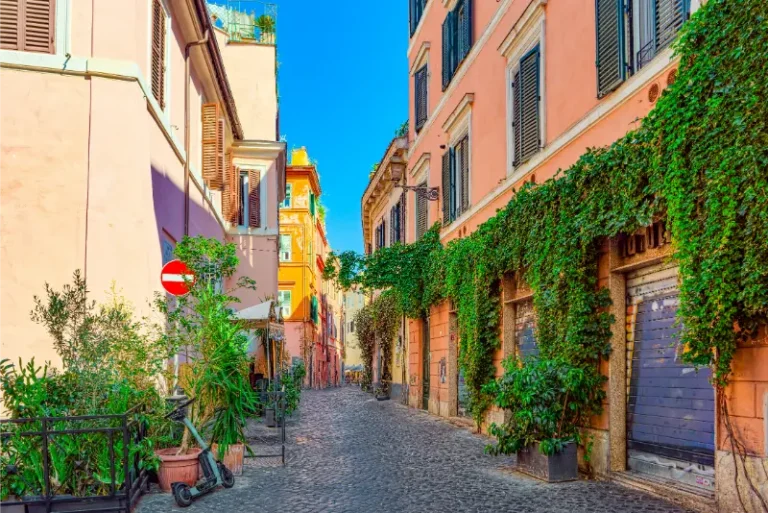
The effect is striking because Via Giulia is associated with elegant palaces and Renaissance urban planning. The church interrupts that refined streetscape with a public reminder of mortality and charity.
Ferdinando Fuga’s Baroque interior
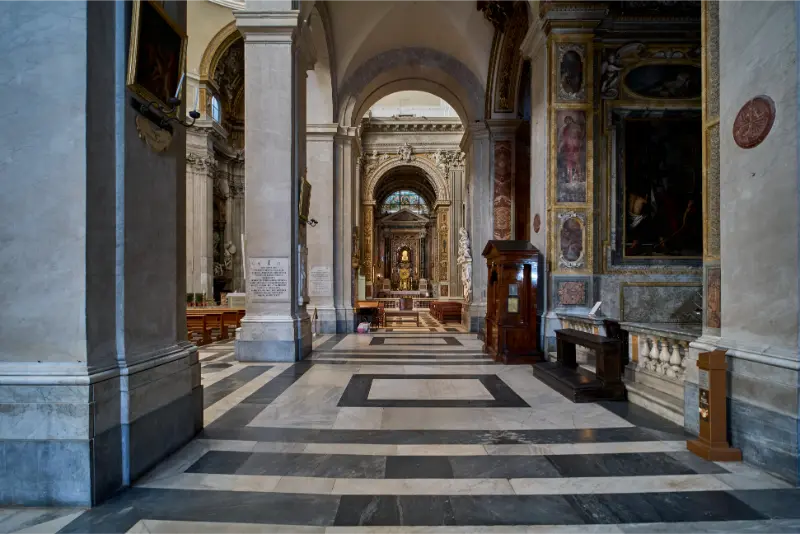
Inside, the oval forms and concave-convex movement create an intimate Baroque environment. Fuga’s architecture gives the building theatrical energy without requiring the enormous scale of Rome’s better-known Baroque churches.
Look at how curves guide the eye toward the altar. The spatial design helps turn a difficult subject—death—into a structured devotional experience rather than a collection of macabre objects.
Paintings and earlier works
The church preserves important paintings, including works associated with Giovanni Lanfranco and an altarpiece by Ciro Ferri. These pieces broaden the visit beyond the bone crypt and show that the church participated fully in Rome’s high-level artistic culture.
Do not let the unusual theme cause you to rush past the painting. The contrast between refined Baroque art and the confraternity’s practical burial mission is part of what makes the site historically complex.
The crypt and bone decoration
The crypt contains surviving human remains arranged in decorative forms, including skulls and bones. It should be approached as a burial and memorial space, not as a horror attraction.
Photography, behavior and language matter here. The bones belonged to real people recovered and buried through charitable work. Understanding that context turns the crypt from a curiosity into evidence of how early modern institutions responded to anonymous death.
How to plan your visit
Do not arrive expecting to enter spontaneously. The municipal tourism page states that the church is open only by appointment through the Associazione Amici del Tevere. Contact details and arrangements can change, so verify close to your trip.
If no appointment is available, include the exterior on a Via Giulia walk. The façade alone is historically significant, and nearby churches and palaces ensure the detour is still worthwhile.
After leaving Santa Maria dell’Orazione e Morte, spend a few minutes outside without immediately opening a map. Look at street width, building height, paving and the direction of pedestrian movement. The relationship between a church and its surroundings often explains why an entrance is modest, why a façade is viewed at an angle or why a bell tower dominates from one street but disappears from another. Rome’s sacred buildings were shaped by dense neighborhoods, not isolated museum plazas.
A useful way to visit Santa Maria dell’Orazione e Morte is to separate the experience into three passes. First read the architecture from the entrance without stopping for details. On the second pass, choose two or three works that explain the site’s history. Finally, return toward the door and look back at the space from the opposite direction. This simple method prevents a richly decorated Roman church from becoming a blur of names and helps you remember the relationship between structure, decoration and neighborhood context.
Practical tips before you go
- Check current access shortly before visiting, especially because liturgies, maintenance and special events can change normal routines.
- Dress for an active place of worship: shoulders and knees should be covered, and hats should normally be removed inside.
- Use silent camera settings and avoid flash unless staff or posted rules explicitly allow it.
- Do not place an inflexible timed attraction immediately after the visit; allow a small buffer for unexpected closures or ceremonies.
- Read one or two key historical points before entering so the architecture and artworks have context rather than becoming a list of unfamiliar names.
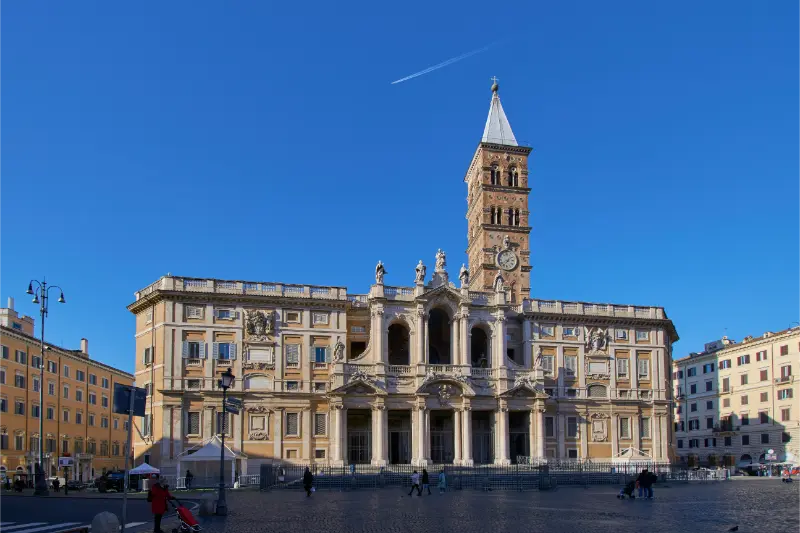
If the doors are closed when you arrive, do not force the itinerary. Santa Maria dell’Orazione e Morte sits in an area with other worthwhile sights, so use the nearby route below and return later if practical. This is often a better strategy in Rome than waiting outside an active church whose schedule has changed.
What to see nearby
Santa Maria dell’Orazione e Morte combines naturally with Via Giulia, Palazzo Spada, Campo de’ Fiori, San Giovanni dei Fiorentini. These nearby pages are already part of MyRomeTrip and can help readers turn one church visit into a coherent half-day rather than a disconnected detour.
Walk the length of Via Giulia from San Giovanni dei Fiorentini toward the Regola district, pausing at Santa Maria dell’Orazione e Morte whether or not you have an appointment. Continue toward Palazzo Spada and Campo de’ Fiori. The route keeps the church within a broader Renaissance-Baroque streetscape.
Who will enjoy this stop most?
This site is best for travelers interested in social history, confraternities, funerary culture and unusual Rome. It is not suitable for everyone: the crypt contains human remains, so sensitive visitors and families should decide in advance whether the subject matter is appropriate.
First-time visitors with only a few hours in Rome do not need to replace the Colosseum, Pantheon or Vatican with Santa Maria dell’Orazione e Morte. The better approach is to add it when geography already brings you nearby. Repeat visitors, art lovers and travelers who enjoy slower city exploration will usually get the greatest value from the stop.
Photography, accessibility and respectful visiting
Historic crypt access may involve stairs and restricted spaces, making it unsuitable for some visitors with mobility limitations. Ask about accessibility when arranging the appointment. Treat all human remains respectfully and follow any photography restrictions exactly.
One more practical approach is to spend the first five minutes inside Santa Maria dell’Orazione e Morte without taking photographs. Let your eyes adjust, identify the main axis and notice which details attract your attention naturally. Photograph afterward. This reduces screen time in a sacred space and usually results in better images because you understand the room before framing it.
Official information and changing access
For current access, services and special closures, consult the official or municipal information page: visitor information for Santa Maria dell’Orazione e Morte. Hours published online can change, particularly around feast days, restoration campaigns and liturgical events, so readers should verify details close to the day of the visit.
FAQ
Can you just walk into Santa Maria dell’Orazione e Morte?
No. Turismo Roma currently states that the church is open only by appointment.
Why are there skulls on the façade?
They refer to the confraternity’s mission of praying for and burying abandoned or unclaimed dead.
Is the bone crypt open every day?
No. Access depends on arranged visits and should be confirmed in advance.
What should I combine it with?
Via Giulia, San Giovanni dei Fiorentini, Palazzo Spada and Campo de’ Fiori form an excellent nearby route.
Final tips
Santa Maria dell’Orazione e Morte is the kind of place that makes a Rome itinerary feel more personal. It does not require the logistics of a major museum, but it rewards context, patience and respectful attention. Pair it with nearby sights, keep the timing flexible and focus on a few details rather than trying to memorize every name. That approach is often the difference between simply entering another church and actually understanding why the building belongs to the story of Rome.