Palazzo Bonaparte Rome: Exhibitions, Architecture and Visiting Guide
Palazzo Bonaparte is one of central Rome’s most visible exhibition venues, standing where Piazza Venezia meets Via del Corso. Many visitors recognize the façade and enclosed green balcony without knowing the building’s connection to Napoleon’s mother. Today the palace is best understood as a historic setting for major temporary art exhibitions rather than as a conventional permanent museum.
This guide focuses on what is actually useful when planning the visit: what makes the place distinctive, how much time to allow, how to reach it, who will enjoy it most and which nearby Rome sights combine naturally. Where 2026 prices or opening arrangements are mentioned, treat them as planning figures and recheck the official venue page shortly before travel because temporary events, maintenance and seasonal schedules can change.
| Planning point | Current practical detail | How to use it |
|---|---|---|
| Location | Piazza Venezia / Via del Corso, in the heart of central Rome | Check the exact entrance rather than navigating only to the attraction name. |
| Tickets / cost | Admission and hours depend on the temporary exhibition | Buy ahead when timed capacity or a major exhibition makes sell-outs possible. |
| Opening pattern | Kandinsky is scheduled September 15, 2026–February 14, 2027; current full ticket €18 | Recheck the live schedule close to the visit, especially around holidays and special events. |
Why visit Palazzo Bonaparte Rome
The palace dates to the seventeenth century and later became associated with Maria Letizia Ramolino Bonaparte, Napoleon’s mother, who lived there during the final years of her life. The small covered balcony projecting toward the street is the building’s signature feature and is traditionally linked with her habit of observing Roman life below. In the modern city, the restored palace has become a high-profile exhibition space operated through changing cultural programs.
The strongest reason to include this stop is contrast. Rome can become visually and mentally intense when every hour is built around famous monuments. A smaller museum, garden or focused attraction often makes the rest of the trip better because it changes the pace without requiring a full day. Decide whether this place matches your interests rather than adding it only because it appears on a list.
What to see and what deserves priority
Historic rooms
Even when visitors come for a temporary show, the palace setting matters. Staircases, decorated rooms and the scale of a noble residence create a different experience from a purpose-built white-cube gallery. Notice where exhibition walls and lighting adapt to historic architecture rather than ignoring it.
The green balcony
The covered balcony is one of the most recognizable details on Piazza Venezia. Its association with Madame Mère gives the palace a human story that is easy to remember after the artworks change. Exterior viewing is free, while interior access depends on the exhibition route.
Major temporary exhibitions
Palazzo Bonaparte does not have one permanent “must-see collection.” Its importance comes from rotating exhibitions, often devoted to internationally known artists or major thematic projects. Always research the current show before buying because your experience one year may be completely different the next.
Kandinsky 2026–27
From September 15, 2026 through February 14, 2027, the scheduled headline exhibition is dedicated to Wassily Kandinsky. The organizer lists extended evening hours on Friday through Sunday and recommends advance booking, particularly for busy dates.
Practical 2026 information
For September 2026, Palazzo Bonaparte is preparing the Kandinsky exhibition scheduled from September 15, 2026 to February 14, 2027. The organizer currently lists Monday–Thursday 09:00–19:30 and Friday–Sunday 09:00–21:00, with ticket office closing one hour before; the standard full ticket is €18. Future exhibitions will use different hours and prices.
For any attraction with a ticket, save the confirmation on your phone and keep a screenshot if mobile data is unreliable. For free parks and seasonal gardens, the equivalent habit is checking same-day municipal notices for closures caused by weather, maintenance or events. Rome changes constantly at street level, and a five-minute check before leaving the hotel can prevent a wasted cross-city journey.
How to get there
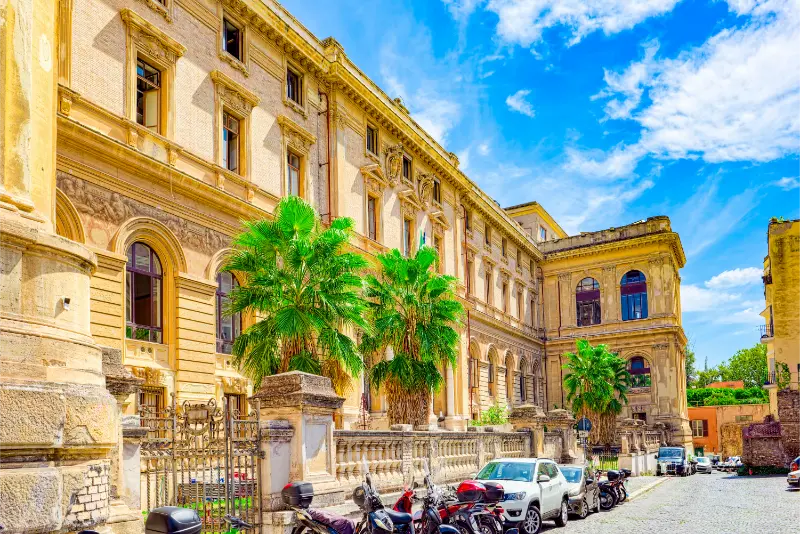
The palace is impossible to miss on Piazza Venezia at the beginning of Via del Corso. It can be reached on foot from the Pantheon, Trevi Fountain, Roman Forum and Capitoline area. Because central transport patterns continue to evolve around major works, walking from a nearby hub is often simpler than building the day around a single bus stop.
If you are deciding where to base yourself, staying centrally reduces the friction of adding places like this to a flexible itinerary. Our guide to where to stay in Rome compares neighborhoods by sightseeing style, while the button below lets you compare current accommodation options.
How much time to allow
Do not judge the visit only by the physical size of the site. A compact museum can require more concentration than a large park, while a garden can take longer simply because sitting and wandering are part of the point. For a first visit, reserve a realistic block that includes arrival, toilets, a short break and the walk to your next stop. If you finish early, Rome always provides something nearby; if you schedule too tightly, the visit becomes stressful.
A good rule is to protect the first hour from competing reservations. Do not book another timed ticket across town immediately afterward. Central Rome looks small on a map, but heat, crowds, road crossings, station corridors and family logistics add time. Leaving a buffer also lets you stay when the place turns out to be better than expected.
Best time of day and best season
The best time depends on the exhibition. For a major blockbuster show, weekday mornings or later evening slots can reduce pressure compared with weekend afternoons. In 2026, the Kandinsky schedule includes longer Friday–Sunday opening, creating useful options after daytime sightseeing. Always allow for security and ticket checks before your timed entry.

Light and temperature matter even for indoor attractions because the journey before and after is part of the day. In July and August, reducing outdoor travel during the hottest hours can be more important than chasing the theoretically quietest museum slot. In winter, remember that parks and gardens lose daylight early. Spring and autumn usually offer the easiest balance, but they can also bring school groups and busy weekends.
Visiting with children
Suitability depends entirely on the show. A colorful modern-art exhibition can work well with school-age children if the visit is kept focused; a dense historical show may be harder. Families should check whether the organizer offers child labels, audio content or workshops instead of assuming that a famous artist automatically means a family-friendly format.
If Rome is primarily a family trip, build the day around one anchor experience and one flexible activity. Our Rome with kids guide explains how to balance major landmarks with parks, food stops and downtime. Children rarely remember that you covered every item on an adult checklist; they remember the place where they were allowed to explore, rest or choose what happened next.
Accessibility and comfort
Temporary exhibition organizers usually publish accessibility details for each event. The historic building has been adapted for public exhibitions, but visitors needing precise lift, wheelchair or companion information should confirm it on the current show page. This is especially important because exhibition routes may change from one installation to another.

Accessibility in Rome is highly site-specific. Historic paving, slopes, lifts and temporary maintenance can change the practical route even when a venue is officially accessible. Use our accessible Rome guide for broader planning, but contact the attraction directly when a step-free route, accessible toilet, wheelchair loan or companion policy is essential to the visit.
What to combine nearby
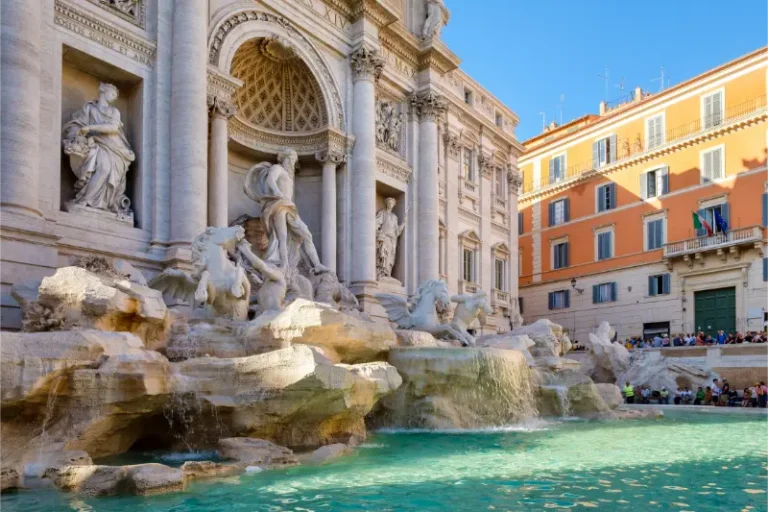
Palazzo Bonaparte is perfectly placed for a central-Rome art-and-history day. Pair it with the Vittoriano, Palazzo Venezia or the Capitoline area, but avoid booking two major timed exhibitions with no buffer. For a lighter plan, visit the show and then follow our historic center walking route toward Trevi, Pantheon and Piazza Navona.
The best combinations are geographic, not thematic. Two fascinating attractions can make a poor day if they sit on opposite sides of Rome, while a modest church, park or piazza next door can create a much more satisfying route. Before adding another ticket, look at the walking path between stops and ask whether the transition itself is interesting.
A simple visit plan
- Before leaving: verify live opening hours, ticket conditions and any temporary closure or special event.
- On arrival: identify toilets, exits and the section you most want to see before following secondary interests.
- First half: prioritize the distinctive feature that justified the visit rather than spending energy on minor displays first.
- Break: pause before attention drops; water and a ten-minute sit often improve the second half of the visit.
- Final section: revisit one favorite area or choose a nearby stop instead of forcing completion for its own sake.
- Afterward: keep the next stage flexible enough to absorb delays, weather or a meal that lasts longer than planned.
Common planning mistakes
The first mistake is treating every Rome attraction as if it worked like the Colosseum. Some places require timed reservations; others are seasonal; others are simply best when you arrive without pressure. The second mistake is relying on a years-old blog post for hours and prices. Municipal museums and private exhibition venues can change tariffs, free-entry rules and schedules, while gardens can close because of weather or maintenance.
Another mistake is underestimating the transition between attractions. A “20-minute journey” may not include the walk out of a park, waiting for a bus or finding the correct entrance. Finally, do not confuse popularity with suitability. A quiet specialist museum can be a highlight for one traveler and a poor use of limited time for another. Match the stop to your interests and trip length.
Food, water and breaks
Carry water, especially from late spring through early autumn. Rome’s public drinking fountains can help in the wider city—see our Rome drinking water guide—but do not assume a fountain is located exactly where you need it inside every venue. For food, it is usually better to plan a neighborhood meal before or after the visit rather than depending on an internal café whose hours may differ from the attraction itself.
Photography and visitor etiquette
Photography rules vary. Outdoor public parks usually allow casual personal photography, while museums and temporary exhibitions may restrict flash, tripods, video or specific works. Always follow the sign in the room rather than an old online comment. In family attractions and memorial museums, be especially thoughtful about photographing other visitors. At remembrance sites, the dignity of the place matters more than producing content.
Is it worth adding to a first Rome trip?
For a two-day first visit, Rome’s essential ancient and Vatican sights usually come first. With four or five days, specialized attractions become much easier to justify because they add variety and reduce the feeling that every day is a race through headline landmarks. Repeat visitors should be even more willing to choose places like this: the city becomes richer when you stop measuring value only by fame.
If you are still shaping the overall schedule, compare our best things to do in Rome and Rome in 5 days guides. Use them as frameworks, then replace one famous stop with a more specific interest when that will make the trip feel more personal.
Frequently asked questions
Is Palazzo Bonaparte a permanent museum?
It functions primarily as a venue for temporary exhibitions, so the content, ticket price and opening hours change with the program.
What is the palace famous for?
It is strongly associated with Maria Letizia Ramolino Bonaparte, Napoleon’s mother, and with the distinctive covered green balcony overlooking central Rome.
What exhibition is scheduled for late 2026?
A major Kandinsky exhibition is scheduled from September 15, 2026 to February 14, 2027.
How much is the Kandinsky exhibition?
The organizer currently lists a full ticket at €18, with reduced categories and other conditions. Booking fees or special tickets may apply.
How long should I allow?
For a major temporary exhibition, allow roughly 90 minutes to two hours, plus entry time. Art enthusiasts may want longer depending on the number of works and audio content.
Final advice
Use this attraction as part of a coherent day rather than an isolated pin on a map. Verify the live information shortly before leaving, give yourself enough time to enjoy the distinctive parts, and keep the next step flexible. Rome rewards travelers who alternate major monuments with smaller places where attention can reset and the city can be experienced at a more human pace.