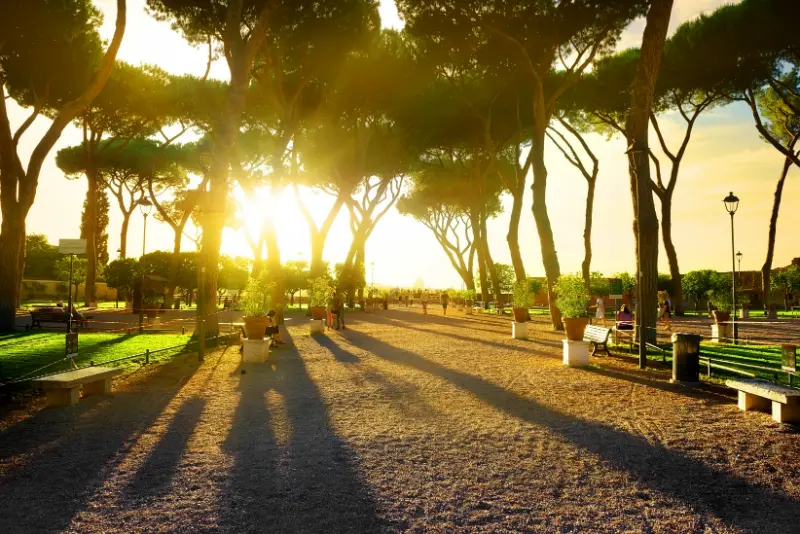
Best Parks and Gardens in Rome: 12 Green Spaces Worth Exploring
Rome is famous for stone, ruins and churches, but its green spaces are one of the easiest ways to improve a crowded sightseeing itinerary. A park can give you shade, space, views and a completely different rhythm without requiring another museum ticket. The city’s official tourism portal lists an extensive network of parks and gardens, from historic villas to archaeological landscapes.
This guide focuses on green spaces that are genuinely useful to visitors: places that can be combined with major sights, used for a family break or visited as destinations in their own right. For a deeper look at the best-known central park, see our Villa Borghese guide.
1. Villa Borghese
Villa Borghese is the most convenient major park for first-time visitors because it sits between the historic center, Piazza del Popolo and the Galleria Borghese. It combines formal gardens, shaded paths, museums, viewpoints and family attractions.
Use it as a transition between the Galleria Borghese and the Pincian Terrace rather than trying to “complete” the entire park. Its size makes wandering more rewarding than checklist sightseeing.
2. Villa Doria Pamphilj
Villa Doria Pamphilj is one of Rome’s largest historic parks and feels much more spacious than the center. It is excellent for running, long walks and a break from dense monument areas.
Because it lies west of the historic core, it works best as a deliberate half-day or as part of a stay near Monteverde rather than a quick detour between central sights.
3. Parco della Caffarella
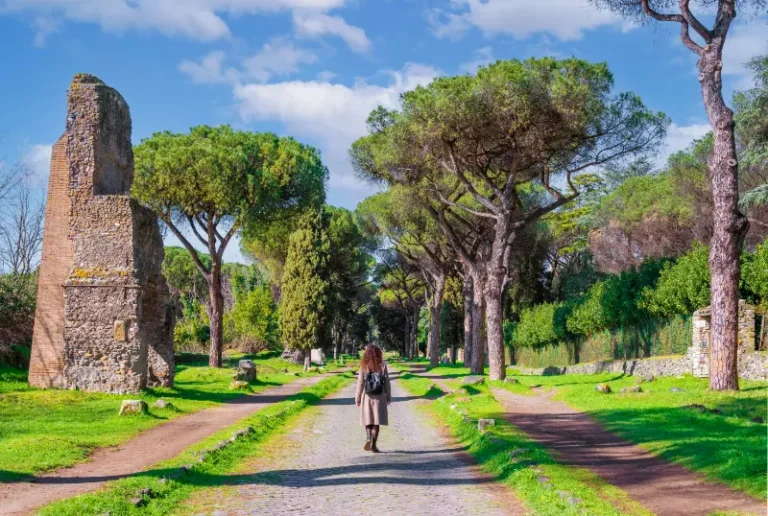
Caffarella forms part of the broader Appian Way landscape and combines open green space with archaeology, farm history and a more rural atmosphere. The official Rome tourism network includes the park among the city’s green spaces.
Pair it with the Appian Way if you want a day that feels far removed from central traffic.
4. Orange Garden on the Aventine
The Giardino degli Aranci is small compared with Rome’s major villas, but its panoramic terrace makes it one of the most rewarding short green stops. It pairs naturally with Santa Sabina and the Aventine Keyhole.
Sunset is popular. For a quieter experience, visit earlier and use the Aventine route as a complete neighborhood walk.
5. Pincian Gardens
The Pincio sits above Piazza del Popolo and connects directly with Villa Borghese. The terrace is more famous than the garden itself, but the combination of trees, paths and panoramic city views makes it useful at the end of a historic-center day.
Approach from Piazza del Popolo if you are comfortable with the climb, or enter from the Villa Borghese side for a more gradual route.
6. Villa Celimontana
Villa Celimontana provides a quieter green break near the Colosseum and Celian Hill. It is useful when you want space after the intensity of the archaeological area without traveling far across the city.
Combine it with nearby churches rather than treating it as a major standalone attraction.
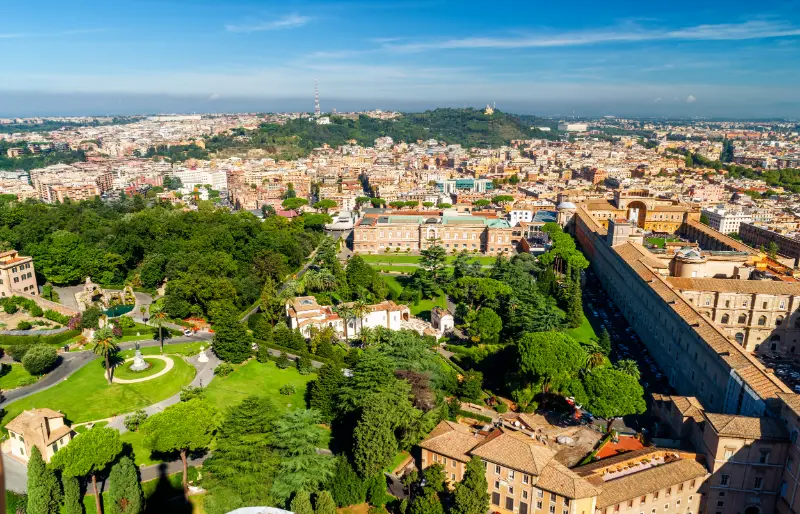
7. Colle Oppio Park
Colle Oppio overlooks parts of the Colosseum area and contains archaeological remains associated with the Baths of Trajan and the Domus Aurea zone. Rome’s tourism portal highlighted restoration and enhancement work completed in 2026.
The park can be a useful place to reset after the Colosseum, but current access to individual archaeological areas should always be checked separately.
8. Janiculum green spaces
The Janiculum is more promenade and viewpoint landscape than classic park, but its tree-lined routes and panoramic stops make it one of Rome’s best elevated walks.
See our Janiculum Hill guide for the noon cannon and route planning.
9. Gardens around Castel Sant’Angelo
The Mole Adriana gardens around Castel Sant’Angelo offer a practical riverside break in a busy sightseeing zone. They are especially useful for families who need space after the museum or before crossing toward the Vatican.
Think of them as a recovery stop rather than a destination that needs extensive planning.
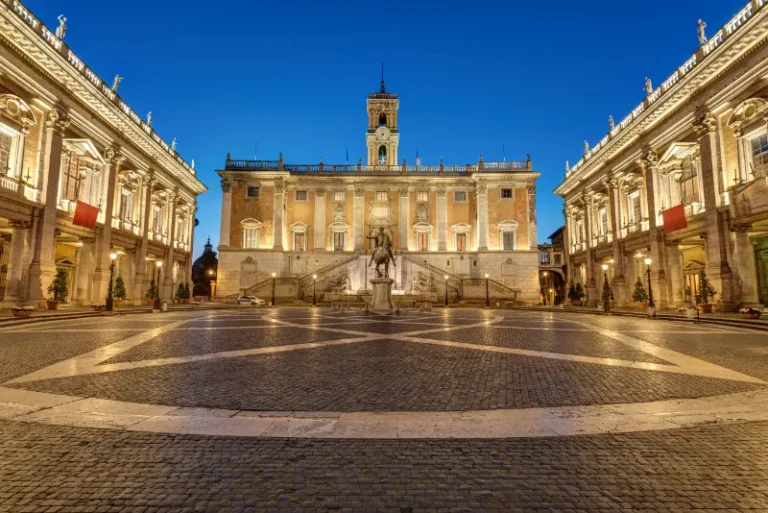
10. Capitoline Gardens
The gardens on the slopes of the Capitoline Hill are less famous than the piazza above them but offer green relief in the center of monumental Rome. The official tourism portal lists them among the city’s parks and gardens.
They work best as part of a Capitoline, Jewish Ghetto or Theatre of Marcellus route.
11. Botanical Garden of Rome
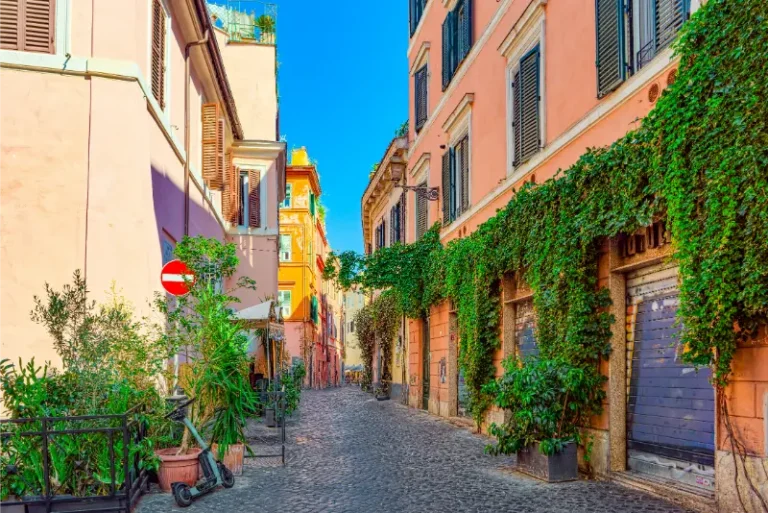
The Orto Botanico in Trastevere is a more structured garden experience and can be a good alternative to crowded central attractions. Opening arrangements and ticket details can change, so verify them on the official university or garden source before visiting.
Its location makes it easy to combine with a quieter daytime exploration of Trastevere.
12. Smaller neighborhood parks
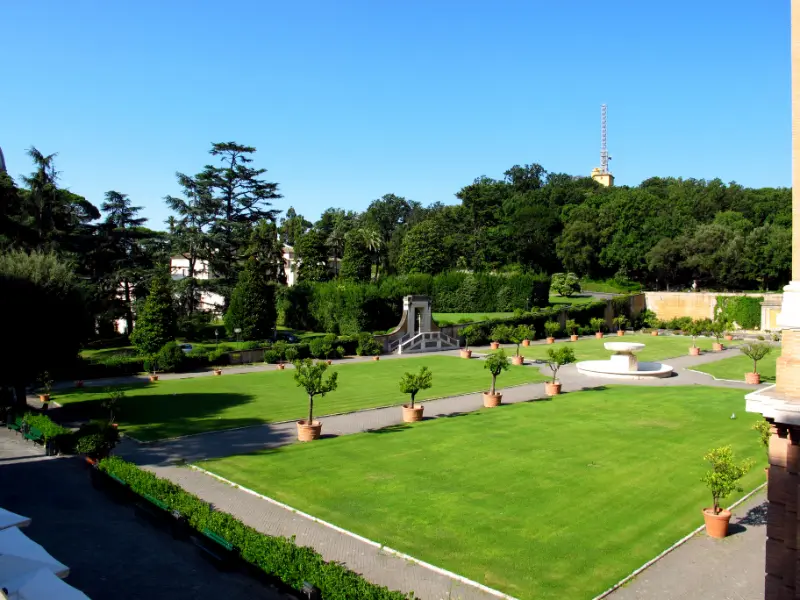
Rome contains many local parks that are not major tourist destinations. If you are staying outside the historic center, ask the hotel about nearby green spaces rather than traveling across the city simply to sit under trees.
For longer stays, using the nearest park can reveal a side of daily Roman life that famous villas cannot reproduce.
Practical planning tips
Rome’s official tourism site maintains a parks-and-gardens directory at Turismo Roma. Check individual opening rules where relevant, especially for formal gardens and ticketed sites. In summer, parks are most useful in the morning and late afternoon rather than at the hottest part of the day.
Rome rewards realistic pacing. Distances that look short on a map can take longer because of cobblestones, traffic lights, security checks, photographs and spontaneous stops. Keep some margin around reservations and do not build the day so tightly that one delayed bus or a longer lunch ruins everything that follows.
Who this guide is best for
Parks are especially useful for families, runners, repeat visitors, summer travelers and anyone building a slower itinerary. They also help first-time visitors recover between dense monument days.
Frequently asked questions
What is the best park in central Rome?
Villa Borghese is the most convenient major park for most first-time visitors because of its location and variety.
Which Rome park is best for a long walk?
Villa Doria Pamphilj and Caffarella are stronger choices for longer, more spacious walks.
Are Rome parks free?
Many public parks and gardens are free, but some formal gardens, museums or attractions inside them may charge admission.
Final advice
Do not treat Rome’s parks as empty space between monuments. Use them deliberately: Villa Borghese for a central reset, Caffarella for archaeology and landscape, Villa Doria Pamphilj for real breathing room and the Orange Garden for a short panoramic pause.
Build the day around one clear priority
Choose one experience that would make the day feel successful even if the schedule changes. Once that priority is protected, the rest of the route can stay flexible. This is especially useful in Rome, where a church may close for a service, a bus may be delayed or a neighborhood may simply deserve more time than expected. The best travel plans are structured enough to prevent wasted time but loose enough to let the city surprise you.
Use neighborhoods, not isolated pins
Whenever possible, group stops by area. Crossing Rome repeatedly is one of the easiest ways to lose energy. A morning in the historic center, an afternoon around Villa Borghese or a focused walk through Trastevere usually works better than chasing individually famous places scattered across the city. This also creates more natural opportunities for coffee, lunch and small discoveries between the main sights.
Check only the details that can actually change
Before leaving, verify the few operational details that matter for that specific day: opening hours, timed-entry rules, transport disruptions and temporary closures. Keep the broader advice stable. This approach prevents overplanning and also protects you from relying on an old screenshot or a timetable that has changed since you first organized the trip.
Plan for comfort as well as sightseeing
A refillable water bottle, supportive shoes and a short seated break can improve a Rome day more than adding one extra attraction. In warm weather, move exposed walks toward early morning and evening. In cooler months, use the strongest daylight for parks and viewpoints. Families, older travelers and anyone with mobility concerns should judge routes by surfaces and elevation, not just distance.
Protect your best hours
The first hours of the morning and the period around sunset are unusually valuable in Rome. Early starts reduce crowd pressure at outdoor landmarks, while late afternoon gives better light and a more relaxed atmosphere for piazzas, bridges and viewpoints. Use the middle of the day for lunch, churches, museums or transport when weather and crowds make long outdoor walks less pleasant. This simple rhythm often improves both photographs and energy.
Make reservations serve the itinerary
Timed tickets should anchor the day, not dominate it. Book only the attractions that genuinely benefit from advance reservations, then place flexible sights nearby. If a reservation requires crossing the city at the wrong moment, reconsider the slot rather than forcing the entire day around it. Keep confirmation emails available offline and verify the official entry point, because large attractions can have multiple gates and security lines.
Leave space for Rome itself
Some of the most memorable moments in Rome happen between planned stops: a church with an open door, a market stall, a quiet courtyard, a neighborhood bakery or a sudden view of a dome at the end of a street. A schedule with no breathing room removes the possibility of those discoveries. Protect the essential sights, but leave enough unscheduled time to stop when something genuinely catches your attention.