Aventine Hill Rome: Orange Garden, Keyhole and Quiet Sights
The Aventine Hill is where Rome briefly changes tempo. It is close to the Circus Maximus and only a short walk from the busiest ancient sights, yet its residential streets, gardens, churches and views feel noticeably calmer. For travelers who want one beautiful area that does not require a timed ticket, the Aventine is one of the easiest recommendations in the city.
Most people come for the Orange Garden and the famous Knights of Malta keyhole, but the hill is more rewarding when you treat those as stops within a walk rather than isolated photo opportunities. Early morning, late afternoon and the hour before sunset are especially atmospheric.
Why visit the Aventine Hill?
The Aventine gives you three things at once: panoramic Rome, early Christian churches and a neighborhood atmosphere that contrasts with the historic center. It also fits naturally between larger attractions, which means you can use it as a restorative hour instead of another high-effort sightseeing block.
The hill is particularly good for couples, photographers, repeat visitors and families who need a quieter outdoor break. It also connects easily with Testaccio, the Baths of Caracalla and the Circus Maximus.
Orange Garden: Giardino degli Aranci
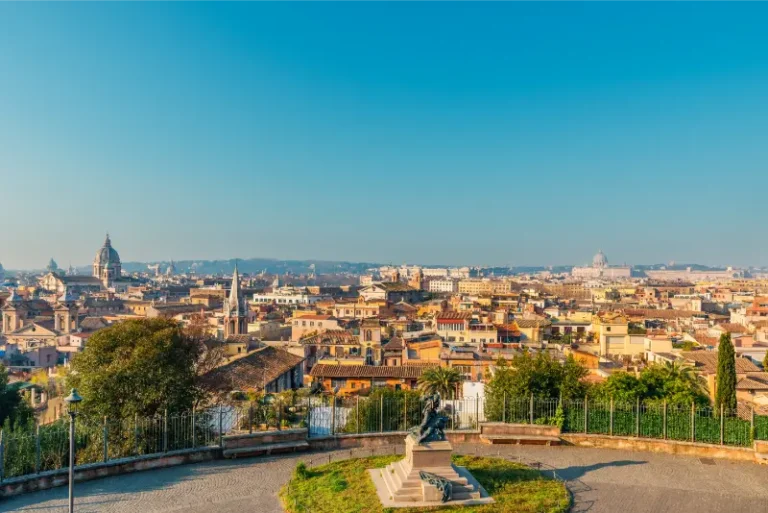
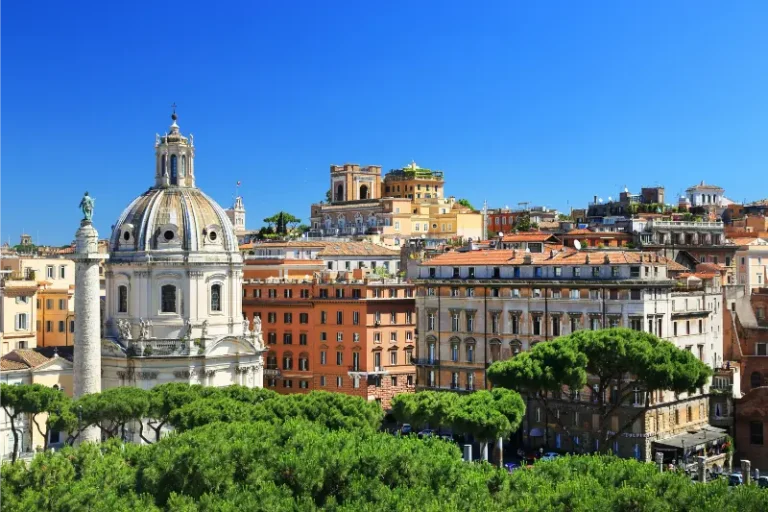
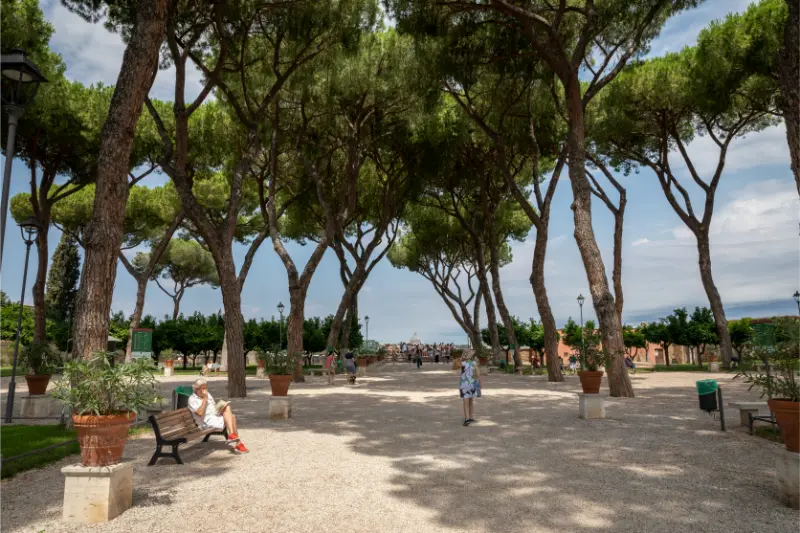
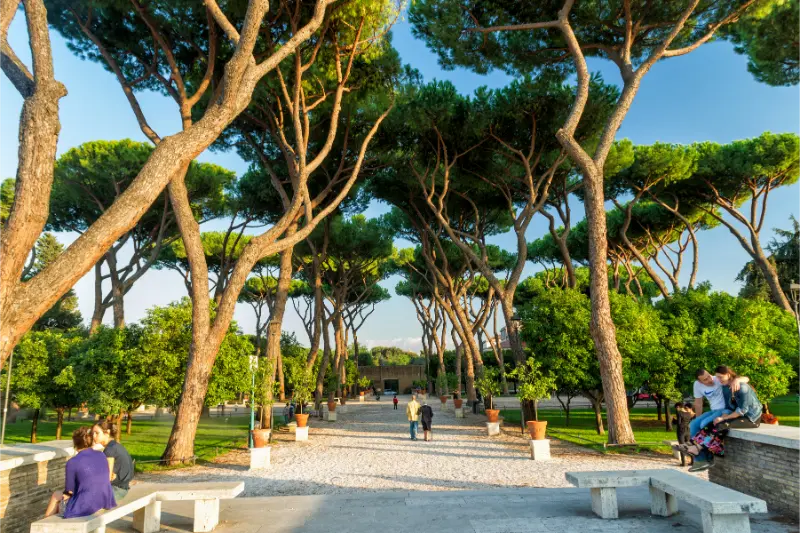
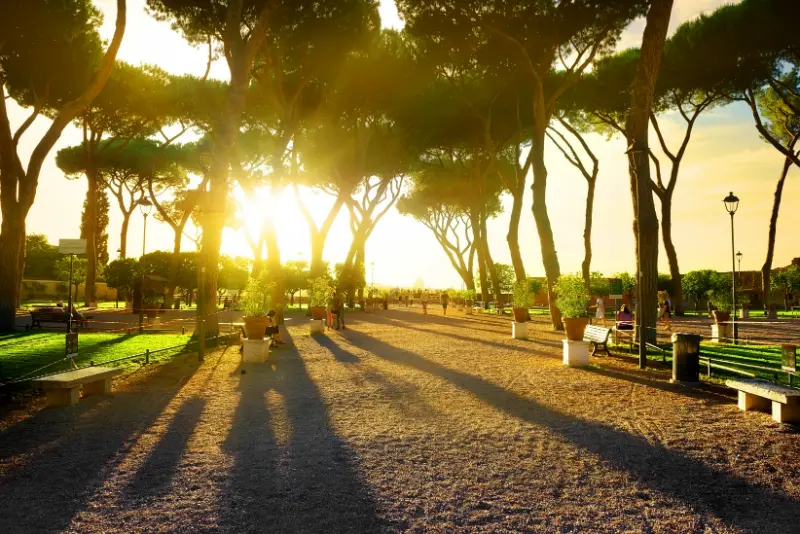
The Orange Garden, officially Parco Savello, is the Aventine’s classic viewpoint. The terrace looks across the Tiber toward the dome of St. Peter’s and the historic skyline. The geometry of the garden and the framed view make it popular around sunset.
If you want photographs without a dense crowd, come earlier in the day. Sunset is beautiful but not secret. The park can also host maintenance or temporary restrictions, so treat the view as the highlight rather than building a rigid schedule around a specific bench.
The Knights of Malta Keyhole
A short walk away, the keyhole in the gate of the Priory of the Knights of Malta creates a famous framed view of St. Peter’s dome. The effect comes from the alignment of the garden avenue and distant basilica. You are looking through an ordinary keyhole, which is why the experience feels playful despite the grand subject.
Queues can form because each person needs a moment at the door. Go early or accept that the line is part of the stop. Do not block traffic or residential access for photographs.
Santa Sabina
The Basilica of Santa Sabina is one of the great reasons to spend longer on the hill. Its restrained early Christian interior, columns and luminous nave feel very different from Rome’s later Baroque churches. The basilica stands beside the Orange Garden, so there is no reason to skip it when open.
Dress appropriately for a church visit and avoid sightseeing during liturgical services. The calm interior is part of the experience; this is not a place to rush through only because it is next to a viewpoint.
Santi Bonifacio e Alessio
The nearby Basilica of Saints Boniface and Alexius adds another layer of religious history and a quieter courtyard atmosphere. It is less famous than Santa Sabina, which makes it a good stop when you want to explore rather than simply move between social-media landmarks.
The Municipal Rose Garden
The Roseto Comunale lies on the slope above the Circus Maximus and is especially appealing during its seasonal opening period, typically linked to the flowering months. Because the garden is not open year-round, verify current dates before building it into your route.
When open, it creates a beautiful transition between the archaeological valley and the residential hill. Even when it is closed, the walk around the area still offers changing views toward the Palatine.
Circus Maximus and the climb up
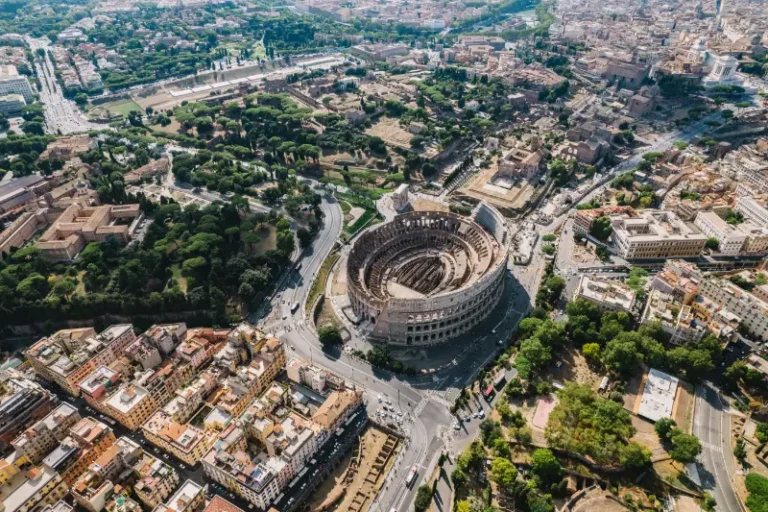
Approaching from the Circus Maximus gives the Aventine walk a sense of progression. The huge ancient racing ground opens beneath the Palatine, then the streets become greener and quieter as you climb. The ascent is noticeable but short for most reasonably mobile travelers.
If mobility or heat is a concern, use public transport or a taxi to reduce the uphill section, then walk downhill afterward. Our Rome transport guide covers the practical network basics.
Aventine to Testaccio
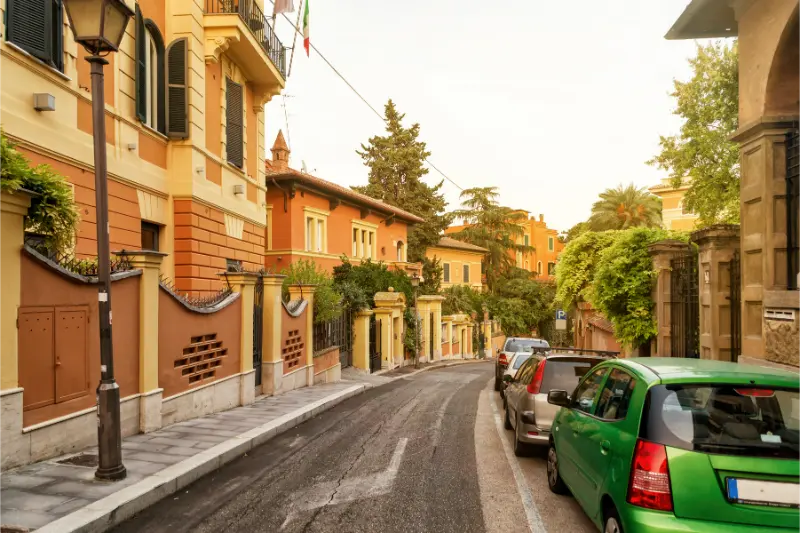
Instead of returning toward the historic center, continue downhill into Testaccio for market food, traditional Roman cooking and a more local evening. This is one of the best ways to turn the Aventine from a one-hour viewpoint stop into a half-day neighborhood route.
See our Testaccio guide for the market, restaurants and sights around Monte Testaccio and the Pyramid area.
Best time to visit
Late afternoon is the classic choice because the light improves and the Orange Garden becomes atmospheric. Early morning is better for the keyhole and quiet church visits. In hot weather, avoid the middle of the day; there is shade in parts of the hill, but the approach from Circus Maximus can feel exposed.
How to fit this into a Rome itinerary
Allow two to three hours for a relaxed route from Circus Maximus to the Rose Garden area, Santa Sabina, Orange Garden and keyhole, then continue toward Testaccio for lunch or dinner. If you are visiting the Baths of Caracalla, place them before the hill so the day moves from monumental archaeology into quieter streets and views.
Rome is easier when each day has one or two fixed anchors rather than six timed reservations. Leave walking space between major sights, especially in the historic center where a ten-minute route on a map often becomes a thirty-minute detour once you stop for a church, fountain or coffee. If you are building a first trip, compare this plan with our 5-day Rome itinerary and adjust the pace to your interests.
Booking, opening hours and last-minute changes
The core Aventine walk does not require advance booking. Church access depends on services and daily opening hours, and the municipal Rose Garden is seasonal. The keyhole is visible from a public street, but the surrounding priory is not simply an open tourist attraction. Respect closures, residents and religious spaces.
Opening hours in Rome can change for restoration work, public holidays, religious ceremonies, strikes, heat measures and special events. Check the official website again shortly before you go, save digital tickets offline and avoid scheduling a second non-refundable activity immediately after a major museum or archaeological site. A little margin is often more valuable than squeezing one extra attraction into the day.
Food, water and walking strategy
Rome sightseeing is physical even when you use buses and the metro. Wear shoes that are comfortable on cobblestones and uneven archaeological surfaces, carry a refillable bottle and use the city’s public drinking fountains when appropriate. In hot weather, move outdoor sightseeing toward morning and late afternoon; in winter, remember that daylight disappears much earlier and some archaeological sites close correspondingly early.
For meals, walk a street or two away from the most photographed landmark, read the menu before sitting down and choose a place because the food suits you rather than because someone is calling from the pavement. A bakery, pizza al taglio counter or simple trattoria often fits a sightseeing day better than a long formal lunch. Our Roman food guide explains the dishes worth looking for.
A practical checklist before you go
- Confirm the latest official opening hours and any timed-entry requirement.
- Save tickets, confirmations and an offline map on your phone.
- Allow at least 20–30 minutes of buffer around important reservations.
- Carry water and dress for the season rather than for photographs alone.
- Check transport disruptions on the day, especially if your plan depends on buses or regional trains.
- Keep valuables secure in crowded transport and around major tourist bottlenecks.
- Leave enough unscheduled time to enjoy Rome rather than simply moving between reservations.
Frequently asked questions
Is the Aventine Hill free to visit?
Yes. The streets, Orange Garden and keyhole viewpoint are free. Individual churches are generally free to enter when open, while special sites or events may have their own arrangements.
How long does the Aventine Hill take?
About two hours is comfortable for the main viewpoints and churches. Add more time if the Rose Garden is open or if you continue into Testaccio.
Is the Aventine Hill worth visiting on a first trip?
Yes if you have at least three or four days. It adds quiet, views and neighborhood character without requiring another timed attraction.
Final advice
The Aventine works because it is not trying to overwhelm you. It gives you a dome in the distance, a cool basilica, a garden wall, a strange little keyhole and the feeling that central Rome can still become quiet. Visit it as a walk, not a photo stop, and it will probably become one of the parts of the city you remember most clearly.
Deeper planning: pace, expectations and local context
When planning around Aventine Hill Rome, the most useful question is not simply “Can I fit this in?” but “What will the rest of the day feel like afterward?” Rome combines heat, hard walking surfaces, security checks and sensory overload. A plan that looks light on paper can be tiring in practice, especially after a large museum or archaeological site. Build the day so that the second half is easier than the first: a neighborhood walk after a museum, a long lunch after archaeology, or a viewpoint after a structured tour.
Pay attention to geography as well as attraction rankings. Crossing Rome repeatedly for individually famous places wastes energy and makes transport disruption more important. Group sights by area and accept that a second-tier attraction next door can be a better choice than a headline sight forty minutes away. This is also how you discover churches, courtyards, bakeries and streets that never appear on a “top ten” list.
Finally, decide what success looks like before the day begins. For some travelers it is photographs and major monuments; for others it is art, food, history, family time or simply feeling the city. Rome supports all of these styles, but not always in the same schedule. A strong itinerary is selective on purpose, and that selectivity is what turns practical travel advice into a better experience.