Monti Rome Guide: Ancient Streets, Food and Local Atmosphere
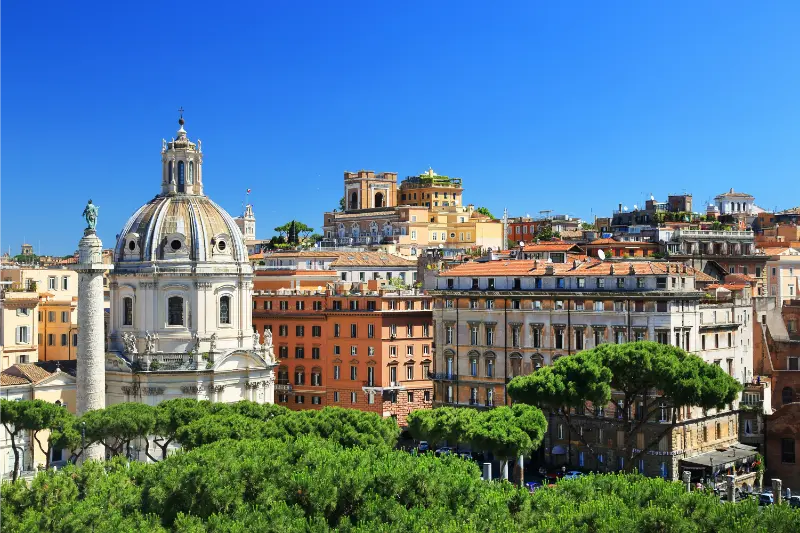
Monti is one of the easiest neighborhoods to love on a first trip to Rome because it sits beside some of the city’s biggest monuments while still feeling like a place where people live, meet friends and stop for coffee. Narrow streets climb away from the Imperial Fora, ivy-covered façades alternate with small boutiques, and the neighborhood becomes especially lively around aperitivo time.
It is not a hidden secret—Monti is firmly on the visitor map—but it still works as an antidote to spending the entire day inside archaeological sites. After the Colosseum and Roman Forum, a slow walk through Monti can be exactly what you need.
Where is Monti?
Monti lies between the Colosseum area, Via Nazionale, Santa Maria Maggiore and the slopes toward the Esquiline. The exact neighborhood boundaries are broader than the small cluster most travelers experience, but the streets around Via dei Serpenti, Via del Boschetto and Piazza della Madonna dei Monti form the social heart of a typical visit.
Why stay in Monti?
Monti is excellent for travelers who want to be close to Ancient Rome without sleeping directly beside a monument. The Colosseum is walkable, Termini is reachable, and metro access can be useful for longer journeys. The trade-off is that some streets are hilly and nightlife noise varies by block.
Compare Monti with Trastevere, Prati, Testaccio and the historic center in our where to stay in Rome guide.
Piazza della Madonna dei Monti
This small piazza functions like an outdoor living room. People gather around the fountain, meet before dinner and spill out from nearby bars. It is not a monumental square on the scale of Piazza Navona; its appeal is precisely the everyday social atmosphere.
Via dei Serpenti and Via del Boschetto
These streets are ideal for wandering without a strict checklist. Independent shops, cafés, restaurants and small design businesses give Monti a different rhythm from luxury shopping around Piazza di Spagna. Vintage and second-hand fashion are also associated with the district.
For a broader retail overview, read our shopping in Rome guide.
Santa Maria Maggiore
On the edge of the neighborhood, the Basilica of Santa Maria Maggiore is one of Rome’s major papal basilicas and an essential stop if you enjoy churches, mosaics and layered Christian history. It can be paired with Monti even if your main day is focused on the Colosseum because the walk between them reveals a less polished, more varied side of the center.
San Pietro in Vincoli and Michelangelo’s Moses
Another major cultural stop is San Pietro in Vincoli, known for Michelangelo’s Moses and the chains traditionally associated with St. Peter. Opening hours in Roman churches can include midday closures, services and unexpected changes, so avoid building an inflexible schedule around a single church.
The view toward the Colosseum
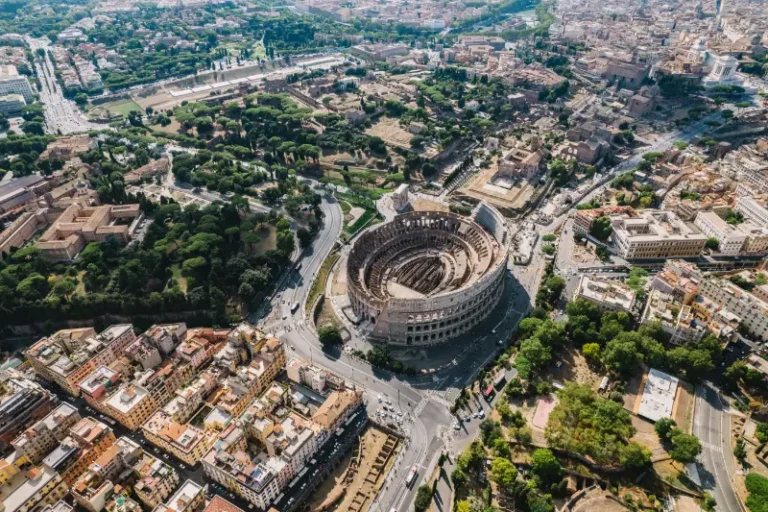
One of Monti’s pleasures is catching sudden views of the Colosseum between streets and elevated positions. Rather than rushing to a famous photo point, walk the slopes around Via degli Annibaldi and the surrounding area, respecting current access arrangements and construction zones. The monument often appears unexpectedly at the end of a street.
Eating in Monti
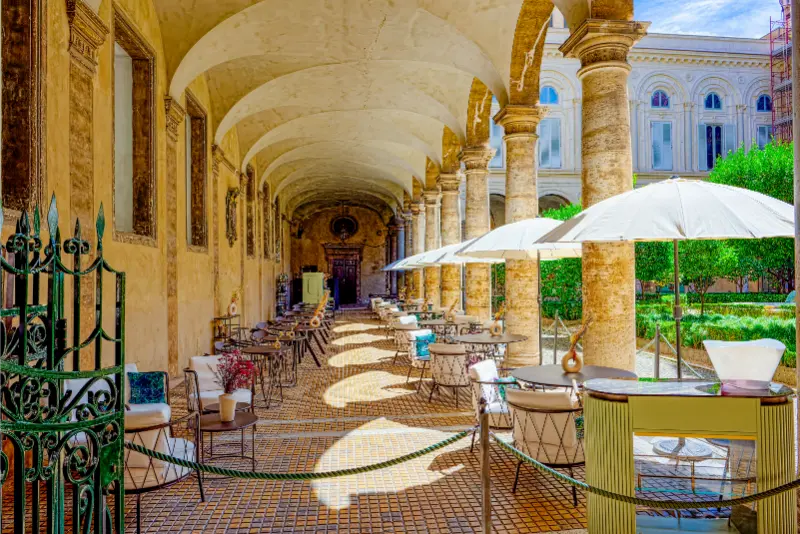
The neighborhood offers everything from quick pizza and bakeries to contemporary restaurants and wine bars. Because Monti is popular with visitors, do not assume that ‘local-looking’ automatically means good value. Check recent menus, avoid aggressive solicitation and walk a block or two away from the busiest corners when a place feels designed entirely around tourist traffic.
If food is a major part of your trip, contrast Monti with Testaccio, where market culture and traditional Roman cooking play an even bigger role.
Monti at night
Evenings are lively but generally more compact and neighborhood-focused than the party scene around Campo de’ Fiori. Piazza della Madonna dei Monti and nearby streets fill with people during aperitivo. If you want cocktails and conversation rather than clubs, Monti is a strong choice.
See our Rome at night guide for a comparison of evening areas.
A half-day Monti itinerary
- Begin at Santa Maria Maggiore in the morning.
- Walk through the side streets toward Via del Boschetto.
- Pause around Piazza della Madonna dei Monti.
- Visit San Pietro in Vincoli if open.
- Descend toward the Colosseum for exterior views or continue to the Imperial Fora.
- Return to Monti for lunch, aperitivo or dinner depending on your schedule.
Monti after the Colosseum
This is arguably the best way to use the neighborhood. After two or three hours in the Colosseum, Forum and Palatine area, walk into Monti rather than immediately traveling across the city. Eat, rest and wander. It turns an archaeology-heavy morning into a more balanced day.
Our Colosseum, Roman Forum and Palatine Hill guide explains how much time to allow for the archaeological zone.
Monti with children
Families may find Monti easier than a formal museum afternoon because there is no required route. The hills and cobblestones can be tiring with a stroller, but cafés and small piazzas provide natural breaks. Pair the neighborhood with one major attraction rather than stacking several churches and museums.
Best time to visit
Late morning is good for shops and a quieter walk. Late afternoon into evening shows the neighborhood at its liveliest. In summer, the narrow streets provide more shade than open archaeological sites, though uphill walking can still be tiring in the heat.
Common mistakes to avoid
- Thinking Monti is only the few streets immediately beside the Colosseum.
- Trying to visit churches during midday closure periods without checking.
- Choosing a hotel solely for the ‘Monti’ label without checking the exact street and slope.
- Assuming every restaurant is traditional simply because it has a rustic interior.
- Rushing through the neighborhood instead of using it as a place to slow down after sightseeing.
Final tip
Do not arrive in Monti with a list of ten mandatory stops. Choose one or two cultural anchors, then let the streets do the rest. Rome’s most famous attractions are highly scheduled; Monti is valuable because it gives part of the day back to you.
Monti versus Trastevere
Both neighborhoods are popular for evening atmosphere, but they feel different. Trastevere spreads through a larger maze of lanes across the river and can become intensely busy at night. Monti is more compact, closer to the Colosseum and easier to combine with Ancient Rome. Travelers who want nightlife plus immediate monument access may prefer Monti; those seeking a longer evening wander may choose Trastevere.
Monti for solo travelers
The neighborhood works particularly well for solo visitors because cafés, wine bars and small restaurants make it easy to stop without a formal plan. The central location also reduces the need for late-night cross-city transport. As anywhere in a busy tourist city, keep normal awareness around crowded metro areas and do not leave a phone or bag unattended at outdoor tables.
Shopping and design
Monti has long attracted vintage shops, independent fashion, jewelry and design businesses. Stock changes quickly, so specific shop recommendations can age faster than the neighborhood itself. The best approach is to walk Via del Boschetto and nearby streets with time to browse. If you are looking for luxury brands, Piazza di Spagna is a better fit; for flea-market style browsing, check current market schedules elsewhere in the city.
Getting around from Monti
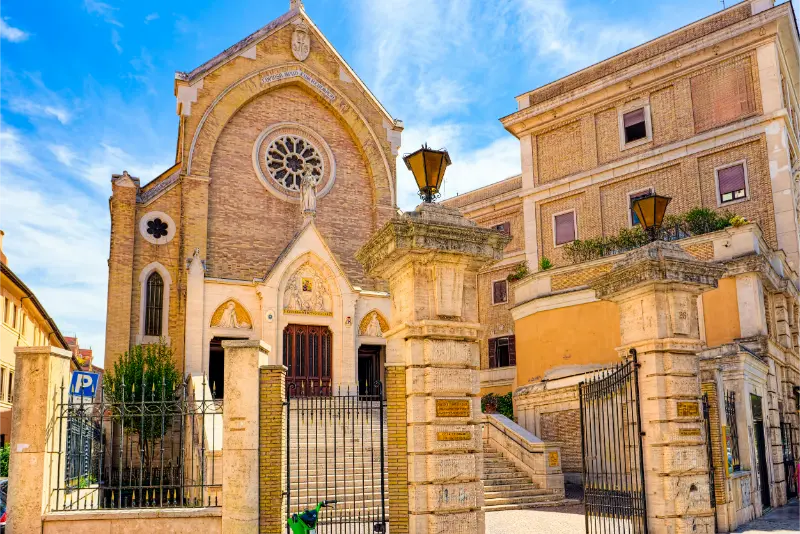
Cavour station on Metro Line B is useful, while Termini is reachable from many parts of the district. For the Colosseum and Imperial Fora, walking is usually faster and more enjoyable. The hills are the main practical factor: a hotel that looks close on a map may involve a steep climb, so check the exact street if mobility or heavy luggage is a concern.
A slower morning in Monti
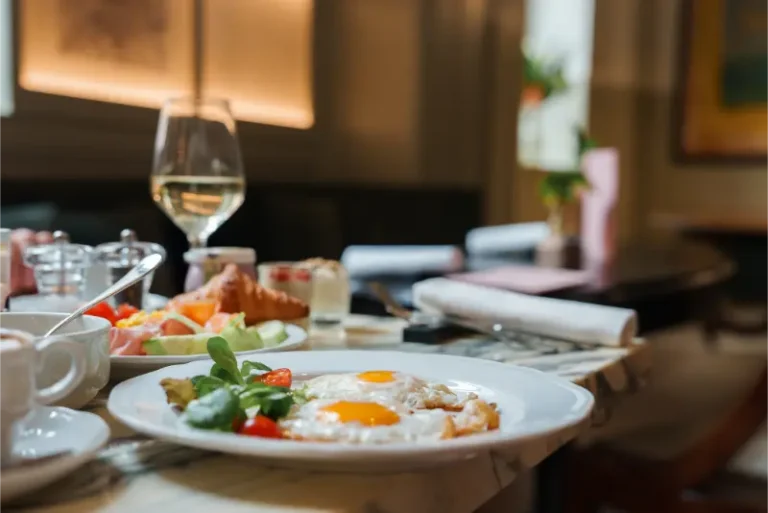
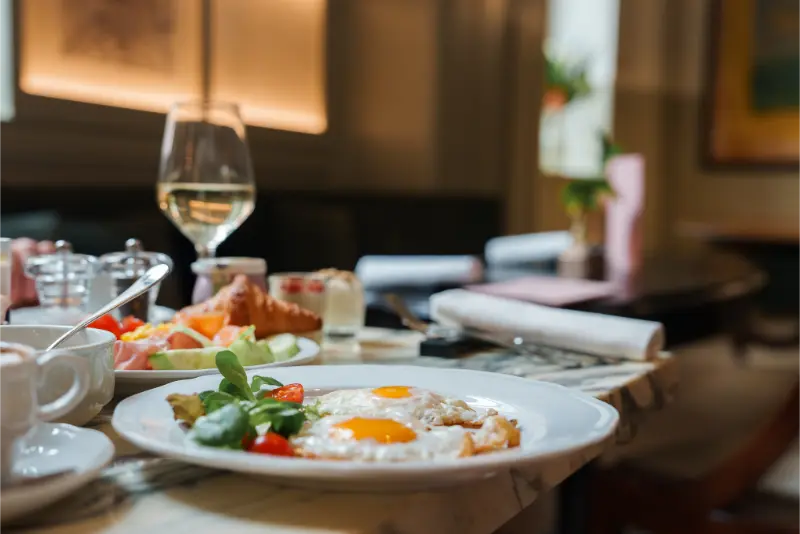
If you have already seen the Colosseum, come back on another morning without a major reservation. Have breakfast, visit one church, browse shops and sit in a piazza. This slower return often leaves a stronger impression than the first pass after a crowded archaeological visit. Monti is one of the areas where repetition improves the experience.
Monti for photographers
The neighborhood is most photogenic when the light is low and the streets are not yet full. Early morning gives you façades, shutters and sloping lanes with less visual clutter, while late afternoon creates warm views toward the Colosseum. Rather than photographing only the famous monument, use doorways, laundry, plants and the changing elevation to show the neighborhood itself.
A practical base for train travelers
Because Monti lies between the Colosseum and Termini area, it can work well for visitors arriving by train who still want a characterful neighborhood. The exact walk to a hotel matters, however: some streets are steeper than they appear online. If you have heavy bags, a short taxi ride from Termini may be more comfortable than navigating cobblestones and hills after a long journey.
Why Monti works in a longer Rome stay
On a four- or five-day trip, Monti can become a place you return to rather than a one-off attraction. Have lunch there after the Forum, come back for aperitivo another evening, or browse shops on a slower morning. Repetition is useful because the neighborhood’s value lies in atmosphere, and atmosphere is hard to appreciate when you are racing to the next timed ticket.