Campo Marzio Rome Guide: Spanish Steps, Ara Pacis, Streets and What to See
Campo Marzio is one of the most central and layered parts of Rome, stretching through an area that includes major shopping streets, churches, piazzas and monuments between the Tiber and the historic core. The name refers back to the ancient Campus Martius, although the modern district boundaries and tourist idea of the area do not perfectly match the ancient field. For visitors, it is best understood as a walkable zone where the Spanish Steps, Via del Corso, Ara Pacis, Piazza del Popolo and smaller streets can be connected without transport.
Because so many famous sights sit nearby, travelers often cross Campo Marzio repeatedly without recognizing it as a neighborhood. Slowing down changes the experience. You begin to notice how elegant commercial streets, palaces, churches and ancient fragments coexist in an area that has evolved continuously rather than becoming a frozen historic quarter.
Quick facts
| Best for | Walking, shopping, churches and central sightseeing |
| Major landmarks | Spanish Steps, Ara Pacis, Via del Corso |
| River edge | Near the Tiber and Mausoleum of Augustus area |
| Best approach | Explore on foot by sub-area |
| Typical visit | Half-day or repeated shorter walks |
Understanding the name Campo Marzio
In ancient Rome, the Campus Martius was a broad zone outside the earliest city core associated with military assembly, public monuments, entertainment and later dense urban development. Over centuries, the area accumulated temples, baths, theaters and monumental projects. The modern rione carries the historical name but represents only part of that much larger ancient landscape.
You do not need to master administrative boundaries to enjoy the district. The useful travel idea is that many sights north of the Pantheon and west of the Quirinal can be grouped into one walk. This reduces the common mistake of using taxis for journeys that are easier, faster and more interesting on foot.
Spanish Steps and the eastern side
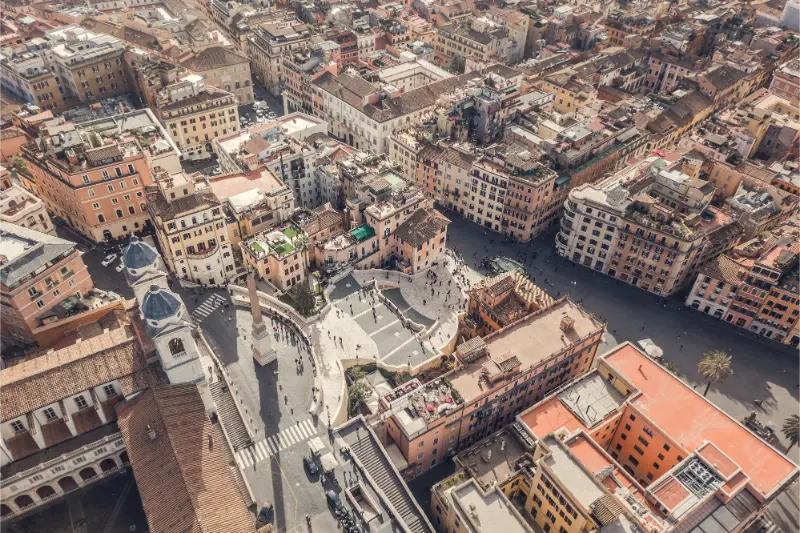
Piazza di Spagna and the Spanish Steps provide one of the district’s most famous edges. The area is busy, polished and strongly connected with shopping. Arrive early if architecture matters more than atmosphere, or visit later if you enjoy the energy of the evening crowds.
From here, narrow streets lead toward Via del Corso, while Via del Babuino heads toward Piazza del Popolo. Instead of walking only the most direct line between landmarks, take one or two side streets. Small churches, courtyards and changing building scales are a major part of Campo Marzio’s appeal.
Via del Corso and the central spine
Via del Corso is one of Rome’s best-known shopping and movement corridors. It can feel overwhelmingly commercial at peak times, but it is also an excellent orientation line. Several important streets branch toward the Spanish Steps, Pantheon, Trevi and river.
Use the Corso as a spine rather than your entire experience. Walk a section, then leave it for quieter streets before returning farther south. This approach gives you the convenience of a clear route without spending the whole day in the densest pedestrian flow.
Ara Pacis and the river side
Toward the Tiber, the Ara Pacis museum and the Mausoleum of Augustus area introduce imperial history into a neighborhood otherwise associated with shopping and baroque churches. This is one of the best examples of Rome’s layered character: ancient monuments survive inside a modern museum-and-street environment rather than an isolated archaeological park.

Combine Ara Pacis with a river walk or continue north toward Piazza del Popolo. If you have museum fatigue, even the exterior urban setting is worth seeing. Our Ara Pacis guide explains tickets and what to look for inside.
Churches and art beyond the headline sights
Campo Marzio contains important churches that can be visited as part of an art route. San Luigi dei Francesi, Santa Maria del Popolo and Sant’Agostino are among nearby highlights depending on exactly how you define your walk. Rome’s church art is often free to see, but services, restorations and opening hours can interrupt access.
Build flexibility into the route. If a church is closed, continue with the neighborhood and return later rather than waiting outside for an uncertain reopening. Dress respectfully even when the church appears on a tourist map primarily because of a famous painting.
Shopping and cafés
The area ranges from international brands to luxury streets, independent shops and tourist-oriented retail. Prices and quality vary dramatically. Decide whether shopping is a goal or simply part of the streetscape. If you want specific Italian-made goods, research materials and labels rather than assuming that a central address guarantees local production.
For coffee and food, walk a street or two away from the most photographed piazzas before choosing. Central Rome can still provide excellent meals, but comparison matters. Menus with clear pricing and a normal local mix of customers are more useful signals than a waiter standing outside aggressively inviting tourists in.
Where to stay in Campo Marzio
Campo Marzio is one of the most convenient bases for first-time visitors because so much of central Rome is walkable. The trade-off is price. Rooms can also be affected by street noise, nightlife and early deliveries depending on the exact block.
Check whether your accommodation requires stairs, whether taxis can reach the door and how far it is from a metro station if you plan frequent trips outside the center. A ‘perfectly central’ room is not automatically perfect for a traveler with heavy luggage or limited mobility.
A realistic half-day route
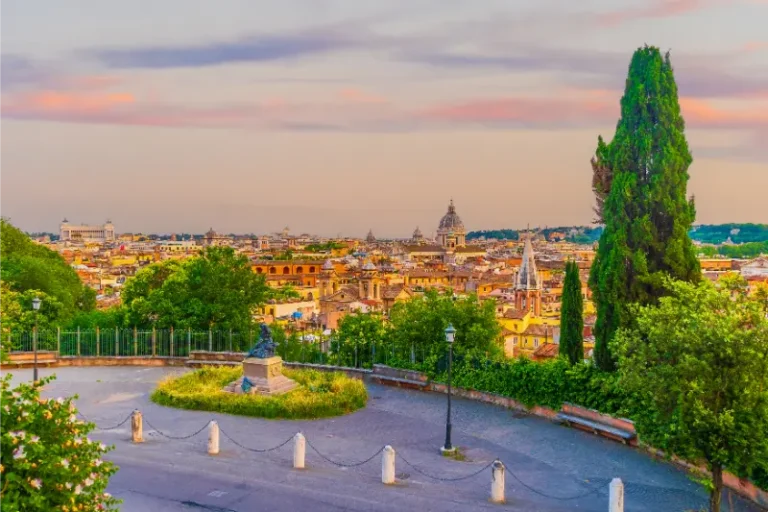
Start at Piazza del Popolo, walk toward the Pincian view if desired, continue via Via del Babuino or parallel streets to the Spanish Steps, then cross toward Via del Corso and finish at Ara Pacis or the Pantheon side. This keeps the route coherent and lets you adjust the number of interiors according to time.

Do not schedule every church and museum. Choose one paid interior and one or two free art stops, then leave room for walking. Campo Marzio is one of the parts of Rome where the streets between attractions are genuinely part of the experience.
Frequently asked questions
Is Campo Marzio the same as the ancient Campus Martius?
The modern rione uses the historical name but covers only part of the broader ancient Campus Martius.
Is Campo Marzio a good area for first-time visitors?
Yes. It is highly central and places many major sights within walking distance.
What are the main sights?
Depending on your route: Piazza di Spagna, Via del Corso, Ara Pacis, Piazza del Popolo and numerous churches and shopping streets.
How long should I spend there?
A half-day works well, but most visitors cross the district repeatedly during a Rome trip.
Is Campo Marzio expensive?
Accommodation, dining and shopping can be expensive in prime streets, although options vary significantly by block.
Plan the rest of your Rome trip
Continue with Piazza del Popolo, the Spanish Steps and Ara Pacis.

A practical way to fit this into your itinerary
If your hotel is in Campo Marzio, organize sightseeing outward from the neighborhood rather than returning to Termini or another transport hub each morning. Many central attractions are close enough to walk, and this is one area where a slower street-level route often beats a bus or taxi.
In summer, split the day around the heat. Use churches or museums during the hottest period and walk the shopping streets earlier or later. Campo Marzio has limited large green space within the core, but Villa Borghese is reachable from the northern side.
What makes this stop worth your time
The district is worth treating as more than a transit zone because it shows how central Rome functions beyond isolated monuments. Commerce, worship, tourism, residential life and ancient remains overlap constantly.
For repeat visitors, Campo Marzio rewards detail. Revisit a familiar route but choose different side streets, one lesser-known church and one courtyard. The famous landmarks then become anchors rather than the entire purpose of the walk.
Final planning tips before you go
Before setting out, check the day’s weather, transport conditions and any official notices that could affect access. Rome rewards flexible planning: keep one or two priorities fixed, but avoid filling every hour. Leave enough time to walk between nearby sights, refill water, sit down for a proper break and change the route if crowds or heat make the original plan less enjoyable. For this stop in particular, comfortable footwear and a charged phone are more useful than an over-detailed timetable, because the surrounding streets and viewpoints often become part of the experience.
If you are visiting Rome for the first time, place this experience inside a neighborhood-based itinerary rather than crossing the city only to tick it off. Combine it with the related places linked in this guide, then move on when your attention starts to fade. Repeat visitors can do the opposite: slow down, read more of the interpretation, photograph details and compare the site with other periods of Roman history. That difference in pace is often what turns a famous stop into a memorable one.
It is also worth checking how this stop fits with meal times and the return journey to your accommodation. A central attraction may need no transport at all, while an archaeological or neighborhood visit can involve a longer walk than the map suggests. Save the address of your next destination, keep a backup route, and avoid committing to a distant reservation immediately afterward. A small buffer makes the day more resilient when entrances, church services, roadworks or simple fatigue change the pace.