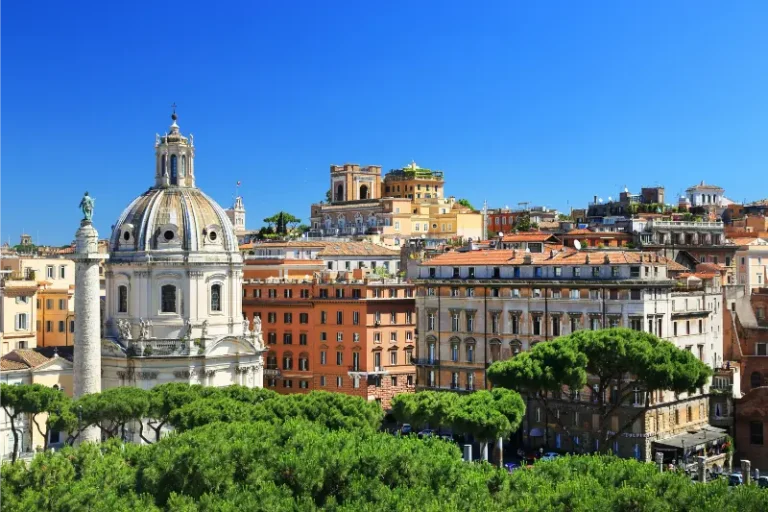
Esquilino Rome Guide: Santa Maria Maggiore, Piazza Vittorio, Food and Local Life
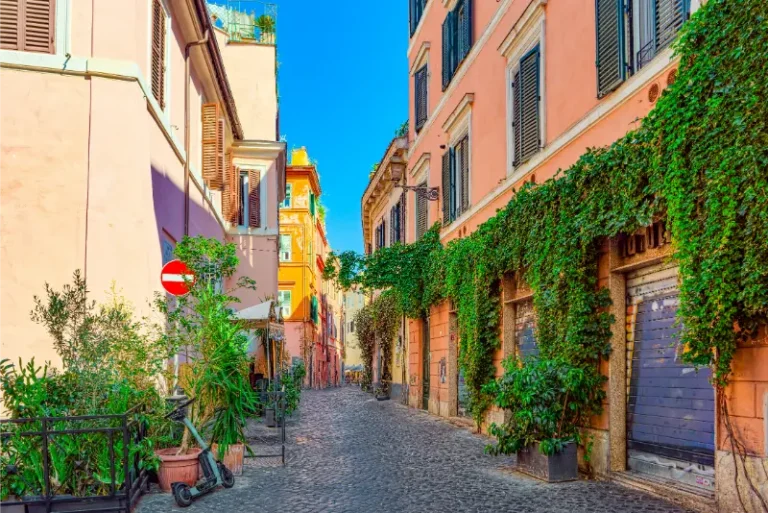
Esquilino is one of the most useful neighborhoods for travelers who want central access without spending the entire trip inside Rome’s most polished tourist streets. The area around Piazza Vittorio, Santa Maria Maggiore and the eastern side of Termini combines grand basilicas, nineteenth-century blocks, markets, international food, transport links and a visibly multicultural population. It can feel busier and rougher around the edges than Campo Marzio or Prati, but it also reveals a more ordinary side of central Rome.
The neighborhood is especially practical for rail travelers because Termini is nearby, yet its value goes beyond convenience. Within a short walk you can move from early Christian mosaics to Chinese groceries, Indian restaurants, Roman cafés and archaeological remains. The key is choosing the right streets and understanding that Esquilino changes character block by block.
Quick facts
| Best for | Transport convenience, basilicas and multicultural food |
| Major landmark | Santa Maria Maggiore |
| Main square | Piazza Vittorio Emanuele II |
| Transport hub | Roma Termini nearby |
| Stay style | Good value in some streets; research exact block |
Santa Maria Maggiore as the cultural anchor
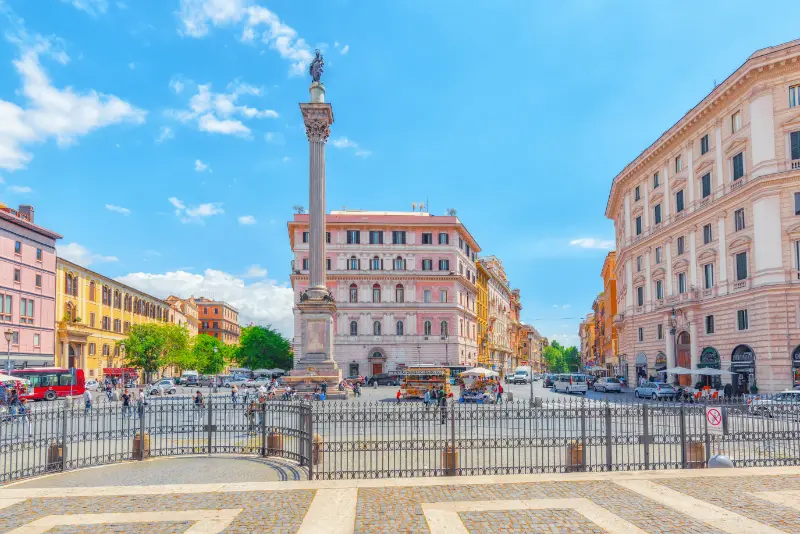
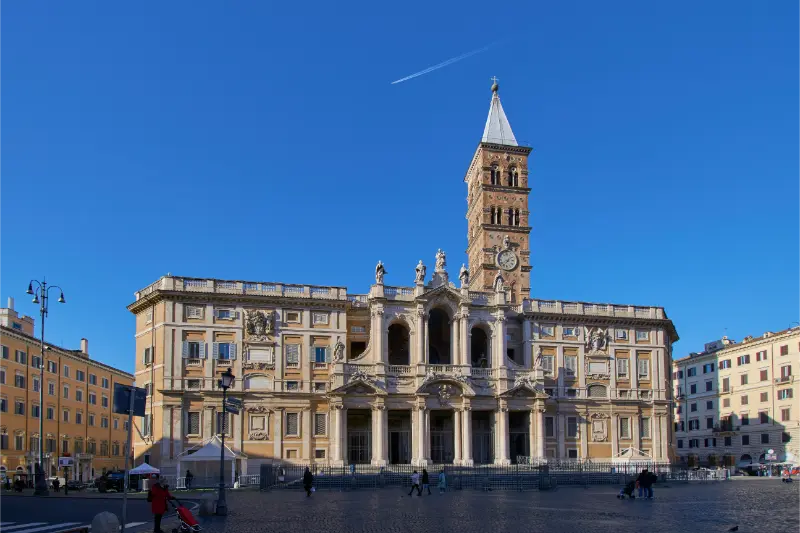
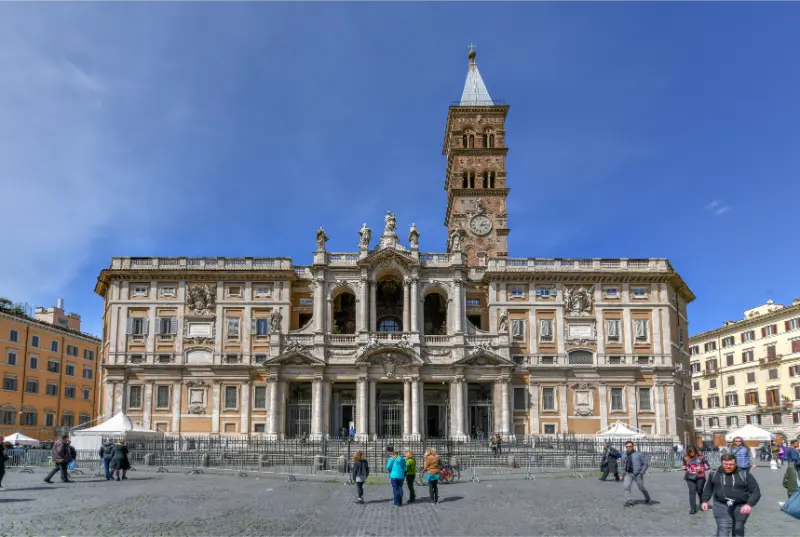
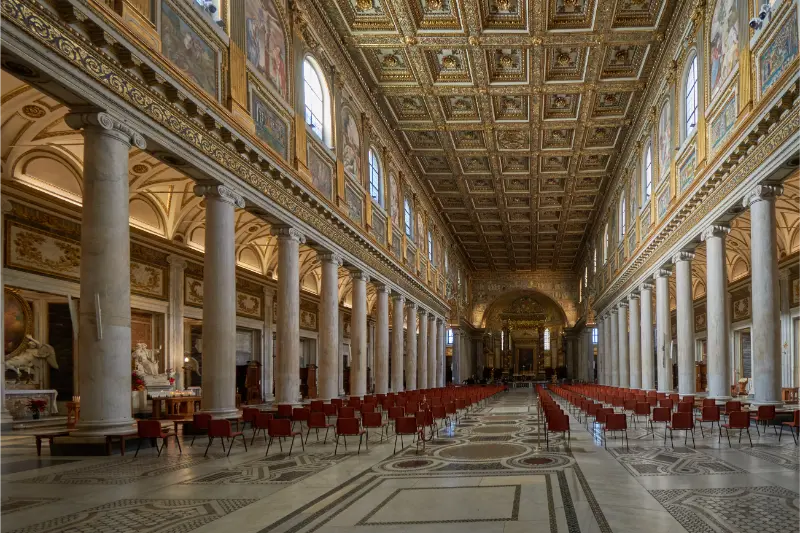
The Basilica of Santa Maria Maggiore is the neighborhood’s headline monument and one of Rome’s major papal basilicas. Its mosaics, chapels and long history justify a dedicated visit rather than a quick look on the way to the station. The piazza and surrounding streets also provide a useful orientation point between Esquilino, Monti and Termini.
Because the basilica remains an active place of worship, services and security can affect access. Dress appropriately and avoid building a tightly timed connection to a train immediately after your visit. Our dedicated Santa Maria Maggiore guide covers the art and current visitor logistics in more detail.
Piazza Vittorio and the neighborhood’s open space
Piazza Vittorio Emanuele II is one of the largest squares in Rome and feels very different from the ornamental piazzas of the historic center. Its gardens, arcades and surrounding residential blocks reflect the expansion of Rome after Italian unification. Archaeological curiosities and community life share the same space.
Walk the perimeter as well as the garden. The arcaded streets contain shops and food businesses that reflect the area’s international character. This is a neighborhood where the everyday activity around a square is as important as any single monument.
Multicultural food and markets
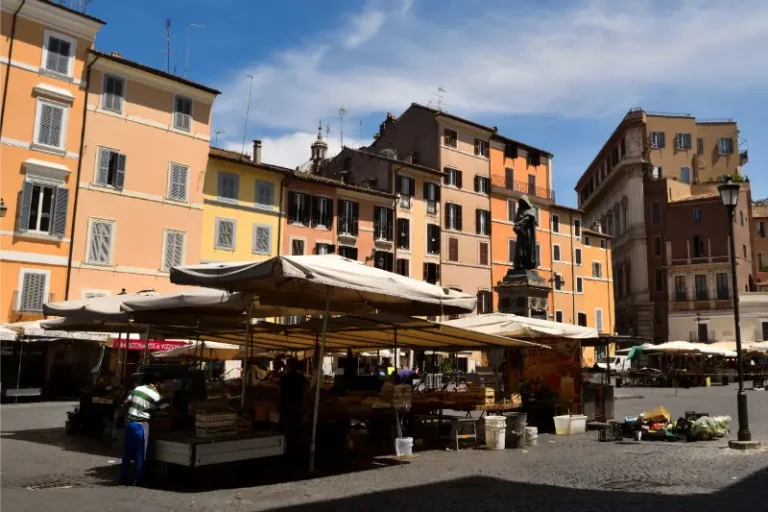
Esquilino is one of central Rome’s strongest areas for international ingredients and inexpensive meals. The broader market zone and surrounding streets have long reflected immigration and changing food cultures. That makes the neighborhood useful when you want a break from eating Roman pasta at every meal.
Do not interpret ‘local’ as meaning only traditional Roman cuisine. Contemporary Rome is multicultural, and Esquilino demonstrates that more clearly than many postcard districts. Check hygiene, prices and opening times as you would anywhere, but do not avoid a place simply because it does not match a stereotypical image of Italy.
Termini: convenience and atmosphere
Being near Roma Termini is a major advantage if you have day trips, an airport transfer or an early train. It also means bus traffic, luggage, busy pavements and a constant flow of people. Some travelers value this convenience; others prefer quieter neighborhoods even if they require a taxi on departure day.
If staying near the station, save your hotel entrance on your phone and inspect the exact walking route before arrival. Two properties both described as ‘Termini area’ can feel very different depending on which side of the station or which street they occupy.
Safety and street awareness
Esquilino is not a neighborhood that requires alarm, but the transport-heavy environment around Termini calls for normal big-city awareness. Keep valuables secure, especially in crowds, and avoid leaving luggage unattended. Some streets can feel quiet late at night, so choose well-lit routes if returning alone.
Our Rome safety and scams guides explain pickpocketing and distraction risks without exaggeration. The most useful habit is simple: know where you are going, avoid displaying cash unnecessarily and do not let concern about petty crime prevent you from using one of the city’s most convenient areas.
Where Esquilino fits in a first trip
The neighborhood works well as a morning or late-afternoon area rather than an entire first-time sightseeing day. Visit Santa Maria Maggiore, explore Piazza Vittorio, eat somewhere interesting, then walk into Monti or toward San Giovanni. This creates a gradual transition from local streets to more famous monumental zones.
It is also a practical base for day trips because Termini gives fast access to trains. If you plan several excursions to Florence, Naples, Orvieto or other cities, the saved transfer time may matter more than staying beside a romantic piazza.
Where to stay and who will like it
Budget-conscious travelers, rail users and visitors who enjoy diverse neighborhoods often find Esquilino attractive. Travelers seeking a silent, refined atmosphere may prefer Prati, parts of the historic center or a residential street farther from Termini. Do not choose solely on nightly price.
Check recent accommodation reviews for noise, elevator access, air conditioning and the exact entrance. Many buildings are older, and room comfort varies even within the same block. A small saving can be worthwhile, but not if it adds stress every evening.
Common mistakes
The first mistake is treating Esquilino as nothing more than the station district. The second is assuming that every street around Termini is identical. Walk a few blocks and the atmosphere changes quickly. A third is skipping the area’s food because it is not the traditional cuisine you came to Italy expecting.
Use the neighborhood as a complement to classic Rome. Santa Maria Maggiore and Piazza Vittorio show two very different layers of the city, and the streets between them help explain modern Rome better than another hour in a souvenir zone.
Frequently asked questions
Is Esquilino a good area to stay in Rome?
Yes for transport convenience and often better value, but research the exact street because atmosphere varies block by block.
Is Esquilino safe?
It is a busy central area. Normal awareness is especially useful around Termini and crowded transport stops.
What should I see in Esquilino?
Santa Maria Maggiore, Piazza Vittorio and the neighborhood’s multicultural food streets are strong starting points.
Is it walkable to the center?
Yes. Monti, the Colosseum area and several central districts are reachable on foot depending on your exact starting point.
Who should stay elsewhere?
Travelers who prioritize a very quiet or romantic atmosphere may prefer Prati, Campo Marzio or another residential district.
Plan the rest of your Rome trip
Read Santa Maria Maggiore, Rome train stations and Monti to connect Esquilino with the rest of your itinerary.
A practical way to fit this into your itinerary
A useful arrival-day plan is to check into your hotel, visit Santa Maria Maggiore, walk through Piazza Vittorio and have dinner nearby. This keeps the first day compact and avoids spending energy crossing the city immediately after a flight or train journey.
On departure day, the same logic works in reverse. If luggage is stored near Termini, keep your final sightseeing within Esquilino or Monti rather than risking a long return from the Vatican or Appian Way. Practical geography can make the last hours of a trip much calmer.
What makes this stop worth your time
Esquilino is worth including because it broadens the idea of what central Rome looks like. The neighborhood contains monumental Christian art, post-unification urban planning and a contemporary multicultural food scene within the same walk.
For travelers who want to see more than a historic-center stage set, that mixture is a strength. Spend enough time to observe how residents use the streets and markets, then carry that perspective into the more famous districts nearby.
Final planning tips before you go
Before setting out, check the day’s weather, transport conditions and any official notices that could affect access. Rome rewards flexible planning: keep one or two priorities fixed, but avoid filling every hour. Leave enough time to walk between nearby sights, refill water, sit down for a proper break and change the route if crowds or heat make the original plan less enjoyable. For this stop in particular, comfortable footwear and a charged phone are more useful than an over-detailed timetable, because the surrounding streets and viewpoints often become part of the experience.
If you are visiting Rome for the first time, place this experience inside a neighborhood-based itinerary rather than crossing the city only to tick it off. Combine it with the related places linked in this guide, then move on when your attention starts to fade. Repeat visitors can do the opposite: slow down, read more of the interpretation, photograph details and compare the site with other periods of Roman history. That difference in pace is often what turns a famous stop into a memorable one.
It is also worth checking how this stop fits with meal times and the return journey to your accommodation. A central attraction may need no transport at all, while an archaeological or neighborhood visit can involve a longer walk than the map suggests. Save the address of your next destination, keep a backup route, and avoid committing to a distant reservation immediately afterward. A small buffer makes the day more resilient when entrances, church services, roadworks or simple fatigue change the pace.