Ostiense Rome Guide: Street Art, Industrial History and Things to Do
Ostiense is one of the best neighborhoods for seeing a Rome that is neither ancient postcard nor polished historic center. South of the Aventine and Testaccio, the district grew around railways, industry, warehouses and the road toward the sea. Today those layers coexist with universities, street art, cultural venues, restaurants and some of the city’s most distinctive adaptive-reuse architecture.
The area is especially rewarding for travelers who have already seen the Colosseum and Vatican and want a more contemporary urban day. It also pairs naturally with Centrale Montemartini, St Paul Outside the Walls and nearby Garbatella.
How Ostiense developed
Modern Ostiense took shape in the late nineteenth and early twentieth centuries as Rome expanded its industrial infrastructure. The railway, gasworks, warehouses and connections toward the port at Ostia made the district a working zone rather than a ceremonial one. That history still defines the skyline, especially around the Gazometro and former industrial buildings.
As industry declined or moved, many structures gained new uses. The district gradually attracted cultural organizations, students, nightlife and street artists. The result is uneven in a good way: one block can feel residential, the next industrial, and another filled with restaurants or murals.
Start around Piramide and Porta San Paolo
Piramide metro station is a practical starting point because it connects Metro B with the Roma-Lido/Metromare corridor and nearby Ostiense railway station. Before moving deeper into the district, you can see the Pyramid of Cestius from the street and the historic Porta San Paolo area. The Protestant Cemetery lies nearby and can be added if its opening hours fit your day.
Street art around Ostiense
Turismo Roma highlights Ostiense’s street-art identity, with large works on residential façades, warehouses and former industrial structures. Murals change over time, so treat any online list as a starting point rather than a permanent inventory.
Via del Porto Fluviale and the streets toward Via dei Magazzini Generali are useful areas for a self-guided walk. Keep your route flexible: street art is part of a living neighborhood, and construction, repainting or new commissions can change what you find. Photograph from public space and avoid blocking doorways or traffic.
Centrale Montemartini
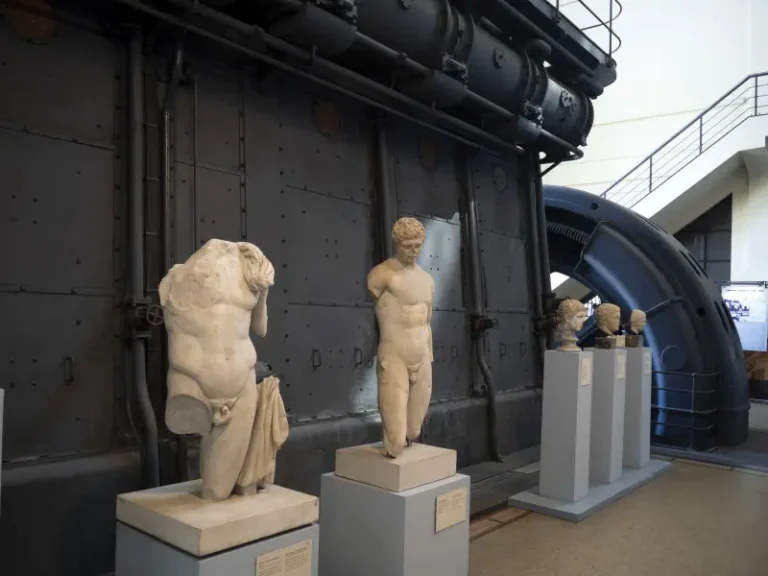
Centrale Montemartini is Ostiense’s signature museum: ancient Roman sculptures stand among turbines, engines and industrial machinery in a former power station. The contrast is visually powerful but also historically meaningful because it connects Rome’s archaeological collections with the city’s modern infrastructure. Allow at least an hour if you enjoy museums.
The Gazometro
The enormous metal framework of the Gazometro is one of Ostiense’s most recognizable landmarks. You usually experience it as part of the urban skyline rather than as a conventional attraction to enter. Different cultural projects and events have used nearby spaces, so check current programming if you want more than an exterior view.
St Paul Outside the Walls
Continue south toward the basilica if you have half a day. St Paul Outside the Walls offers a dramatic change of atmosphere after the industrial streets: a vast papal basilica, medieval cloister and monumental nave. Metro B can shorten the transfer if you do not want to walk the entire distance.
Food and nightlife
Ostiense has a broad mix of pizzerias, contemporary restaurants, bakeries, bars and casual nightlife. The best choice depends on the street and day of the week, so rely on recent menus rather than old “top ten” lists. Around university and nightlife zones, evenings are livelier; other blocks become quiet quickly after offices close.
How much time to spend
| Plan | Suggested time |
|---|---|
| Street art walk | 60–90 minutes |
| Street art + Centrale Montemartini | 2.5–3 hours |
| Ostiense + St Paul’s Basilica | Half day |
| Ostiense + Garbatella + dinner | Half to full day |
A practical half-day itinerary
- Start at Piramide / Porta San Paolo
- Walk toward Via del Porto Fluviale
- Look for murals and industrial architecture
- Visit Centrale Montemartini
- Continue toward the Gazometro viewpoints
- Take Metro B or walk to St Paul Outside the Walls
- Finish with dinner in Ostiense or Garbatella
This route is flexible rather than rigid. The district’s appeal comes from transitions between different types of urban space, so leave room for detours. If a street feels uninteresting, move on instead of forcing yourself to complete a mapped loop.
Best time to visit
Late morning through afternoon works well for museums and street art. Evening adds restaurants and nightlife but is less useful for photography. Summer midday can be hot because many streets have limited shade. In winter, plan the outdoor walk before daylight fades and save dinner for afterward.
Getting around
Metro B serves Piramide, Garbatella, Basilica San Paolo and other nearby areas. Roma Ostiense station has regional rail connections, while buses fill local gaps. For a short neighborhood exploration, walking remains the best way to notice murals and architectural details.
Ostiense vs Garbatella
Ostiense is more industrial and mural-focused; Garbatella is more residential, with garden-city courtyards, stairways and intimate streets. They work well together precisely because they are different. Do not treat them as one interchangeable neighborhood.
Safety and street awareness
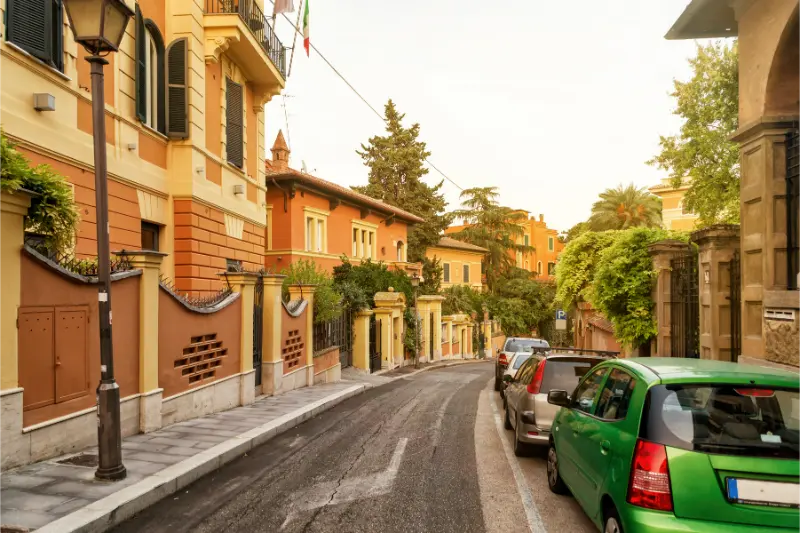
Ostiense is a normal urban district rather than a controlled tourist zone. Use the same precautions you would in central Rome: watch belongings around stations, cross busy roads carefully and avoid wandering into fenced industrial property. At night, stick to active streets if you are unfamiliar with the area.
Common mistakes
- Expecting a continuous open-air mural gallery on every street
- Entering abandoned or fenced industrial property
- Skipping Centrale Montemartini
- Trying to see Ostiense and all of Garbatella too quickly
- Relying on outdated restaurant lists
- Ignoring traffic while photographing murals
Who will enjoy Ostiense?
Return visitors, architecture fans, photographers, street-art enthusiasts and travelers interested in contemporary Rome will get the most from it. If you have only two days in the city, Ostiense is optional. With four or five days, it offers exactly the kind of contrast that makes the trip feel broader and more local.
FAQ
Is Ostiense easy to reach?
Yes. Metro B and Roma Ostiense station make the district one of the easiest non-central areas to access.
Is the street art free to see?
Yes. Murals on public-facing walls can be viewed from the street. Individual cultural venues may charge admission.
Can I combine Ostiense with Testaccio?
Yes. They are close, but each deserves time. Our Testaccio guide can help you connect the two without duplicating food stops.
How to explore without turning the neighborhood into a checklist
A neighborhood guide works best as a framework, not a timed attraction list. Pick two or three anchors, then allow the connecting streets to do part of the work. Stop when a café, façade, market or small public space catches your attention. This is especially important outside the historic center, where the value often lies in transitions and ordinary urban life rather than a sequence of famous interiors.
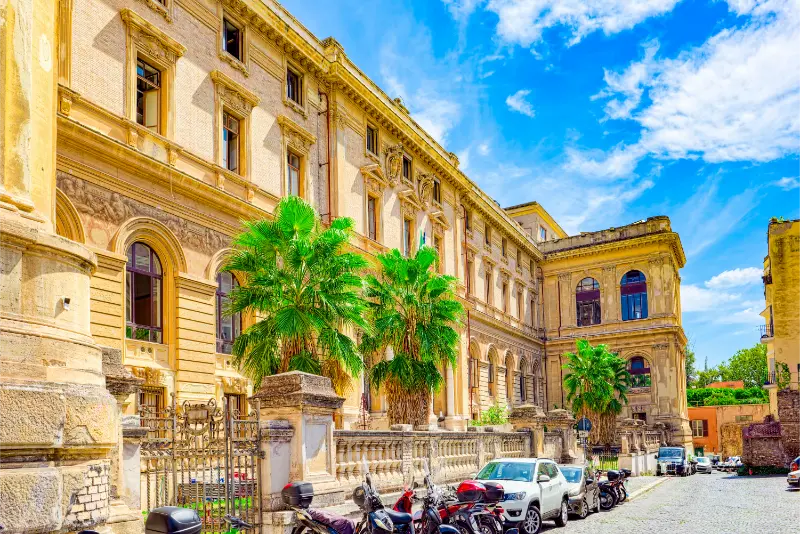
Respecting residential Rome
Remember that many of the most photogenic streets are home to residents. Keep voices low in courtyards, avoid blocking entrances, do not photograph people at close range without permission and never enter private property because a gate happens to be open. The best way to experience local Rome is to behave as a considerate guest rather than treating the neighborhood as a film set.
When the area fits into an itinerary
Neighborhoods outside the core are most rewarding once you have enough time to slow down. On a two-day first trip, central monuments should usually come first. On a four- or five-day stay, one half-day in a less tourist-heavy district creates contrast and gives you a more complete sense of the city. Link the area with one nearby museum, church or park rather than crossing Rome several times in the same day.
A better two-hour rhythm
For a first exploration, two hours is often more useful than an ambitious half-day checklist. Spend the first twenty minutes reaching the main visual anchor, the next hour wandering through two or three connected streets, then use the final part for a coffee, bakery stop or nearby sight. This rhythm gives the area time to feel like a neighborhood rather than a collection of map pins. If you immediately rush to the next district, you miss the ordinary details — shopfronts, apartment entrances, street trees, local cafés and changes in building scale — that explain why the area feels different from central Rome.
What to notice between the landmarks
Pay attention to the spaces between the named attractions. Rome’s neighborhoods often tell their story through paving, rail infrastructure, courtyard design, industrial remnants, street signs and the relationship between ground-floor businesses and homes above. These are not “hidden gems” that require secret access; they are visible clues to how the district developed. A slower walk also helps you decide where to stop based on the atmosphere you actually find that day, rather than following an old list of businesses that may have changed ownership or opening hours.
Final planning advice
For Ostiense Rome, build the day around the experience rather than around the number of attractions completed. Verify operational details, keep travel time realistic and leave a buffer before your next timed reservation. Rome rewards attention: the strongest visit is usually the one where you understand why a place matters, notice how it connects with the surrounding city and still have enough energy to enjoy what comes next.