Centrale Montemartini Rome: Ancient Sculpture in a Power Station
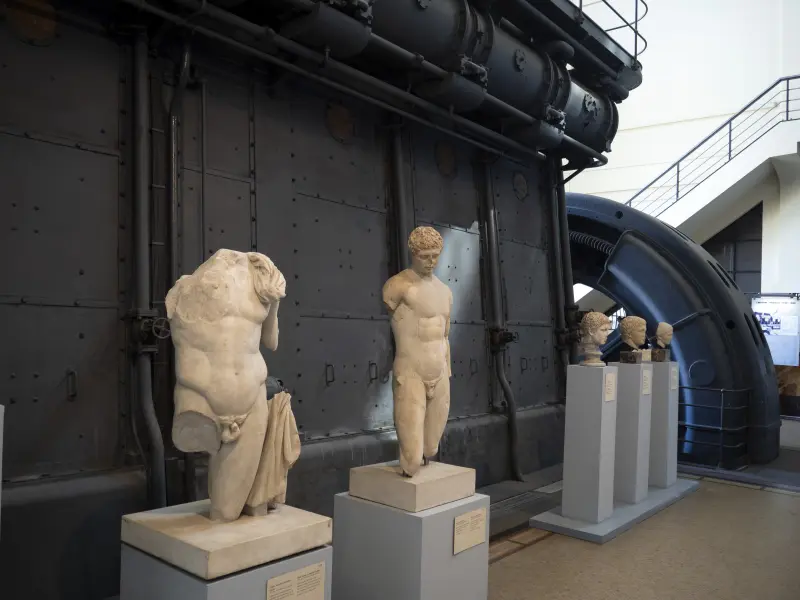
Centrale Montemartini is one of Rome’s most distinctive museums: ancient marble statues stand beside turbines, engines and industrial machinery inside a former power station. The contrast is not a gimmick added for tourists. The museum grew from a temporary transfer of Capitoline collections during renovation work and proved so successful that the arrangement became permanent.
It is an excellent choice for a repeat visit, a rainy day or anyone who feels overwhelmed by Rome’s biggest museums. It also fits naturally with Ostiense and Garbatella, giving you a reason to explore beyond the historic center. See our Garbatella guide if you want to extend the neighborhood portion.
How the museum was created
The Giovanni Montemartini power plant was Rome’s first public electricity station, opened in the early twentieth century. In 1997, while parts of the Capitoline Museums were being renovated, hundreds of ancient works were moved here for an exhibition often translated as “The Machines and the Gods.” The visual dialogue between classical archaeology and industrial technology became the defining identity of the site.
That history matters because it explains why the display feels unusually coherent. The statues were not placed beside machinery merely to create dramatic photographs; the museum preserves two important chapters of Rome’s history in the same building — the ancient city and its modern industrial development.
What you will see
The collection includes sculptures, reliefs, architectural fragments and mosaics connected with the Capitoline collections and excavations in Rome. Large marble figures gain a different presence against dark metal machinery and tiled industrial halls. The contrast makes material, scale and surface easier to notice than in a conventional white gallery.
Do not rush only toward the most photogenic engine room. Smaller works and archaeological groupings provide context for ancient neighborhoods, temples and elite decoration. Read enough labels to understand where objects were found; provenance can turn an attractive statue into evidence about the city’s development.
The machinery matters too
Visitors who come only for ancient art often discover that the power station itself is equally memorable. Boilers, turbines and control equipment show the infrastructure of a rapidly modernizing Rome. Look at how the museum preserves machinery as historical objects rather than removing it to create neutral exhibition space.

This dual identity also makes Centrale Montemartini especially good for families or mixed-interest groups. One person can focus on classical sculpture while another studies industrial design, and both still move through the same coherent route.
Opening hours and tickets in 2026
The official museum site lists Centrale Montemartini open Tuesday to Sunday from 09:00 to 19:00, with last admission one hour before closing; Monday, 1 May and 25 December are closed. Standard non-resident admission is currently €11 full price and €6.50 reduced, while Rome and Metropolitan City residents have free admission from February 2026 with valid proof of residence. Check the official ticket page because temporary exhibitions can change the applicable price.
During integrated exhibitions, a higher combined ticket may apply. Online pre-purchased tickets are generally non-refundable or changeable, so spontaneous visitors may prefer same-day purchase when availability is not a concern.
How much time to allow
| Visit style | Suggested time |
|---|---|
| Main halls | 60–75 minutes |
| Relaxed full visit | 90 minutes–2 hours |
| Museum + Ostiense walk | 3 hours |
| Museum + Garbatella and meal | Half day |
How to get there
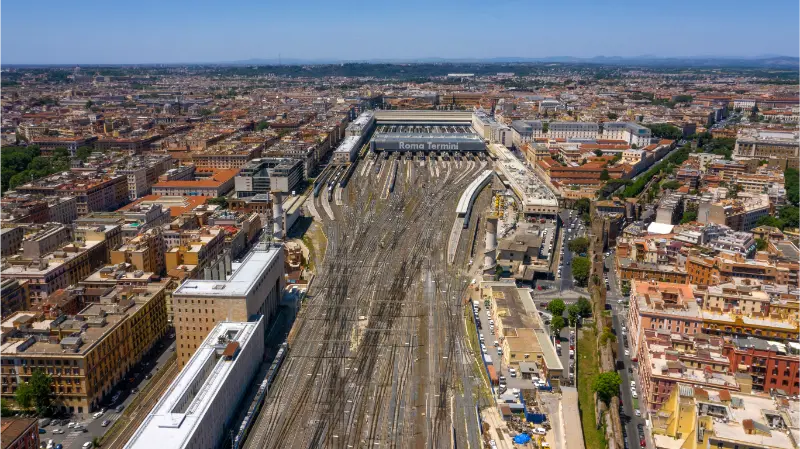
The museum is at Via Ostiense 106, south of the historic center. Metro Line B at Garbatella is useful, while Roma Ostiense station and local buses can also work depending on your starting point. The area is more spread out than central Rome, so check your route before leaving rather than assuming every Ostiense stop is beside the museum.
A good Ostiense half-day
Start at Centrale Montemartini when the museum opens, then walk through parts of Ostiense to see street art and industrial architecture. Continue toward Garbatella for lunch or an afternoon neighborhood walk. This gives you a coherent theme: modern Rome, reuse, infrastructure and local urban life rather than another sequence of Baroque monuments.
What to combine with the museum
- Garbatella
- Ostiense street art and former industrial buildings
- Basilica of Saint Paul Outside the Walls
- Testaccio across the river area
- Pyramid of Cestius and the Non-Catholic Cemetery area
If food is part of the plan, Testaccio can be added later in the day, but avoid zigzagging. Our Testaccio guide can help you decide whether to keep the day in Ostiense/Garbatella or cross toward the market and Monte Testaccio.
Why photographers like it
The visual contrast between pale marble and dark industrial machinery is striking, but photography should not reduce the museum to a backdrop. First look at the objects without your camera. Then frame details that show the dialogue between the two histories — a statue profile against a turbine, for example — while respecting current photography rules and other visitors.
Who should prioritize Centrale Montemartini?
- Repeat visitors looking beyond the standard highlights
- Fans of industrial archaeology
- Travelers who enjoy ancient sculpture but dislike huge crowds
- Families with mixed interests
- People staying in Ostiense, Garbatella or EUR
Common mistakes
- Assuming it is a small novelty museum
- Crossing the city for only 20 minutes and leaving immediately
- Ignoring where the ancient objects were found
- Visiting on Monday
- Quoting an old ticket price during a temporary exhibition
Frequently asked questions
Is Centrale Montemartini part of the Capitoline Museums?
It is a museum venue associated with the Capitoline collections and displays major archaeological material in the former power station.
Is it worth visiting on a first trip?
If you have only two or three days, prioritize the major ancient and Vatican sites. With four or more days, or a strong interest in museums and urban history, it becomes an excellent choice.
Is the area safe to visit?
Ostiense is a normal urban district with transport hubs, nightlife and residential streets. Use ordinary city awareness, especially around stations late at night, and plan your route back just as you would elsewhere in Rome.
Final advice
Centrale Montemartini works because it makes two Romes visible at once. Give the statues and machines equal attention, then walk through Ostiense or Garbatella so the museum’s industrial context continues outside. It is one of the clearest examples of why exploring beyond the historic center can deepen rather than dilute a Rome itinerary.
How this museum fits a second trip to Rome
On a return visit, use Centrale Montemartini as the anchor for a south-Rome day rather than treating it as an isolated curiosity. Add Garbatella, the Basilica of Saint Paul Outside the Walls or Testaccio based on your interests. This keeps transport efficient and reveals parts of the city shaped by industry, twentieth-century housing and infrastructure. The day becomes a coherent counterpoint to the historic center, demonstrating that Rome’s identity continued to evolve long after antiquity and the Baroque.
How to read the dialogue between statues and machines
Choose three or four moments where an ancient object and a piece of machinery occupy the same visual field. Ask what changes in your perception of each. The marble may look softer and more human beside steel; the machine may look sculptural beside a classical body. This is the curatorial idea at the heart of Centrale Montemartini, and noticing it deliberately turns the visit from an unusual photo opportunity into a museum experience.
After the museum, keep the same theme outside. Ostiense contains bridges, rail infrastructure, former industrial spaces and street art that make Rome’s modern growth visible. Garbatella adds a different twentieth-century story through housing and neighborhood planning. You do not need to see both in depth on the same day, but choosing one makes the trip south feel purposeful. If you return directly to the Trevi Fountain, you lose the chance to understand why this museum belongs exactly where it is.
Why it works well with the Capitoline Museums
If you have already visited the Capitoline Museums on the hill, Centrale Montemartini feels like an unexpected second chapter rather than a duplicate. The archaeological language is familiar, but the industrial setting changes the way you see proportion, surface and monumentality. Travelers who buy a combined or linked ticket should still avoid doing both sites back-to-back unless museums are a major interest; separating them across different days keeps attention fresh and lets each setting retain its identity. The museum is also a strong option when the historic center feels visually saturated. After several days of churches, piazzas and ancient ruins, the industrial halls change the scale and texture of sightseeing without abandoning Roman history. That contrast can restore attention, which is often more valuable on a long trip than adding another famous monument simply because it appears on a top-ten list. Give yourself a few quiet minutes in the final hall to compare what you remember most: a machine, a statue, or the deliberate collision between them.
One last planning tip
For Centrale Montemartini Rome, keep the day geographically simple and verify only the details that can change: opening hours, tickets, temporary closures and transport. Protect enough time to look rather than simply move between pins. A focused visit with one nearby companion sight will usually feel richer than adding two extra attractions across Rome.