Garbatella Rome Guide: Architecture, Local Streets and What to See
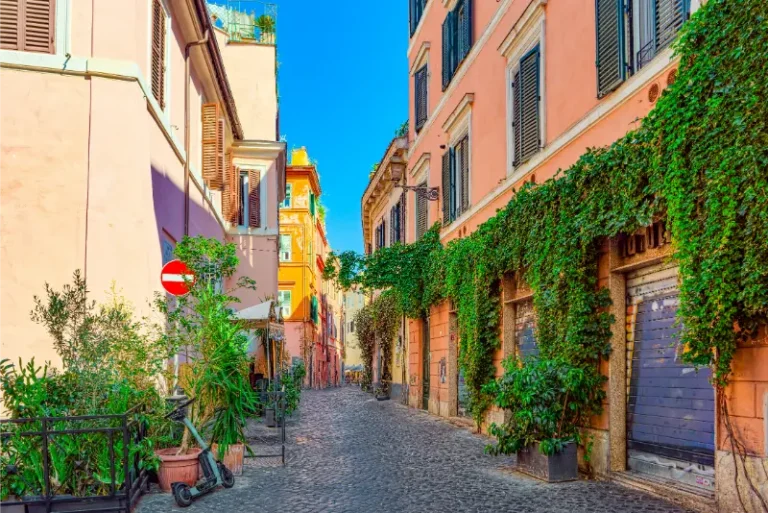
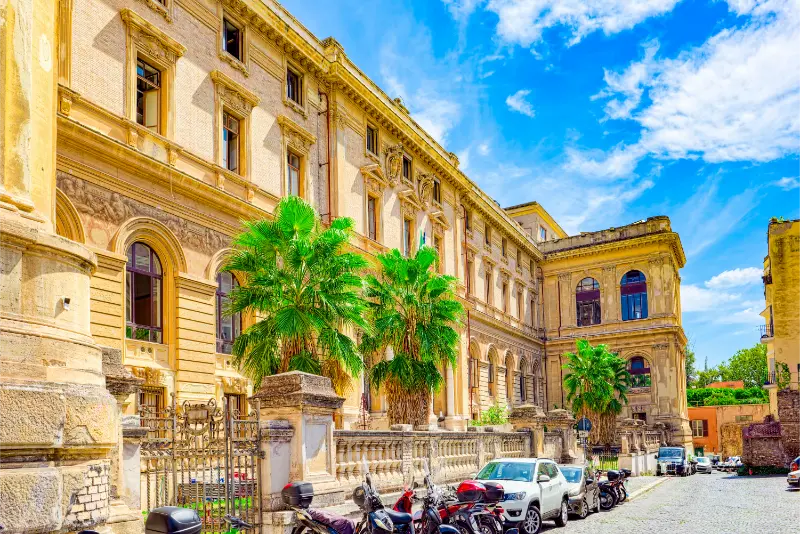
Garbatella is one of the best neighborhoods in Rome for travelers who want to see how the city expanded beyond its historic center. Created in the early 20th century, the district mixes garden-city planning, courtyards, staircases, decorative façades and a strong neighborhood identity. It feels very different from the monumental Rome of the Colosseum, yet it is easy to reach by Metro Line B.
Rome’s official tourism portal describes Garbatella as a “human scale” neighborhood born in the 1920s, influenced by the model of English garden cities and built partly for workers connected with the Ostiense industrial area. That history is visible in its small squares and residential lots, which reward slow walking more than checklist sightseeing.
Why visit Garbatella
Come to Garbatella for urban character, architecture and everyday Rome. Do not come expecting a single world-famous monument. The pleasure is in linking courtyards, stairways, public housing experiments, cafés and views of façades that were designed to make a working neighborhood feel varied and communal.
- Distinctive early-20th-century architecture
- Quiet residential lanes and shared courtyards
- Easy Metro Line B access
- Proximity to Ostiense and Centrale Montemartini
- A strong contrast with the historic center
- Good choice for travelers interested in film, architecture and urban history
How Garbatella developed
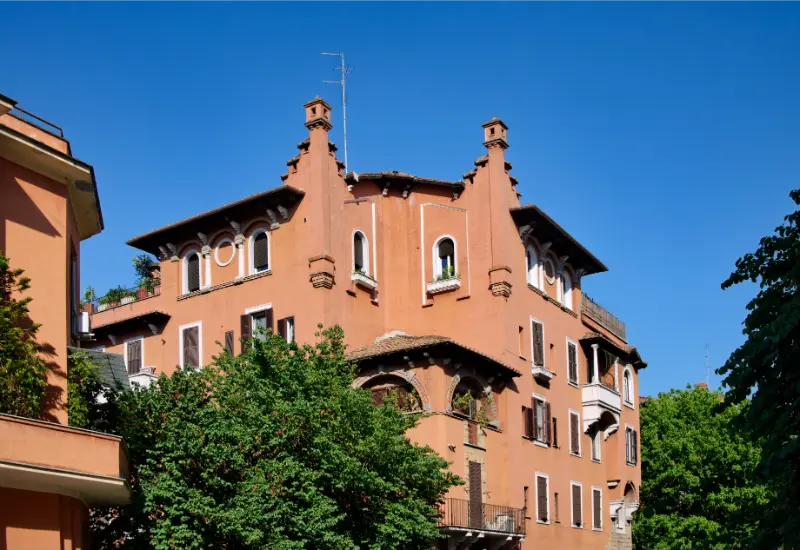
The neighborhood began in the period when Rome was expanding rapidly beyond its old walls. Garbatella’s earliest sections were conceived with greenery, shared spaces and lower-scale buildings rather than endless uniform blocks. Later construction introduced additional architectural languages, making the district feel layered rather than frozen in one style.
You do not need to know architectural theory to enjoy the result. Look at how doors, balconies, stairs, arches and planted courtyards create small visual episodes. Garbatella is more rewarding when you notice the spaces between buildings, not only the façades themselves.
The historic lots — “lotti”
Many of Garbatella’s characteristic residential complexes are organized into numbered lots. These are homes, not an open-air museum, so explore respectfully. Some courtyards are visible from public routes; others are private or semi-private. Do not enter gated areas simply because a travel photo was taken there.
The best approach is to follow public streets, pause where spaces are clearly accessible and let the neighborhood reveal itself gradually. Photography should never interfere with residents entering their homes.
Piazza Benedetto Brin
Piazza Benedetto Brin is associated with the earliest phase of Garbatella and makes a logical starting point for understanding the district. From here, walk uphill and inward rather than staying on the larger roads. The change in scale is immediate.
Piazza Damiano Sauli and the neighborhood core
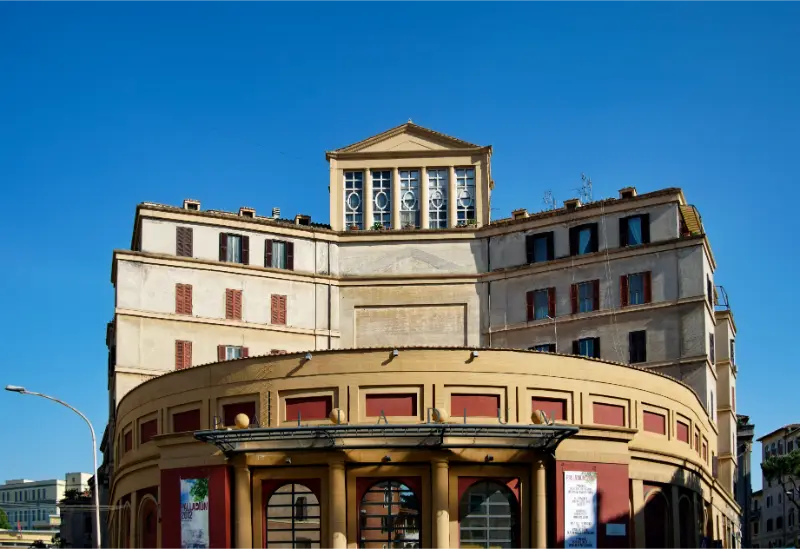
Piazza Damiano Sauli and the streets around it provide a more civic side of Garbatella, with schools, church architecture and neighborhood activity. It is a useful orientation point and a place to slow down rather than rushing through only the most photographed corners.
The Fountain of Carlotta and the Lovers’ Staircase
The Fontana della Carlotta and nearby staircase are among the district’s best-known small landmarks. Their charm comes from scale rather than grandeur. Visit as part of a walking route, not as a stand-alone attraction that justifies crossing Rome for a single photograph.
Street art and contemporary Garbatella
Garbatella is not only a historical planning experiment. Murals and contemporary interventions add another layer to the neighborhood. Street art changes over time, so allow for discovery instead of following an old list image by image. Some works disappear, fade or are replaced.
Garbatella and Italian cinema
The district’s architecture and strong visual identity have made it a recurring presence in Italian film and television. Even if you do not recognize specific locations, you can understand why directors use it: the streets feel distinctly Roman while remaining visually separate from postcard Rome.
How to get to Garbatella
Metro Line B is the simplest option for most visitors. Garbatella station places you within walking distance of the neighborhood, while Piramide can work if you want to combine the visit with Ostiense. Check current service information before traveling, especially in the evening or during planned engineering works.
Combine Garbatella with Ostiense
Garbatella pairs naturally with the Ostiense district, where industrial structures, contemporary culture and Centrale Montemartini create a different urban landscape. This combination makes a strong half-day for repeat visitors who already know the historic center.
If you enjoy places outside the classic circuit, compare this walk with our hidden gems in Rome guide. Garbatella is not “secret,” but it is still far less compressed by tourism than Piazza Navona or Trevi.
Where to eat
Treat lunch as part of the neighborhood rather than a hunt for one viral restaurant. Look for a trattoria, pizzeria or café with a menu suited to your schedule, and verify opening hours because many restaurants close between lunch and dinner. Reservations are useful for popular evening places.
A two-to-three-hour walking plan
| Stage | What to do |
|---|---|
| 1 | Arrive by Metro Line B and walk toward the historic core |
| 2 | Explore Piazza Benedetto Brin and nearby public streets |
| 3 | Continue through the characteristic lotti and stairways |
| 4 | Pause around Piazza Damiano Sauli |
| 5 | See the Carlotta fountain area and continue toward Ostiense if desired |
Do not measure the walk only by distance. Garbatella’s slopes, photo stops and small detours make it slower than a straight-line route. That slower pace is exactly what makes the visit worthwhile.
Garbatella with children
Families can enjoy the neighborhood because there is less pressure to stand in queues, but the visit is still mainly a walking and architecture experience. Give children a simple visual task — finding unusual doors, courtyards or decorative details — and combine the outing with a park or a more interactive attraction later.
Accessibility and surfaces
Garbatella includes slopes, stairs and older pavements. A step-free route may not match the most picturesque walking route shown in blogs. Travelers with reduced mobility should plan around public streets with gentler gradients and use the metro’s current accessibility information before departure.
Best time to visit
Morning gives softer light and quieter residential streets, while late afternoon can be attractive for architecture and dinner afterward. Avoid treating residential courtyards like tourist attractions late at night. In summer, the midday heat makes the slopes less enjoyable.
Common mistakes
- Expecting one major monument instead of a neighborhood walk
- Entering private courtyards without permission
- Following an old street-art list too rigidly
- Visiting only for one famous staircase
- Ignoring nearby Ostiense
- Underestimating slopes and summer heat
Frequently asked questions
Is Garbatella worth visiting on a first trip?
If you have four or more days and enjoy neighborhoods, architecture or local life, yes. On a very short first trip, prioritize Rome’s essential ancient and historic-center sights first.
How long do I need?
Two to three hours is enough for a focused walk; a half-day works better if you add Ostiense, Centrale Montemartini or lunch.
Is Garbatella a nightlife area?
It has restaurants and bars, but its identity is residential and neighborhood-based. Nearby Ostiense may offer more obvious evening venues.
Final advice
Garbatella is best understood as a living neighborhood with architectural history, not a collection of Instagram locations. Walk slowly, stay on clearly public routes, notice the relationship between buildings and shared space, then continue toward Ostiense. It is one of the easiest ways to see a version of Rome that exists beyond imperial ruins and Baroque piazzas.
How to photograph a residential neighborhood respectfully
Use public streets, avoid aiming cameras directly into windows and do not ask residents to move so you can recreate a social-media image. Wide architectural views are often more interesting than close-ups of private doorways. If a courtyard is clearly gated or signed as private, stay outside. Garbatella’s appeal comes from being lived in; respectful behavior helps preserve that character.
A longer modern-Rome day
Architecture enthusiasts can start in Garbatella, move toward Ostiense for Centrale Montemartini and industrial landmarks, then continue by Metro B toward EUR for a completely different 20th-century urban landscape. This is too much for casual sightseeing but excellent for repeat visitors who want a day with almost no overlap with the standard first-time route.
How Garbatella fits into a repeat visit to Rome
On a second or third trip, Garbatella can replace another half-day of central monuments rather than being squeezed into the end of a busy sightseeing day. Give it the same respect you would give a museum district: arrive with time, walk without a rigid photo checklist and stop for coffee or lunch. The neighborhood becomes more meaningful when you notice how public housing, greenery, small civic spaces and later architectural additions work together. If you have already visited Trastevere, Testaccio and Monti, Garbatella is especially useful because it expands your picture of Roman neighborhood life into the twentieth century instead of repeating another medieval or Baroque streetscape.
One final planning principle
For Garbatella Rome, keep the route realistic: protect the experience that matters most, group nearby stops, check only operational details that can change, and leave enough time for transport, security and an unplanned break. Rome is more enjoyable when a day has one clear focus instead of a long list of unrelated pins.