
Parioli Rome Guide: Elegant Streets, Parks, Dining and Where to Stay
Parioli is one of Rome’s best-known upscale residential areas. It is not a district of blockbuster monuments; its appeal comes from leafy streets, apartments, restaurants and a polished everyday atmosphere north of Villa Borghese.
The neighborhood feels spacious by Roman standards. Wide avenues, mature trees, embassies, apartment buildings and neighborhood restaurants replace the dense medieval fabric of the center. It rewards travelers who already know Rome or who value comfort and calm over doorstep sightseeing.
At a glance
| Area type | Historic/residential Rome neighborhood |
|---|---|
| Best for | Best for repeat visitors, couples, business travelers, runners, families who value calmer streets and people attending events in the northern cultural district |
| Main strength | Viale Parioli and the surrounding local streets |
| Getting around | Walking plus public transport, depending on the exact section |
| Stay here if | You want the neighborhood’s character to shape your trip, not just your hotel address |
Why explore this neighborhood
The neighborhood feels spacious by Roman standards. Wide avenues, mature trees, embassies, apartment buildings and neighborhood restaurants replace the dense medieval fabric of the center. It rewards travelers who already know Rome or who value comfort and calm over doorstep sightseeing.
Rome changes dramatically from one district to the next. In Parioli, the value is not simply a list of attractions; it is the way major sights, residential streets and everyday services sit together. Build in unstructured time. A coffee stop, a market visit or a slow evening walk can reveal more about the area than trying to collect every minor landmark.
What to see and do
Viale Parioli
The district’s main commercial spine gives the clearest sense of local life, with cafés, restaurants and shops rather than major monuments. Give yourself enough time to look beyond the obvious façade or photo angle. The surrounding streets often provide the context that makes the stop memorable, and they are usually where the neighborhood feels most distinct from central Rome.
Villa Borghese edge
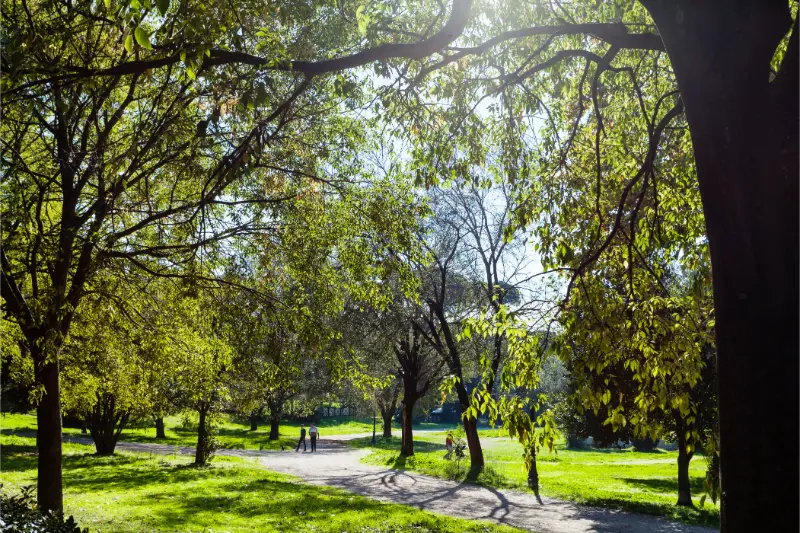
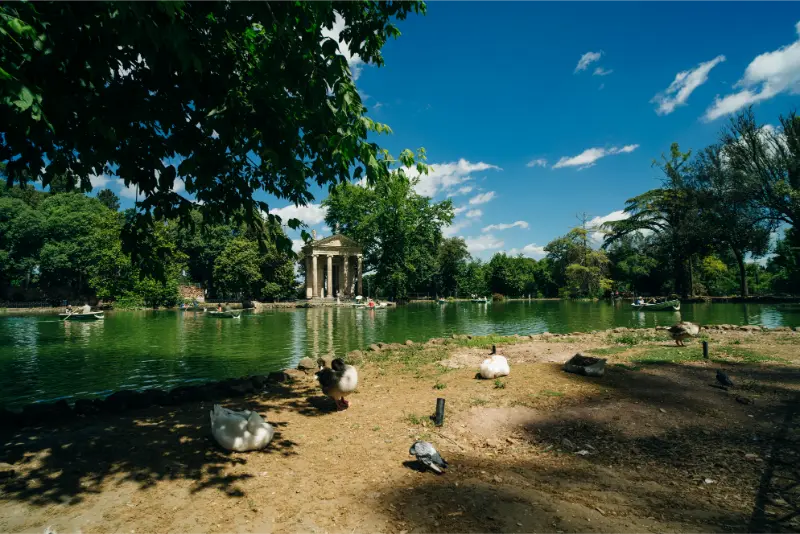
The southern side of Parioli benefits from proximity to Rome’s most famous central park, giving walkers and runners a green route toward the historic center. Give yourself enough time to look beyond the obvious façade or photo angle. The surrounding streets often provide the context that makes the stop memorable, and they are usually where the neighborhood feels most distinct from central Rome.
Piazza Euclide
A useful neighborhood reference point surrounded by everyday services, cafés and transport connections. Give yourself enough time to look beyond the obvious façade or photo angle. The surrounding streets often provide the context that makes the stop memorable, and they are usually where the neighborhood feels most distinct from central Rome.
Auditorium area
The cultural district around the Auditorium is close enough to make Parioli attractive for concertgoers and festival visitors. Give yourself enough time to look beyond the obvious façade or photo angle. The surrounding streets often provide the context that makes the stop memorable, and they are usually where the neighborhood feels most distinct from central Rome.
Residential side streets
Much of Parioli’s charm is simply walking through quieter roads lined with twentieth-century architecture and gardens. Give yourself enough time to look beyond the obvious façade or photo angle. The surrounding streets often provide the context that makes the stop memorable, and they are usually where the neighborhood feels most distinct from central Rome.
A practical walking route
A good introduction starts near the Villa Borghese side, continues north through residential streets to Viale Parioli and Piazza Euclide, then bends west toward the Auditorium area. This is a neighborhood walk rather than a checklist of monuments, so allow time for coffee and observation.
Keep the route flexible rather than treating it as a timed tour. Rome’s pavements, crossings, hills and summer heat can make short map distances feel longer. A good rule is to choose three essential stops and treat everything else as a bonus. This leaves room for an unexpected church, a bakery, a small square or simply a shaded bench.
Where to eat and how to read the local food scene
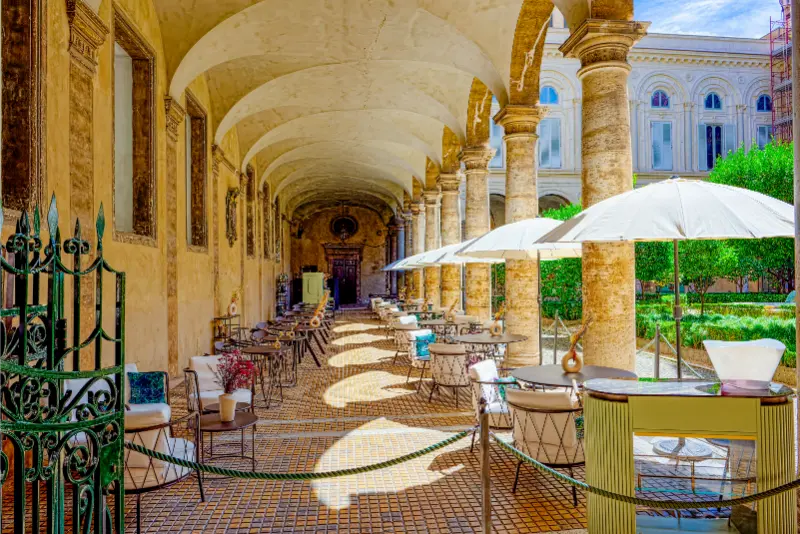
Dining is a real strength. Parioli has everything from polished restaurants to neighborhood pizzerias and pastry shops. Because the clientele is not exclusively tourist-based, the evening rhythm can feel more Roman. Prices vary widely, and fashionable addresses are not automatically better than long-running local spots.
For a more reliable meal, compare several nearby menus before sitting down. A restaurant does not need to be famous to be good, and a long menu in five languages is not automatically a problem, but it is worth checking whether the cooking has a clear Roman identity. Lunch is often the easiest time to try a neighborhood trattoria, while dinner reservations make sense on weekends.
Where to stay
Hotels and guesthouses in Parioli suit travelers who prioritize quiet rooms, taxis, parks and dining. The district can also work for business trips. For first-time tourists, staying near the southern edge reduces transit time and makes Villa Borghese a pleasant walking route into town.
Before booking, open the property on a map and test the walking route to the transport stop you would actually use. In Rome, a difference of 700 meters can mean cobbles, stairs or a significant hill. Read recent reviews specifically for street noise, air-conditioning, elevator access and room size; those details often matter more than a generic star rating.
Getting around
Parioli is less dependent on the Metro than central neighborhoods, so buses, local rail connections and taxis matter more. Check the exact property against the places you plan to visit rather than assuming every Parioli address has the same convenience.
Do not plan the trip around a single transport mode. Rome works best when you combine walking, Metro where useful, buses for cross-neighborhood journeys and occasional taxis when they save a difficult connection. Contactless payment and digital tools can simplify many journeys, but keep a small backup plan in case of service changes or a crowded vehicle.
Who should stay here?
Best for repeat visitors, couples, business travelers, runners, families who value calmer streets and people attending events in the northern cultural district. It is less suitable for travelers who want to step outside the hotel directly into ancient Rome.
What are the drawbacks?
The disadvantage is obvious: most headline attractions require a journey. In exchange you get more space, less tourist traffic and a neighborhood that continues to function normally after sightseeing hours. That can make a longer stay feel much more relaxed.
Combine it with nearby Rome
Use this neighborhood as part of a wider cluster rather than crossing the city repeatedly. Helpful related guides include Villa Borghese guide, MAXXI guide, Rome restaurant guide and Rome bus guide. Grouping nearby sights by area saves time and usually creates a better day than jumping between distant headline attractions.
Practical tips
- Check the exact address: neighborhood names are often used loosely by accommodation websites.
- Plan for walking: comfortable shoes matter even when public transport is nearby.
- Carry water: especially from late spring through early autumn.
- Keep valuables secure: crowded transport and major sights require normal big-city awareness.
- Reserve only what needs reserving: leave part of the day flexible for neighborhood discoveries.
- Look beyond dinner: breakfast bars, bakeries and markets reveal local routines.
- Use the neighborhood at different times: early morning and evening often feel completely different from midday.
- Check accessibility: historic buildings may have steps, small lifts or uneven entrances.
- Do not overpack the itinerary: two major attractions plus a neighborhood walk is often enough for a satisfying day.
- Verify variable details: transport, opening hours and temporary closures can change, so check official sources before a time-sensitive visit.
A suggested half-day plan
Begin with the neighborhood’s most important sight or green space while you are fresh. Follow with a slow walk through residential streets, stop for coffee or lunch, then choose one secondary attraction rather than three. Finish in a square, park or restaurant area where you can sit down. This rhythm works particularly well in Rome because the city rewards transitions between monuments as much as the monuments themselves.
If this area is your accommodation base, reverse the logic on another day: leave early for a major attraction elsewhere, then return before dinner and spend the evening locally. That is one of the advantages of staying outside the most intensively touristed blocks—you can experience a part of Rome after the day-trippers and tour groups have moved on.
Is this neighborhood worth adding to a first trip?
For a short first visit, the answer depends on location and interests. If one of the area’s main sights is already on your list, spending another hour in the surrounding streets is usually worthwhile. If your schedule is only two days and the neighborhood lies away from your planned route, save it for a longer stay. Rome is better when you see fewer districts properly rather than turning the city into a transport exercise.
Frequently asked questions
Is Parioli expensive?
It has a reputation as an affluent district and some restaurants and accommodation reflect that, but prices still vary by street and property type.
Is Parioli good for tourists?
Yes for travelers who value a quieter residential base. It is less efficient for a first-time, landmark-heavy two-day trip.
Can you walk from Parioli to central Rome?
From the southern edge, yes, especially through Villa Borghese. Farther north, public transport or taxis are more practical.
What is Parioli known for?
Elegant residential streets, dining, proximity to Villa Borghese and access to cultural venues in northern Rome.
Is Parioli family-friendly?
It can be a good choice for families who prefer space and calmer evenings, provided the accommodation is well connected to the sights on their itinerary.
Final thoughts
Parioli is one of Rome’s best-known upscale residential areas. It is not a district of blockbuster monuments; its appeal comes from leafy streets, apartments, restaurants and a polished everyday atmosphere north of Villa Borghese. The best way to appreciate it is to avoid treating it as a collection of pins on a map. Choose a few anchors, walk between them slowly and let the neighborhood’s daily rhythm become part of the experience.