
Rome Train Stations Guide: Termini, Tiburtina, Ostiense and Which One to Use
Rome has several useful railway stations, and choosing the wrong one can add unnecessary metro rides, taxis and walking to a travel day. Roma Termini is the main station, but it is not automatically the best station for every journey. Tiburtina is important for high-speed and long-distance services, Ostiense connects with Metro B and regional routes, while San Pietro and Trastevere can be useful for specific parts of the city.
This guide is about practical orientation rather than railway trivia. The goal is to help you understand where each station sits in the city and how to use it as part of an itinerary, airport transfer or day trip.
Roma Termini: the main hub
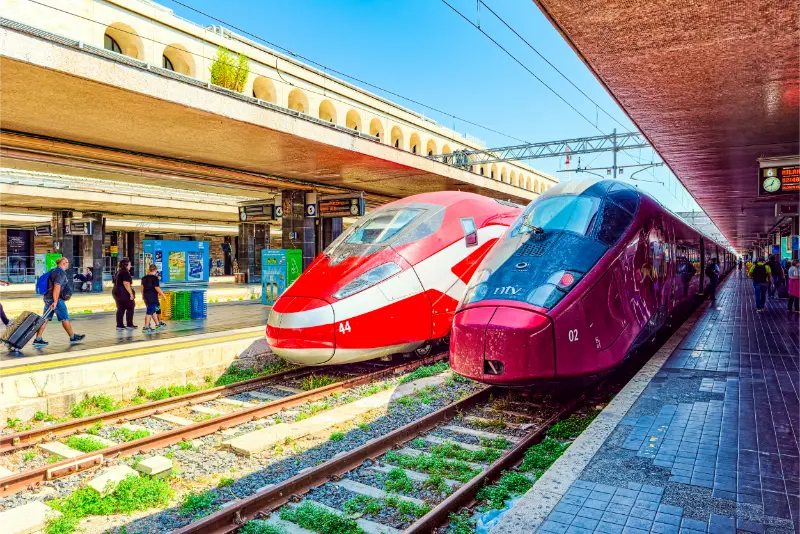
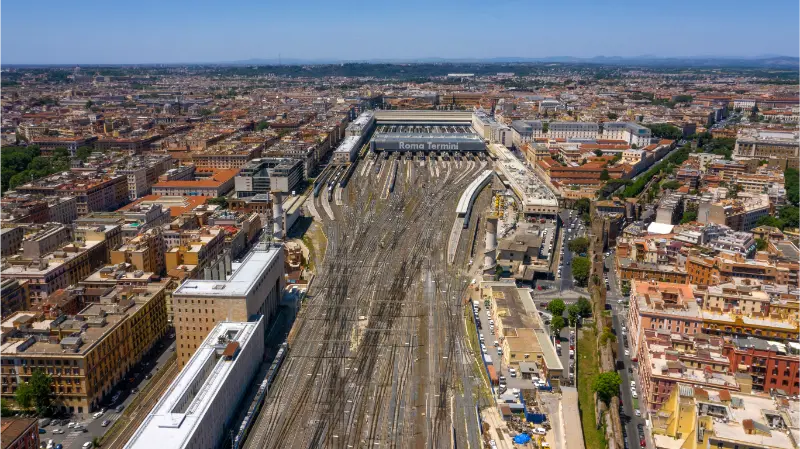
Termini is Rome’s principal railway station and the easiest reference point for most first-time visitors. RFI lists 32 passenger tracks, ticket offices, food services, shops, Wi-Fi, tourist information and direct airport connectivity.
The station connects with Metro A and Metro B, making it useful for the Colosseum, Spanish Steps, Vatican connections and many hotel areas. It is large, so arrive earlier than you would at a small regional station.
The “Laziali” and distant platforms at Termini
RFI notes that some platforms are reached by longer walks along the station. This matters when your ticket shows an outer or “Laziali” platform and you arrive only minutes before departure.
Do not assume every track is directly behind the main concourse. Check the departure board early and begin walking as soon as the platform is confirmed.
Safety and orientation at Termini
Termini is busy and requires normal big-city awareness. Keep luggage close, ignore unsolicited “helpers” at ticket machines and use official staff or clearly marked information points if you need assistance.
The surrounding streets vary block by block. A hotel described as “near Termini” may be convenient, but check the exact street and walking route rather than choosing only by distance.
Roma Tiburtina
Tiburtina is a major high-speed and long-distance station east of the center. RFI lists 17 passenger tracks and connections with metro and bus services, as well as accessibility assistance.
Some high-speed trains stop at both Termini and Tiburtina while others may make one station more convenient. Check your ticket carefully rather than assuming every Rome train uses Termini.
When Tiburtina is better than Termini
If your hotel is near Metro B northeast of the center, Tiburtina may save time. It can also be useful when a specific long-distance service originates or stops there more conveniently.
For travelers staying in the historic center, Termini is usually easier unless the train schedule strongly favors Tiburtina.

Roma Ostiense
Ostiense is useful for regional rail and connects with the Piramide Metro B station area. It can be practical for travelers staying near Testaccio, Aventine or southern central Rome.
It is also relevant for certain airport and regional connections. Check the exact service because “Rome” on a ticket may refer to more than one station.
Roma Trastevere
Trastevere station is not in the tourist heart of Trastevere. It lies farther southwest and requires tram, bus, taxi or additional walking to reach the neighborhood’s best-known streets.
This is a common source of confusion. A station carrying a neighborhood name does not mean you will emerge beside its main piazza.
Roma San Pietro
San Pietro station can be useful for the Vatican and St. Peter’s area, particularly on some regional routes from the west and from Civitavecchia.
It is still not directly inside St. Peter’s Square, so allow time for the final walk or local connection. Cruise passengers should compare it with Termini according to their first sightseeing priority.
Airport rail connections
For Fiumicino Airport, the Leonardo Express connects the airport with Termini, while other regional services can be useful for stations such as Trastevere, Ostiense and Tiburtina depending on the route.
Use our Rome airports to city center guide and check the rail operator for current fares and schedules.
Day trips and high-speed trains
Termini and Tiburtina are the main stations to consider for high-speed trips such as Naples, Florence and other major Italian cities. For regional day trips, the best station depends on the line.
Never choose a hotel or morning route based on a day-trip article without checking which station your specific train uses.
Accessibility assistance
RFI lists assistance services for passengers with disabilities and reduced mobility at both Termini and Tiburtina through its Sala Blu network. Request procedures and service windows can change, so consult the official RFI station page before travel.
If step-free access is important, also verify the final metro or street connection. A railway station may be accessible while the onward route is not equally simple.
Practical planning tips
For official station services and accessibility, use RFI’s pages for Roma Termini and Roma Tiburtina. On travel day, trust the live departure boards for platform information and leave extra walking time inside large stations.
Rome rewards realistic pacing. Distances that look short on a map can take longer because of cobblestones, traffic lights, security checks, photographs and spontaneous stops. Keep some margin around reservations and do not build the day so tightly that one delayed bus or a longer lunch ruins everything that follows.
Who this guide is best for
This guide is useful for first-time visitors, day-trippers, cruise passengers connecting through Rome, travelers using high-speed rail and anyone choosing a hotel partly for transport convenience.
Frequently asked questions
What is the main train station in Rome?
Roma Termini is the main railway hub and the most useful station for many first-time visitors.
Is Roma Tiburtina far from the center?
It is east of the historic center but connected by Metro B and buses. For some hotels and train services it can be more convenient than Termini.
Is Trastevere station in central Trastevere?
No. The station is outside the neighborhood’s best-known historic core, so you will usually need an onward tram, bus, taxi or walk.
Final advice
Think of Rome’s stations as different gateways rather than one central terminal plus minor alternatives. Termini is the default, Tiburtina is a major high-speed hub, and Ostiense, Trastevere and San Pietro can save time when they match your route. Always choose the station around the journey you are actually taking.
Build the day around one clear priority
Choose one experience that would make the day feel successful even if the schedule changes. Once that priority is protected, the rest of the route can stay flexible. This is especially useful in Rome, where a church may close for a service, a bus may be delayed or a neighborhood may simply deserve more time than expected. The best travel plans are structured enough to prevent wasted time but loose enough to let the city surprise you.
Use neighborhoods, not isolated pins
Whenever possible, group stops by area. Crossing Rome repeatedly is one of the easiest ways to lose energy. A morning in the historic center, an afternoon around Villa Borghese or a focused walk through Trastevere usually works better than chasing individually famous places scattered across the city. This also creates more natural opportunities for coffee, lunch and small discoveries between the main sights.
Check only the details that can actually change
Before leaving, verify the few operational details that matter for that specific day: opening hours, timed-entry rules, transport disruptions and temporary closures. Keep the broader advice stable. This approach prevents overplanning and also protects you from relying on an old screenshot or a timetable that has changed since you first organized the trip.
Plan for comfort as well as sightseeing
A refillable water bottle, supportive shoes and a short seated break can improve a Rome day more than adding one extra attraction. In warm weather, move exposed walks toward early morning and evening. In cooler months, use the strongest daylight for parks and viewpoints. Families, older travelers and anyone with mobility concerns should judge routes by surfaces and elevation, not just distance.
Protect your best hours
The first hours of the morning and the period around sunset are unusually valuable in Rome. Early starts reduce crowd pressure at outdoor landmarks, while late afternoon gives better light and a more relaxed atmosphere for piazzas, bridges and viewpoints. Use the middle of the day for lunch, churches, museums or transport when weather and crowds make long outdoor walks less pleasant. This simple rhythm often improves both photographs and energy.
Make reservations serve the itinerary
Timed tickets should anchor the day, not dominate it. Book only the attractions that genuinely benefit from advance reservations, then place flexible sights nearby. If a reservation requires crossing the city at the wrong moment, reconsider the slot rather than forcing the entire day around it. Keep confirmation emails available offline and verify the official entry point, because large attractions can have multiple gates and security lines.
Leave space for Rome itself
Some of the most memorable moments in Rome happen between planned stops: a church with an open door, a market stall, a quiet courtyard, a neighborhood bakery or a sudden view of a dome at the end of a street. A schedule with no breathing room removes the possibility of those discoveries. Protect the essential sights, but leave enough unscheduled time to stop when something genuinely catches your attention.
A simple way to keep the trip flexible
At the beginning of each day, separate the plan into three levels: one essential priority, two or three desirable stops and everything else as optional. This prevents a delay from turning into frustration. If the essential attraction takes longer than expected, drop an optional stop and stay in the same neighborhood. If the day moves faster, add a nearby church, piazza, market or viewpoint rather than crossing Rome for a minor item. Keep transport time, meals and rest inside the schedule instead of pretending they do not exist. Travelers often enjoy Rome more when they finish a day with energy left for an evening walk than when they reach dinner having completed every pin on a map. The city is dense enough that a flexible plan still produces a full day, and the spaces between famous monuments are often where its character becomes most visible. This approach is also useful when weather, religious services, restoration work or public events change access unexpectedly: the day bends without collapsing.