Last Day in Rome: Check-Out, Luggage, Airport and Final Things to Do
A good departure day in Rome protects the journey home while still giving you a final taste of the city. The mistake is treating the morning like a normal sightseeing day and only later remembering luggage, check-out, traffic and the distance to the airport or station.
Plan backward from your required arrival time, store bags if necessary and keep the final activity close to your transfer route. That approach can turn an awkward half-day into one of the most relaxed parts of the trip.
| Departure time | Good final plan | Risk level |
|---|---|---|
| Morning | Breakfast + direct transfer | Low |
| Early afternoon | Short local walk + lunch | Low |
| Late afternoon | One neighborhood + luggage storage | Moderate |
| Evening | Half-day activity with large buffer | Moderate |
Start with the non-negotiable departure time
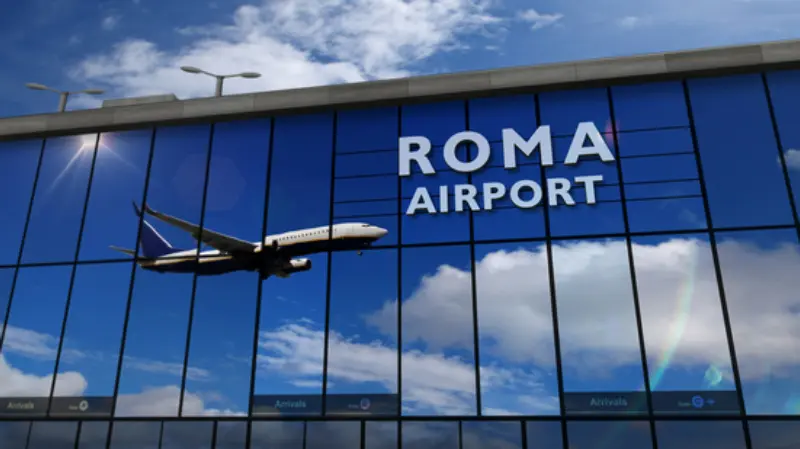
Work backward from the time you must be at the airport or station, not from the time your flight or train leaves. Add check-in or security requirements, transfer time, a buffer for traffic or service disruption and the walk from your accommodation to the pickup point. This is especially important at Fiumicino, where the terminal itself can add time after you arrive at the airport.
Use our Rome airports guide for airport options and Rome train stations guide if you are leaving by rail. Once the safe departure window is clear, everything before it becomes optional rather than stressful.
Check-out does not have to end the day
Many hotels can hold luggage after check-out, and some apartments can suggest nearby services even when they cannot store bags themselves. Ask the day before instead of discovering the situation at 10:00 with suitcases already on the pavement.
If you need an alternative, our Rome luggage storage guide explains the main choices. Store bags only with a service you are comfortable using, keep valuables with you, and choose a location that makes sense for your final transfer rather than simply the closest place.
Choose one compact final area
Departure day is not the moment for a cross-city itinerary. Pick one area that is close to your hotel, luggage storage or transport hub and spend the remaining time there. A coffee, church, market or short neighborhood walk can create a satisfying final morning without putting the journey at risk.
If you are staying centrally, the route in our historic center walking guide can be shortened to one or two stops. Near Termini, Santa Maria Maggiore and the Esquilino area are easier than trying to fit in the Vatican. Geographic simplicity is the key.

What not to book on departure morning
Do not schedule an attraction with a fixed entry time if a delay inside could compromise your transfer. The Vatican Museums, Colosseum complex and large galleries can take longer than expected because of security, queues, navigation and the simple temptation to stay longer.
Even a supposedly short guided experience can start late or end in a different location from where it began. If you absolutely want one ticketed attraction, choose it only when your departure is late in the evening and leave a generous buffer.
Breakfast, lunch and the final coffee
Departure day is a good time for a relaxed breakfast or early lunch because food plans are easy to shorten if the clock changes. Choose somewhere near your route, not a restaurant across town that you saved for the last day.
If you still want one classic Roman ritual, use our Roman breakfast guide or coffee guide and keep it simple. The goal is to enjoy the last hours rather than spend them checking the time every five minutes.
Last-minute shopping without turning it into a mission
Buy final gifts in an area you are already visiting. Our Rome souvenirs guide explains what is useful and what is mostly tourist clutter. Avoid carrying liquids or food products that could create problems with airline security or destination customs.
If you are flying with only cabin baggage, check restrictions before buying wine, olive oil or large toiletries. Keep receipts for higher-value purchases and pack fragile items where they are less likely to be crushed.
Getting to Fiumicino or Ciampino
For Fiumicino, the direct train from Termini is often a straightforward option, but your hotel location may make another route easier. See the Leonardo Express guide for the direct rail service and the taxi guide for official taxi information.
Ciampino typically requires a different combination of bus, taxi or local connections, so do not assume the same strategy works for both airports. Recheck the route on the day of travel because road conditions, strikes or service changes can affect the plan.
Leaving by high-speed train
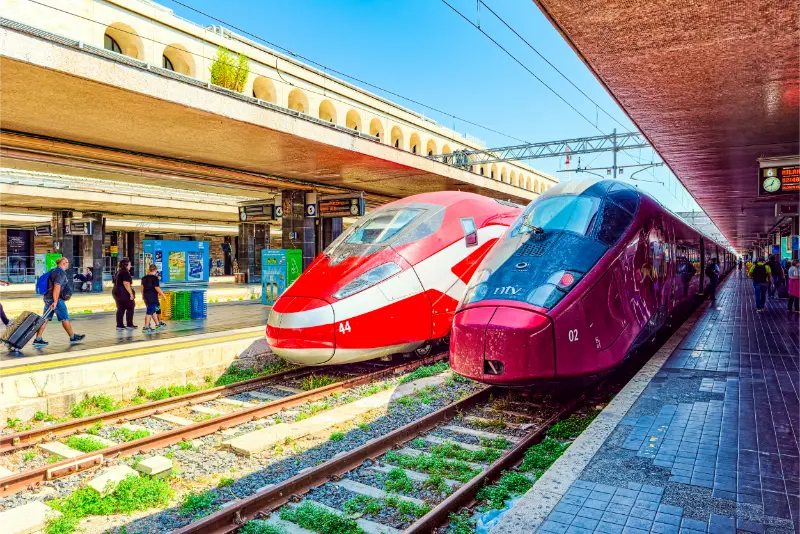
Termini is the main departure point for many intercity and high-speed services, but some trains also use Tiburtina or other stations. Read the ticket carefully and confirm the station name before ordering a taxi or boarding the metro.
Arrive with enough time to find the platform, but there is usually no need to be at the station hours early for a domestic train. Keep an eye on electronic departure boards and do not rely only on a platform number saved from an old screenshot.
Departure with children or older travelers
Build more margin when someone in the group moves slowly, needs frequent bathroom breaks or becomes tired by long station walks. A taxi or direct transfer may be worth the cost if it eliminates stairs and multiple changes.

Families can use the final hours for a park or open square rather than a museum. Our Rome with kids guide includes low-pressure ideas that work well when attention is already shifting toward the journey home.
Weather and disruption planning
Rain, heat or a transport strike can make a normal transfer slower. Check the conditions before leaving the hotel and keep one backup route in mind. Our rainy-day guide is useful if your last sightseeing block suddenly becomes impractical.
If a disruption is announced, do not wait until the last possible moment to adapt. Leaving earlier is usually less costly than missing a flight or long-distance train. The final day is one place where extra buffer is genuinely valuable.
Before you leave the room
Do a deliberate final sweep rather than relying on memory. Check the safe, electrical outlets, bathroom shelves, under the bed and inside drawers. Travelers often leave chargers, adapters, medication and passports because those items were placed out of sight.
Photograph the room if you are using a short-term rental and the host’s instructions make that useful, dispose of rubbish as requested and return keys in the agreed way. Save the property contact until you are well away in case you realize something is missing.
Use the final hours to finish the trip well
Departure morning does not need to feel like dead time. One peaceful walk, a favorite coffee bar or a final view can be more memorable than squeezing in an attraction you were not especially interested in. Choose something that closes the trip emotionally rather than just adding another item to the list.
Leave Rome with a little time to spare. The difference between arriving at the airport calmly and sprinting through a terminal is usually not a major sightseeing sacrifice; it is simply better planning.
Check payments, city tax and accommodation details before walking out
Resolve the hotel bill before the final transfer becomes urgent. Ask whether the accommodation has already collected the city tax, confirm any extras and keep the receipt if you may need it later. Our Rome tourist tax guide explains the basic system and why the amount can vary by accommodation type and stay length.
Also make sure the property has the correct email address for a final invoice or any item-left-behind contact. If a deposit or preauthorization was involved, keep the booking confirmation until the charge has been fully settled. These are small details, but they are much easier to handle at reception than from an airport gate.
Keep travel documents and valuables accessible during the last transfer
Do not bury passports, train tickets, medication or power banks in the middle of a large suitcase just because you are leaving the hotel. Keep the items you may need during the journey in a personal bag that stays with you. If baggage is checked later, essential medication and documents should normally remain in hand luggage.
Busy stations and airport transfers are moments when attention is divided, so use the same precautions described in our Rome safety guide. Count your bags each time you change vehicle, avoid placing a phone loosely on a taxi seat and check the luggage compartment before a driver leaves.
Departure-day mistakes
- Booking a major museum too close to the transfer window.
- Leaving luggage planning until after check-out.
- Confusing Termini and Tiburtina or Fiumicino and Ciampino.
- Buying liquids or bulky souvenirs that do not fit travel rules.
- Using the last practical transport connection with no backup.
- Crossing Rome for one final restaurant or shop.
Frequently asked questions
Can I sightsee after checking out?
Yes. Store luggage safely and choose an area close to your accommodation, station or transfer route.
How early should I leave for the airport?
It depends on the airport, airline and transport method. Work backward from the airline’s recommended arrival time and add realistic transfer and disruption buffers.
Is it worth booking a tour on departure day?
Usually only with a late departure and a generous margin. Flexible outdoor sightseeing is safer than a long timed experience.
Final advice
Protect the departure first, then use whatever time remains. A short, local final experience is almost always better than a rushed cross-city plan. Store bags, recheck the correct airport or station and leave enough margin to end the trip calmly.