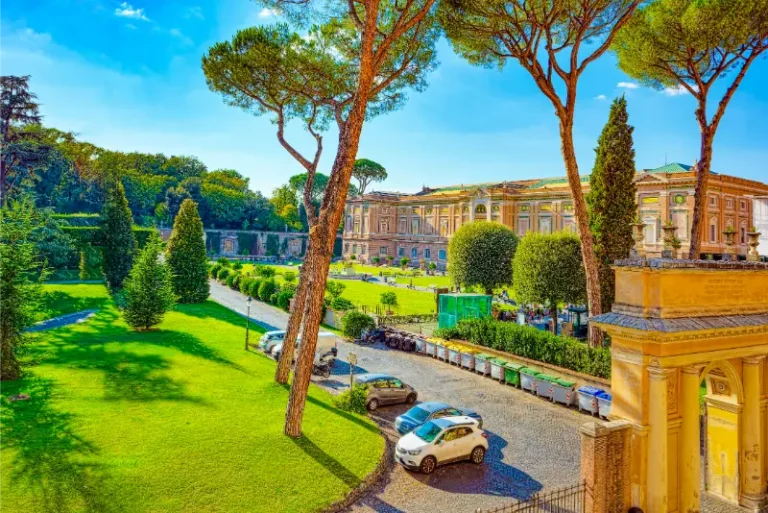

Rome Supermarkets Guide: Groceries, Snacks, Water and Shopping Tips
Supermarkets are one of the simplest ways to make a Rome trip easier. Even travelers who plan to eat every dinner in a restaurant can use them for breakfast, fruit, snacks, sunscreen, water, baby supplies and picnic food. Apartment guests can go further and build a few meals around fresh pasta, vegetables, cheese and ready-to-eat products without turning the holiday into a cooking project.
Rome has large supermarkets, neighborhood grocery stores and small city-center convenience formats. The trade-off is predictable: the most central mini-markets are convenient but often have less choice and higher prices than larger stores a few streets away. Learning a few labels and shopping at the right time can save both money and unnecessary restaurant stops.
Quick facts
| Common chains | Conad, Coop, Carrefour, PAM/Panorama and discount chains such as Todis or Lidl |
| Best for travelers | Breakfast, snacks, picnic lunches, water, toiletries and apartment basics |
| Price tip | Small central convenience stores can cost more than larger neighborhood branches |
| Water tip | Rome tap water is potable; refill bottles at nasoni when practical |
| Sunday | Many stores open, but hours vary by branch |
What types of grocery stores you will find
Large supermarkets carry the widest range of produce, dairy, meat, packaged food, household supplies and toiletries. City-center branches are often smaller and designed for quick shopping. Discount supermarkets focus on lower prices and private-label products. Independent alimentari and specialty shops can be excellent for cheese, cured meats, bread or local products but are not always the cheapest place to buy a full basket.
Do not judge a chain by one branch. A “Carrefour Express” and a large Carrefour are different shopping experiences; the same principle applies to other brands with multiple formats. Search the exact branch near your accommodation and look at current opening hours before making a special trip.
Common supermarket chains in Rome
Conad, Coop, Carrefour and PAM/Panorama are common names visitors may encounter, while discount chains such as Todis and Lidl can be useful outside the premium core. Availability depends on neighborhood. The best supermarket is usually the good branch five minutes from your hotel, not the chain somebody declared “best in Italy” online.
If you are staying in Trastevere, Prati, Esquilino or Testaccio, you will also find local food shops and markets that can complement supermarket shopping. Our Rome markets guide explains when markets are more interesting than standard grocery stores.

Opening hours and Sundays
Many Rome supermarkets open into the evening and a substantial number trade on Sunday, but there is no single citywide schedule. Small branches may close earlier, while stores near stations and tourist areas can keep longer hours. Public holidays create more variation. Always check the exact branch on the day if you are depending on it for an evening arrival.
The safest strategy for late flights is to buy a small emergency snack and breakfast before the final shop closes, rather than assuming a store beside your apartment will be open at midnight. If you arrive very late, station and airport shops may have longer hours but usually cost more.
Best supermarket breakfasts
A simple breakfast basket can include yogurt, fruit, bread, jam, packaged cornetti, cereal and coffee if your accommodation has facilities. This can save time on early attraction days while still leaving room for a proper bar breakfast later in the trip. Families often appreciate having familiar food available before everyone leaves the room.
If you have dietary restrictions, packaged supermarket products are often easier to verify than an unlabeled buffet. Look for allergen information and recognized gluten-free or vegan labeling. For the cultural side of breakfast, see our Roman breakfast guide.
Picnic food for parks and trains
Supermarkets are ideal for a train picnic or park lunch: fresh fruit, bread, cheese, sliced meats, olives, salads and packaged snacks are easy to assemble. Choose foods that travel well and avoid buying items that need a knife if you will be eating on a train or park bench. A small pack of napkins and a reusable bag makes the meal easier.
Villa Borghese and Villa Doria Pamphilj are pleasant places for a casual lunch, provided you respect local rules and remove all waste. For day trips, a supermarket breakfast before an early train can be more reliable than hoping a station café has the exact food you want.
Water: you may not need to buy much
Rome’s tap water is potable, and the city’s nasoni provide free drinking water in many public areas. Buy one durable bottle or reuse a suitable bottle and refill it instead of purchasing multiple small bottles daily. This saves money and reduces plastic waste.
If you prefer bottled water, supermarket multipacks are much cheaper than buying individual bottles beside major monuments. Our drinking water guide explains nasoni etiquette and practical refill tips.
Apartment cooking without wasting your vacation
An apartment kitchen is most useful for breakfast, simple pasta, salad and snacks. Do not buy a week of groceries on the first day unless you genuinely intend to cook. Travelers often overestimate how many evenings they will eat at “home” once they discover restaurants and aperitivo.
Buy for one or two meals at a time. Fresh ravioli, tomato sauce, vegetables and grated cheese can make an easy dinner when everyone is tired. Keep the kitchen plan simple enough that shopping, cooking and cleaning do not consume the time you saved by renting an apartment.
How to read useful Italian labels
“Senza glutine” means gluten-free, “senza lattosio” means lactose-free, “vegano” means vegan and “vegetariano” means vegetarian. “Da consumarsi entro” indicates a use-by date, while “da consumarsi preferibilmente entro” is closer to best-before wording. Refrigerated products should go into your hotel or apartment fridge promptly.
For allergies, ingredient lists and bold allergen declarations matter more than front-of-pack marketing. If you have celiac disease, use our gluten-free Rome guide and recognized AIC resources rather than relying only on supermarket shelf placement.
Bagging, weighing produce and checkout habits
Some Italian supermarkets require customers to weigh loose fruit and vegetables before checkout and attach the printed label; others use scales at the register. Watch what local shoppers do or ask staff. Reusable bags are helpful, and single-use bags may carry a small charge.
At busy city branches, have your payment ready and pack efficiently. Card payment is common. Keep the receipt until you leave in case a security gate or price issue requires it. If you are using a self-checkout, do not rush unfamiliar produce codes—staff can help.
Supermarkets versus tourist mini-markets

Tiny stores beside major attractions can be convenient for one cold drink, but buying your full breakfast and snack supply there may be unnecessarily expensive. Walk two or three streets away and compare a proper supermarket. The price difference matters more over a week than over one emergency purchase.
That said, time also has value. Do not spend 45 minutes crossing Rome to save €3 on groceries. The goal is a sensible branch near where you already are. Our Rome trip cost guide uses the same principle: optimize the large expenses first.
What is worth buying as edible souvenirs
Supermarkets can be surprisingly useful for gifts: packaged coffee, chocolate, biscuits and regional products are easy to carry and usually priced more transparently than souvenir shops. For olive oil, wine, cheese and cured meat, check airline liquid and customs rules for your destination before buying.
A specialty food shop may offer better quality and advice for an important gift. Use the supermarket for everyday products and recognized brands; use specialist shops when provenance and tasting matter. See our souvenir guide for broader ideas.
Families and baby supplies
Larger supermarkets usually stock diapers, wipes, baby food and basic personal-care items, while pharmacies may have more specialist infant products. If your child uses a very specific brand or formula, bring enough for the first days and identify a suitable store before arrival.
Families also benefit from carrying simple snacks during long queues. Fruit pouches, crackers and water can prevent a small delay from becoming a difficult afternoon. Our Rome with kids guide includes pacing and meal strategies for family sightseeing.
Common mistakes
Do not assume every supermarket is open late on Sunday. Do not buy huge quantities on day one. Do not purchase chilled food if your room has no reliable refrigerator. Do not treat the nearest tourist mini-market as the city’s normal price level.
Also remember that a supermarket is a support tool, not a substitute for Rome’s food culture. Save money on water and routine breakfast if you want, then spend deliberately on the carbonara, pizza, market lunch or aperitivo you came to experience.
Frequently asked questions
Are supermarkets in Rome open on Sunday?
Many are, especially in central areas, but opening hours vary by branch and holiday. Check the exact store rather than assuming.
Can I drink tap water in Rome?
Yes. Rome tap water is potable, and public nasoni are useful for refilling bottles.
Which supermarket chain is best?
There is no single best chain. Choose a well-stocked branch near your accommodation; store format and location matter more than the logo.
Can I find gluten-free and vegan products?
Yes. Larger supermarkets usually carry clearly labeled dietary products, but travelers with medical allergies should still read ingredients and use specialist resources.
The smartest way to use supermarkets in Rome
Use supermarkets to remove friction: breakfast before an early reservation, fruit for a train, water for a hot day, baby supplies and a simple dinner when everyone is tired. Then use the money and time you save on the food experiences that actually make Rome memorable.