How Much Does a Trip to Rome Cost in 2026? Daily Budget Guide
Rome can be visited on very different budgets, which is why a single “average daily cost” is rarely useful. One traveler may stay in a hostel, walk everywhere and focus on free churches and viewpoints; another may choose a four-star hotel, timed museum tickets, taxis and a guided Vatican tour. The useful question is not “Is Rome expensive?” but “Which parts of my trip are fixed, which are optional and where will extra spending genuinely improve the experience?”
This 2026 guide uses planning ranges rather than pretending that hotel and restaurant prices are fixed. Official transport and attraction prices are easier to anchor; accommodation and dining move by season, neighborhood and booking date. Use the ranges below as a framework, then replace them with your actual quotes. For a lower-cost strategy, compare our Rome on a budget guide.
Quick facts
| Budget traveler | Roughly €70–€130/day plus flights, depending heavily on accommodation |
| Mid-range traveler | Roughly €150–€280/day plus flights |
| Comfort-focused traveler | €300+/day can be easy with central hotels, tours and taxis |
| ATAC BIT | €1.50 for 100 minutes |
| Tourist tax | Usually charged separately by accommodation category |
The biggest variable: accommodation
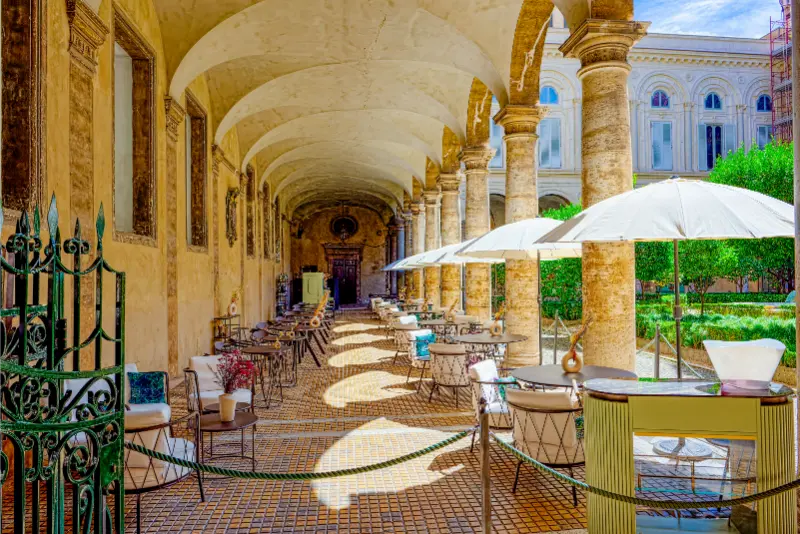
Accommodation is usually the largest cost and the least stable. A bed in a hostel dorm, a simple guesthouse room and a central four-star hotel can differ by hundreds of euros on the same night. Spring weekends, Easter, major events and autumn high season often price very differently from quieter winter dates. Search your exact dates before deciding that Rome fits a certain daily budget.
Location changes the calculation too. Paying more to stay centrally can reduce transport time and taxi use. Staying farther out can save money but may add commuting and make late dinners less convenient. Use our where to stay in Rome guide to compare neighborhoods instead of choosing by room price alone.
Do not forget the tourist tax
Rome’s accommodation tax is generally charged per person per night, with rates based on accommodation type and category. It is often not included in the headline room price shown in the first search result. The amount can therefore become significant for two adults staying several nights in a higher-category hotel.
Read our Rome tourist tax 2026 guide and confirm the current rate with your accommodation. Budget for it as a separate line item rather than a surprise at checkout. Exemptions can apply to certain travelers, but do not assume you qualify without checking the municipal rules.
Food budget: cheap meals versus sit-down dining
Rome is flexible for food. Breakfast standing at a bar can be inexpensive, pizza al taglio and sandwiches can keep lunch costs moderate, and free drinking water from public fountains reduces the need to buy bottles constantly. Sit-down restaurants, wine, desserts and prime tourist locations raise the bill quickly.
A practical budget traveler might mix one simple restaurant meal with cheaper food each day. A mid-range traveler can plan for a proper dinner and casual lunch. The cost is not only the menu price: check coperto or service information and learn local tipping expectations in our tipping guide. Our restaurant guide explains how to avoid paying high prices for mediocre food in the most tourist-heavy streets.
Transport costs are relatively predictable
ATAC’s standard BIT remains €1.50 for 100 minutes in 2026. Day and multi-day passes cost more but can make sense if you use the network heavily. Many first-time visitors walk so much that they overestimate how many rides they need. Map your hotel and major sights before buying a pass automatically.
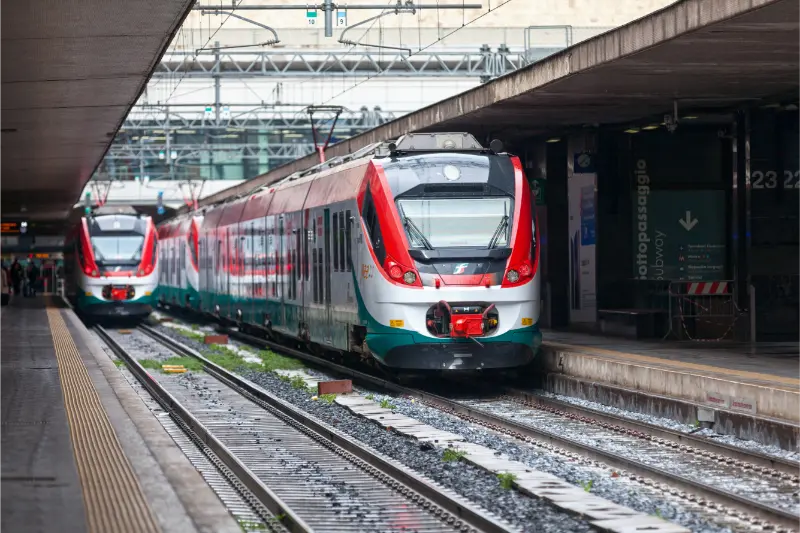
Airport transfers are a separate category. The Leonardo Express costs more than an urban ticket, while taxis have fixed-fare rules for defined central zones. Compare our Rome airports, Leonardo Express and taxi guides. A family of four may find the value calculation different from a solo traveler.
Attraction tickets: build a “must-pay” list
Rome has an extraordinary amount to see for free: squares, fountains, many churches, viewpoints and streets. Major paid attractions then become easier to budget. Make a list of the experiences that truly require tickets—perhaps Colosseum, Vatican Museums, Borghese Gallery and one or two specialist museums—then price those exact choices.
Do not buy a city pass simply because the total advertised value looks high. Compare what you would genuinely visit and the transport you would actually use. Our Rome city passes comparison shows why the best pass depends on itinerary rather than on a universal recommendation.
Guided tours: when the extra cost is worth it
A good guide can add substantial value at complex sites such as the Roman Forum or Vatican Museums, especially for first-time visitors who want context rather than a self-guided checklist. But booking guided tours for every monument can double the sightseeing budget and create a rigid schedule.
Choose one or two places where interpretation matters most to you. Use free or self-guided exploration for squares, neighborhoods and churches. This mixed approach keeps spending under control while still paying for expertise where it changes the experience.
Coffee, gelato and small daily spending
Small purchases seem trivial but accumulate. Two coffees, gelato, bottled drinks, snacks and an aperitivo can add a meaningful daily amount. None of these needs to be eliminated; they are part of enjoying Rome. The budgeting trick is to recognize them rather than pretending food spending means only lunch and dinner.
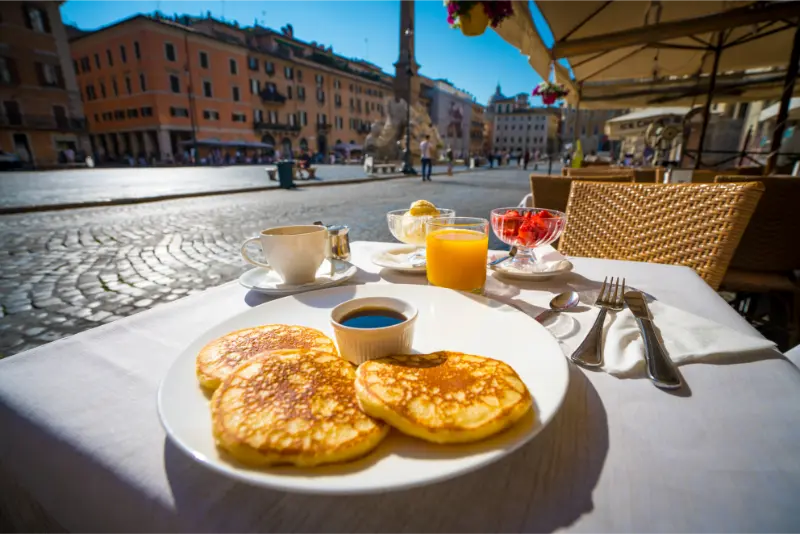
Standing at a bar is often cheaper than table service in a prime piazza. Refill a bottle from Rome’s nasoni when appropriate; see our drinking water guide. For better-value gelato and coffee choices, read our gelato guide and coffee guide.
Shopping and souvenirs
Souvenir spending ranges from zero to unlimited. Set a personal amount before entering the busiest shopping streets. Quality food products, books and locally made objects can be more satisfying than generic “Rome” merchandise, but airline baggage rules matter if you plan to carry liquids or heavy items home.
Our Rome souvenirs guide explains what is genuinely connected to the city and what to treat cautiously. If fashion shopping is part of the trip, keep it outside the daily sightseeing budget so it does not distort your estimate of travel essentials.
Sample budget: low-cost city break
A low-cost traveler might use a dorm bed or simple room outside the premium core, walk most of the day, buy only a few essential attraction tickets and rely on casual food. The result can fall around €70–€130 per person per day before flights, but only if accommodation is found at the lower end. On expensive dates, the room alone can push the total above this range.
The advantage of Rome is that free experiences are not second-rate. Trevi Fountain, Spanish Steps, Piazza Navona, many major churches and panoramic walks can form a memorable day. Saving money does not require spending the trip in marginal areas or skipping the historic center.
Sample budget: mid-range first trip
A mid-range traveler using a well-located hotel or guesthouse, eating one good sit-down dinner daily, buying major attraction tickets and taking occasional taxis may spend roughly €150–€280 per person per day before flights. Couples sharing a room often have a lower per-person accommodation cost than solo travelers.
This range has enough flexibility for one or two guided experiences without turning every activity into a premium product. It is also the level at which location becomes a strategic choice: spending slightly more on a hotel near the historic center may reduce transport and save time.
Sample budget: comfortable or premium travel
Once you choose four- or five-star central hotels, private transfers, frequent taxis, fine dining and private guides, €300 per person per day is easy to exceed. There is no meaningful upper ceiling. The key question becomes value rather than affordability: which upgrades save time, reduce stress or create an experience you care about?
A private airport transfer may be worth more after an overnight flight than an expensive tasting menu. A hotel with an elevator may matter more than a rooftop view to a traveler with mobility concerns. Premium budgeting should be personal, not a race to buy the most expensive version of every activity.
How to build your own Rome budget in 15 minutes
Start with confirmed accommodation including taxes and fees. Add airport transfers. Add the exact timed attractions you consider essential. Estimate food using your normal travel style, then add a daily small-spending allowance. Finally add 10–15 percent contingency for spontaneous choices, price changes or transport disruptions.
Keep flights separate because airfares depend more on origin than on Rome itself. Also keep shopping separate. This gives you a clean “cost of being in Rome” number that is much easier to compare between trip lengths and hotel options.
A useful budget has three separate columns: the costs you must pay before arriving, the costs you will pay locally and the optional experiences you can remove if necessary. Put accommodation, intercity travel, airport transfers and any reserved attractions in the first group. Add a realistic allowance for meals, public transport, local taxes and small daily expenses in the second. Finally, list extras such as guided tours, rooftop drinks or premium museum experiences. Compare the total for the entire party, not just the price per person, and keep a modest buffer for a rainy-day taxi or a change of plans. This makes spending decisions far less stressful once you arrive.
Where not to cut costs
Do not save a few euros by using an unofficial ticket seller whose terms you do not understand. Do not choose an unsafe or exhausting accommodation commute just to reduce the room rate. Do not skip water, proper meals or necessary transport in extreme heat. Budgeting should remove waste, not reduce basic comfort.
Likewise, do not avoid every paid attraction. The Colosseum, Vatican Museums or Borghese Gallery may be the experiences you remember most. Cut costs around priorities, not through them.
Saving money works best when it does not create unnecessary travel or compromise an attraction you came specifically to see. A bargain hotel far outside the areas you plan to visit can mean extra transport, earlier starts and less flexibility during the day. Likewise, choosing the cheapest possible arrival transfer without checking operating hours can be expensive if your flight is delayed. Spend first on the parts of the trip that are hard to replace, then save through simple breakfasts, refillable water bottles and neighborhood meals. Rome has enough free churches, squares and viewpoints to make an enjoyable afternoon without a paid ticket.
Frequently asked questions
How much money do I need per day in Rome?
A realistic planning range can run from about €70–€130 for budget travel to €150–€280 for mid-range travel, with comfortable travel easily exceeding €300. Accommodation is the largest variable.
Is Rome more expensive than other Italian cities?
It can be expensive in the most central tourist areas, but free attractions, public water and extensive walking make the city more flexible than headline hotel prices suggest.
Do I need cash?
Cards are widely accepted, but carrying a modest amount of euro cash is useful for small purchases and backup. See the dedicated money guide.
Should I buy a city pass to save money?
Only after pricing the attractions and transport you will actually use. A pass is not automatically cheaper for every itinerary.
The best budgeting principle
Spend on what changes your trip and save on what does not. Rome is unusually good for this approach because extraordinary public spaces and churches sit beside expensive premium experiences. A clear priority list lets you enjoy both without turning every decision into a financial compromise.