Rome Hop-On Hop-Off Bus Guide: Is It Worth It and How to Choose
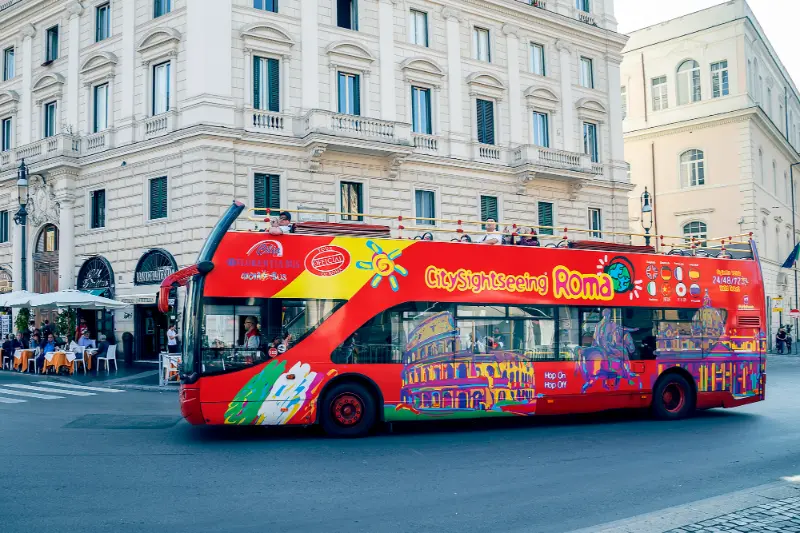
A hop-on hop-off bus in Rome can be useful, but it should be judged as a sightseeing product rather than ordinary public transport. You are paying for an easy loop, elevated views and multilingual commentary, not the fastest way between every landmark. Rome’s pedestrian areas, traffic restrictions and roadworks mean the bus cannot stop directly beside all famous sights, so the experience works best when you understand its limitations before buying.
Quick facts
| Best for | First orientation, limited walking, families | Especially useful on arrival afternoon |
| Weakness | Traffic and stop distance | Not a substitute for metro |
| Ticket styles | 24/48/72h and variations | Depends on operator |
| Before buying | Check live route and suspended stops | Road works can change service |
| Alternative | ATAC public transport | Much cheaper for point-to-point travel |
What you are actually buying
Hop-on hop-off buses follow a sightseeing loop with commentary and designated stops. The appeal is simplicity: board, sit above street level, understand the city’s layout and get off near selected monuments. This can be a pleasant first afternoon when you are tired after travel.
The product is not designed to beat the metro in traffic. If you need to reach a 10:00 Colosseum reservation from a hotel near Metro A, public transport or a taxi may be more reliable.
Why routes and stops change
Rome frequently changes road access for construction, security, ceremonies and major events. In 2026, for example, one prominent Vatican/Rome open-bus product currently warns that its Colosseum stop is suspended until further notice. That is exactly why you should check the operator’s live route on the day.
Do not choose a bus solely from a generic map shown on a reseller page. Verify which stops are operating, how far they are from your priorities and whether the direction of the loop makes sense for your itinerary.
How ticket duration works
Operators sell different duration products, often 24, 48 or 72 hours, while some city-card bundles include panoramic bus access. Activation rules vary: some use hours from first scan, while others use calendar-style conditions or separate receipts.
Read the exact terms before boarding. If you activate a 24-hour product late in the afternoon, check whether it remains valid until the same time next day or follows the operator’s service-day rule.
When it is worth the price
A panoramic bus is most valuable for travelers who enjoy commentary, families who need a low-effort orientation, visitors with limited walking capacity who can manage the bus steps, and people using the ride itself as an attraction. It can also fill the gap between hotel check-in and dinner without committing to a museum.
It is less valuable for travelers who already know Rome, people with a very dense timed-ticket schedule, or anyone expecting door-to-door transport to pedestrian landmarks.
Hop-on hop-off versus ATAC
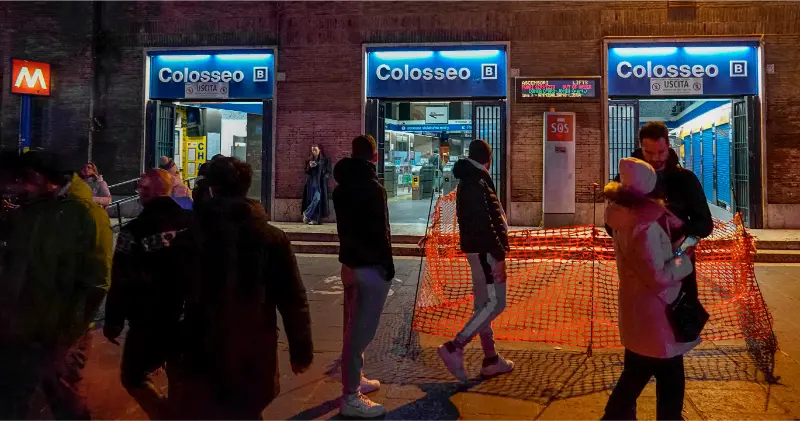
ATAC buses, trams and metro are vastly cheaper for transportation. A public-transport pass is about mobility; a sightseeing bus is about a curated loop and commentary. They solve different problems.
Compare our Rome bus guide, Rome Metro guide and city-pass comparison before paying for both.
City-pass bundles
Some commercial or religious-tourism city passes include panoramic buses. The official OMNIA products, for example, currently bundle open-bus access in certain packages. If you already want the other included attractions, the bus may add value; if not, a bundle can be an expensive way to buy a sightseeing ride.
Calculate the individual prices of services you genuinely want. Avoid “savings” calculations that count activities you would never have purchased separately.
Accessibility, children and weather
Open-top decks expose you to sun, wind and rain. Summer midday rides can be extremely hot; winter evenings can be colder than expected. Bring sun protection or a layer according to season.
Accessibility varies by vehicle and operator. Families should check stroller policies and whether upper-deck stairs are practical. Travelers with reduced mobility should confirm the boarding arrangement directly with the chosen operator before purchase.
Frequently asked questions
Is a hop-on hop-off bus worth it in Rome?
It can be for orientation, commentary and low-effort sightseeing, but it is not the fastest or cheapest point-to-point transport.
Does the bus stop at the Colosseum?
Stops can be suspended or moved. Check the exact operator’s live route before buying.
Is public transport cheaper?
Yes. ATAC tickets and passes cost far less if you simply need transportation.
Are hop-on hop-off buses included in city passes?
Some bundles include them, including certain OMNIA products. Check the current inclusions.
Should I buy tickets in advance?
Advance purchase can be convenient, but first verify the route, weather and stop availability for your dates.
How to build this into a real sightseeing day
Rome transport works best when you organize each day by area rather than crossing the city repeatedly. Put one fixed reservation at the center of the schedule, then add flexible sights that can be reached without several transfers. If a route depends on a bus, tram or road traffic, leave a margin before a timed entrance. The Rome Metro guide is useful when rail can replace a slower surface journey.
On the morning of travel, check the live operator rather than relying on a screenshot saved weeks earlier. Construction, demonstrations, large sporting events and religious celebrations can alter stops and street access. Keep the name of your destination in Italian on your phone and save a second route in case the first one becomes inconvenient.
Families, luggage and accessibility
Families and travelers carrying bags should value simplicity as much as price. A route with one transfer may be worth a few extra euros compared with a cheaper itinerary that involves stairs, crowded vehicles and a long final walk. If reduced mobility matters, combine this guide with our accessible Rome guide and verify lifts or step-free alternatives on the day.
Strollers, wheelchairs and suitcases also change boarding speed. Avoid the busiest commuting periods when you can, keep aisles clear, and never place valuables in an exterior backpack pocket. Rome is manageable with children and luggage, but the easiest solution is often the one with fewer transitions rather than the shortest theoretical travel time.
Common planning mistakes
The most common mistake is assuming that a map estimate is a timetable. Rome traffic can make surface transport unpredictable, while a metro route may involve a longer walk to the station than expected. Another mistake is failing to validate or correctly activate a ticket. Read the current ATAC conditions and our getting around Rome guide before the first journey.

Do not buy several transport products “just in case” before calculating how often you will actually travel. Central Rome is highly walkable, and many visitors use fewer rides than expected. Conversely, a hotel outside the center can make an unlimited pass more useful. Match the ticket or service to your itinerary, not to a generic recommendation.
Plan the rest of your Rome trip
Continue planning with Rome city passes, Rome buses and things to do in Rome. These guides are designed to work together so that tickets, transport, neighborhoods and sightseeing form one realistic itinerary.
Who this option is best for
This option is most useful for travelers who value a clear plan and want to reduce uncertainty on a busy sightseeing day. It is less compelling when your hotel is already within walking distance of most of your priorities or when your itinerary is deliberately slow. Think about the whole day — not just the first ride or entrance — before deciding whether the extra structure is worthwhile.
Solo travelers can often stay flexible until the last moment, while families and groups benefit more from agreed meeting points, pre-booked times and fewer changes. Older travelers and anyone with mobility limits should prioritize predictable access and rest opportunities. The “best” choice in Rome depends heavily on energy, luggage, heat and where you are staying.
A simple decision checklist
Before paying or committing, ask five questions: Is the service official or clearly authorized? Does it match the exact date and route I need? Are there mandatory reservations in addition to the ticket? What happens if I arrive late? And is the return journey as simple as the outward one? Those questions prevent most expensive planning mistakes.
Also check cancellation rules and whether the product is tied to a named visitor, time slot or activation window. Keep a screenshot of the confirmation, but use the live official website for last-minute operational changes. If an offer sounds unusually cheap or promises access that the official site says is restricted, verify it before entering payment details.
What to save offline
Save the address, official confirmation, operating page and any QR code before leaving your accommodation. Rome mobile coverage is generally good, but crowded stations, underground sections, roaming settings or a low battery can make a live connection unreliable exactly when you need it. A screenshot is also useful when staff need to see a booking reference quickly.
Write down the nearest major landmark or station as well as the exact destination. If a street entrance is closed or a stop has moved, knowing the surrounding area makes it much easier to switch to a sensible alternative. Keep a small power bank on long sightseeing days and avoid using your final few percent of battery on non-essential video.