
Accessible Rome: Practical Tips for Wheelchair and Reduced-Mobility Travel
Rome is a difficult city to generalize about when it comes to accessibility. Some major museums and archaeological sites have elevators, ramps, adapted toilets and dedicated routes; other streets still have cobblestones, steep slopes, narrow pavements or changes in level that can turn a short distance into a real obstacle. The most useful approach is to plan site by site rather than labeling the whole city accessible or inaccessible.
Rome’s official tourism portal maintains a dedicated Rome Accessible section with verified information and filters for accessible entrances, reserved parking, toilets, wheelchair routes and services for visitors with visual or hearing disabilities. Use that official resource as the starting point for any mobility-critical plan, then confirm details directly with individual attractions shortly before travel.
Start with verified accessibility information
Accessibility changes more often than guidebooks do. Elevators can be temporarily out of service, archaeological routes can close for restoration and an accessible entrance may be on a different street from the main queue. The official Rome Accessible portal is valuable because it organizes practical services by site.
For an important visit, also email or call the attraction. Ask the specific question you need answered: step-free entrance, wheelchair route, lift dimensions, accessible toilet, companion policy or distance from drop-off point.
Choosing an accessible hotel
Do not rely on the word “accessible” alone. Ask for the width of doors, whether the elevator reaches the room floor, whether there are steps between reception and lift, shower configuration and the actual route from street to room. Historic buildings can have surprisingly small lifts even when an elevator is advertised.
Location matters as much as the room. A slightly more expensive hotel on a flatter, well-connected street may save considerable effort every day. Prati, parts of the historic center and areas near major metro stations can work, but evaluate the exact block and pavement conditions.
Cobblestones and street surfaces
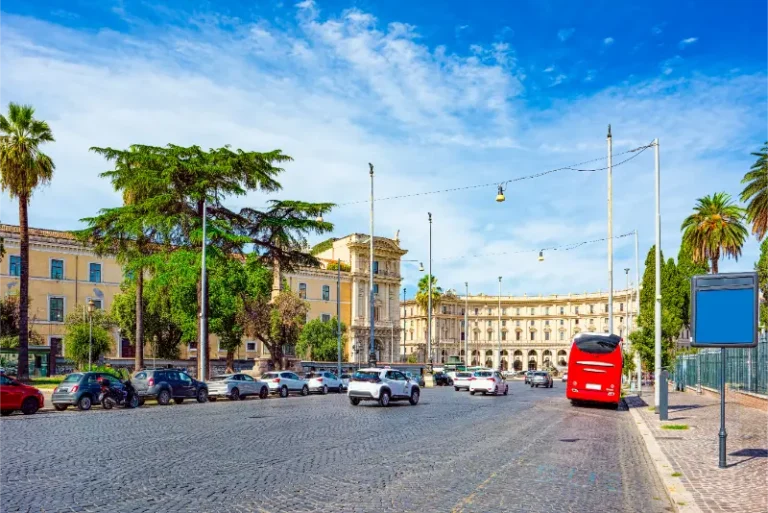
Sampietrini are part of Rome’s visual identity and one of its mobility challenges. Manual wheelchair users may find long cobbled stretches tiring; people using canes or walkers can also struggle with uneven joints. Where possible, choose smoother parallel streets and avoid assuming the shortest route on a map is the easiest route.
Recent street works can improve one area while creating temporary diversions in another, so local conditions matter more than a static itinerary.
Public transport planning
Rome’s transport network includes accessible elements, but not every station, lift or vehicle can be assumed available at all times. Check ATAC accessibility information for the specific metro stations and routes you plan to use, and have a taxi fallback for critical transfers.
For airport arrival, compare train, taxi and private transfer based on luggage, wheelchair type and hotel access rather than price alone. Our Rome airport transfer guide explains the main arrival options.
Major archaeological sites
Ancient sites are inherently uneven, but accessibility routes exist at several major attractions. The key is to use the designated route rather than expecting the standard visitor flow to be step-free. Contact the Colosseum Archaeological Park for the latest elevator and route information if the Colosseum, Forum or Palatine is essential to your trip.

The Baths of Caracalla are comparatively open at surface level; the Ministry of Culture notes that the monument is generally easy to access on the surface and provides tactile information panels. Temporary areas can still change, so confirm before visiting.
Museums can be easier anchor attractions
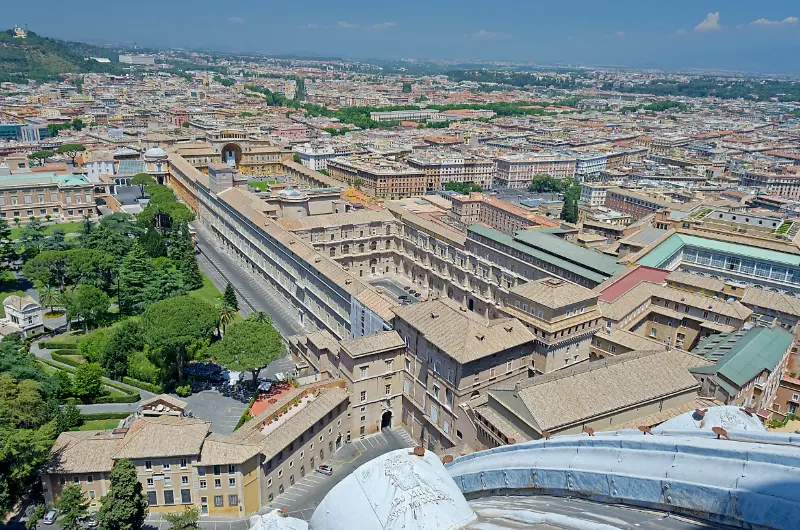
Large museums often provide the most predictable indoor conditions. Palazzo Massimo, the Capitoline Museums, Vatican Museums and other major institutions publish accessibility information, but the exact entrance may differ from the general public entrance.
A museum-first day can also protect energy and weather exposure. Pair one accessible museum with a shorter outdoor route rather than two large archaeological sites.
Vatican planning
The Vatican Museums have accessibility provisions, but the complex is vast and the standard route includes long distances. Travelers should review the official Vatican accessibility page and request any assistance or alternative route required for the Sistine Chapel and galleries.
St. Peter’s Square is broad and open, while access inside the basilica involves security and specific entrances. Religious events can alter the normal flow, so check the calendar.
Accessible viewpoints and quieter experiences
Not every panoramic experience requires a dome climb. Piazza del Campidoglio, parts of the Pincio area, selected terraces and accessible museum viewpoints can provide memorable city perspectives. Choose views based on the route, not just the final photograph.
Rome can also be enjoyed through piazzas, cafés, churches with accessible entrances and neighborhood streets. A reduced-mobility itinerary should still feel like Rome, not a medical logistics exercise.
Traveling with a companion
Discuss assistance before the day starts. On steep streets and cobbles, an improvised push can be unsafe for both people. Decide when a taxi is smarter, when to request staff support and which parts of the route are optional. Building rest into the itinerary protects everyone’s energy.
How to fit this into a Rome itinerary
Plan one essential attraction per half-day and group sights geographically. For example, combine accessible historic-center stops on one day, Vatican-area sights on another and a museum such as Palazzo Massimo with a flatter central route. Avoid creating a schedule that depends on perfect lift operation or exact bus connections every hour.
Rome is easier when each day has one or two fixed anchors rather than six timed reservations. Leave walking space between major sights, especially in the historic center where a ten-minute route on a map often becomes a thirty-minute detour once you stop for a church, fountain or coffee. If you are building a first trip, compare this plan with our 5-day Rome itinerary and adjust the pace to your interests.
Booking, opening hours and last-minute changes
Contact high-priority attractions directly several days before arrival, especially if you need a particular entrance, wheelchair rental, companion arrangement or step-free route. Keep screenshots of accessibility instructions and telephone numbers. For hotels and transfers, obtain written confirmation of the facilities you specifically require rather than relying on a generic accessibility icon.
Opening hours in Rome can change for restoration work, public holidays, religious ceremonies, strikes, heat measures and special events. Check the official website again shortly before you go, save digital tickets offline and avoid scheduling a second non-refundable activity immediately after a major museum or archaeological site. A little margin is often more valuable than squeezing one extra attraction into the day.
Food, water and walking strategy
Rome sightseeing is physical even when you use buses and the metro. Wear shoes that are comfortable on cobblestones and uneven archaeological surfaces, carry a refillable bottle and use the city’s public drinking fountains when appropriate. In hot weather, move outdoor sightseeing toward morning and late afternoon; in winter, remember that daylight disappears much earlier and some archaeological sites close correspondingly early.
For meals, walk a street or two away from the most photographed landmark, read the menu before sitting down and choose a place because the food suits you rather than because someone is calling from the pavement. A bakery, pizza al taglio counter or simple trattoria often fits a sightseeing day better than a long formal lunch. Our Roman food guide explains the dishes worth looking for.
A practical checklist before you go
- Confirm the latest official opening hours and any timed-entry requirement.
- Save tickets, confirmations and an offline map on your phone.
- Allow at least 20–30 minutes of buffer around important reservations.
- Carry water and dress for the season rather than for photographs alone.
- Check transport disruptions on the day, especially if your plan depends on buses or regional trains.
- Keep valuables secure in crowded transport and around major tourist bottlenecks.
- Leave enough unscheduled time to enjoy Rome rather than simply moving between reservations.
Frequently asked questions
Is Rome wheelchair accessible?
Parts of Rome are accessible and many major attractions provide adapted routes, but cobbles, gradients, narrow pavements and historic buildings create real challenges. Planning by specific route and attraction is essential.
Where can I find official Rome accessibility information?
Turismo Roma maintains a Rome Accessible section with verified information and filters for accessible entrances, toilets, wheelchair routes, parking and sensory services.
Are the Baths of Caracalla accessible?
The Ministry of Culture states that the surface monument is generally easy to access because it has no major level differences and notes tactile information panels. Check current conditions for specific areas before visiting.
Final advice
Accessible Rome is possible when planning is precise rather than optimistic. Use official verified information, ask specific questions, choose accommodation carefully and allow more time than a standard itinerary suggests. The reward is a trip built around what works well instead of a constant struggle against routes that were never right for you.
Deeper planning: pace, expectations and local context
When planning around accessible Rome, the most useful question is not simply “Can I fit this in?” but “What will the rest of the day feel like afterward?” Rome combines heat, hard walking surfaces, security checks and sensory overload. A plan that looks light on paper can be tiring in practice, especially after a large museum or archaeological site. Build the day so that the second half is easier than the first: a neighborhood walk after a museum, a long lunch after archaeology, or a viewpoint after a structured tour.
Pay attention to geography as well as attraction rankings. Crossing Rome repeatedly for individually famous places wastes energy and makes transport disruption more important. Group sights by area and accept that a second-tier attraction next door can be a better choice than a headline sight forty minutes away. This is also how you discover churches, courtyards, bakeries and streets that never appear on a “top ten” list.
Finally, decide what success looks like before the day begins. For some travelers it is photographs and major monuments; for others it is art, food, history, family time or simply feeling the city. Rome supports all of these styles, but not always in the same schedule. A strong itinerary is selective on purpose, and that selectivity is what turns practical travel advice into a better experience.