
Rome for Movie Lovers: Film Locations, Cinecittà and a Cinema-Focused Itinerary
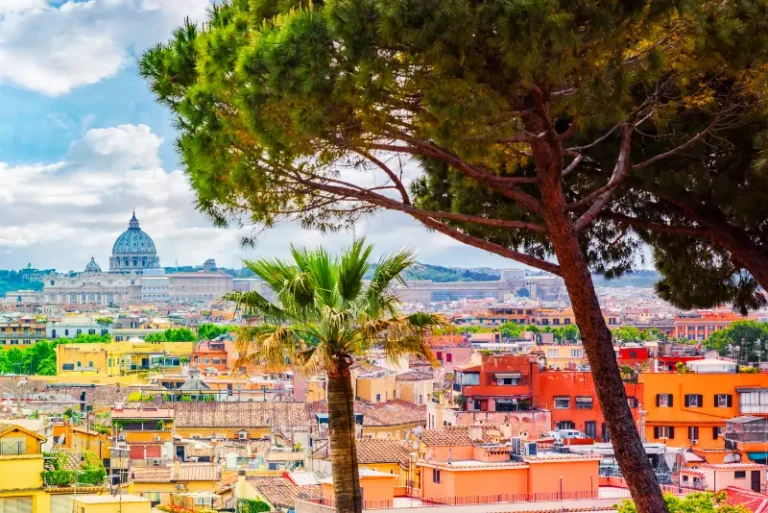
Rome is both a real city and one of cinema’s most persistent imagined cities. The same streets can evoke neorealism, glamorous postwar fantasies, historical epics and contemporary television within a few blocks. A film-focused trip is therefore more interesting than simply standing where a famous scene was shot. It can show how directors use monuments, neighborhoods and studios to create different versions of Rome.
The natural anchor is Cinecittà, but the city itself is the second studio. Trevi Fountain, Via Veneto, the Spanish Steps, EUR and Trastevere all carry cinematic associations. Plan the route by district and period rather than attempting to chase dozens of isolated locations.
Why Rome works so well for movie lovers
Rome works for film lovers because its architecture is instantly legible on screen. A single fountain, dome or broad EUR avenue can establish location and mood without dialogue. Visiting these spaces in person reveals how framing and editing alter scale and distance.
Cinecittà adds the production side of the story. Sets, exhibitions and studio history remind visitors that many “Roman” worlds were built, lit and reconstructed. This contrast between real streets and fabricated environments makes a cinema itinerary more than a celebrity-location tour.
The theme also works well for repeat visitors. If you have already seen the Colosseum and Vatican, film gives you a reason to revisit familiar places at different hours and to explore districts such as EUR or Via Veneto with a new lens.
| Planning question | Best approach |
|---|---|
| Essential studio experience | Cinecittà |
| Classic street atmosphere | Via Veneto and Trevi area |
| Best modernist backdrop | EUR |
| Best early-morning film-location walk | Spanish Steps to Trevi |
| Best approach | Watch one classic and one modern Rome-set film before the trip |
Essential cinema stops in Rome
Cinecittà
Cinecittà is the clearest place to understand Rome as a production center rather than only a location. Exhibitions and sets connect Italian cinema with international productions, while the studio context explains how scale, scenery and controlled environments create worlds that may never have existed exactly as they appear on screen. For deeper planning, see our cinecittà guide.
Trevi Fountain
Trevi is inseparable from cinematic Rome, but the experience changes dramatically with crowd levels. Visit very early if you want to study the fountain as a set-like space: the narrow approach, sudden reveal and theatrical water all explain why filmmakers return to it. Respect current access rules rather than attempting to recreate famous scenes. For deeper planning, see our trevi fountain guide.
Via Veneto
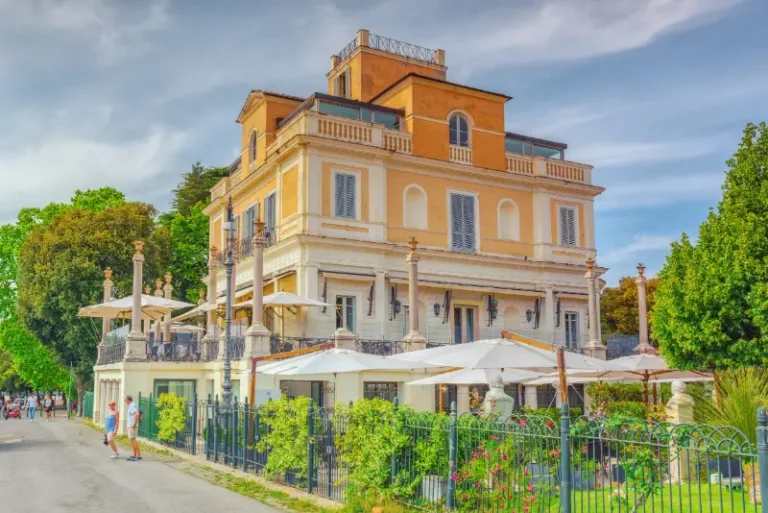
Via Veneto evokes the mythology of postwar glamour and the culture associated with La Dolce Vita. Today it feels different, which is useful: film tourism becomes more interesting when you compare the screen image with the contemporary street rather than expecting a preserved movie set. For deeper planning, see our via veneto guide.
Spanish Steps
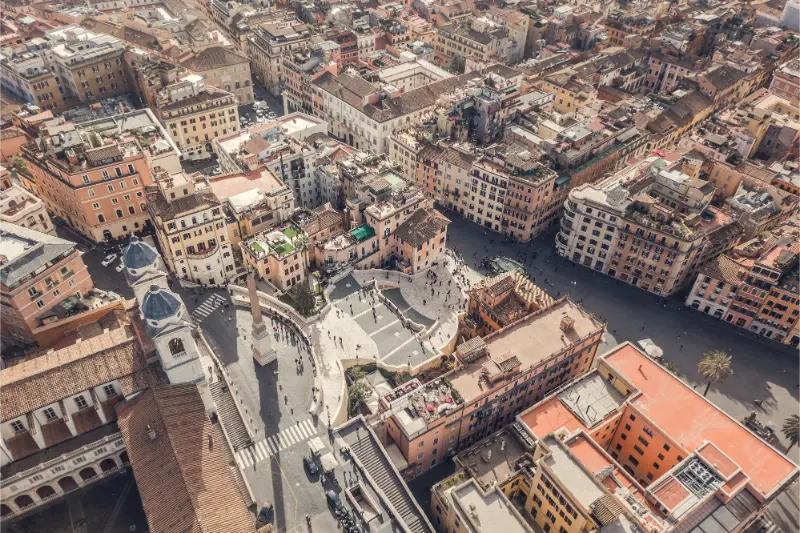
The Spanish Steps are another location where cinema and tourism reinforce each other. Go early, look at the geometry from both top and bottom, and notice how filmmakers can turn the same staircase into romance, movement or spectacle simply through framing and crowd control. For deeper planning, see our spanish steps guide.
EUR
EUR offers a radically different cinematic Rome. Monumental Rationalist architecture, wide roads and geometric spaces have been used to create moods that the historic center cannot. Even if you cannot identify every production, the district demonstrates why location scouts value architectural contrast. For deeper planning, see our eur guide.
Colosseum and ancient Rome
The real Colosseum is useful for understanding how cinema compresses ancient Rome into symbols. Historical epics often combine location footage, sets and digital reconstruction. Visiting the monument and surrounding archaeological landscape helps separate the surviving city from the cinematic version built around it. For deeper planning, see our colosseum and ancient rome guide.
Trastevere
Trastevere works well for films seeking intimate, picturesque or everyday Rome. Morning visits reveal residential textures that disappear under nightlife crowds, while evening transforms the same streets into a social stage. The contrast itself is cinematic and worth experiencing at two different times. For deeper planning, see our trastevere guide.
Piazza Navona and historic center
The historic center is less one location than a network of adaptable backdrops. Piazza Navona, Pantheon lanes and nearby palaces can suggest romance, mystery, tourism or old-world grandeur depending on the camera. Walk without chasing exact screenshots and focus on how routes connect visually. For deeper planning, see our piazza navona and historic center guide.
How to build a satisfying day
Start with one planned location cluster and one studio or museum experience. A film day built from eight distant addresses quickly becomes a transport exercise. Trevi, Spanish Steps and Via Veneto form one natural cluster; Cinecittà deserves its own half day; EUR is another distinct area.
Rewatch key scenes before traveling, then put your phone away for part of the visit. Memory and reality will not match perfectly, and that difference is the interesting part. Streets change, businesses close and camera angles distort distance.
If you enjoy photography, recreate composition rather than behavior. Do not enter restricted water, block pedestrian routes or ignore monument rules for a movie-inspired shot. The best location photography respects the city as a real place.
Best neighborhoods to use as a base
The historic center is the easiest base for classic film locations, with Trevi, Spanish Steps and major piazzas within walking range. Monti gives quick access to the Colosseum and a more neighborhood feel, while EUR is better visited as a dedicated excursion than used as a first-time base.
Via Veneto can be appealing for travelers who enjoy classic hotel atmosphere and want to explore the Dolce Vita mythology on foot. Trastevere works for evening ambiance but may be noisy if sleep matters.
Food, coffee and breaks
Cinema-themed restaurants are rarely necessary. A better approach is to eat in the neighborhood you are filming or exploring, which keeps the route efficient and gives the day a more authentic rhythm.
For an old-school Rome feeling, an espresso bar or classic trattoria can contribute more atmosphere than an aggressively themed venue. Our Rome food guide helps you identify dishes without turning the trip into a separate food itinerary.
Transport, walking and pacing
Cinecittà and EUR require public transport from the center, while classic central locations are best walked. Group the outlying areas rather than jumping between them.
If carrying camera equipment, keep the kit light. Rome involves stairs, cobblestones and crowded public transport, and a heavy bag can become an unnecessary security and comfort problem.
Budget and reservations
Most street locations are free, so the main costs are studio/museum admission, transport and any specialized tours. Pay for experiences that add production history or access, not simply for someone to point at a public square.
Film-themed private tours can be worthwhile for enthusiasts with a specific list of productions, but general visitors can create a strong self-guided route using existing neighborhood and monument guides.
Best time of year for this kind of trip
Winter and shoulder seasons make central locations easier to photograph with fewer crowds, while summer provides long evening light but more people. Early morning is the most important variable for Trevi and the Spanish Steps regardless of month.
Rain can actually suit a film-focused trip by changing reflections, street texture and mood, provided you protect equipment and keep an indoor alternative such as Cinecittà or a museum.
A three-day cinema itinerary
- Day 1 – Classic cinematic Rome: Spanish Steps, Trevi Fountain, Via Veneto and an evening historic-center walk.
- Day 2 – Studio history: Cinecittà, then return toward San Giovanni or Monti for a different urban atmosphere.
- Day 3 – Architectural cinema: EUR in the morning, then Trastevere or Piazza Navona toward evening for contrasting locations.
Common mistakes to avoid
- Trying to recreate dangerous or prohibited movie behavior.
- Expecting streets to look exactly as they did decades ago.
- Crossing the city for too many isolated filming spots.
- Ignoring Cinecittà and focusing only on outdoor locations.
- Using unverified “filming location” lists copied from social media.
- Carrying more camera gear than you can comfortably manage all day.
Film locations are most rewarding when you understand what the camera changed. Compare screen geography with real geography, ask why a director chose the space, and allow contemporary Rome to be different from the version preserved on film.
Frequently asked questions
What is the best place for movie lovers in Rome?
Cinecittà is the strongest single destination because it adds studio and production history to the city’s outdoor film locations.
Can I see classic film locations for free?
Yes. Trevi Fountain, Spanish Steps, Via Veneto and many piazzas are public spaces, although access rules and crowd management still apply.
Is EUR worth the trip for cinema fans?
Yes if you enjoy architecture and location design. Its Rationalist spaces offer a visual Rome very different from the historic center.
Should I book a film-location tour?
Only if the guide or itinerary matches specific movies you care about. A general movie fan can cover many central locations independently.
Final advice
Rome for movie lovers is best when you move beyond screenshots. Visit the studios, study how architecture behaves on camera, and compare cinematic memory with the living city. The gap between those two versions of Rome is where the most interesting film tourism begins.