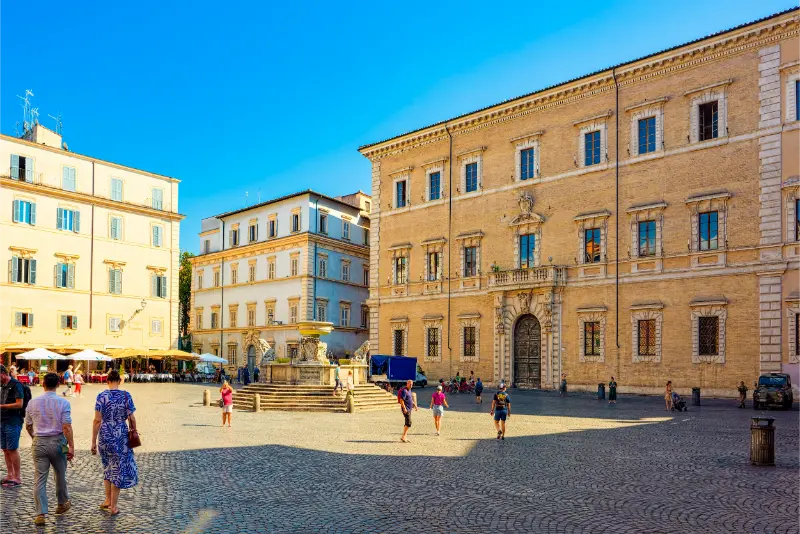
Rome for Book Lovers: Literary Places, Writers and a Reading-Focused Itinerary
Rome has inspired poets, novelists, essayists and travelers for centuries, but literary Rome is less concentrated than its archaeological or artistic landmarks. That is part of the appeal. A book-focused trip moves between writers’ homes, cemeteries, piazzas, old streets and the cafés or views that shaped the experience of foreign and Italian authors. The city becomes a setting to read as much as a list of places to visit.
The strongest anchor is the Keats-Shelley House beside the Spanish Steps, but a literary itinerary should expand into the historic center, Trastevere, the Non-Catholic Cemetery and quiet gardens. Carry one book connected to Rome and deliberately leave time to sit with it; otherwise the trip risks becoming ordinary sightseeing with literary labels added afterward.
Why Rome works so well for book lovers
Rome works for book lovers because writers often responded to the city’s layers rather than to a single monument. Ruins, Catholic ritual, political power, social change and the contrast between beauty and disorder recur across generations of travel writing and fiction.
Many literary stops are small and flexible. A museum may take an hour, a grave twenty minutes, a piazza only as long as you want to sit there. This makes the theme easy to combine with art, food and neighborhood exploration without creating an exhausting schedule.
Reading before and during the trip changes what you notice. A street described by a novelist becomes more than a route between attractions; a view that inspired a poet gives the landscape a human voice. Choose a few authors rather than trying to turn the city into an encyclopedia.
| Planning question | Best approach |
|---|---|
| Essential museum | Keats-Shelley House |
| Best reflective stop | Non-Catholic Cemetery |
| Best area for wandering | Historic center and Via Giulia |
| Best reading break | Villa Borghese or another quiet garden |
| Best approach | Carry one Rome-related book and leave unscheduled time |
Literary places and experiences to prioritize
Keats-Shelley House
The small museum beside the Spanish Steps gives literary Rome a concrete center. John Keats spent his final months here, and the collection connects the English Romantic poets with the tradition of travelers who came to Italy seeking climate, art and inspiration. The intimate scale rewards reading labels carefully rather than rushing through. For deeper planning, see our keats-shelley house guide.
Spanish Steps and Piazza di Spagna
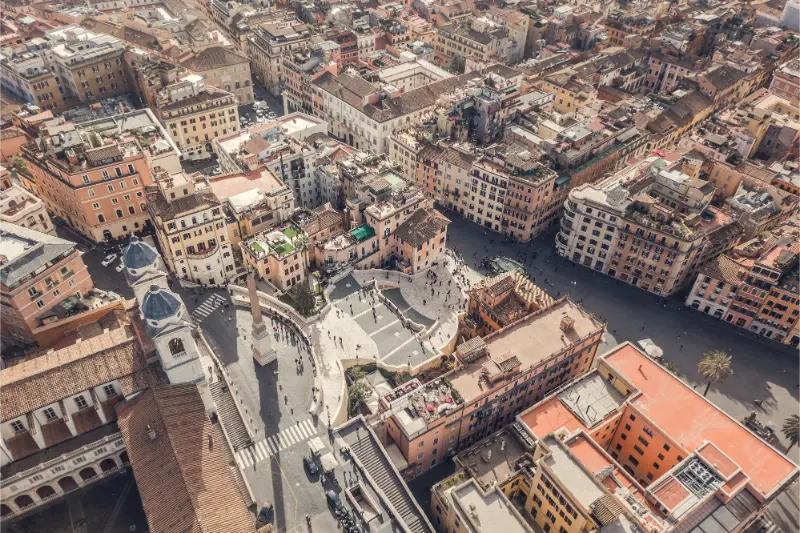
The Spanish Steps were part of the social landscape of foreign artists and writers who lived around this quarter. Visit early, when the area is less dominated by shopping crowds, and use the square as a starting point for understanding how nineteenth-century visitors inhabited Rome rather than only admired its monuments. For deeper planning, see our spanish steps and piazza di spagna guide.
Non-Catholic Cemetery
The cemetery near the Pyramid of Cestius is one of Rome’s most contemplative literary places. Keats and Shelley are among the names that draw visitors, but the broader landscape of graves, cypresses and ancient walls creates a mood unlike the busy center. Treat it as a quiet place of memory, not a photo stop. For deeper planning, see our non-catholic cemetery guide.
Via Giulia
Via Giulia is useful for a literary walk because it offers a long, coherent street where palaces, arches and side lanes encourage slow observation. It is less about one famous author than about the texture of Rome as a lived city. Pair it with the Tiber and nearby Campo de’ Fiori for a route that feels narrative rather than monumental. For deeper planning, see our via giulia guide.
Trastevere
Trastevere works well for readers who enjoy the everyday city: laundry, small squares, church bells, evening crowds and quieter morning streets. Arrive before lunch or after breakfast to experience its residential rhythm, then choose a café or bench to read before the neighborhood becomes busier at night. For deeper planning, see our trastevere guide.
Villa Borghese
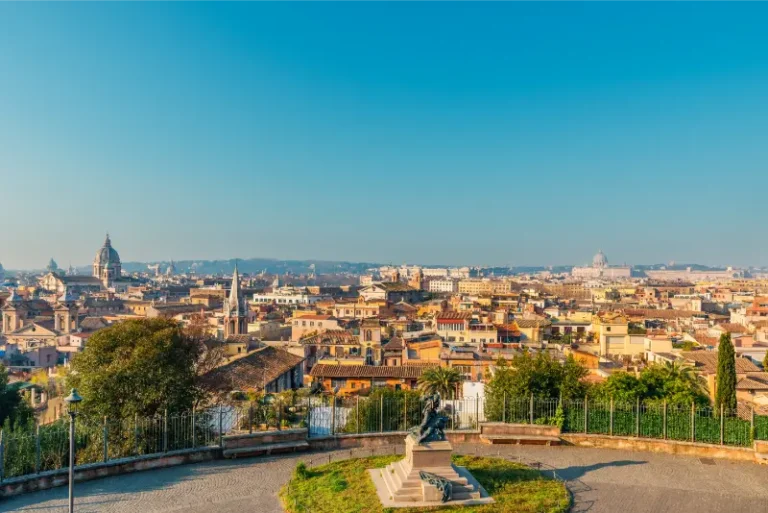
Villa Borghese provides the pause a literary itinerary needs. Gardens, paths and benches create room to read or write between museum visits. The park also connects easily with the Spanish Steps and Pincian Hill, making it a natural extension of a Keats-centered morning. For deeper planning, see our villa borghese guide.
Campo de’ Fiori and the historic center
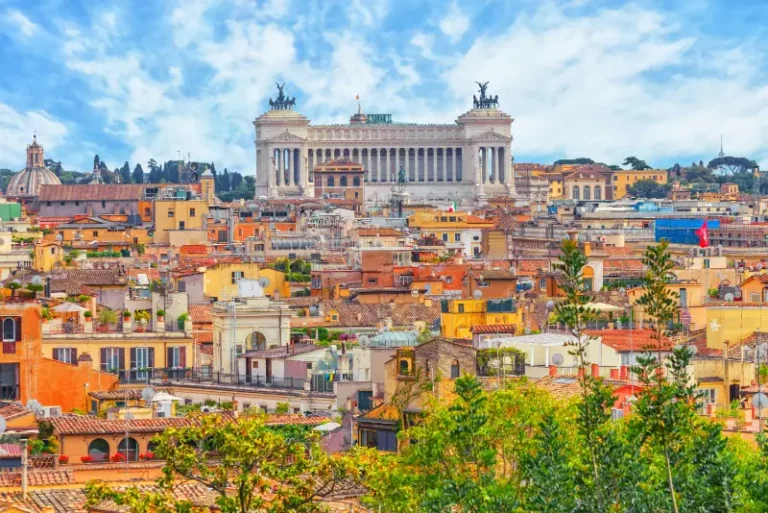
The historic center is best approached as a sequence of scenes: market activity, narrow lanes, palaces, church facades and sudden piazzas. Book lovers should resist the urge to attach every street to a famous quotation. Instead, use literature as a way to pay attention to urban detail and social life. For deeper planning, see our campo de’ fiori and the historic center guide.
Cinecittà and literary adaptations
For readers interested in the relationship between books and film, Cinecittà adds another layer. Rome has repeatedly transformed literature and history into cinema, and the studios help explain how imagined versions of the city are constructed. It is a useful counterpoint to a trip otherwise focused on nineteenth-century writers. For deeper planning, see our cinecittà and literary adaptations guide.
How to build a satisfying day
A literary day should have fewer fixed appointments than a museum day. Start with one anchor such as the Keats-Shelley House, then walk through an area connected to the period or mood you are exploring. Leave at least thirty minutes to sit somewhere without an agenda.
Bring a paperback, e-reader or notes app with a few passages saved offline. Reading a page in the place it evokes can be powerful, but avoid turning the day into a scavenger hunt for exact quotations. The city has changed; the goal is connection, not perfect reconstruction.
Write down impressions at the end of each day. A literary trip benefits from memory more than checklists. Short notes about sounds, light, street life and unexpected details often become the most valuable record of Rome once the famous monuments blur together.
Best neighborhoods to use as a base
Campo Marzio around the Spanish Steps is the obvious base if Romantic-era literary Rome is central to your trip. The historic center around Navona and Campo de’ Fiori is better for wandering, while Trastevere suits travelers who want atmospheric evenings and a more residential morning rhythm.
Testaccio and Ostiense can give a repeat visitor a more contemporary urban texture, while the Aventine offers quieter streets and access to the Non-Catholic Cemetery. Choose a base that encourages walking rather than spending every literary day underground on the metro.
Food, coffee and breaks
Literary travel pairs naturally with cafés, but Rome’s traditional bar culture is often quick and standing rather than designed for hours with a laptop. Look for a comfortable café when you actually want to read, and use ordinary espresso bars when you simply need a short reset.
For meals, prioritize neighborhoods over famous author associations. A good trattoria near your route is more useful than crossing Rome for a place with a tenuous literary story. Our Rome restaurant guide helps with practical choices.
Transport, walking and pacing
Most literary Rome is walkable. The Spanish Steps, Via Giulia, Campo de’ Fiori and Trastevere can be linked in long but satisfying routes, while the Non-Catholic Cemetery is easy to add by metro, tram or bus depending on your starting point.
Do not overpack the day. Literary interest often lives in pauses, and rushing between addresses defeats the purpose. Use public transport for the one or two longer transfers and keep the rest at walking pace.
Budget and reservations
This is one of the easier themed trips to keep affordable. Many literary spaces are streets, cemeteries, parks and piazzas; you can spend selectively on a small museum or special exhibition.

Book accommodation early if you want a very central atmospheric base, because location matters more than luxury for this kind of itinerary. A quieter room can also be worth prioritizing if you plan to read or write in the evenings.
Best time of year for this kind of trip
Autumn and winter suit literary Rome particularly well: cooler walking weather, softer light and occasional rain create natural museum and café days. Spring adds gardens and long evenings, while summer works best with early starts and shaded reading breaks.
The mood of the city changes dramatically by hour. Early morning is better than season for experiencing famous literary areas such as Piazza di Spagna without a wall of visitors.
A three-day literary Rome plan
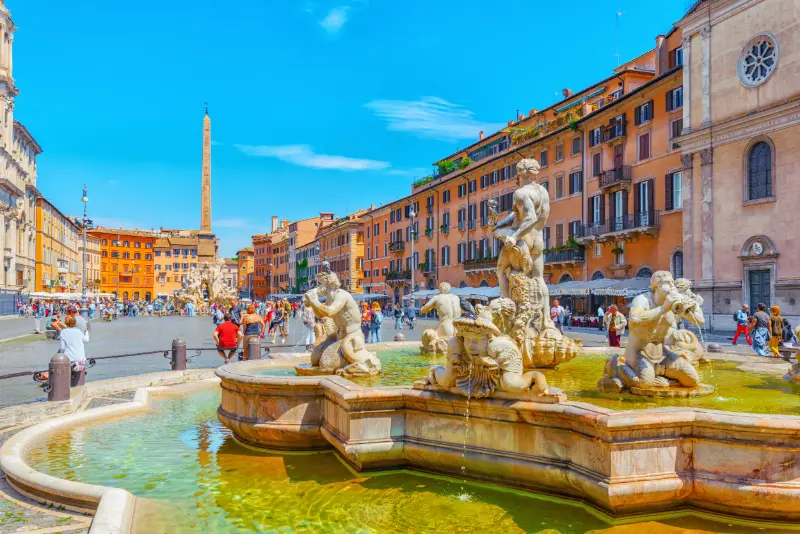
- Day 1 – Romantic Rome: Keats-Shelley House, Spanish Steps, Pincian Hill and a reading break in Villa Borghese.
- Day 2 – Streets and stories: Via Giulia, Campo de’ Fiori, Pantheon area and a slow afternoon through Trastevere.
- Day 3 – Memory and modern imagination: Non-Catholic Cemetery, Testaccio/Ostiense, then Cinecittà or a film-related evening if that interests you.
Common mistakes to avoid
- Trying to attach every monument to a famous writer.
- Scheduling so many stops that there is no time to read or observe.
- Using only English-language expatriate history and ignoring Italian voices.
- Treating the Non-Catholic Cemetery like a tourist attraction rather than a place of burial.
- Expecting traditional coffee bars to function like all-day coworking cafés.
- Building the trip around unverified quotations or internet legends.
Literary Rome is strongest when the theme changes how you experience the city. Read, walk slowly, notice language and social detail, and allow ambiguity. The goal is not to prove that a writer stood on every street but to understand why generations found Rome worth describing.
Frequently asked questions
What is the main literary museum in Rome?
The Keats-Shelley House beside the Spanish Steps is the clearest literary museum for English-language visitors.
Where are Keats and Shelley buried?
Both are associated with the Non-Catholic Cemetery near the Pyramid of Cestius, although their memorial stories are distinct.
Is Rome good for contemporary book lovers too?
Yes. Bookshops, festivals and contemporary Italian writing add a living layer, although specific events and shop details should be checked close to your travel dates.
What should I read before visiting Rome?
Choose one work that matches your interests—travel writing, fiction, poetry or history—rather than trying to complete a huge reading list before departure.
Final advice
A book lover’s Rome should feel less like a checklist and more like a conversation between text and place. Carry one or two writers with you, then let streets, cemeteries, gardens and ordinary urban life complicate the version of Rome you imagined before arriving.