
Rome for Honeymooners: Romantic Hotels, Experiences and a 4-Day Plan
Rome works exceptionally well for a honeymoon when you plan it as a beautiful city stay rather than a nonstop monument marathon. The city gives you grand art, intimate streets, long dinners, sunset viewpoints and excellent hotels, but romance disappears quickly if every day begins with a 7:00 a.m. queue and ends with a cross-city transfer. A honeymoon itinerary should be selective, comfortable and built around experiences you can share rather than the number of sights you complete.
This guide is for couples spending about four days in Rome, either as a complete honeymoon or as the city portion of a longer Italian trip. For broader couple-focused ideas, see our Rome for couples guide and romantic hotels in Rome guide.
| Honeymoon priority | Best approach | Good areas |
|---|---|---|
| Walkable atmosphere | Stay central and use evenings on foot | Historic center, Monti |
| Restaurants and nightlife | Choose a lively neighborhood | Trastevere, Monti |
| Elegant, quieter base | Stay near wide streets and good services | Prati |
| Luxury hotel experience | Prioritize the property itself | Spanish Steps, Via Veneto, central Rome |
| Views and sunset | Plan one panoramic evening | Pincio, Janiculum, Aventine |
Choose the hotel as part of the honeymoon, not just a place to sleep
On an ordinary sightseeing trip, a basic room in a good location may be enough. On a honeymoon, the hotel often becomes part of the experience. A quiet room, comfortable bed, good breakfast and pleasant common spaces can matter more than being two minutes closer to a monument. If you want a terrace, spa or view, verify that the exact room category includes it rather than assuming every room in the property does.
The historic center gives maximum walking convenience but can be expensive and noisy. Monti mixes character with access to the Colosseum; Prati is more orderly and can feel calmer at night; Trastevere is atmospheric but some streets are lively late. Our where to stay in Rome guide compares the trade-offs.
Day 1: arrive slowly and let the historic center do the work
Do not book your most important museum for the day you arrive. Flight delays, train disruption and fatigue are poor foundations for a honeymoon memory. Check in, take time to recover and use the late afternoon for a gentle walk through the center. Trevi Fountain, the Pantheon and Piazza Navona are impressive without requiring a complicated itinerary.
Finish with aperitivo or dinner near the area where you are already walking. If you want a nighttime route, our Rome at night guide gives options that work well after dinner. The first evening should feel spacious enough to stop when a street, wine bar or piazza looks inviting.
Day 2: Ancient Rome without overloading the schedule
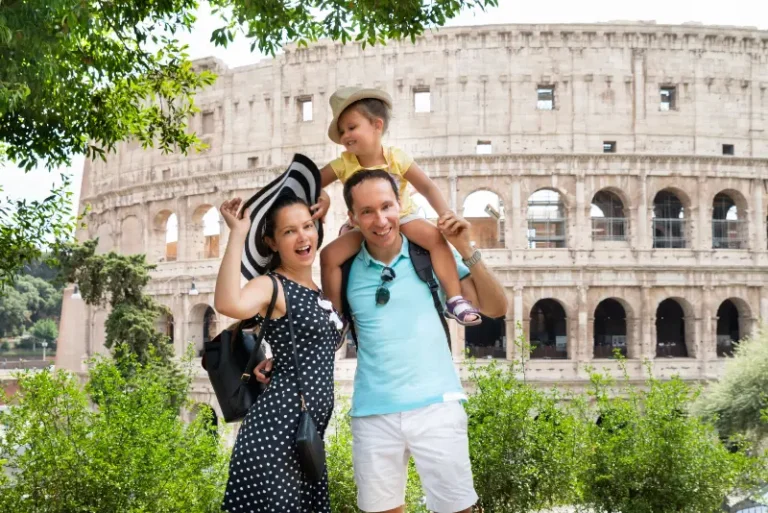
The Colosseum deserves a place on most first honeymoons to Rome, but the mistake is combining it with too much else. Reserve the archaeological area, allow time for the Roman Forum and Palatine Hill, then leave the afternoon flexible. A late lunch in Monti and a slower walk is often more enjoyable than rushing to another major museum.
If you want a special evening, change clothes at the hotel before dinner rather than carrying formal items all day. This is one reason a reasonably central base helps. Use our Colosseum guide and Monti guide to keep the day geographically compact.
Day 3: Vatican art, Prati and a sunset walk
Make the Vatican the main commitment of the day. The Museums can be physically demanding because of crowds and the amount of walking, so do not treat them as a quick morning activity before three other attractions. If St. Peter’s Basilica matters to you, leave enough time for security and possible changes connected with religious events.
Afterward, have lunch in Prati or rest at the hotel before returning for sunset. The Pincio, Orange Garden and Janiculum all work, but choose the one that fits your route. Our sunset guide can help you select a viewpoint rather than crossing the city simply because one photo spot is famous.
Day 4: choose a shared experience instead of another checklist
The last full day is ideal for something that feels personal. Options include a cooking class, food tour, photo walk, bicycle or e-bike ride on the Appian Way, wine tasting or a long park-and-neighborhood day. Pick an experience you both actually enjoy; a honeymoon is not the moment to book an activity because it performs well on social media.
If you prefer to stay independent, combine Trastevere, the Jewish Ghetto and the Aventine. If you want countryside and archaeology, use our Appian Way guide. For broader paid-experience ideas, see our Rome food tours guide and Rome cooking classes guide.
The most romantic sunset spots
The Pincio is the easiest central option and pairs naturally with Villa Borghese. The Orange Garden is compact and intimate, though popular around golden hour. Janiculum offers a broad city panorama and works particularly well with Trastevere. A bridge over the Tiber can be just as memorable if you prefer to stay near dinner rather than climb a hill.
Arrive before the published sunset time. The warm light on domes and façades often begins 30 to 45 minutes earlier, while blue hour after sunset can be equally beautiful. If the weather is poor, do not force a distant viewpoint; use a central piazza, wine bar or museum instead.
Romantic Rome without the clichés
Romance in Rome does not require a horse-drawn carriage or a private rooftop dinner. A quiet early walk, a long lunch, choosing one painting to spend time with or returning to a favorite piazza after dark can feel more personal. The city is strongest when you allow repetition and unplanned moments.
Consider waking early once for an almost-empty central walk, then making the rest of that day slow. Our Rome at sunrise guide suggests locations where early light is worth the effort. Doing this every morning would defeat the purpose; once can be special.
Food planning for a honeymoon

Reserve one or two dinners that matter to you and keep the others flexible. This avoids turning every evening into a schedule. Roman classics such as carbonara, amatriciana and cacio e pepe are often best in straightforward trattorie rather than formal restaurants, while a fine-dining dinner can provide a deliberate contrast on one night.
Use our Rome restaurant guide to avoid common tourist traps and our Rome wine tasting guide if wine is a shared interest. If one partner has dietary needs, solve that before the trip rather than improvising after a long day.
Should you take a day trip on a Rome honeymoon?
Only if the honeymoon is long enough. With four days in Rome, staying in the city usually creates a better rhythm. With five to seven days, Tivoli, Orvieto, Frascati or another nearby destination can add variety. Choose a place with straightforward transport so the day feels like an excursion, not a logistical project.
Tivoli offers villas and gardens, Frascati gives a smaller-town food-and-wine atmosphere, and Orvieto provides a dramatic hill-town setting. Compare them in our day trips from Rome guide before committing.
Practical details that protect the mood
Comfort is romantic when the alternative is preventable stress. Wear shoes suitable for long walks even if you pack nicer footwear for dinner. Carry water in warm weather, keep digital reservation copies offline and leave extra time before trains or tours. A small crossbody bag is easier to manage than a large daypack in crowded areas.
Do not keep passports, all cards and both phones in the same bag. Rome is generally manageable for visitors, but pickpocketing can occur in crowded transport and tourist areas. Basic organization lets you stop thinking about security and focus on the trip.
Honeymoon mistakes to avoid
- Choosing a hotel only by price when the stay itself matters to the experience.
- Scheduling major timed attractions every morning and afternoon.
- Crossing Rome for a restaurant when an excellent evening is available nearby.
- Booking too many romantic add-ons before you know your actual energy level.
- Using uncomfortable shoes for appearance and losing half a day to sore feet.
- Trying to recreate viral photos instead of enjoying the city together.
Frequently asked questions
How many days are ideal for a Rome honeymoon?

Four full days is a strong minimum for a relaxed first visit. Five or six days allows a day trip, more hotel time and fewer early starts. If Rome is only one stop on a longer Italian honeymoon, three carefully planned days can still work.
What is the most romantic area to stay in Rome?
The historic center is best for classic atmosphere and walking, Monti is intimate and convenient, Prati is elegant and calmer, and Trastevere is lively and atmospheric. The exact street and room quality matter as much as the neighborhood name.
Is Rome good for a winter honeymoon?
Yes. Cooler weather can make walking easier and evenings feel more intimate, although daylight is shorter and some rooftop or outdoor experiences are less appealing. Christmas and New Year periods can also be busy and expensive.
Final advice
A Rome honeymoon is best when the city supports the relationship rather than competing with it. Choose a hotel you enjoy returning to, reserve only the sights that truly matter, protect one or two special meals and leave enough unscheduled time to wander. Rome supplies the setting; the pace is what makes it romantic.