
Solo Travel in Rome: Safety, Areas and a Smart First-Time Plan
Rome is an excellent solo destination because so much of the city is designed for individual curiosity. You can spend twenty minutes in a church, change your route for a fountain, eat a quick plate of pasta or stay in a museum until closing without negotiating with anyone else. The challenge is not loneliness; it is managing logistics and keeping ordinary city awareness in busy areas.
This guide focuses on solo travel in Rome for first-time visitors. It covers accommodation areas, safety, transport, dining alone, evening plans, meeting people and how to build days that are ambitious enough to be exciting without becoming tiring.
Is Rome safe for solo travelers?
For most visitors, Rome is a manageable European capital, but crowded transport and major tourist areas require attention to belongings. Pickpocketing risk is the issue travelers talk about most, especially on busy buses, metro platforms, around Termini and at dense attraction bottlenecks.
Use a zipped cross-body bag or secure daypack, keep your phone away from open pockets and do not place valuables on café tables beside the street. The goal is not to feel suspicious of everyone; it is to remove easy opportunities.
Best areas to stay alone
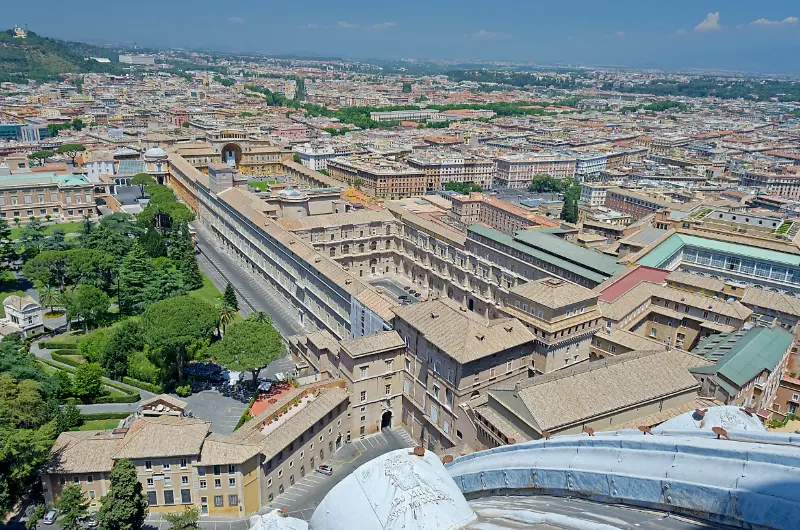
Monti is convenient for a first trip because it is central, lively and close to the Colosseum. Prati feels orderly and gives easy access to the Vatican. The historic center maximizes walking but is expensive. Trastevere offers evening atmosphere, though choose your street carefully if sleep matters.
Solo travelers arriving late by train sometimes prefer staying near Termini for logistics, but research the exact block and hotel rather than treating the whole station district as one experience. Our neighborhood guide compares the main areas.
Using public transport alone
The metro is simple for major corridors, while buses fill the gaps. Validate or activate tickets correctly according to the ticket type and current ATAC rules. Late at night, a licensed taxi or reputable app-based option may be worth the extra cost if the alternative is a long unfamiliar walk.
Read our Rome transport guide before arrival so you are not learning the ticket system while carrying luggage.
Dining alone in Rome
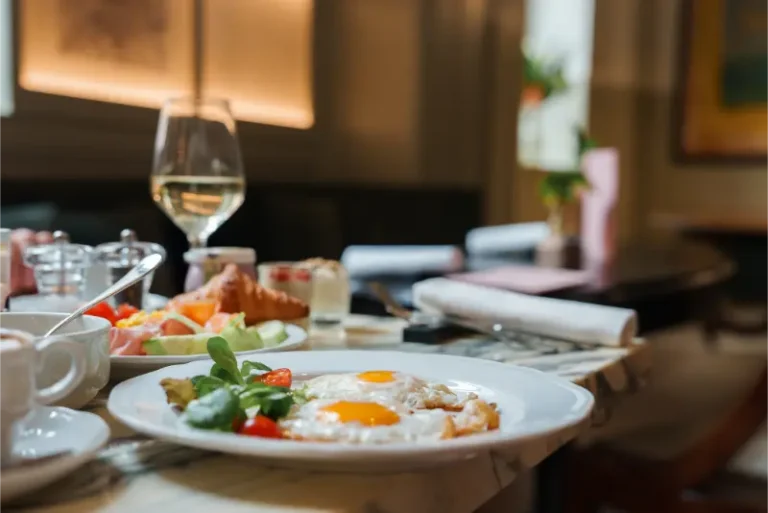
Eating alone is normal and does not require a special strategy. Casual trattorias, wine bars, pizzerias, bakeries, market counters and cafés are especially easy. If a formal dinner feels uncomfortable, eat your main meal at lunch and keep the evening spontaneous.
A seat at the bar or a small outdoor table is ideal for people-watching. Bring a book if you enjoy it, but you may find that watching the street is enough.
Best activities for solo travelers
- Galleria Borghese or Palazzo Massimo, where you can move at exactly your own pace.
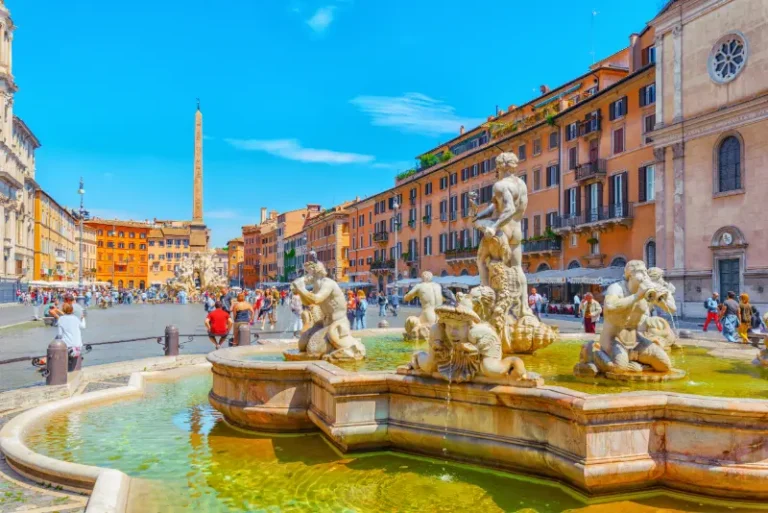
- A long historic-center walk from Piazza del Popolo through the Pantheon and Piazza Navona.
- A food market morning in Testaccio followed by the Aventine Hill.
- An Appian Way bike or walking experience if you are comfortable navigating independently.
- A small-group food tour or archaeology tour when you want social contact without committing to a full travel group.
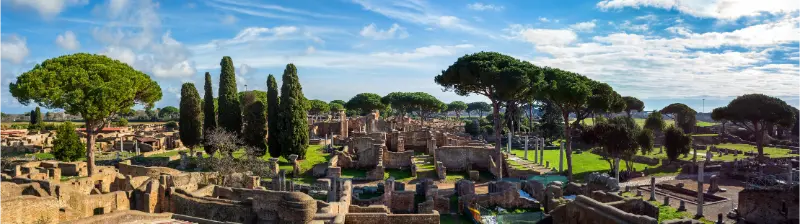
- A day trip to Tivoli or Ostia Antica for a change of scene.
How to handle evenings alone
Rome is rewarding after dark, but choose routes with people and activity rather than wandering into isolated streets simply because they look atmospheric. Piazza Navona, the Pantheon area, Trastevere’s central lanes, Monti and the Trevi-Spanish Steps corridor stay active late.
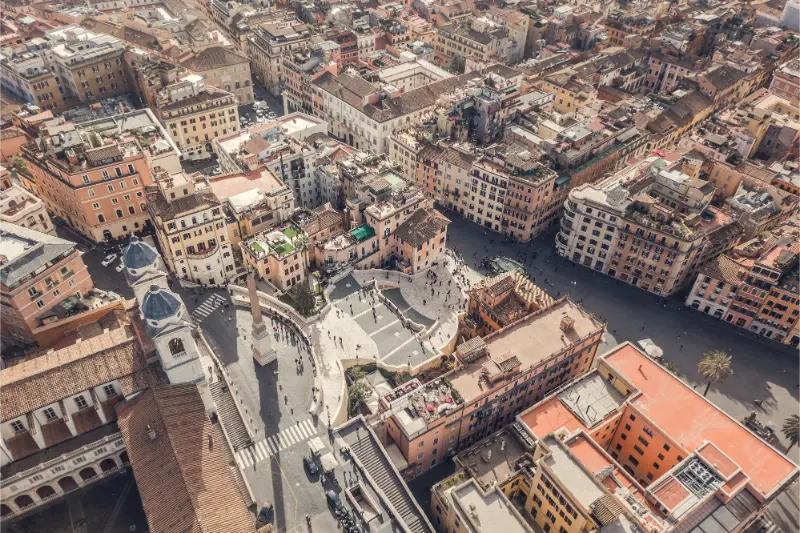
If nightlife is your priority, a hostel social event, walking tour or small group activity can provide an easy bridge into meeting people without depending on random encounters.
Meeting people without forcing it
Group tours, cooking classes, language exchanges and hostel events are more reliable than hoping a café will become a social scene. Choose an activity you would enjoy even if you do not make a new friend. That removes pressure and usually leads to better conversations.
Solo photography and phone safety
Asking another traveler to take a photo is usually fine, but keep control of your bag and avoid handing an unlocked phone to someone in a situation that feels chaotic. A small tripod may be restricted at some attractions, so check site rules before bringing equipment.
For navigation, download offline maps and save your hotel address. Battery anxiety is one of the easiest solo-travel problems to prevent with a compact power bank.
A realistic solo pace
The freedom to move quickly can tempt solo travelers to over-schedule. Resist it. Rome is still physically demanding, and museum fatigue is real even when no one else is slowing you down. One major morning attraction plus a neighborhood afternoon is often an ideal structure.
How to fit this into a Rome itinerary
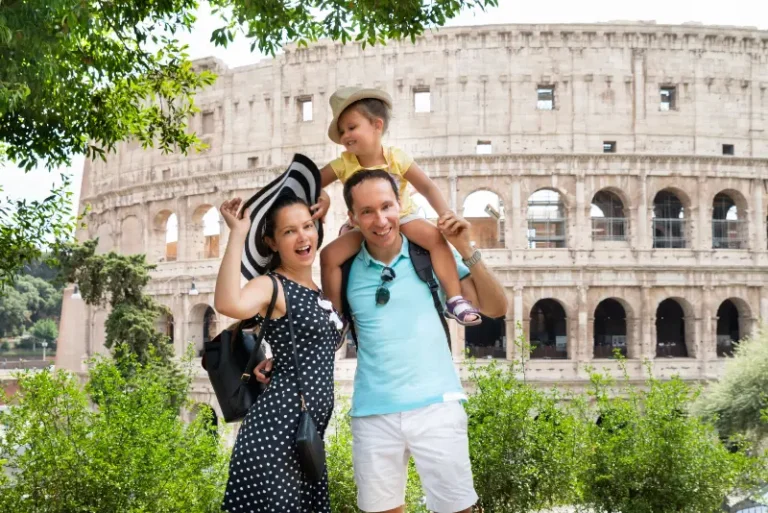
A strong first solo itinerary uses mornings for the hardest reservations and afternoons for flexible exploration. Do the Colosseum early, then Monti; Vatican Museums early, then Prati and Castel Sant’Angelo; Galleria Borghese, then Pincio and the historic center. Add Testaccio or the Aventine when you need a day with fewer queues.
Rome is easier when each day has one or two fixed anchors rather than six timed reservations. Leave walking space between major sights, especially in the historic center where a ten-minute route on a map often becomes a thirty-minute detour once you stop for a church, fountain or coffee. If you are building a first trip, compare this plan with our 5-day Rome itinerary and adjust the pace to your interests.
Booking, opening hours and last-minute changes
Advance reservations are especially useful when traveling alone because you cannot divide queueing and logistics with another person. Save confirmation numbers offline and know the route from your accommodation before leaving. At the same time, keep at least one half-day completely open so you can follow your own interests.
Opening hours in Rome can change for restoration work, public holidays, religious ceremonies, strikes, heat measures and special events. Check the official website again shortly before you go, save digital tickets offline and avoid scheduling a second non-refundable activity immediately after a major museum or archaeological site. A little margin is often more valuable than squeezing one extra attraction into the day.
Food, water and walking strategy
Rome sightseeing is physical even when you use buses and the metro. Wear shoes that are comfortable on cobblestones and uneven archaeological surfaces, carry a refillable bottle and use the city’s public drinking fountains when appropriate. In hot weather, move outdoor sightseeing toward morning and late afternoon; in winter, remember that daylight disappears much earlier and some archaeological sites close correspondingly early.
For meals, walk a street or two away from the most photographed landmark, read the menu before sitting down and choose a place because the food suits you rather than because someone is calling from the pavement. A bakery, pizza al taglio counter or simple trattoria often fits a sightseeing day better than a long formal lunch. Our Roman food guide explains the dishes worth looking for.
A practical checklist before you go
- Confirm the latest official opening hours and any timed-entry requirement.
- Save tickets, confirmations and an offline map on your phone.
- Allow at least 20–30 minutes of buffer around important reservations.
- Carry water and dress for the season rather than for photographs alone.
- Check transport disruptions on the day, especially if your plan depends on buses or regional trains.
- Keep valuables secure in crowded transport and around major tourist bottlenecks.
- Leave enough unscheduled time to enjoy Rome rather than simply moving between reservations.
Frequently asked questions
Is Rome good for first-time solo travel?
Yes, especially for travelers comfortable walking and using urban public transport. The city has a constant flow of visitors, abundant food options and many attractions that are enjoyable alone.
Is it awkward to eat alone in Rome?
No. Casual dining is easy, and many travelers eat alone at cafés, pizzerias and trattorias. Lunch is particularly relaxed if you are nervous about a formal dinner.
Should a solo traveler stay near Termini?
It can be convenient for transport, especially with early trains, but the experience varies by street. Read recent accommodation reviews and consider Monti, Prati or the historic center if atmosphere matters more than station proximity.
Final advice
Solo Rome works best when independence feels like freedom rather than a challenge to prove how much you can do. Secure your belongings, learn the transport basics, choose a well-located base and then use the great advantage of traveling alone: you can change your mind whenever the city gives you a better idea.
Deeper planning: pace, expectations and local context
When planning around solo travel in Rome, the most useful question is not simply “Can I fit this in?” but “What will the rest of the day feel like afterward?” Rome combines heat, hard walking surfaces, security checks and sensory overload. A plan that looks light on paper can be tiring in practice, especially after a large museum or archaeological site. Build the day so that the second half is easier than the first: a neighborhood walk after a museum, a long lunch after archaeology, or a viewpoint after a structured tour.
Pay attention to geography as well as attraction rankings. Crossing Rome repeatedly for individually famous places wastes energy and makes transport disruption more important. Group sights by area and accept that a second-tier attraction next door can be a better choice than a headline sight forty minutes away. This is also how you discover churches, courtyards, bakeries and streets that never appear on a “top ten” list.
Finally, decide what success looks like before the day begins. For some travelers it is photographs and major monuments; for others it is art, food, history, family time or simply feeling the city. Rome supports all of these styles, but not always in the same schedule. A strong itinerary is selective on purpose, and that selectivity is what turns practical travel advice into a better experience.