Rome for Couples: Romantic Things to Do Without the Clichés
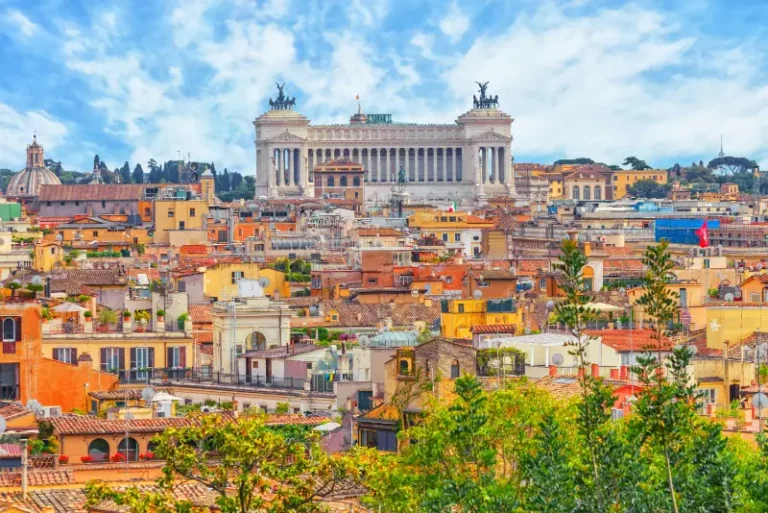
Rome is naturally romantic, but the best couples’ experiences are rarely the ones sold as “romantic packages.” The city works because it invites slow walking, long dinners, unexpected views and small rituals: sharing a maritozzo at breakfast, crossing a bridge after midnight, finding an almost empty church or watching the skyline change color from a hill.
This guide focuses on Rome for couples who want memorable time together without turning the trip into a sequence of staged gestures. It works for honeymoons, anniversaries, first trips together and ordinary weekends when the goal is simply to enjoy the city at a better pace.
Walk the historic center early in the morning
Trevi Fountain, the Pantheon, Spanish Steps and Piazza Navona can feel completely different before the busiest part of the day. An early walk gives you empty side streets, morning deliveries, cafés opening and softer light. It is one of the simplest ways to make famous Rome feel personal.
End with breakfast rather than rushing to a timed museum. A coffee and pastry standing at a bar can be more memorable than paying extra for a terrace directly on a landmark.
Choose one sunset, not five
Rome has many viewpoints, but sunset becomes less special if every evening is an expedition to another terrace. Choose one or two: the Orange Garden for a quieter garden setting, the Janiculum for a broad panorama, Pincio above Piazza del Popolo for accessibility from the center, or a paid rooftop when you want drinks and comfort.
Our best views in Rome guide compares more options.
Spend an evening in Trastevere, but leave the busiest lanes
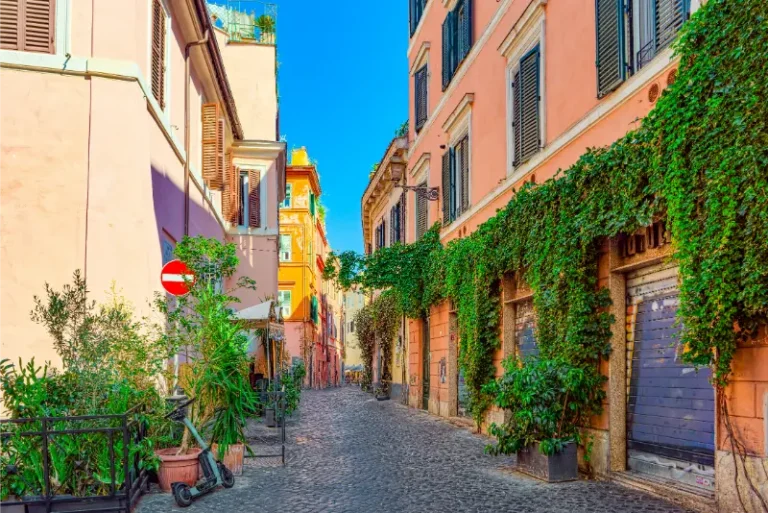
Trastevere is beautiful after dark, yet the lanes closest to the nightlife core can become crowded. Start around Santa Maria in Trastevere, then move outward through quieter streets before dinner. The neighborhood feels more romantic when you are walking rather than standing in a queue for the restaurant everyone saw online.
See our Trastevere guide for a fuller route.
Visit Galleria Borghese and stay in the park
A timed visit to Galleria Borghese gives couples a concentrated two hours of Bernini, Caravaggio and spectacular interiors, then Villa Borghese provides the opposite energy: trees, paths and space. This combination is stronger than pairing the gallery with another museum.

If you do not want the gallery, the park alone still works for a slow afternoon between Piazza del Popolo and the neighborhoods north of the center.
Cross the Tiber after dinner
A late walk beside the river or across bridges such as Ponte Sisto and Ponte Sant’Angelo gives Rome a calmer scale. The monuments remain lit, traffic often feels less dominant and you can cover short distances without the pressure of “seeing” anything specific.
Keep normal city awareness and avoid isolated stretches late at night, but the central river crossings are among the most atmospheric parts of an evening.
Take a day trip to Tivoli or Frascati
A couple staying five days or more can benefit from one day outside central Rome. Tivoli gives you gardens, fountains and imperial ruins; Frascati gives you a smaller-town rhythm, Castelli Romani atmosphere and a food-and-wine focus. The contrast makes returning to Rome in the evening feel fresh.
Create a food memory instead of chasing a famous table
Book one meal that matters to you, then let the rest be flexible. A neighborhood trattoria, wine bar, market lunch or bakery crawl can feel more intimate than a heavily promoted “romantic restaurant.” Decide whether you care most about classic Roman pasta, a view, contemporary cooking or wine, then choose the area accordingly.
Testaccio is excellent for traditional Roman food, while Monti mixes wine bars and central convenience. Our food guide explains the classics.
Do one beautiful thing slowly
Couples often over-plan city breaks because both people have a list. Choose one experience each day that you agree not to rush: a church, a garden, a museum room, a long lunch or an evening square. The shared memory usually comes from the pause, not the number of attractions.
Where to stay for a couples trip
For walkability and atmosphere, the historic center is hard to beat if budget allows. Monti works well for a stylish neighborhood feel near ancient sights; Prati is calmer and convenient for the Vatican; Trastevere is atmospheric but can be noisy; the Aventine and areas around Villa Borghese can suit couples who value quiet more than nightlife.
Compare areas in our Where to Stay in Rome guide.
How to fit this into a Rome itinerary
For a three- or four-day couples trip, combine one major sight each morning with unstructured afternoons and at least two slow evenings. A good rhythm is Colosseum plus Monti, Vatican plus Prati and the river, Galleria Borghese plus park and Pincio, then a final historic-center morning with a special dinner somewhere outside the most tourist-heavy lanes.
Rome is easier when each day has one or two fixed anchors rather than six timed reservations. Leave walking space between major sights, especially in the historic center where a ten-minute route on a map often becomes a thirty-minute detour once you stop for a church, fountain or coffee. If you are building a first trip, compare this plan with our 5-day Rome itinerary and adjust the pace to your interests.
Booking, opening hours and last-minute changes
Reserve only the experiences that truly require it: the Colosseum, Vatican Museums, Galleria Borghese and any restaurant you would be genuinely disappointed to miss. Do not turn every dinner, rooftop and sunset into a timed obligation. Romantic travel works better when some of the best hours remain unscheduled.
Opening hours in Rome can change for restoration work, public holidays, religious ceremonies, strikes, heat measures and special events. Check the official website again shortly before you go, save digital tickets offline and avoid scheduling a second non-refundable activity immediately after a major museum or archaeological site. A little margin is often more valuable than squeezing one extra attraction into the day.
Food, water and walking strategy
Rome sightseeing is physical even when you use buses and the metro. Wear shoes that are comfortable on cobblestones and uneven archaeological surfaces, carry a refillable bottle and use the city’s public drinking fountains when appropriate. In hot weather, move outdoor sightseeing toward morning and late afternoon; in winter, remember that daylight disappears much earlier and some archaeological sites close correspondingly early.
For meals, walk a street or two away from the most photographed landmark, read the menu before sitting down and choose a place because the food suits you rather than because someone is calling from the pavement. A bakery, pizza al taglio counter or simple trattoria often fits a sightseeing day better than a long formal lunch. Our Roman food guide explains the dishes worth looking for.
A practical checklist before you go
- Confirm the latest official opening hours and any timed-entry requirement.
- Save tickets, confirmations and an offline map on your phone.
- Allow at least 20–30 minutes of buffer around important reservations.
- Carry water and dress for the season rather than for photographs alone.
- Check transport disruptions on the day, especially if your plan depends on buses or regional trains.
- Keep valuables secure in crowded transport and around major tourist bottlenecks.
- Leave enough unscheduled time to enjoy Rome rather than simply moving between reservations.
Frequently asked questions
What is the most romantic area of Rome?
There is no single answer. Trastevere is atmospheric at night, the Aventine is quiet and panoramic, Monti feels intimate and central, while the historic center gives you the classic fountains and piazzas.
Is Rome good for an anniversary trip?
Yes. It combines major sights with excellent food, evening walks, day trips and hotels at almost every style level. The key is choosing a slower itinerary than you would for a first solo sightseeing sprint.
Where is the best sunset for couples in Rome?
The Orange Garden is beautiful and relatively compact, Pincio is easy to reach, and the Janiculum offers a wider city panorama. Arrive before the sun is already on the horizon.
Final advice
The most romantic version of Rome is not a checklist of roses, rooftops and carriage rides. It is the version where you have enough time to notice the city together. Leave gaps in the itinerary, choose one or two beautiful settings on purpose and let the rest happen between them.
Deeper planning: pace, expectations and local context
When planning around Rome for couples, the most useful question is not simply “Can I fit this in?” but “What will the rest of the day feel like afterward?” Rome combines heat, hard walking surfaces, security checks and sensory overload. A plan that looks light on paper can be tiring in practice, especially after a large museum or archaeological site. Build the day so that the second half is easier than the first: a neighborhood walk after a museum, a long lunch after archaeology, or a viewpoint after a structured tour.
Pay attention to geography as well as attraction rankings. Crossing Rome repeatedly for individually famous places wastes energy and makes transport disruption more important. Group sights by area and accept that a second-tier attraction next door can be a better choice than a headline sight forty minutes away. This is also how you discover churches, courtyards, bakeries and streets that never appear on a “top ten” list.
Finally, decide what success looks like before the day begins. For some travelers it is photographs and major monuments; for others it is art, food, history, family time or simply feeling the city. Rome supports all of these styles, but not always in the same schedule. A strong itinerary is selective on purpose, and that selectivity is what turns practical travel advice into a better experience.