Best Museums for Kids in Rome: Interactive, Science and Family-Friendly Choices
Rome’s best museums for children are not necessarily the biggest or most famous museums in the city. A six-year-old may remember pushing buttons at Explora, spotting animal specimens at the zoology museum or watching a planetarium show more clearly than a three-hour march through rooms of Renaissance art.
The goal is balance. Families can still visit the Colosseum and Vatican Museums, but mixing in a museum designed around interaction or curiosity gives children a place where touching, questioning and moving are part of the experience. Pair this guide with our Rome with kids guide.
| Museum/experience | Best age range | Why it works | Planning note |
|---|---|---|---|
| Explora | Young children to preteens | Hands-on interactive exhibits | Timed/controlled visits may apply; book ahead |
| Museo Civico di Zoologia | School-age animal lovers | Specimens and natural history | Easy to combine with Villa Borghese |
| Technotown | Older children/teens | Creative science and technology activities | Check current workshops |
| Planetario di Roma | School-age and up | Immersive astronomy shows | Program and language vary |
| Casina delle Civette | Visual/art-loving children | Storybook-like building and stained glass | Combine with Villa Torlonia |
Explora: the clearest children-first museum
Explora, near Piazza del Popolo, is specifically designed for children and families. Rome’s official tourism site describes interactive installations covering science, sustainability, technology, art and everyday systems. Check the official Explora website for current session times, tickets and age guidance.
The biggest advantage is psychological: children are not merely being tolerated inside an adult museum. The environment expects them to touch, test and explore. This makes Explora an excellent recovery activity after a monument-heavy morning.
Museo Civico di Zoologia
The Civic Museum of Zoology can work well for children who already like animals, skeletons, ecosystems and natural history. It is close to Villa Borghese, which makes the logistics unusually family-friendly: museum first, then outdoor time in the park.
Do not oversell it as a giant natural-history museum on the scale of London or New York. Its strength is a manageable, themed visit that can fit into a Rome day without consuming all of your energy.
Technotown at Villa Torlonia
Technotown focuses on creative science and technology activities and is best approached through its current workshop program rather than as a traditional museum with a fixed route. Age requirements can vary by activity, so check before promising a specific experience to a child.
Villa Torlonia itself adds variety: gardens, unusual architecture and the Casina delle Civette create a half-day that mixes indoor and outdoor time. Our Villa Torlonia guide can help with the broader visit.
Planetario di Roma
A planetarium show can be a powerful reset when children are tired of ruins. Programs change and language matters for narrative-heavy shows, so check the current schedule before traveling to the EUR area.
Even when a child does not understand every word, astronomy visuals can still be engaging, but parents should decide whether the specific program suits the child’s age and attention span. Pairing the planetarium with open space in EUR can make the trip more worthwhile.
Casina delle Civette: a museum that looks like a storybook
The Casina delle Civette at Villa Torlonia is not a children’s museum, but its stained glass, decorative animals and unusual architecture can be easier for children to engage with than a conventional picture gallery. Turn the visit into a visual scavenger hunt: find owls, colors, windows and shapes.
Because the building is relatively compact, it works well when you want a cultural visit without committing to hours indoors. Follow the museum’s current visitor route and remind children that “interesting for kids” does not mean objects can be touched.
Leonardo-themed museums: compare carefully
Rome has several attractions using Leonardo da Vinci’s name, often with models and interactive displays. Quality, focus and ownership differ, so read the current description and recent visitor information rather than assuming they are all the same institution.
These can be enjoyable for engineering-minded children, but do not choose purely because “Leonardo” appears on the sign. Check whether the displays are interactive, how long the visit takes and whether the explanations suit your child’s age.
Can the Vatican Museums work with children?
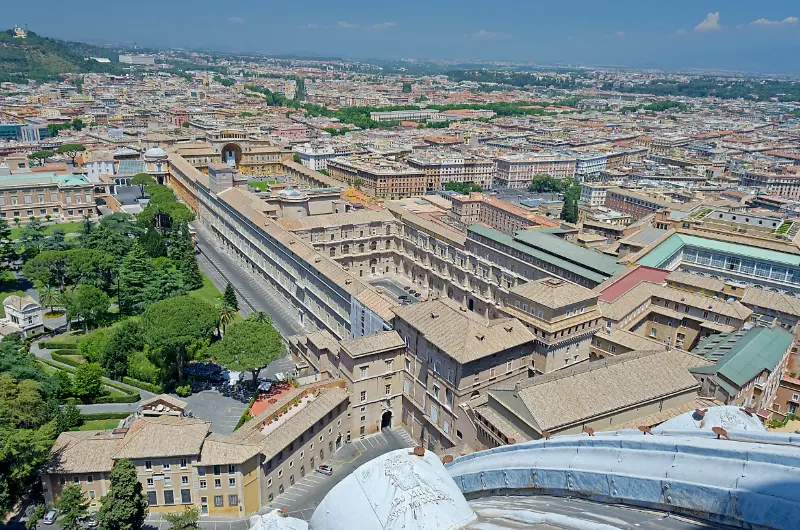
Yes, but the Vatican Museums are not a children’s museum and require a different strategy. Keep the route shorter, choose a few things to look for and avoid forcing a child to appreciate every gallery. Crowd density can be tiring even for adults.
Older children interested in ancient Egypt, maps or the Sistine Chapel may respond very well when given a specific mission. Younger children often do better with a shorter visit followed by open space and food.
Making the Capitoline Museums more child-friendly
The Capitoline Museums contain iconic ancient sculpture and are easier to understand when you build a simple story around emperors, wolves, gods and the shape of ancient Rome. Pick five objects rather than attempting every room.
Use the views over the Roman Forum as a visual bridge between museum objects and the city outside. Children often engage better when an artifact connects to something they can then see in real space.
Ages, attention spans and museum length
Age labels are only a starting point. One seven-year-old can spend two hours with dinosaurs while another is finished after forty minutes. Plan around your actual child, not an idealized family itinerary from social media.
For most families, one major indoor cultural activity per half-day is enough. Add a playground, park, gelato stop or simple meal afterward rather than another museum reservation.
Booking and current schedules
Children’s museums and workshops are more likely than conventional galleries to use timed sessions, age bands or scheduled activities. Check the official website and book early on weekends, holidays and rainy days when indoor family activities become more popular.

Do not rely on a saved screenshot from months before your trip. Family programming changes seasonally and temporary closures are common.
A family museum day that actually works
Choose one museum as the anchor, one outdoor space nearby and one easy food stop. For example, a Villa Borghese area museum pairs naturally with park time; Villa Torlonia museums pair with the gardens there. Geographic simplicity prevents the day from becoming a transit exercise.
If your child needs frequent play breaks, use our Rome playgrounds guide to identify backup stops near sightseeing areas.
How to turn any museum into a better family visit
Give children a mission before entering: find three animals, choose the strangest ancient object, sketch one mosaic or decide which room they would live in. A specific task turns passive walking into observation without requiring a formal worksheet.
Adults should also edit themselves. Long explanations can make a good object boring. Offer one memorable fact, ask a question and move on. If a child wants to stay with one display longer, follow that curiosity instead of forcing the planned route.
End while the visit is still going well. Leaving after seventy engaged minutes is better than stretching to two hours until everyone is irritable. Rome has enough museums that you do not need to “finish” any single one.
How to fit museums for kids in Rome into a Rome itinerary
Plan museums for kids in Rome around geography and energy rather than treating it as an isolated checklist item. Rome days work best when major activities sit near one another and when you leave realistic time for meals, queues and the walk back to transport. A good itinerary protects the experience itself instead of maximizing the number of stops.
Keep one flexible block in the day. Opening hours, weather, traffic and personal energy can all change, and the ability to move lunch earlier or drop a minor stop often improves the trip. Save essential addresses and official links offline before leaving the hotel.
Finally, decide what success looks like before you start. If the main goal is one museum, one neighborhood experience or one day trip, complete that well. Rome rewards repeat visits, and there is no prize for turning every free hour into another reservation.
Common mistakes to avoid
- Scheduling two or three large museums back-to-back.
- Choosing only museums that adults want and calling them “family-friendly.”
- Ignoring timed-entry or workshop age rules.
- Assuming every Leonardo-branded attraction is the same.
- Forcing a complete Vatican Museums route on a tired young child.
- Forgetting outdoor recovery time after an indoor visit.

Frequently asked questions
What is the best museum in Rome for young children?
Explora is the clearest children-first choice because the experience is designed around interaction and discovery.
Which museum works well with Villa Borghese?
The Civic Museum of Zoology is a practical choice for children interested in animals and natural history.
Are the Vatican Museums good for kids?
They can be, especially for older children with a focused route, but the crowds and scale make them more demanding than a dedicated children’s museum.
Do I need to book family museums in advance?
Often yes for timed sessions, workshops, weekends and holiday periods. Check each official site.
Final advice
Choose museums that match your child’s curiosity, keep visits shorter than an adult-only itinerary and pair indoor time with parks or playgrounds. A family trip to Rome works best when children get at least one place each day that feels designed for them.