Rome with Toddlers: Practical Guide for Visiting with Babies and Young Children
Rome with a toddler can be wonderful, but the trip works only if you plan for the city you are actually visiting rather than an idealized checklist of monuments. Cobblestones, stairs, summer heat, long museum routes and crowded public transport can make an adult itinerary exhausting for a small child. The solution is not to avoid Rome; it is to reduce the number of fixed attractions, build in parks and fountains, choose accommodation carefully and accept that a good family day may include one major sight rather than four.
At a glance
| Best strategy | One major attraction per half day |
| Stroller | Useful, but choose sturdy wheels and expect cobblestones and stairs |
| Carrier | Very helpful for archaeological sites, crowded transport and stair-heavy areas |
| Accommodation priority | Central location, lift if needed, quiet sleep environment |
| Heat | Plan early mornings, long midday breaks and shaded late afternoons in summer |
Choose where you stay before you choose what you see
With very young children, accommodation location affects the trip more than an extra museum reservation. Being able to return for a nap, change clothes or escape a storm can save an entire day. A slightly more expensive room in a walkable area may cost less in stress and taxis than a cheaper stay far from the center. Check whether the building has a lift, whether the lift actually fits your stroller, and whether there are steps before the lift begins.
Areas near the historic center, Prati, Monti and parts of Trastevere can all work, but each has trade-offs. Read the where to stay in Rome guide with family logistics in mind rather than nightlife or romantic atmosphere.
Stroller or baby carrier? Bring both if you can
A stroller is valuable because toddlers sleep, bags accumulate and walking distances are long. But Rome’s sampietrini cobblestones, uneven pavements and staircases can make lightweight travel strollers frustrating. Larger wheels usually handle the surface better. A carrier becomes essential when you enter crowded buses, climb stairs or visit terrain where pushing a stroller is awkward.
Do not assume every famous attraction offers a smooth stroller route. Archaeological sites can include rough ground, while historic buildings may have access solutions that are designed primarily for mobility needs rather than convenience. Check individual sites before the day and be willing to park or fold the stroller when required.
Build the day around energy, not opening hours
Most toddlers are at their best in the morning. Use that window for the one sight you care about most, then let the schedule loosen. After lunch, return to the hotel or find a quiet green space. Late afternoon can be for a piazza, gelato, a fountain or a short walk. This rhythm may look less ambitious on paper, but families usually experience more because they spend less time managing meltdowns in queues.
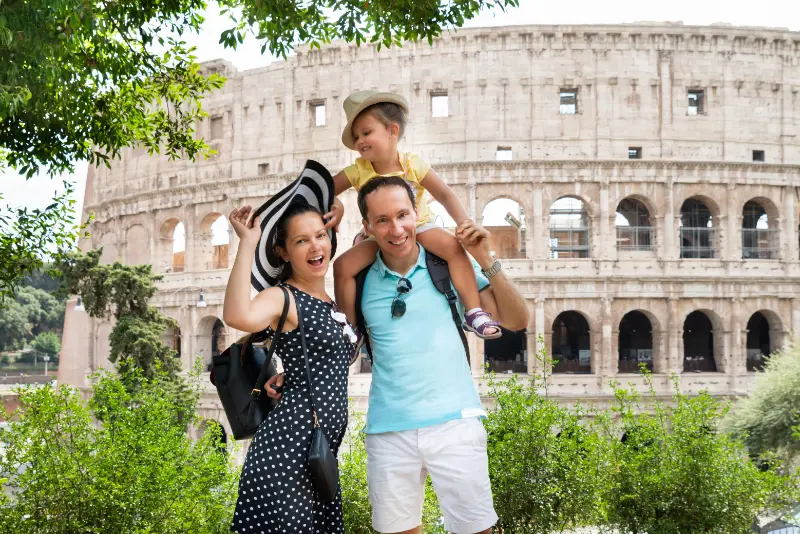
Avoid stacking timed tickets. If the Colosseum starts at 9:30, do not automatically book a museum at 13:00 and a food tour at 16:00. The transitions, toilets, snacks and transport between activities are where family itineraries break.
Which major sights work best with toddlers
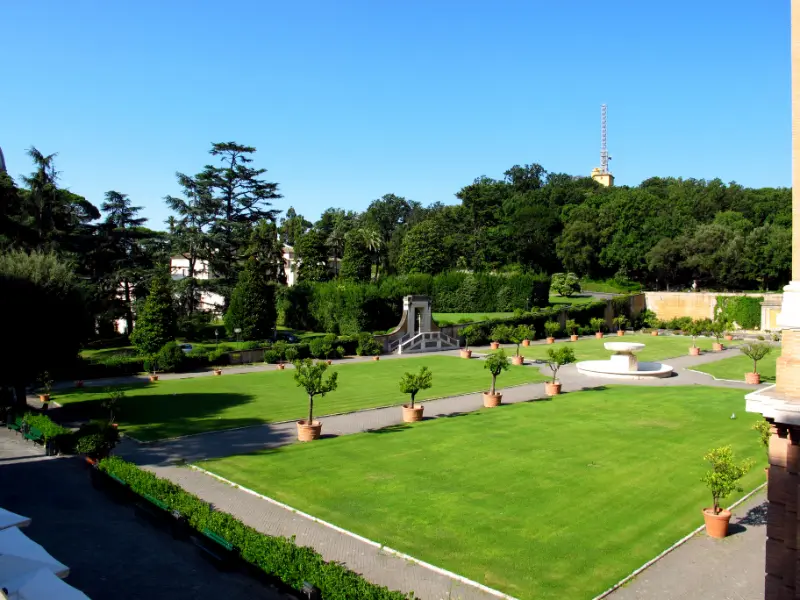
Open-air monuments can be easier because you can adjust the visit length. Piazza Navona, the Pantheon area, Trevi Fountain from the wider viewing zone, Villa Borghese and many churches allow flexible pacing. The Colosseum can be exciting for children who understand “gladiators,” but the surrounding Roman Forum is harder with a stroller and hot weather. Vatican Museums can be visually impressive but are long, busy and difficult to exit quickly once you are deep in the route.
For a broader family shortlist, use the Rome with kids guide. With toddlers specifically, choose fewer indoor masterpieces and more places where movement is allowed.
Parks are not filler: they are part of the itinerary
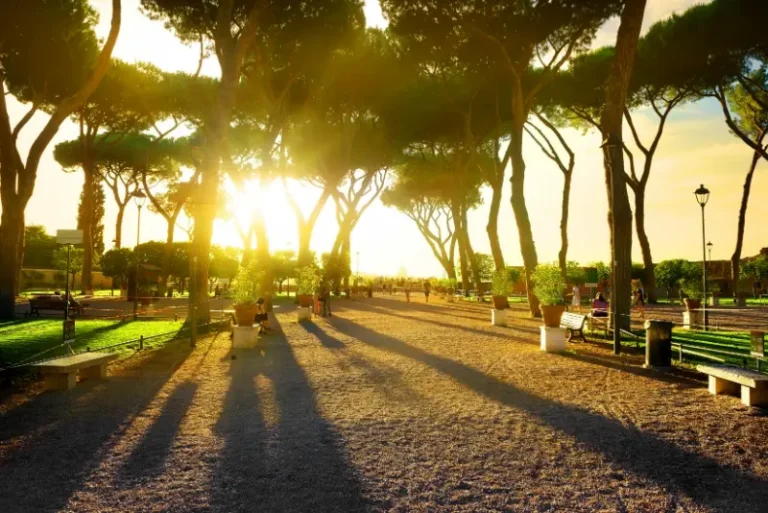
Villa Borghese is one of the most useful family spaces because it creates room to run, sit, snack and reset while staying close to central attractions. Villa Doria Pamphilj and Villa Torlonia are good alternatives on longer trips. A park hour can make the difference between a child tolerating an evening walk and everyone returning to the hotel exhausted.
Plan parks before the child is already overtired. Waiting until a meltdown begins is too late. If the morning includes a museum, schedule green space immediately afterward.
Food, snacks and restaurant timing
Italian restaurants are generally welcoming to children, but meal timing may be later than your toddler prefers. Keep portable snacks and water available so you are not forced into the nearest tourist restaurant at the first sign of hunger. Pizza al taglio, simple pasta, bread, fruit and gelato make flexible family eating easy.
High chairs are common but not universal, especially in tiny historic-center trattorias. If a high chair matters, ask when reserving. A folding stroller can become your backup seat, but do not block narrow service aisles. Early dinner is often easier with small children and can also help you avoid the busiest restaurant period.
Toilets, changing and the small logistics nobody mentions
Public toilet availability is uneven, so use museum bathrooms, cafés and restaurants strategically. Carry a compact changing mat and do not assume every restroom has a changing table. Large museums and shopping spaces are more likely to have family facilities than tiny bars.

Keep a small daily bag with wipes, spare clothes, sun protection, a light layer and a sealable bag for wet items. The goal is not to carry your entire suitcase; it is to prevent one predictable spill or weather change from forcing a return to the hotel.
Summer heat and winter rain
Heat is the biggest seasonal challenge for families. In July and August, begin early, avoid long exposed archaeology in the middle of the day and use fountains and air-conditioned interiors intelligently. Never cover a stroller completely with a blanket in hot weather because ventilation matters. In winter, rain can turn cobblestones slippery, so shoes and stroller rain protection become more important than cold itself.
The seasonal guides Rome in summer and Rome in winter provide broader context, but with toddlers the principle is simple: comfort outranks itinerary completeness.
Public transport and taxis with small children
Metro travel can be efficient, but lifts and escalators are not equally convenient at every station and crowding at peak times can be stressful with a stroller. Buses reduce walking but can be slow in traffic. Walking remains the default in central Rome, so choose routes that combine several nearby stops rather than zigzagging across the city.
Taxi rules, child-seat availability and private-transfer arrangements should be checked with the operator before travel. Do not assume a random taxi will provide the seat or setup you personally want for a baby. Airport transfers deserve advance planning; see the Rome airports guide for route options.
Frequently asked questions
Is Rome stroller friendly?
Partly. A stroller is very useful, but cobblestones, stairs and archaeological surfaces mean a baby carrier is an excellent backup.
How many major attractions should we book per day?
For toddlers, one major timed attraction per half day is usually enough. Leave large buffers for naps, meals and transport.
Is the Vatican Museums a good toddler attraction?
It can work for some families, but the route is long and crowded. Go early, keep expectations modest and avoid pairing it with another demanding attraction.
Which park is easiest for families staying centrally?
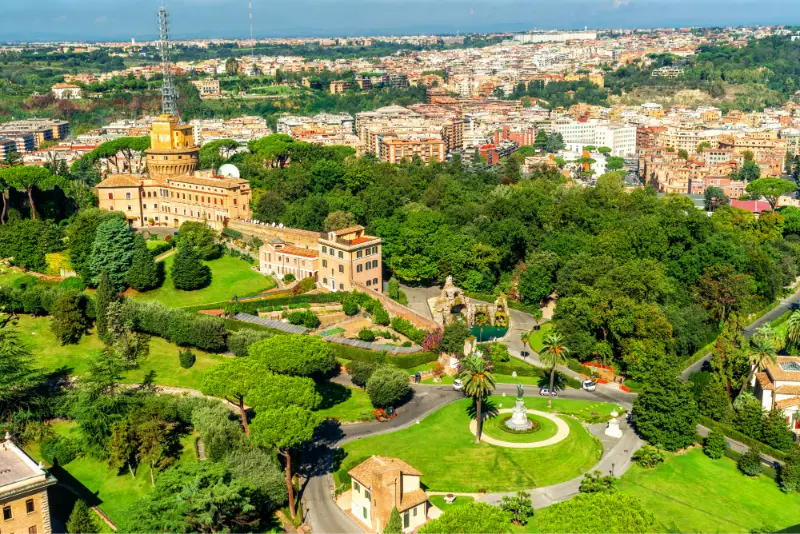
Villa Borghese is usually the most convenient because it is close to Piazza del Popolo and the Spanish Steps area.
Final thoughts
The best Rome trip with a toddler is not the one that proves you saw every monument. It is the one where the adults still enjoy the art and streets while the child gets sleep, food, movement and predictable breaks. Stay central, use both stroller and carrier if possible, book less than you think you can handle, and let parks and piazzas count as real travel experiences.
Extra planning notes for a smoother visit
For Rome with toddlers, the most reliable plan is to keep one part of the visit flexible. Rome and Lazio sites can change access because of worship, exhibitions, restoration work, weather or transport disruption. Check the official source on the morning of travel, keep a screenshot of any reservation, and avoid building a chain of appointments with no buffer. If you arrive earlier than expected, use nearby streets, a coffee stop or a public square rather than entering another paid attraction you do not have time to enjoy. This approach is especially useful in Rome because short map distances can hide queues, cobblestones, security checks and crowded public transport. A well-paced day usually produces better memories than a longer checklist, and it also gives you room to react when a church is temporarily closed, a museum route changes or the weather makes an outdoor plan less comfortable.
Extra planning notes for a smoother visit
For Rome with toddlers, the most reliable plan is to keep one part of the visit flexible. Rome and Lazio sites can change access because of worship, exhibitions, restoration work, weather or transport disruption. Check the official source on the morning of travel, keep a screenshot of any reservation, and avoid building a chain of appointments with no buffer. If you arrive earlier than expected, use nearby streets, a coffee stop or a public square rather than entering another paid attraction you do not have time to enjoy. This approach is especially useful in Rome because short map distances can hide queues, cobblestones, security checks and crowded public transport. A well-paced day usually produces better memories than a longer checklist, and it also gives you room to react when a church is temporarily closed, a museum route changes or the weather makes an outdoor plan less comfortable.
A final practical perspective
For Rome with toddlers, the most reliable plan is to keep one part of the visit flexible. Rome and Lazio sites can change access because of worship, exhibitions, restoration work, weather or transport disruption. Check the official source on the morning of travel, keep a screenshot of any reservation, and avoid building a chain of appointments with no buffer. If you arrive earlier than expected, use nearby streets, a coffee stop or a public square rather than entering another paid attraction you do not have time to enjoy. This approach is especially useful in Rome because short map distances can hide queues, cobblestones, security checks and crowded public transport. A well-paced day usually produces better memories than a longer checklist, and it also gives you room to react when a church is temporarily closed, a museum route changes or the weather makes an outdoor plan less comfortable.