
Rome for Backpackers: Hostels, Budget Food, Transport and Itinerary
Rome is a strong backpacking city if you plan around its two biggest pressures: accommodation cost and the temptation to buy every famous ticket. The center is compact enough for long walking days, public transport is affordable, and many churches, piazzas and viewpoints are free. That makes it possible to keep costs under control without reducing the trip to superficial sightseeing.
The smartest approach is to choose a well-connected hostel or budget room, travel light, and group each day geographically. Our Rome hostels guide helps with accommodation choices; this article focuses on how backpackers can structure the whole trip.
Why Rome works so well for backpackers
Rome’s density is an advantage for backpackers. You can cover large sections of the historic center on foot and save transport for airport transfers, outer neighborhoods and day trips.
Cheap food formats are integrated into ordinary city life. Pizza al taglio, bakeries, markets and simple bars make it easy to eat on a budget, while refillable water points reduce the need to buy bottled water repeatedly.
The main difficulty is that blockbuster attractions require planning. Backpacking spontaneity is wonderful for neighborhoods and free sights, but less effective when a Colosseum or Vatican slot sells out. Reserve only your true priorities and leave the rest flexible.
| Planning question | Best approach |
|---|---|
| Best base priorities | Transport, secure storage and recent reviews |
| Best free activities | Piazzas, churches, fountains, parks and viewpoints |
| Best budget meals | Pizza al taglio, supplì, bakeries and markets |
| Best way to move | Walk by cluster; metro/bus for longer transfers |
| Best planning style | Reserve headline sights, improvise the rest |
Backpacker-friendly Rome highlights
Historic center on foot
A walking loop through the Spanish Steps, Trevi, Pantheon and Piazza Navona delivers a huge amount of Rome without a transport ticket. Start early to reduce crowd pressure and use side streets rather than following the busiest pedestrian corridors. For deeper planning, see our historic center on foot guide.
Free things to do
Rome’s free attractions are not second-rate. Major churches, fountains, viewpoints and neighborhoods can fill entire half days. Use paid tickets to unlock specific experiences rather than buying admission simply because a place is famous. For deeper planning, see our free things to do guide.
Rome street food
Street food can keep lunch flexible and inexpensive. Learn how pizza by weight is ordered, try supplì and use neighborhood bakeries. The goal is value and local flavor, not eating every meal while standing. For deeper planning, see our rome street food guide.
Hostel areas near Termini
Termini is practical for backpackers because airport trains, metro lines and national rail converge there. Street atmosphere varies block by block, so compare current reviews and walking routes instead of judging the entire district by one reputation. For deeper planning, see our hostel areas near termini guide.
Trastevere
Trastevere offers lively evenings and memorable streets, but budget travelers should understand that the most famous lanes can become crowded and accommodation may not be cheap. Visit for atmosphere even if you sleep elsewhere. For deeper planning, see our trastevere guide.
Pigneto
Pigneto is useful for backpackers who want a less monumental evening scene. It is not a replacement for first-time central sightseeing, but it adds a contemporary neighborhood and can make a multi-day stay feel less tourist-centered. For deeper planning, see our pigneto guide.
Parks and viewpoints
Parks such as Villa Borghese provide free space to rest between intense sightseeing days. For backpackers carrying everything from water to a camera, a long bench break can be more valuable than squeezing in another minor attraction. For deeper planning, see our parks and viewpoints guide.
Day trips by rail
Rome is also a useful rail base. Backpackers with extra time can compare independent day trips to places such as Tivoli, Ostia Antica, Orvieto or Naples rather than paying automatically for organized transport. For deeper planning, see our day trips by rail guide.
How to build a satisfying day
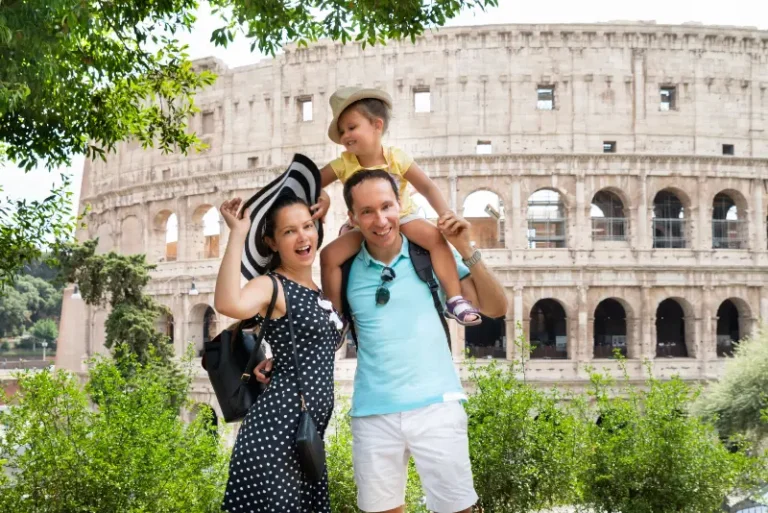
Pack the day around one paid anchor. If the Colosseum is your morning reservation, keep the afternoon in Monti, Celio or the historic center instead of adding another cross-city ticket.
Carry only what you need. A small day bag, refillable bottle and power bank are usually enough. Secure your passport and backup payment method at your accommodation if a safe or locker is available.
Use late afternoons for rest and social time. Backpacking days can become physically intense, and protecting an hour before dinner makes evenings more enjoyable than arriving at a bar exhausted.
Best neighborhoods to use as a base
Termini is the practical choice for transport, hostels and early trains. Monti is more atmospheric but often more expensive. San Lorenzo and Pigneto appeal to younger travelers, while Ostiense can work for those interested in street art and nightlife.
Do not choose a hostel solely on map distance from the Colosseum. Read recent reviews about cleanliness, locker size, noise, reception hours and late check-in. A slightly farther bed with reliable metro access can be much better value.

Food, coffee and breaks
Use the supermarket guide for breakfast supplies and snacks, then spend selectively on Roman dishes. A budget trip should still include at least one proper meal where you can try pasta or seasonal specialties without rushing.
Refill water where appropriate and avoid repeated convenience purchases in the most tourist-heavy squares. Small savings on drinks and snacks add up across a long backpacking trip.
Transport, walking and pacing
The center is walkable, but Rome is larger than the postcard map suggests. Use metro and buses when a transfer saves significant time, especially between Termini, Vatican, San Giovanni and outer districts.
For airports, compare the total cost rather than choosing the cheapest advertised bus automatically. Arrival time, luggage, hostel reception hours and the last onward connection can make a faster train worth the difference.
Budget and reservations
Set aside money for two or three headline experiences, then make the rest of the trip flexible. Attraction FOMO is one of the fastest ways to destroy a backpacker budget in Rome.
Keep an emergency reserve separate from daily spending. Cards are widely useful, but a small amount of cash can still help with minor purchases. Our money in Rome guide covers ATMs and payment habits.
Best time of year for this kind of trip
Late winter and shoulder season can be attractive for backpackers because beds may cost less outside major holidays and the weather is better for long walks than peak summer heat.
If traveling in summer, book accommodation with cooling and check whether dorms have reliable air conditioning. Saving a few euros is poor value if sleep becomes impossible before a full sightseeing day.
A practical backpacking routine for longer stays
Backpackers often enjoy Rome more when they create a simple routine instead of repacking the entire city into every day. Keep one morning for laundry, groceries and planning, choose a nearby bar for breakfast, and identify the transport stop you will use most often. These small habits reduce decision fatigue and make it easier to say yes to a spontaneous church, market or sunset without worrying about unfinished practical tasks.
If Rome is one stop on a longer European trip, protect energy for the days after departure. Do not schedule a dawn airport transfer after a late night out, and do not assume you can carry a heavy pack through a full sightseeing day before an evening train. Use luggage storage when it meaningfully improves the final day, keep documents and medication in your day bag, and leave enough time to reach Termini or the airport without turning the departure into the most stressful part of the visit.
A three-day backpacker itinerary
- Day 1: free historic-center walk, inexpensive lunch, Pantheon or another paid stop, sunset viewpoint.
- Day 2: Colosseum/Forum as the main ticket, Monti and Celio afterward, budget evening in San Lorenzo.
- Day 3: Vatican-area morning, free church or park afternoon, Trastevere/Pigneto evening depending on your style.
Common mistakes to avoid
- Booking the absolute cheapest dorm without checking lockers and transport.
- Carrying passport, all cards and all cash in one place.
- Walking huge distances just to avoid a low-cost bus or metro fare.
- Buying last-minute attraction tickets from questionable resellers.
- Eating only convenience food and missing Roman cuisine entirely.
- Scheduling an early timed entry after a very late night out.
Backpacking Rome is a balancing act between spontaneity and reservations. Lock in only the experiences that truly sell out, then let neighborhoods, free sights and food remain flexible.
Frequently asked questions
How many days do backpackers need in Rome?
Three full days covers the essentials, while four or five days gives enough time for neighborhoods and one day trip.
Is Termini a good area for hostels?

It is extremely convenient, but quality and street atmosphere vary, so recent property-level reviews matter more than the district label.
Can I drink tap water in Rome?
Rome’s public water system includes many drinking fountains; use the Rome drinking water guide for practical advice.
Do I need a transport pass?
Not necessarily. Compare the price of individual rides with how often you will actually use buses or metro.
Final advice
Rome suits backpackers who are willing to plan the expensive pieces and improvise the rest. Walk the center, eat intelligently, protect your belongings, and use neighborhoods as the framework for days that feel full without becoming financially exhausting.