Rome for Students: Budget Travel, Culture, Nightlife and Practical Tips
Rome can work extremely well for student travelers because the city offers a rare combination of major cultural sites, inexpensive everyday food, strong public space and neighborhoods with active evening life. The challenge is controlling accommodation and attraction costs without reducing the trip to supermarkets and free viewpoints. A good student itinerary spends selectively and uses the city’s enormous amount of free culture to fill the gaps.
This guide assumes you care about budget but still want a serious Rome experience. Combine free churches and piazzas with one major paid attraction per day, use the street food guide for affordable meals, and choose a base with good transport rather than paying a premium simply to sleep beside the Pantheon.
Why Rome works so well for students
Students benefit from Rome’s walkability. Large parts of the historic center can be explored without spending on transport, and many famous public spaces cost nothing. This makes it possible to dedicate budget to a few high-value tickets.
The city also has neighborhoods with different identities: San Lorenzo for student energy, Pigneto for bars and street life, Monti for central atmosphere, and Ostiense for a more contemporary urban feel. You can shape evenings around your preferences instead of defaulting to the same tourist streets.
The main financial trap is spontaneous decision-making in the most visited zones. Last-minute accommodation, convenience stores beside landmarks and poor-value restaurant menus can consume far more than public transport or museum tickets. A little planning creates much more freedom.
| Planning question | Best approach |
|---|---|
| Best budget strategy | One paid anchor attraction per day plus free sights |
| Useful neighborhoods | San Lorenzo, Pigneto, Ostiense and parts of Esquilino |
| Best cheap meal formats | Pizza al taglio, bakery food, markets and simple pasta lunches |
| Best transport approach | Walk central clusters; use metro/bus for longer hops |
| Biggest cost to control | Accommodation |
Student-friendly Rome experiences
Free churches and art
Rome’s churches can contain major art and architecture without an admission fee. Build a route around a few important interiors, respect services and dress codes, and you can have an academically serious art day for almost nothing. For deeper planning, see our free churches and art guide.
San Lorenzo
San Lorenzo has a strong student identity because of its proximity to university life. Street art, bars and casual food make it a useful evening district, but it is still a real neighborhood. Visit with ordinary city awareness and avoid assuming every street is a nightlife attraction. For deeper planning, see our san lorenzo guide.
Pigneto
Pigneto offers a different social scene, with pedestrian areas, bars and a more alternative feel than the monumental center. It works well for students who want to experience contemporary Rome after a day of classical sightseeing. For deeper planning, see our pigneto guide.
Villa Borghese
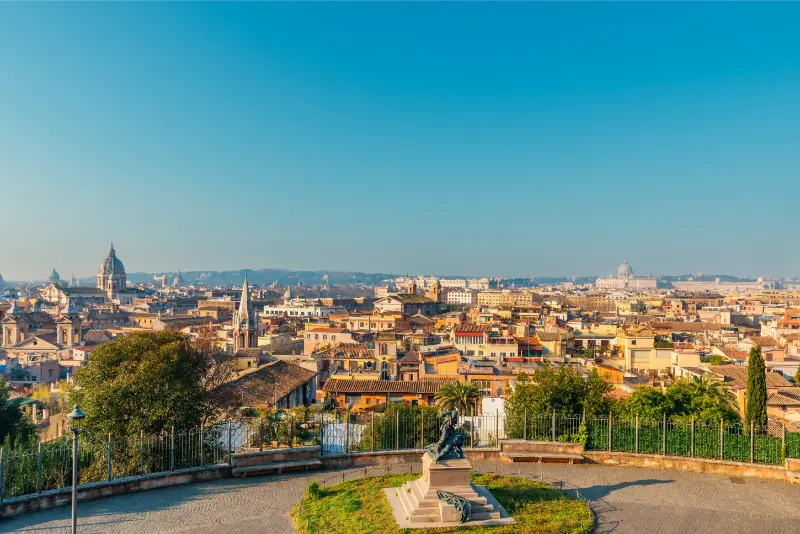
The park is a free way to decompress between museums and dense city streets. Bring water, walk toward the Pincian viewpoint and use the green space as a real break rather than filling every hour with ticketed attractions. For deeper planning, see our villa borghese guide.
Street food
Pizza by the slice, supplì and bakery options can keep lunch affordable without turning every meal into fast food from an international chain. Learn how pricing works and step a few streets away from the most famous squares for better value. For deeper planning, see our street food guide.
Rome Metro
The metro is not comprehensive, but it is useful for moving between Termini, the Vatican area, San Giovanni and other districts. Combine it with walking and buses rather than buying transport products automatically without calculating how often you will actually ride. For deeper planning, see our rome metro guide.
Hidden gems
A student trip is a good opportunity to explore places beyond the expensive headline circuit. Lesser-known churches, parks, neighborhoods and viewpoints often create stronger memories than another rushed paid attraction. For deeper planning, see our hidden gems guide.
Rome at night
Evenings do not need to mean expensive clubs. Piazza walks, illuminated monuments, neighborhood bars and simple aperitivo can create a full night. Set a return plan before drinking and know which late transport or taxi option you will use. For deeper planning, see our rome at night guide.
How to build a satisfying day
Start early enough to use the free city before lunch. A central walking route through fountains, churches and piazzas costs nothing and gives you context before a paid museum or archaeological site.
Keep lunch simple and spend more selectively at dinner if food matters to you. Markets, bakeries and pizza al taglio are practical, but avoid eating every meal on the run; one relaxed trattoria dinner can be part of the cultural experience.
If traveling as a group, agree on budget expectations before the day starts. Different ideas about taxis, bars and paid tours create more friction than the attractions themselves.
Best neighborhoods to use as a base
San Lorenzo and parts of Esquilino can be attractive to younger travelers because of prices and location, but compare individual streets and recent reviews rather than choosing a district by reputation alone. Pigneto has nightlife appeal but is less convenient for some first-time sightseeing routes.
Termini can be extremely practical for transport and day trips, while Monti is more atmospheric but often more expensive. Students staying several nights may save by accepting a short metro ride instead of paying for a postcard address.
Food, coffee and breaks
Budget food is easiest when you understand formats. Pizza al taglio is priced by weight, bars may charge differently for table service, and tourist menus beside landmarks often cost more without improving quality.
Use supermarkets for breakfast supplies, fruit and water, not as a replacement for all Roman food. The goal is to save on low-value purchases so you can afford experiences that matter.
Transport, walking and pacing
Walk central Rome, but do not turn saving €1.50 into a two-hour detour that ruins the day. Public transport is inexpensive relative to the time it can save.
At night, know the last practical route home and keep enough budget for a licensed taxi if plans run late. Our Rome safety guide covers common city precautions.
Budget and reservations
Set a daily “fixed culture” budget before arrival. If you know which three or four expensive attractions matter most, you can reserve them and stop making emotional last-minute purchases.
Look for official reduced prices where eligibility applies, but never assume every student card receives a discount. Age, nationality, institution and exhibition rules vary, so check the official ticket page for each attraction.
Best time of year for this kind of trip
Shoulder season often gives students the best balance of accommodation prices, weather and social atmosphere. Winter can be even cheaper outside holidays, while summer may increase both heat and bed prices in popular hostels.
If your dates are fixed by academic breaks, adapt the schedule rather than worrying about the “perfect” month. Early starts and smart neighborhood grouping matter more than chasing ideal weather.
How to make a student budget last longer
Think in terms of cost per useful hour, not only the cheapest possible option. A central but noisy bed may save transport money and still leave you too tired to enjoy the next day; a very cheap meal beside a landmark may not be good value if it is small and poor. Compare accommodation, attraction tickets and transport by how much time or experience they genuinely add. The same principle applies to paid tours: one excellent guided visit can be a better use of a limited budget than three mediocre add-ons bought because they were discounted.
If you are studying abroad or staying longer than a weekend, build one or two low-spend days into the week. Use parks, free churches, neighborhood walks, markets and ordinary local meals on those days, then reserve a separate budget for the Colosseum, Vatican Museums or a day trip. This rhythm reduces the feeling that every day in Rome has to be expensive and gives you room to recover physically as well as financially.
A three-day student plan
- Day 1: historic-center free sights, one paid museum or Pantheon visit, inexpensive street-food lunch and an evening in Monti.
- Day 2: Colosseum/Forum as the main paid experience, then Celio or San Lorenzo for a less touristy evening.
- Day 3: Vatican-area morning, Villa Borghese or free churches later, then Pigneto or Ostiense depending on your nightlife style.

Common mistakes to avoid
- Choosing the cheapest accommodation without checking transport and street-level reviews.
- Spending heavily on taxis because the itinerary crosses Rome repeatedly.
- Eating every meal beside a major landmark.
- Assuming every “student discount” applies automatically.
- Carrying all cash and cards together in crowded transport.
- Letting nightlife ruin the next morning’s expensive timed ticket.
Student travel works when savings are strategic rather than absolute. Spend on the experiences you will remember, save on convenience, and design each day by neighborhood so both money and time go further.
Frequently asked questions
Is Rome expensive for students?
Accommodation can be expensive, but public transport, street food and many cultural experiences can be kept affordable with planning.
Which neighborhood is best for student nightlife?
San Lorenzo and Pigneto are popular choices, while Monti is more central and tourist-friendly but often pricier.
Can students see Rome without buying a city pass?
Yes. Many travelers do better by buying only the attractions they truly want and using ordinary transport tickets as needed.
Is Rome safe for student groups?
Generally yes with normal big-city precautions, especially around crowded transport, nightlife areas and late-night returns.
Final advice
A good student trip to Rome should feel rich in experience, not merely cheap. Use free art and public space, choose a few paid anchors, eat intelligently and spend evenings in neighborhoods that show you a contemporary city alongside the ancient one.