Rome for Seniors: A Comfortable, Realistic Guide to Seeing the City
Rome is rewarding at almost any age, but it can be physically demanding. Cobblestones, hills, long museum corridors, security lines and inconsistent pavement mean that a short distance on a map may require more effort than expected. The solution is not to avoid Rome; it is to plan the city around comfort, recovery time and realistic walking.
This guide is aimed at older travelers who are independent but want a less exhausting trip, as well as families traveling with parents or grandparents. For travelers with specific mobility needs, our separate Accessible Rome guide goes deeper into wheelchair and reduced-mobility planning.
Choose location before hotel luxury
A comfortable hotel in the wrong location can create unnecessary daily transport. For many older travelers, staying near the historic center, Prati, Monti or a well-connected area reduces transfers and makes it easier to return to the room for a break.
Look beyond star ratings. Elevators, step-free access, shower design, air conditioning and the distance from the street entrance to the room may matter more than a rooftop bar.
Understand Rome’s walking surfaces
Cobblestones are part of Rome’s character but can be tiring and slippery. Supportive shoes with grip are more important than fashionable footwear, even for travelers who normally walk long distances at home.
Uneven surfaces also slow the group. Build itineraries using time and effort rather than kilometer totals. A route that includes the Forum, Capitoline Hill and Trastevere can be far more demanding than the map suggests.
Use taxis strategically
Taxis can be most valuable for saving energy rather than saving time. A short ride from a museum to the hotel may protect the evening, while a taxi uphill to a viewpoint can avoid turning a pleasant stop into a physical challenge.
Use official licensed taxis and established ranks where possible. Traffic means a taxi is not always faster than the metro, but it can reduce stairs and long station corridors.
Museums: plan for sitting and recovery
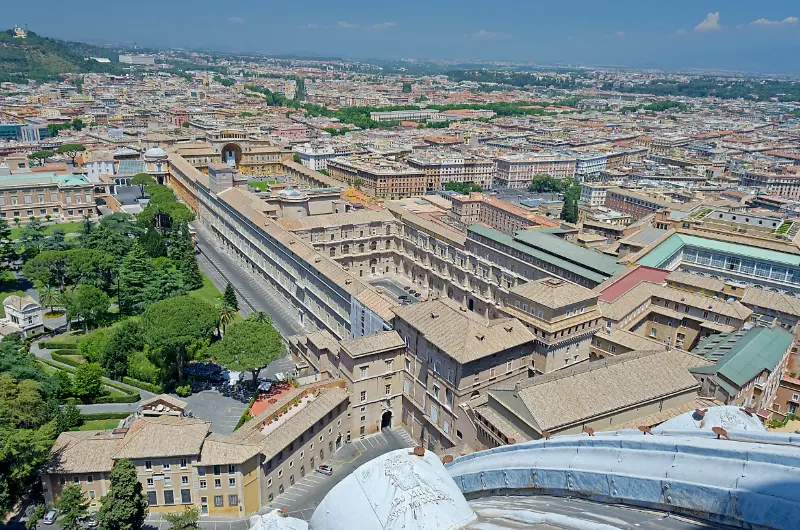
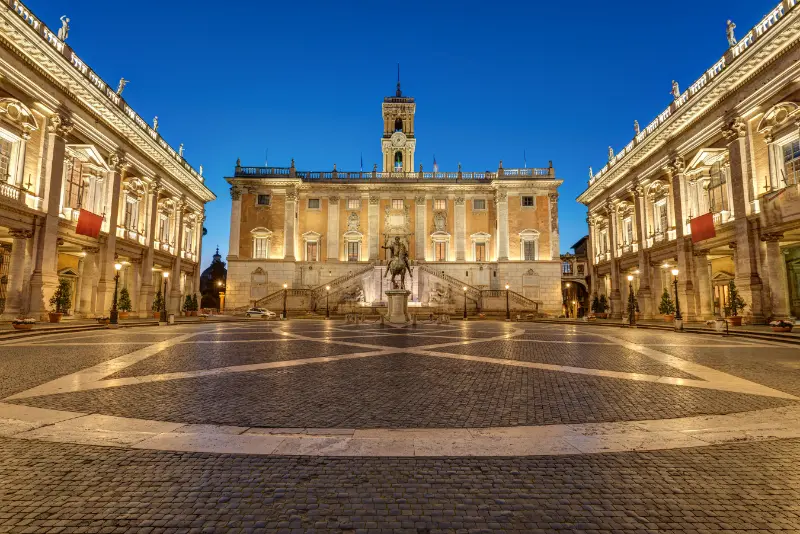
The Vatican Museums can involve extensive walking and standing. If they are a priority, avoid placing another large museum the same day. Galleria Borghese is more contained, while the Capitoline Museums can still involve multiple levels and buildings.
Check current accessibility and assistance information directly with the attraction before travel if stairs or long distances are a concern.
Build one major sight into each half-day
A good pattern is one substantial morning attraction, lunch and rest, then a lighter afternoon or evening walk. This makes the trip sustainable over several days.
Our Rome in 5 Days itinerary can be slowed further by spreading the same areas across additional days.
Heat is a serious planning factor
Summer heat can amplify fatigue quickly. Start early, avoid exposed archaeological areas at midday and return to the hotel during the hottest hours if necessary.
Rome’s drinking fountains are useful for refilling water, but travelers with medical or dietary needs should plan hydration and meals according to their own requirements rather than relying on spontaneous stops.
Churches and piazzas as lower-pressure sightseeing
Rome’s churches offer extraordinary art without the scale of a major museum, while piazzas provide natural places to pause. Combine a few nearby churches with coffee and a seated lunch instead of trying to complete a long attraction list.
The Pantheon area, Piazza Navona and Campo de’ Fiori can form a compact historic-center day with many opportunities to stop.
Day trips: choose comfort over ambition
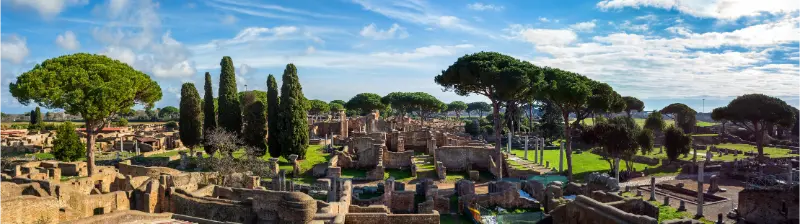
High-speed train trips to Naples can be easy in transport terms but still produce a long day on foot. Tivoli, Pompeii and Ostia Antica require more physical planning because of archaeological surfaces and site size.
A scenic trip such as Castel Gandolfo or Frascati may be a better choice when the goal is contrast and relaxation rather than another demanding attraction.
Practical planning tips
Plan a proper seated break every day and keep the hotel reachable. If anyone uses a cane, walker or other mobility aid, verify attraction-specific access in advance. Never assume that a famous monument has a simple step-free route simply because it is in the center of a modern European capital.
Rome rewards realistic pacing. Distances that look short on a map can take longer because of cobblestones, traffic lights, security checks, photographs and spontaneous stops. Keep some margin around reservations and do not build the day so tightly that one delayed bus or a longer lunch ruins everything that follows.
Who this guide is best for
This guide is useful for active older adults, multigenerational families and travelers who want to enjoy Rome without turning every day into a physical endurance test.
Frequently asked questions
Is Rome difficult for seniors?
It can be physically demanding because of cobblestones, hills and long museum routes, but careful hotel choice, taxis and slower scheduling make a major difference.
Which areas are easiest to stay in?
Central or well-connected areas such as the historic center, Prati and parts of Monti can reduce daily transfers. The best choice depends on the exact hotel entrance, street and transport needs.
Should older travelers avoid summer?
Not necessarily, but summer requires stronger heat management, earlier starts and more midday rest.
Final advice
The most comfortable Rome trip is not the one with the fewest sights; it is the one that protects energy well enough to enjoy every day. Choose location carefully, use taxis when they genuinely reduce strain, and let piazzas, churches and long lunches become part of the itinerary rather than gaps between attractions.
Build the day around one clear priority
Choose one experience that would make the day feel successful even if the schedule changes. Once that priority is protected, the rest of the route can stay flexible. This is especially useful in Rome, where a church may close for a service, a bus may be delayed or a neighborhood may simply deserve more time than expected. The best travel plans are structured enough to prevent wasted time but loose enough to let the city surprise you.
Use neighborhoods, not isolated pins
Whenever possible, group stops by area. Crossing Rome repeatedly is one of the easiest ways to lose energy. A morning in the historic center, an afternoon around Villa Borghese or a focused walk through Trastevere usually works better than chasing individually famous places scattered across the city. This also creates more natural opportunities for coffee, lunch and small discoveries between the main sights.
Check only the details that can actually change
Before leaving, verify the few operational details that matter for that specific day: opening hours, timed-entry rules, transport disruptions and temporary closures. Keep the broader advice stable. This approach prevents overplanning and also protects you from relying on an old screenshot or a timetable that has changed since you first organized the trip.
Plan for comfort as well as sightseeing
A refillable water bottle, supportive shoes and a short seated break can improve a Rome day more than adding one extra attraction. In warm weather, move exposed walks toward early morning and evening. In cooler months, use the strongest daylight for parks and viewpoints. Families, older travelers and anyone with mobility concerns should judge routes by surfaces and elevation, not just distance.
Protect your best hours
The first hours of the morning and the period around sunset are unusually valuable in Rome. Early starts reduce crowd pressure at outdoor landmarks, while late afternoon gives better light and a more relaxed atmosphere for piazzas, bridges and viewpoints. Use the middle of the day for lunch, churches, museums or transport when weather and crowds make long outdoor walks less pleasant. This simple rhythm often improves both photographs and energy.
Make reservations serve the itinerary
Timed tickets should anchor the day, not dominate it. Book only the attractions that genuinely benefit from advance reservations, then place flexible sights nearby. If a reservation requires crossing the city at the wrong moment, reconsider the slot rather than forcing the entire day around it. Keep confirmation emails available offline and verify the official entry point, because large attractions can have multiple gates and security lines.
Leave space for Rome itself
Some of the most memorable moments in Rome happen between planned stops: a church with an open door, a market stall, a quiet courtyard, a neighborhood bakery or a sudden view of a dome at the end of a street. A schedule with no breathing room removes the possibility of those discoveries. Protect the essential sights, but leave enough unscheduled time to stop when something genuinely catches your attention.
A simple way to keep the trip flexible
At the beginning of each day, separate the plan into three levels: one essential priority, two or three desirable stops and everything else as optional. This prevents a delay from turning into frustration. If the essential attraction takes longer than expected, drop an optional stop and stay in the same neighborhood. If the day moves faster, add a nearby church, piazza, market or viewpoint rather than crossing Rome for a minor item. Keep transport time, meals and rest inside the schedule instead of pretending they do not exist. Travelers often enjoy Rome more when they finish a day with energy left for an evening walk than when they reach dinner having completed every pin on a map. The city is dense enough that a flexible plan still produces a full day, and the spaces between famous monuments are often where its character becomes most visible. This approach is also useful when weather, religious services, restoration work or public events change access unexpectedly: the day bends without collapsing.