Rome with Teenagers: The Best Things to Do, Eat and Explore Together
Rome can be excellent with teenagers because the city does not require every interesting experience to happen inside a museum. Ancient ruins, dramatic viewpoints, street food, underground spaces, football culture, shopping streets and lively neighborhoods can all be combined into days that feel varied rather than educationally forced.
The key is to stop planning as if teenagers are younger children with longer attention spans. Give them some choice, build contrast into the day and avoid stacking three major museums back to back. A strong Rome itinerary can include history without making every hour feel like a lesson.
Start with ancient Rome, but keep it focused
The Colosseum usually works well with teenagers because the scale is immediate and the history is easy to visualize. Pair it with a focused section of the Roman Forum and Palatine Hill rather than forcing a complete archaeological marathon.
Use stories, engineering and everyday Roman life as entry points. If the group is already tired, save another major ancient site for a different day.
Choose one underground or unusual experience
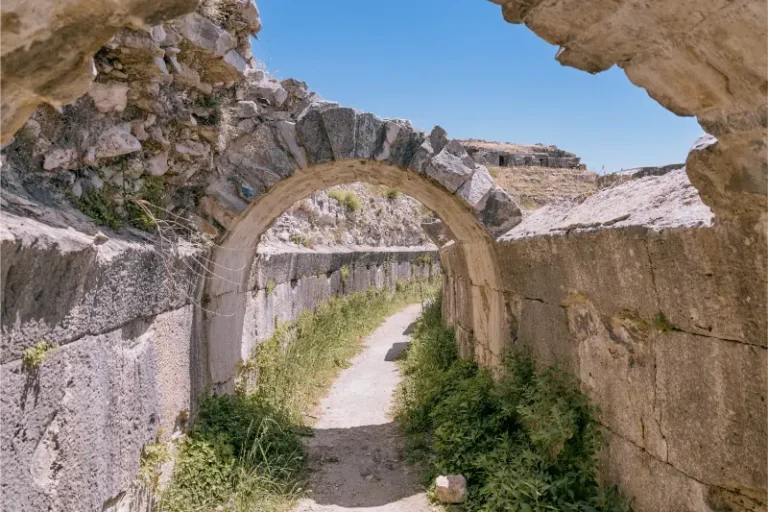
Catacombs, underground levels and archaeological spaces beneath modern streets can make Rome feel more mysterious. Our Rome catacombs guide compares the main options.
An unusual experience works best when it is not surrounded by too many conventional monuments. Build the rest of the day around food, a park or a neighborhood walk.
Use viewpoints as destinations
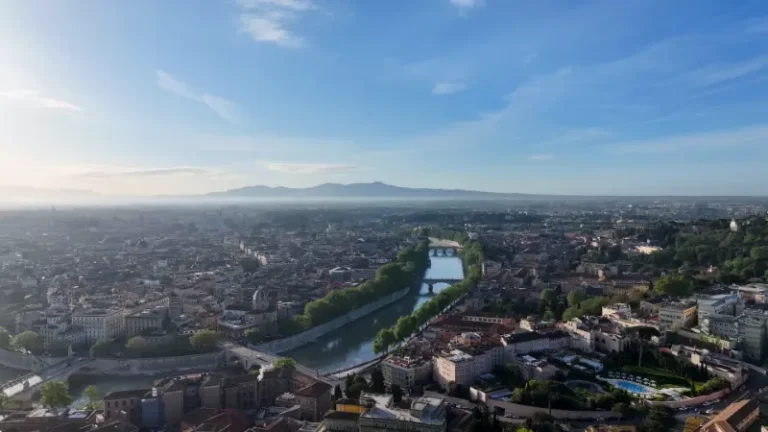
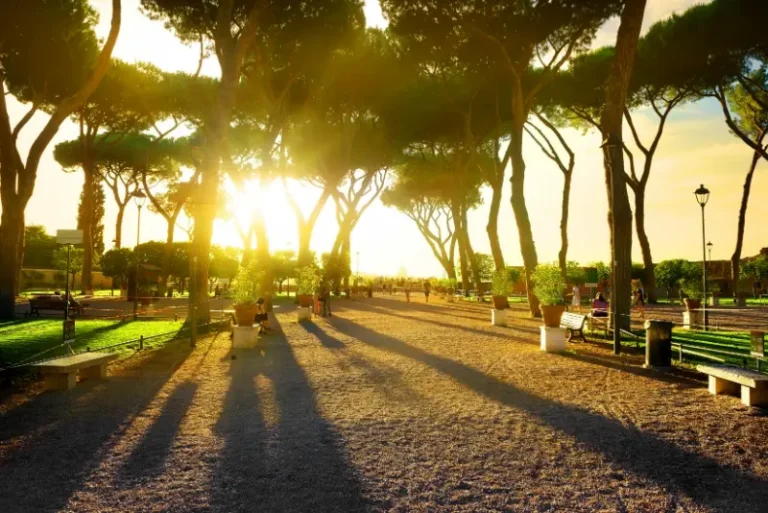
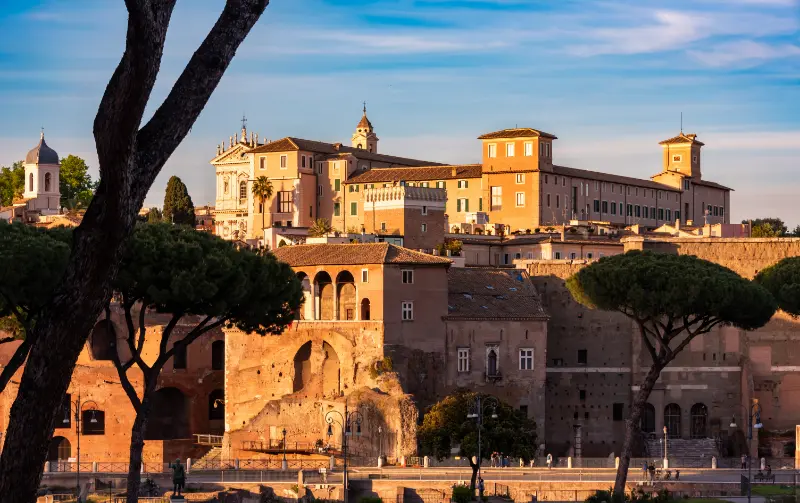
The Janiculum, Pincian Terrace and Orange Garden give teenagers something visually rewarding without another ticket or long explanation. Sunset can turn a simple viewpoint into one of the most memorable parts of the trip.
If someone in the family enjoys photography or social media, let that interest shape the route instead of treating it as a distraction from sightseeing.
Food that makes the day easier
Pizza al taglio, supplì, gelato and simple pasta meals are easy ways to keep energy up without scheduling every meal as a formal restaurant event. The Rome gelato guide explains how to recognize better-quality gelato.
Allow teenagers to choose one food stop or neighborhood meal. A small amount of ownership can improve enthusiasm for the rest of the day.
Neighborhoods teenagers may enjoy
Monti combines central location, independent shops and a relaxed evening atmosphere. Trastevere is lively and visually appealing, although the busiest nightlife streets can become crowded later at night.
Testaccio offers food culture and a more everyday side of Rome. Pairing one famous monument with one neighborhood helps prevent the trip from feeling like a sequence of queues.
Shopping and browsing
Via del Corso is the obvious central shopping street, while Monti offers smaller boutiques and vintage-oriented browsing. Markets can also provide a break from churches and museums.
Set a time boundary rather than dismissing shopping as wasted sightseeing time. An hour of independent browsing may make the group much more willing to do a museum afterward.
Football and contemporary Rome
For football fans, AS Roma and Lazio add a contemporary layer to the city. Match schedules, stadium access and tours can change, so verify official club information before building a day around them.
Even without a match, noticing club culture in shops, bars and neighborhoods helps teenagers see that Rome is a living city, not only an archaeological destination.
Phones, independence and safety
Agree on meeting points, battery expectations and what to do if the group gets separated. Crowded transport and major sights require normal pickpocket awareness, especially when phones are being used constantly for maps and photos.
Older teenagers may appreciate short periods of independence in a safe, well-defined area such as a pedestrian-friendly piazza or shopping street. Judge this according to maturity and familiarity with city travel.
Practical planning tips
Ask each teenager to choose one priority before the trip. Then build those choices into the family itinerary alongside the adults’ priorities. Keep museum sessions limited, protect meal breaks and use evening walks as a low-pressure way to experience major monuments.
Rome rewards realistic pacing. Distances that look short on a map can take longer because of cobblestones, traffic lights, security checks, photographs and spontaneous stops. Keep some margin around reservations and do not build the day so tightly that one delayed bus or a longer lunch ruins everything that follows.

Who this guide is best for
This approach works for families with teenagers who have mixed interests, including history, food, photography, shopping, football and social media. It is especially useful when not everyone is equally enthusiastic about museums.
Frequently asked questions
Is Rome good for teenagers?
Yes. Rome offers enough variety to combine famous sights with food, shopping, viewpoints, parks and unusual underground experiences.
How many major attractions should we plan each day?
Usually one or two major ticketed attractions are enough. Fill the rest with neighborhoods, meals and flexible stops.
Is Trastevere suitable for teenagers?
It can be a good family evening area, especially earlier in the evening. Later at night some streets become much more focused on nightlife and crowds.
Final advice
Rome with teenagers is easier when you stop trying to make every moment educational. Give history a strong place, but balance it with food, viewpoints, contemporary neighborhoods and some genuine choice. The result usually feels more like a shared city break and less like a school trip.
Build the day around one clear priority
Choose one experience that would make the day feel successful even if the schedule changes. Once that priority is protected, the rest of the route can stay flexible. This is especially useful in Rome, where a church may close for a service, a bus may be delayed or a neighborhood may simply deserve more time than expected. The best travel plans are structured enough to prevent wasted time but loose enough to let the city surprise you.
Use neighborhoods, not isolated pins
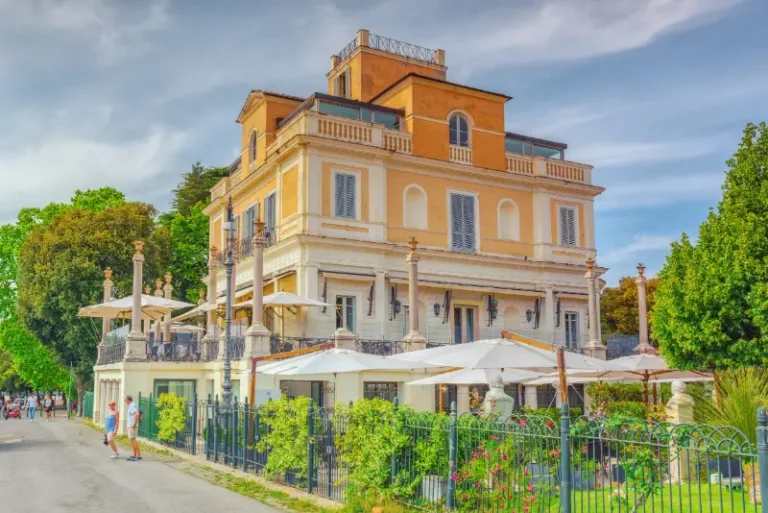
Whenever possible, group stops by area. Crossing Rome repeatedly is one of the easiest ways to lose energy. A morning in the historic center, an afternoon around Villa Borghese or a focused walk through Trastevere usually works better than chasing individually famous places scattered across the city. This also creates more natural opportunities for coffee, lunch and small discoveries between the main sights.
Check only the details that can actually change
Before leaving, verify the few operational details that matter for that specific day: opening hours, timed-entry rules, transport disruptions and temporary closures. Keep the broader advice stable. This approach prevents overplanning and also protects you from relying on an old screenshot or a timetable that has changed since you first organized the trip.
Plan for comfort as well as sightseeing
A refillable water bottle, supportive shoes and a short seated break can improve a Rome day more than adding one extra attraction. In warm weather, move exposed walks toward early morning and evening. In cooler months, use the strongest daylight for parks and viewpoints. Families, older travelers and anyone with mobility concerns should judge routes by surfaces and elevation, not just distance.
Protect your best hours
The first hours of the morning and the period around sunset are unusually valuable in Rome. Early starts reduce crowd pressure at outdoor landmarks, while late afternoon gives better light and a more relaxed atmosphere for piazzas, bridges and viewpoints. Use the middle of the day for lunch, churches, museums or transport when weather and crowds make long outdoor walks less pleasant. This simple rhythm often improves both photographs and energy.
Make reservations serve the itinerary
Timed tickets should anchor the day, not dominate it. Book only the attractions that genuinely benefit from advance reservations, then place flexible sights nearby. If a reservation requires crossing the city at the wrong moment, reconsider the slot rather than forcing the entire day around it. Keep confirmation emails available offline and verify the official entry point, because large attractions can have multiple gates and security lines.
Leave space for Rome itself
Some of the most memorable moments in Rome happen between planned stops: a church with an open door, a market stall, a quiet courtyard, a neighborhood bakery or a sudden view of a dome at the end of a street. A schedule with no breathing room removes the possibility of those discoveries. Protect the essential sights, but leave enough unscheduled time to stop when something genuinely catches your attention.
A simple way to keep the trip flexible
At the beginning of each day, separate the plan into three levels: one essential priority, two or three desirable stops and everything else as optional. This prevents a delay from turning into frustration. If the essential attraction takes longer than expected, drop an optional stop and stay in the same neighborhood. If the day moves faster, add a nearby church, piazza, market or viewpoint rather than crossing Rome for a minor item. Keep transport time, meals and rest inside the schedule instead of pretending they do not exist. Travelers often enjoy Rome more when they finish a day with energy left for an evening walk than when they reach dinner having completed every pin on a map. The city is dense enough that a flexible plan still produces a full day, and the spaces between famous monuments are often where its character becomes most visible. This approach is also useful when weather, religious services, restoration work or public events change access unexpectedly: the day bends without collapsing.