Rome Street Food Guide: What to Eat and How to Order Like a Local
Rome street food is one of the easiest ways to taste the city without turning every meal into a long restaurant reservation. The tradition ranges from pizza bianca and pizza al taglio to supplì, fried cod, stuffed zucchini flowers, porchetta sandwiches and seasonal grattachecca. Some foods are genuinely Roman, while others belong to the wider Lazio region and have become part of everyday city eating. The best approach is not to chase a viral checklist. Learn what each item should feel and taste like, then buy where turnover is high and the food looks freshly prepared.
At a glance
| Best first tastes | Supplì, pizza al taglio, pizza bianca with mortadella |
| Good areas | Testaccio, Trastevere, historic center markets, Pigneto |
| Budget | Usually cheaper than a full sit-down meal, but tourist-center pricing varies |
| Ordering style | Often by piece or weight; ask the price before finalizing |
| Best strategy | Taste 2–3 items across the day instead of one giant snack session |
Supplì: Rome’s essential fried snack
A classic supplì is an elongated fried rice croquette with a crisp breadcrumb shell and a soft center. Traditional versions use tomato-seasoned rice and mozzarella, creating the famous “telephone wire” effect when the cheese stretches between two halves. Modern shops offer many variations, but the simplest version is still the best reference point for judging quality.
Look for a shell that is crisp rather than greasy and a center that is hot all the way through. Supplì is ideal before pizza, as a quick lunch component or as an evening snack. Rome’s official street-food page identifies it as a cornerstone of local popular food culture.
Pizza al taglio, pizza bianca and pizza rossa
Pizza al taglio is sold in rectangular trays and cut to the size you want, often priced by weight. Toppings range from simple tomato or potato to seasonal vegetables and richer combinations. Because price depends on weight, point to the approximate size you want and check the display price rather than assuming every slice costs the same.
Pizza bianca from a bakery is a different experience: crisp, oily and chewy, it can be eaten plain or filled, famously with mortadella. Pizza rossa is thinner and topped with tomato. These bakery styles are ideal for travelers who want something portable between sights.
Fried baccalà, zucchini flowers and Jewish-Roman influence
Rome’s fried-food tradition includes battered salt cod and zucchini flowers commonly filled with mozzarella and anchovy. These snacks connect trattoria, pizzeria and Jewish-Roman food traditions and are especially satisfying when served immediately from the fryer.
In and around the Jewish Ghetto, you will encounter other Roman-Jewish specialties as well. Be careful not to reduce a living culinary tradition to “Instagram food.” Read menus, ask what is seasonal and give yourself time for a proper meal if you want to understand the cuisine beyond snacks.
Porchetta, panini and the wider Lazio tradition
Porchetta—rolled pork seasoned with herbs—belongs strongly to Lazio and central Italy and appears in Rome in sandwiches, markets and specialty shops. A good panino does not need many extras because the meat already carries salt, fat, herbs and texture. Ask whether it is served hot or at room temperature and choose bread that can absorb the juices without collapsing.
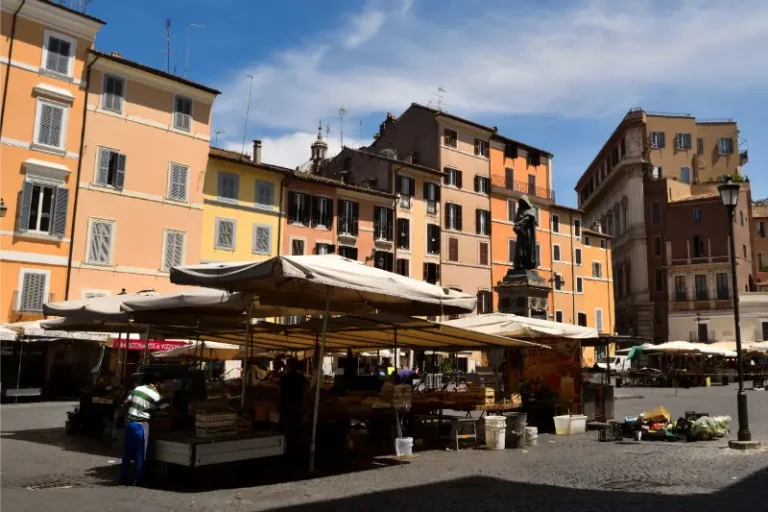
Other sandwich fillings vary widely, from cured meats and cheeses to vegetables. Markets such as Rome’s markets are good places to see how street food overlaps with everyday shopping rather than existing only for tourists.
Grattachecca, coffee and sweet pauses
In warmer months, grattachecca is a distinctly Roman street refreshment made from shaved ice with syrups, fruit or juice. Traditional kiosks shave from a block rather than using a smooth granita machine. It is simple, cooling and best understood as a seasonal ritual rather than a gourmet dessert.
For a sweeter stop, bakeries and pastry shops offer maritozzi and other Roman favorites, while coffee bars provide a quick reset between savory snacks. The Rome coffee guide explains how ordering at the bar works if you want to avoid the most common visitor confusion.
How to fit this into your Rome itinerary
A good street-food day does not mean eating continuously. Have coffee and a small pastry in the morning, a supplì plus pizza at lunch, then save a different snack for late afternoon. This spacing lets you compare foods without feeling overloaded and still leaves room for a proper Roman dinner.
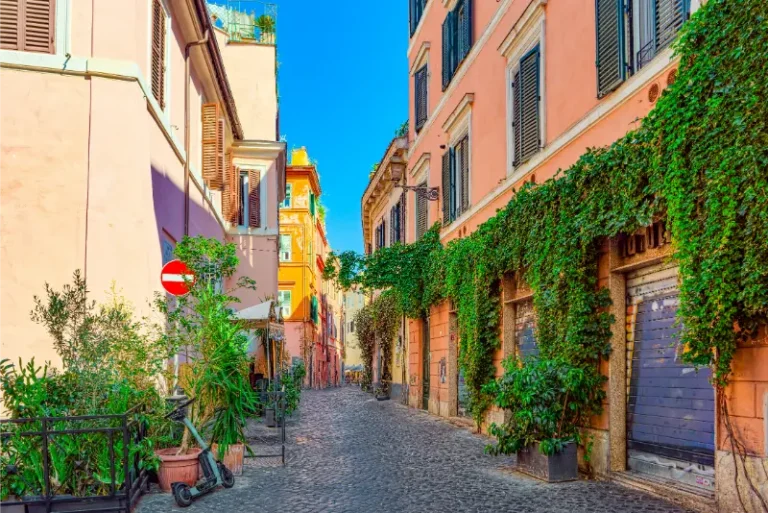
Testaccio works especially well for market-based eating, while Trastevere and Pigneto add evening atmosphere. In the historic center, quality exists but prices can be inconsistent. Walk one or two streets away from the most photographed squares before deciding where to buy.
Common mistakes to avoid
- Ordering a huge quantity of pizza al taglio without realizing it is priced by weight.
- Choosing food that has been sitting under heat lamps for a long time.
- Treating every fried rice ball as a traditional Roman supplì without checking what is inside.
- Trying to eat every famous item in one afternoon.
Frequently asked questions
What is the most famous street food in Rome?
Supplì and pizza al taglio are the two essential starting points.
Is Rome street food cheap?
It can be good value, but prices vary sharply by neighborhood and weight. Check displayed prices.
What is pizza bianca?
A Roman bakery flatbread with olive oil and salt, often eaten plain or filled with mortadella.
What should vegetarians try?
Vegetable pizza al taglio, pizza bianca, some supplì variations, baked goods and seasonal market foods can work well, but always ask about fillings and cooking fats.
Final thoughts
Rome street food is at its best when it feels spontaneous but informed. Learn the difference between supplì, pizza al taglio, bakery pizza and classic fried snacks, then let freshness and local turnover guide your choices. A few well-timed tastes will teach you more about Roman everyday food than an exhausting checklist of viral addresses.
A more realistic way to plan the visit
Travelers researching Rome street food often make the day harder than it needs to be by optimizing every minute. Rome works better with buffers. Security lines, church services, public-transport gaps, weather and simple fatigue can all shift the schedule. Keep at least thirty minutes of uncommitted time around this stop, save the official page on your phone, and choose one nearby alternative in case access changes. This is especially useful in the historic center, where a closed door rarely means a wasted hour because another church, square, café or museum is usually within walking distance.

A second useful principle is to decide in advance what would make the stop successful for you. Art lovers may want time to study individual works; families may need shorter sections and a food break; photographers may care most about light and exterior views. Building the visit around your own priority is more effective than copying a generic two-hour schedule. It also reduces the temptation to rush through rooms or streets simply because an online list says they are mandatory.
Practical comfort, accessibility and timing
Rome rewards comfortable footwear and realistic pacing. Historic paving can be uneven, churches may have steps, museums can involve long standing periods and neighborhood walks may be hotter than expected. Carry water, but remember that food and drink are often restricted inside cultural sites. Travelers with reduced mobility should confirm the current accessible entrance before arrival, because the most picturesque historic doorway is not always the step-free route.
Morning generally gives you more energy and more flexibility if something changes. Late afternoon can be excellent for atmosphere, but it also increases the risk of arriving close to last entry or during liturgical activity. For food topics, the logic reverses: follow normal Roman meal rhythms rather than chasing snacks continuously. Whatever the subject, the goal is the same—leave enough space to notice the city around the main attraction rather than treating Rome as a sequence of isolated pins on a map.
Who should prioritize this experience
Rome street food is most rewarding when it matches the reason you came to Rome rather than appearing as another obligation on a long list. First-time visitors should prioritize it when the subject strongly interests them or when it sits naturally beside attractions already planned for the same area. Repeat visitors can give it more space because they are less pressured by the Colosseum–Vatican–Trevi circuit. Families should decide whether the visual story is immediate enough for children, while serious art, history and food travelers can slow the pace and compare details instead of rushing onward.
Season also changes the experience. Summer heat makes shaded interiors and early starts more valuable, while winter and rainy days can make museums, churches and food-focused stops especially attractive. Spring and autumn bring comfortable walking weather but also heavy visitor demand. There is rarely one universally perfect hour. The better rule is to check current access, place the stop where it makes geographic sense, and keep the rest of the day flexible enough that a queue or temporary closure does not become a crisis.
What makes the experience genuinely memorable
The strongest travel memories usually come from one or two details noticed properly: the expression on a sculpture, the scale of a nave, the texture of an old street, the contrast between two recipes, or the moment a neighborhood changes character at sunset. Before leaving, pause and identify what surprised you. That small habit makes museums and churches feel less like inventory, and it prevents food exploration from becoming a race to photograph famous dishes. Rome is unusually generous to travelers who pay attention to context.