
Rome in Winter: Weather, Crowds and the Best Things to Do
Rome in winter is not empty, but it can feel more spacious. Outside Christmas, New Year and major religious events, the city often gives you shorter museum queues, easier restaurant reservations and a more local rhythm than spring or early autumn. The trade-off is shorter daylight, cooler temperatures and a higher chance of rain.
For travelers who care about museums, churches, food and atmosphere more than guaranteed sunshine, winter can be one of the most satisfying times to visit. It is also a season when planning around daylight matters: archaeological sites close earlier, while evenings become ideal for long dinners and illuminated streets.
What is Rome winter weather really like?
Winter in Rome is generally milder than in northern European capitals, but it is not reliably warm. Days can be crisp and bright, rainy and damp, or surprisingly mild in the sun. Nights feel colder because you spend so much time outdoors walking between attractions.
Pack layers rather than one heavy strategy: a weather-resistant outer layer, comfortable waterproof shoes, a light scarf and something warm enough for evenings. Check the short-range forecast before departure because conditions vary significantly week to week.
December: festive but not always quiet
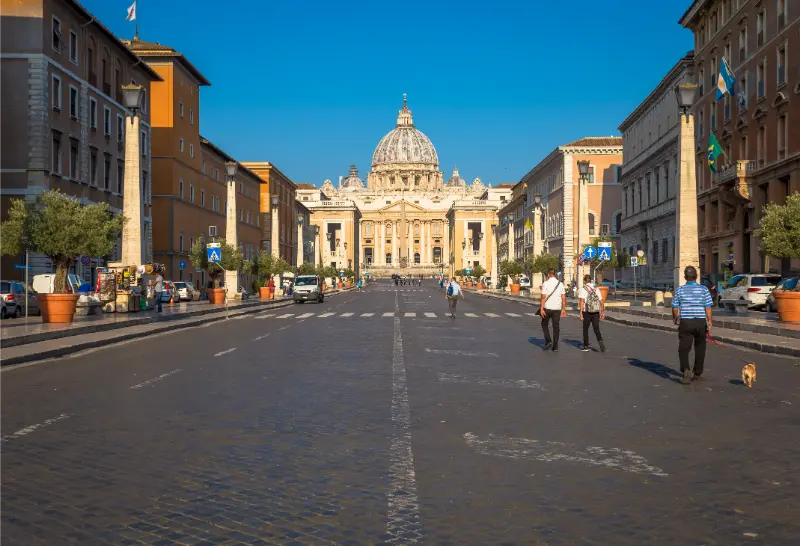
December brings lights, Christmas markets, nativity scenes and a strong religious calendar. The weeks before Christmas can be pleasant, while Christmas through New Year becomes a busy travel period. St. Peter’s Basilica and the Vatican area require particular attention to services and event schedules.
If seasonal atmosphere is the goal, accept the crowds around central shopping streets and famous squares, then use mornings for quieter neighborhood walks.
January: one of the calmest periods
After Epiphany, January can be one of the best times for museums and major monuments. Daylight is short and some businesses may take seasonal breaks, but accommodation demand can be softer and popular attractions often feel less overwhelming than in peak months.
This is a good month for Palazzo Massimo, Galleria Borghese, the Capitoline Museums and long church visits.
February: longer days and a hint of spring
February remains winter, yet daylight slowly extends and outdoor sightseeing becomes easier. Carnival events can add color, while rainy days are still common enough that every itinerary should have an indoor alternative.
Best winter attractions
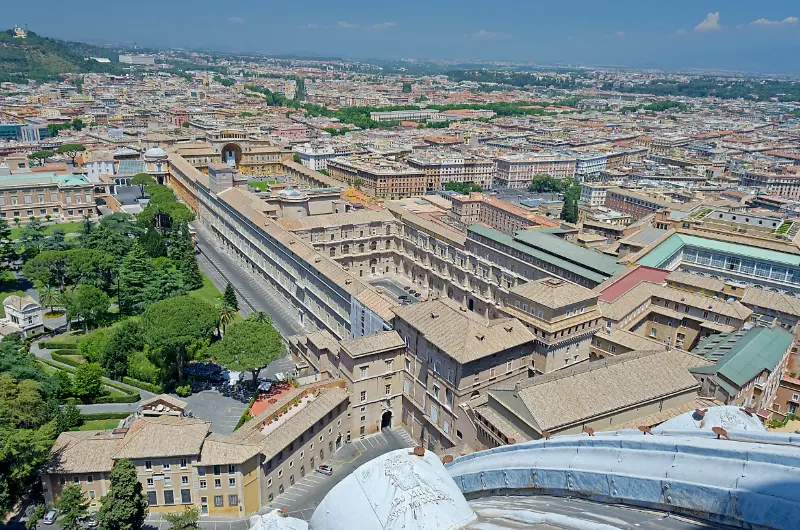
- Vatican Museums and Sistine Chapel, where cooler weather makes the long indoor route easier.
- Palazzo Massimo and Palazzo Altemps for ancient art without summer heat.
- Galleria Borghese followed by a short park walk if the weather is dry.
- Pantheon, churches and Baroque interiors across the historic center.
- Food neighborhoods such as Testaccio for market mornings and long lunches.
- Colosseum and Forum on clear days, using the strongest daylight hours.
Archaeology in winter
The Colosseum, Forum, Palatine, Appian Way and Ostia Antica are rewarding in winter because heat is not a problem, but rain and early closing can shorten the day. Wear shoes with grip, start earlier and avoid planning an outdoor archaeological site for late afternoon.
Check official seasonal closing times rather than assuming summer hours. Our Colosseum guide explains the visit structure.
Rainy-day Rome
A rainy morning is not a lost day. Move a museum forward, explore churches with major art, have a longer lunch or visit a covered market. The mistake is trying to preserve a sunny-day outdoor schedule while everyone becomes wet and tired.
Keep one or two indoor attractions unbooked so you can use them flexibly.
Winter food is a reason to come
Cool weather suits Roman comfort food. Pasta alla gricia, amatriciana, carbonara, artichokes in season, hearty meat dishes and long trattoria lunches feel natural in winter. Markets are also more pleasant when you are not navigating them in extreme heat.
Advantages and disadvantages
- Advantages: lower heat stress, often lighter crowds, excellent museum conditions, atmospheric evenings and potentially better hotel value outside holidays.
- Disadvantages: short daylight, rain, earlier archaeological closing, holiday closures and less predictable outdoor dining weather.
How to fit this into a Rome itinerary
Use outdoor archaeology in the middle of the day and museums at the edges. A winter day might begin at the Colosseum, move through Monti for lunch, then finish with Palazzo Massimo before dinner. Another day can place the Vatican in the morning and a lit historic-center walk after dark. Keep one weather-flexible half-day for a museum swap.
Rome is easier when each day has one or two fixed anchors rather than six timed reservations. Leave walking space between major sights, especially in the historic center where a ten-minute route on a map often becomes a thirty-minute detour once you stop for a church, fountain or coffee. If you are building a first trip, compare this plan with our 5-day Rome itinerary and adjust the pace to your interests.
Booking, opening hours and last-minute changes
Holiday periods need more planning than an ordinary January weekday. Reserve the Colosseum, Vatican Museums and Galleria Borghese in advance, but keep smaller museums and neighborhood walks flexible so you can respond to rain. Check Christmas, New Year and Epiphany opening calendars directly with official sites.

Opening hours in Rome can change for restoration work, public holidays, religious ceremonies, strikes, heat measures and special events. Check the official website again shortly before you go, save digital tickets offline and avoid scheduling a second non-refundable activity immediately after a major museum or archaeological site. A little margin is often more valuable than squeezing one extra attraction into the day.
Food, water and walking strategy
Rome sightseeing is physical even when you use buses and the metro. Wear shoes that are comfortable on cobblestones and uneven archaeological surfaces, carry a refillable bottle and use the city’s public drinking fountains when appropriate. In hot weather, move outdoor sightseeing toward morning and late afternoon; in winter, remember that daylight disappears much earlier and some archaeological sites close correspondingly early.
For meals, walk a street or two away from the most photographed landmark, read the menu before sitting down and choose a place because the food suits you rather than because someone is calling from the pavement. A bakery, pizza al taglio counter or simple trattoria often fits a sightseeing day better than a long formal lunch. Our Roman food guide explains the dishes worth looking for.
A practical checklist before you go
- Confirm the latest official opening hours and any timed-entry requirement.
- Save tickets, confirmations and an offline map on your phone.
- Allow at least 20–30 minutes of buffer around important reservations.
- Carry water and dress for the season rather than for photographs alone.
- Check transport disruptions on the day, especially if your plan depends on buses or regional trains.
- Keep valuables secure in crowded transport and around major tourist bottlenecks.
- Leave enough unscheduled time to enjoy Rome rather than simply moving between reservations.
Frequently asked questions
Is December a good time to visit Rome?
Yes for festive atmosphere, but the Christmas and New Year period is not low season. Earlier December can offer a better balance of decorations and manageable crowds.
Does it snow in Rome?
Snow in central Rome is unusual. Winter visitors should plan more for rain, damp conditions and cool evenings than for snow.
What should I wear in Rome in winter?
Layers, a weather-resistant jacket and comfortable shoes that handle wet cobbles are more useful than dressing for extreme cold.
Final advice
Winter Rome rewards travelers who use the season instead of fighting it. Start outdoor days early, enjoy museums without heat, accept a long lunch when rain arrives and let darkness become part of the city’s atmosphere. If you do not need summer weather, the Eternal City can feel more intimate in January or February than it does in any postcard-perfect month.
Deeper planning: pace, expectations and local context
When planning around Rome in winter, the most useful question is not simply “Can I fit this in?” but “What will the rest of the day feel like afterward?” Rome combines heat, hard walking surfaces, security checks and sensory overload. A plan that looks light on paper can be tiring in practice, especially after a large museum or archaeological site. Build the day so that the second half is easier than the first: a neighborhood walk after a museum, a long lunch after archaeology, or a viewpoint after a structured tour.
Pay attention to geography as well as attraction rankings. Crossing Rome repeatedly for individually famous places wastes energy and makes transport disruption more important. Group sights by area and accept that a second-tier attraction next door can be a better choice than a headline sight forty minutes away. This is also how you discover churches, courtyards, bakeries and streets that never appear on a “top ten” list.
Finally, decide what success looks like before the day begins. For some travelers it is photographs and major monuments; for others it is art, food, history, family time or simply feeling the city. Rome supports all of these styles, but not always in the same schedule. A strong itinerary is selective on purpose, and that selectivity is what turns practical travel advice into a better experience.