
Rome in November: Weather, Crowds, What to Pack and Things to Do
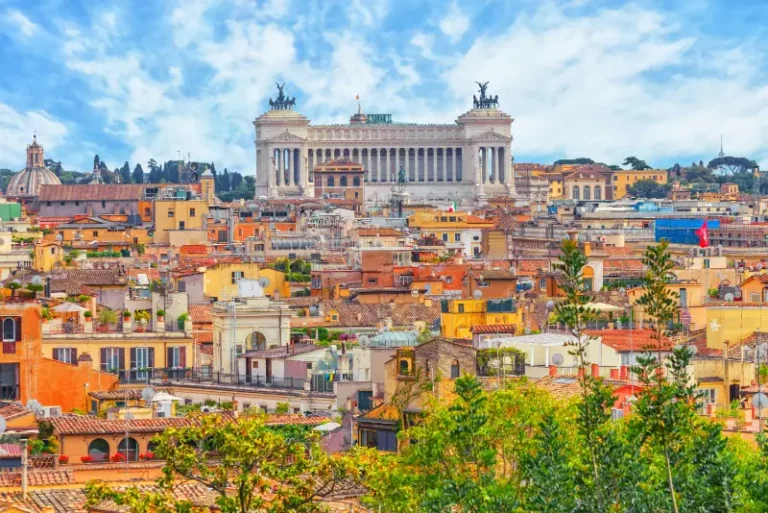
November is one of the most underrated months for a city break in Rome. The city is quieter than in spring and early autumn, hotel prices can soften outside holiday weekends, and the cooler air makes long walks through the historic center far more comfortable. The trade-off is simple: days are shorter and rain becomes more likely, so a good November itinerary needs more flexibility than a May or September plan.
The best approach is to mix outdoor archaeology with museums, churches and neighborhood time. If a wet morning arrives, you can move a museum forward and save the Appian Way or panoramic viewpoints for a clearer afternoon. For a wider seasonal comparison, see our best time to visit Rome guide.
Rome in November at a glance
Expect a transition from mild autumn weather toward cooler early-winter conditions. Afternoon temperatures can still feel pleasant in the sun, while mornings and evenings may require a proper jacket. Rain is more frequent than in summer, but many November days still include long dry periods rather than continuous rain.
Crowds usually ease after the late-October school-break period, although major attractions are never empty. The Colosseum, Vatican Museums and Galleria Borghese still reward advance booking, especially on weekends. The biggest advantage is that secondary sights, churches and neighborhoods often feel much calmer.
| Question | November answer |
|---|---|
| Weather | Cooler autumn conditions; rain is possible and daylight is shorter |
| Crowds | Generally lower than spring, summer and September/October |
| Best for | Museums, food, churches, long walks and value-focused city breaks |
| Main drawback | Rain risk and earlier sunset |
| Booking priority | Colosseum, Vatican Museums, Galleria Borghese and special tours |
What the weather really means for sightseeing
A Rome forecast in November can change the character of a day quickly. A bright morning may become overcast by mid-afternoon, while a rainy start can clear in time for sunset. Rather than planning every hour around a long-range forecast, keep two versions of each day: one that favors open-air sights and another centered on indoor attractions.
Cobblestones become slippery when wet, so waterproof shoes with decent grip matter more than heavy winter boots. An umbrella helps, but a light waterproof layer is often more practical in crowded streets. Temperatures inside museums and churches can feel very different from outdoors, making layers the most useful clothing strategy.
What to pack for Rome in November
- Light waterproof jacket: useful for showers without carrying a heavy coat all day.
- Comfortable water-resistant shoes: Rome involves many kilometers on stone and uneven paving.
- Layers: a sweater or fleece under a lighter outer layer works better than one very heavy garment.
- Compact umbrella: useful, but keep one hand free on crowded buses and around monuments.
- Small day bag: enough for water, a spare layer and museum essentials without becoming cumbersome.
- Power bank: shorter daylight often means more map use, indoor navigation and transit checks.
Best things to do in November
November suits the classic first-time sights extremely well. Start with the Colosseum, Roman Forum and Palatine Hill on the clearest morning in your schedule, then use a wetter day for the Vatican Museums or the best museums in Rome. Cooler temperatures also make neighborhoods such as Trastevere, Monti and Testaccio more enjoyable to explore on foot.

Church-hopping becomes especially rewarding in November because many of Rome’s greatest works of art can be seen without spending hours outdoors. Build a route around Santa Maria Maggiore, San Pietro in Vincoli, Sant’Ignazio, Santa Maria della Vittoria or the churches holding Caravaggio paintings, but always remember that religious services take priority over sightseeing.
November food and evening atmosphere
Cooler weather makes Roman comfort food particularly appealing. This is an excellent month for carbonara, cacio e pepe, amatriciana, saltimbocca and slow dinners in neighborhood trattorias. Our Roman pasta guide explains the four classic pasta dishes, while the Rome food guide covers a broader range of specialties.
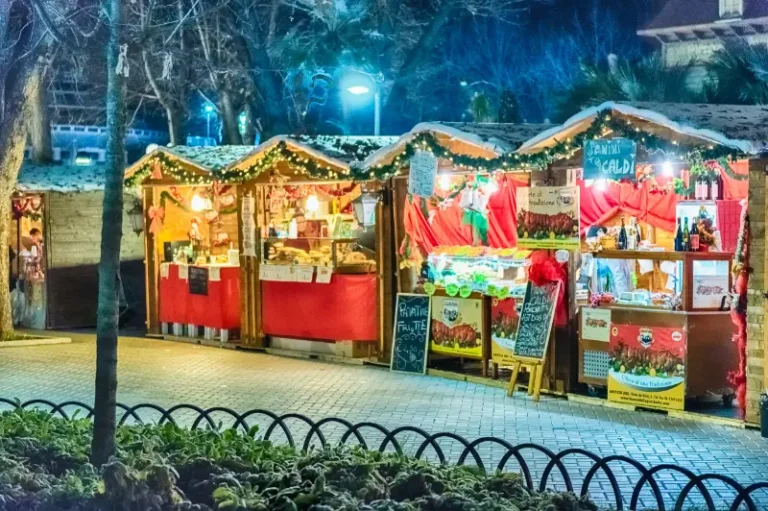
Evenings begin earlier because darkness arrives sooner, but that can work in your favor. Piazza Navona, the Pantheon area and the Trevi district become atmospheric well before dinner. A night walk does not need to be long: one hour through the illuminated center can feel more memorable than trying to fit another museum into an already full day.
All Saints’ Day and November 1
November 1 is All Saints’ Day, a national public holiday in Italy. Public transport generally continues to operate, but some businesses and attractions may use holiday schedules. Churches can be busier because the date is religiously significant, and sightseeing access may be restricted during services.
If your trip includes November 1, avoid building the day around a single unverified opening time. Reserve attractions that offer timed tickets and keep outdoor squares, viewpoints and neighborhood walks as flexible alternatives. Restaurant reservations can also be worthwhile in popular areas.
How to build a rain-proof November itinerary
The easiest strategy is to anchor each day with one prebooked attraction and keep the rest movable. For example, reserve the Vatican Museums in the morning, then decide after lunch whether to walk to Castel Sant’Angelo and Piazza Navona or continue with churches and indoor museums. Another day can place the Colosseum early, leaving the Capitoline Museums as a strong weather backup nearby.
For a dedicated list of indoor options, use our Rome on a rainy day guide. The goal is not to avoid rain completely; it is to prevent bad weather from forcing you into expensive last-minute decisions.
A practical 3-day November plan
Day 1: Colosseum and Roman Forum in the morning, Monti for lunch, Capitoline Hill or Capitoline Museums in the afternoon, then the Trevi Fountain after dark. Day 2: Vatican Museums, St Peter’s Basilica, Prati and an evening walk to Castel Sant’Angelo. Day 3: Pantheon, Piazza Navona, Jewish Ghetto and Trastevere, with Palazzo Braschi or another central museum as a rain backup.
If you have more time, add the 4-day Rome itinerary or use a clear day for Ostia Antica or Tivoli. Day trips are more weather-dependent in November, so keep them flexible when possible.
Crowds, prices and reservations
November can be good value, but “low season” should not be interpreted as “no need to book.” Rome receives international visitors all year, and small-capacity sites such as Galleria Borghese, underground tours and special archaeological areas can sell out even when streets look calm.
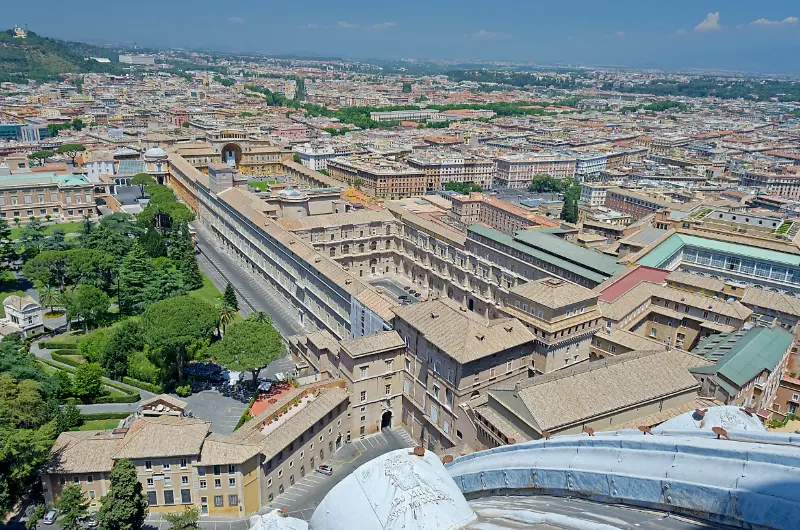
Hotel rates are often more attractive than in April, May, September and October, particularly Sunday through Thursday. Compare flexible rates first, then decide whether the savings justify a non-refundable booking. Staying centrally can be especially valuable in November because it reduces time spent waiting outdoors for transport in poor weather.
November with children
Families can have an easier time in November than in midsummer because children are not dealing with extreme heat. Mix one major monument with a park, gelato stop or interactive museum rather than stacking several archaeological sites. Our Rome with kids guide and Rome with toddlers guide include age-specific planning advice.
Bring a lightweight rain cover for strollers and expect uneven paving. Shorter daylight also means it is useful to schedule parks and outdoor viewpoints before late afternoon, leaving dinner-area walks for after dark.
Is November a good month for Rome?
Yes, particularly for travelers who value museums, food, walkability and a more relaxed atmosphere over guaranteed sunshine. The month is less ideal for visitors whose perfect trip depends on long park days, outdoor terraces and late sunsets. It is also less predictable for beach or island day trips.
For many first-time visitors, however, the combination of manageable temperatures, lighter crowds and strong indoor alternatives makes November one of the easiest months to build a balanced itinerary.
Frequently asked questions
Is Rome cold in November?
It is usually cool rather than severely cold, but mornings and evenings can feel chilly and wet days feel colder. Layers and a light waterproof outer layer are more useful than packing only heavy winter clothing.
Does it rain all day in November?
Not necessarily. November is one of Rome’s wetter periods, but rain often arrives in intervals. Build flexible indoor alternatives instead of assuming an entire day will be lost.
Are Rome attractions open in November?
Most major attractions operate normally, although seasonal hours can be shorter and public holidays can affect schedules. Always check the official site for the exact date of your visit.
Is November cheaper than October?
It often can be, especially for accommodation after the late-October peak, but prices still vary by weekend, event and booking lead time.
What time does it get dark?
Daylight becomes noticeably shorter across the month. Plan parks, archaeological walks and panoramic viewpoints earlier, and use the early darkness for illuminated central Rome.

Final advice
Rome in November rewards travelers who plan priorities rather than rigid timetables. Reserve the attractions that genuinely require a slot, keep one indoor backup close to each outdoor area, and carry the clothing you need to stay comfortable through a changeable day. The city becomes easier when you stop fighting the season and use its quieter rhythm to your advantage.