
Rome in October: Weather, Crowds, Autumn Food and Things to Do
October can be an excellent time to visit Rome, but it rewards a plan built around the season rather than a generic checklist. October is one of Rome’s most balanced sightseeing months. Many days are mild enough for long walks, evenings are cooler without being truly wintry, and rain is possible but usually manageable with flexible planning. October can be surprisingly busy. Its excellent weather attracts city-break travelers, tour groups and repeat visitors, so major sights still require reservations and crowd strategy.
This guide explains what October feels like on the ground: when to schedule outdoor archaeology, what to pack, how far ahead to book, where to save money and how to use the month’s particular strengths. For the wider seasonal picture, compare it with our Rome in autumn guide and the best time to visit Rome overview.
Rome in October at a glance
| Best for | Walkers, food-focused travelers, photographers, first-time visitors and anyone who wants a strong balance between outdoor and indoor sightseeing |
|---|---|
| Crowd level | October can be surprisingly busy. Its excellent weather attracts city-break travelers, tour groups and repeat visitors, so major sights still require reservations and crowd strategy. |
| Weather character | October is one of Rome’s most balanced sightseeing months. Many days are mild enough for long walks, evenings are cooler without being truly wintry, and rain is possible but usually manageable with flexible planning. |
| Main drawback | periodic rain and the misconception that October automatically means low crowds or low prices |
What is Rome like in October?
October is one of Rome’s most balanced sightseeing months. Many days are mild enough for long walks, evenings are cooler without being truly wintry, and rain is possible but usually manageable with flexible planning.
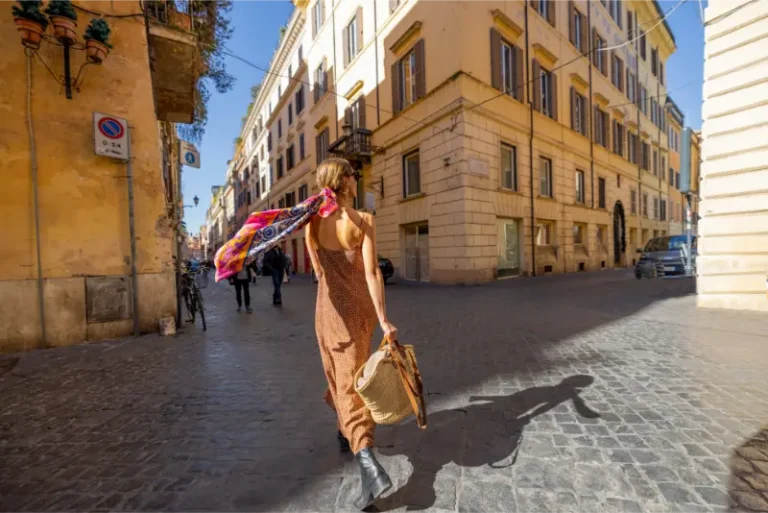
Rome is a walking city, so weather affects more than comfort. It changes how long you can stay at the Forum, whether the Appian Way feels inviting, how much energy you still have for an evening neighborhood and whether a long queue becomes merely annoying or genuinely exhausting. Build the day around conditions rather than pretending every month supports the same timetable.
Crowds and atmosphere
October can be surprisingly busy. Its excellent weather attracts city-break travelers, tour groups and repeat visitors, so major sights still require reservations and crowd strategy.
Crowd pressure is also extremely local. The Trevi Fountain can feel intense while streets five minutes away are calm; the Vatican Museums can be sold out while a major church nearby is almost empty. Use timed tickets for capacity-controlled sights, then deliberately add neighborhoods and free monuments where you can move at your own pace.
Events, holidays and seasonal atmosphere in October
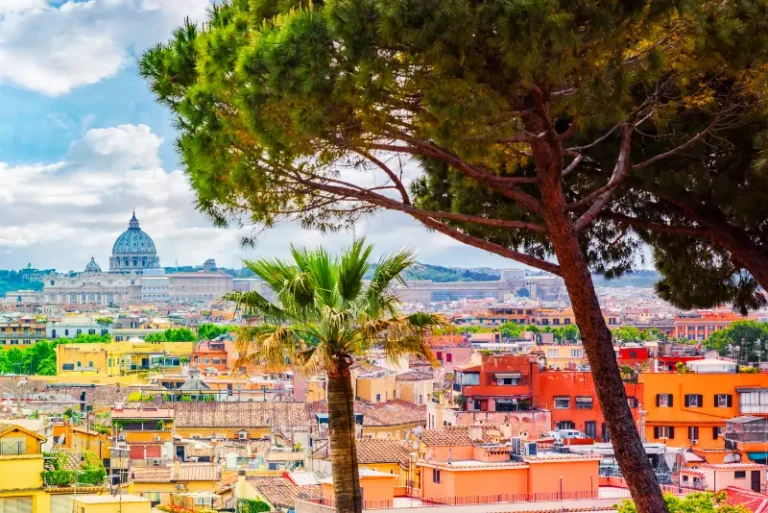
Autumn food, softer light, parks changing color and comfortable archaeological walking are the month’s main advantages. Indoor culture also becomes more attractive as evenings cool down.
For current-year exhibitions, festivals and special openings, check Turismo Roma shortly before travel. Event calendars change every year, so an evergreen itinerary should use fixed traditions as anchors and treat temporary events as bonuses rather than promises.
What to pack
- A light jacket
- Layerable tops
- Water-resistant walking shoes
- A compact umbrella
- Comfortable trousers or skirts for churches
- A small day bag for changing layers
Whatever the month, prioritize shoes that can handle cobblestones, polished stone and archaeological surfaces. Also carry a modest layer for churches. Rome rewards spontaneous walking, and poor footwear limits the trip faster than almost any other packing mistake.
The best way to plan a day in Rome in October
Morning
Use dry mornings for the Appian Way, Forum, Palatine or a neighborhood route through Aventine and Testaccio. October gives you more freedom than summer to stay outdoors beyond 11:00.
Afternoon
Build around museums, churches and food stops. Rainy intervals are easy to absorb in the historic center because indoor attractions are close together.
Evening
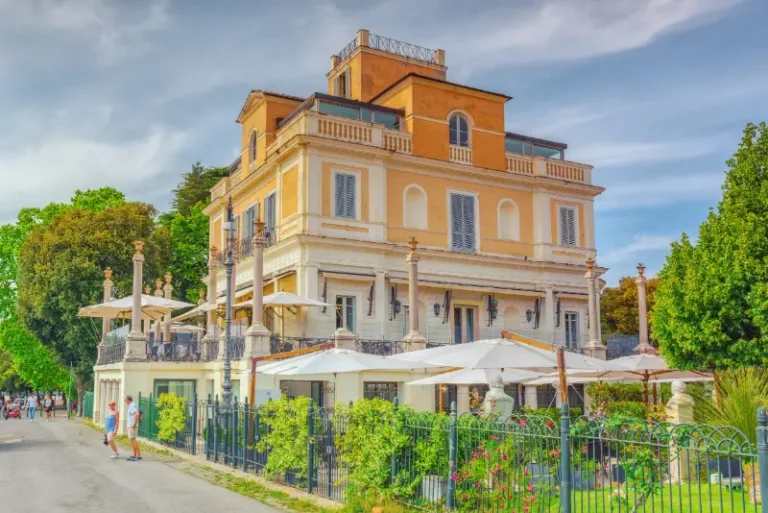
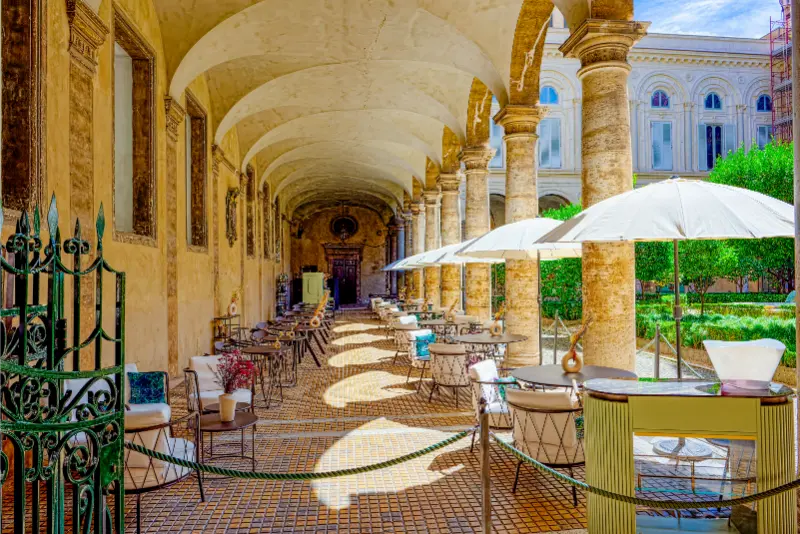
Dinner in Trastevere, Testaccio or Monti works especially well in cooler air. A pre-dinner sunset at Janiculum or Pincian Hill can still fit comfortably.
The exact order should remain flexible. If you wake to unusually good weather, use it for the outdoor sight you care about most. If rain or heat arrives, move a museum forward. A trip feels much less stressful when at least one half-day is not locked into multiple non-refundable reservations.
Best outdoor sights this month
The Roman Forum, Palatine Hill, Appian Way, Aventine Hill, Janiculum, Villa Borghese and the historic center all respond strongly to season and light. Choose two or three outdoor anchors rather than trying to cross the whole city in one day. For first-time visitors, the most efficient pattern is one major archaeological site plus one walkable cluster of free sights.
Our best things to do in Rome guide helps set priorities, while the Rome in 3 days itinerary shows how to combine the historic center, Ancient Rome and the Vatican without wasting time in transit.
Best indoor sights and rainy-day backups
Keep two indoor options in reserve even in months known for good weather. The Capitoline Museums, Palazzo Barberini, Galleria Borghese, Vatican Museums and major basilicas can absorb a wet or uncomfortable afternoon. The key is not to buy overlapping timed tickets for every backup; know your alternatives, then activate them when the forecast becomes clear.
If conditions turn wet, use our Rome on a rainy day guide for a more detailed indoor plan.
What to eat in Rome in October
October is an excellent month for richer Roman food and seasonal produce. Pasta, mushrooms, meat dishes and wine-focused meals feel more appropriate as evenings cool.
Do not spend the whole trip chasing social-media restaurant lists. A better food strategy is to choose the neighborhood first, then look for a menu that is focused, seasonal and plausible for the area. Our what to eat in Rome, Roman pasta and Rome restaurant guide pages explain the dishes and warning signs in more detail.
Is this a good month for day trips?
Tivoli and the Castelli Romani are strong autumn choices. Ostia Antica is also excellent on a dry day because the heat has largely passed.
Before committing, compare transport time with our best day trips from Rome guide. A day trip makes more sense on a five- to seven-day stay than on a rushed first weekend.
How far ahead should you book?
Reserve the Colosseum, Vatican Museums and Galleria Borghese in advance. Good central hotels can remain expensive, especially on long weekends and event dates.
Use official attraction websites first whenever a site controls its own inventory. Third-party tours can add value when you want a guide, transport or a combined experience, but a reseller should not be your default source for a simple admission ticket. Keep screenshots of confirmations and note whether the ticket requires a named visitor, security check or arrival buffer.
Where to stay for this month
For a first visit, the historic center, Monti, Prati and Trastevere each offer different advantages. Termini is practical for airport and day-trip connections, while San Giovanni and Ostiense can offer stronger value. In warmer months, reliable air conditioning matters; in cooler months, a comfortable indoor room and easy evening transport become more important.
Rome in October with children
October is one of the easier months for family walking. Carry a rain backup and alternate archaeological sites with parks or short museum visits.
Families can also use our Rome with kids guide. The most useful rule is to alternate high-attention attractions with low-pressure spaces: a museum followed by a park, the Colosseum followed by lunch and gelato, or the Vatican followed by an open piazza rather than another two-hour queue.
Budget considerations
Hotel prices may soften on selected dates but October is not reliably cheap. Use free churches, viewpoints and neighborhood walks to balance paid attraction costs.
Use the Rome on a budget guide and Rome trip cost breakdown to separate fixed expenses from optional ones. The biggest savings usually come from accommodation timing and avoiding unnecessary transport or reseller fees, not from cutting every coffee or gelato.
A simple three-day plan
Day 1: Ancient Rome and Monti
Start with the Colosseum, Roman Forum and Palatine Hill at a season-appropriate hour. After lunch, slow down in Monti and continue toward Piazza Venezia or the Capitoline Hill. Keep the evening local rather than crossing the city again.
Day 2: Vatican and Prati
Use a timed Vatican Museums entry if the museums are a priority, then visit St Peter’s Basilica separately and recover over lunch in Prati. In good weather, walk toward Castel Sant’Angelo and the historic center; in poor weather, shorten the outdoor section.
Day 3: Historic center and neighborhood time
Begin at a free icon such as Trevi Fountain or the Spanish Steps before the busiest period, continue to the Pantheon and Piazza Navona, then spend the late afternoon in Trastevere, Testaccio or Villa Borghese depending on your interests and the weather.
Common mistakes to avoid
- Planning every day as if weather and daylight never change
- Assuming “off season” means the Colosseum or Vatican will be empty
- Booking too many timed attractions on the same day
- Ignoring public holidays and special opening hours
- Choosing a hotel only by nightly price instead of transport convenience
- Packing fashionable shoes that cannot handle 15,000–20,000 steps
- Forgetting that churches may enforce dress rules even when admission is free

Frequently asked questions
Is October a good month to visit Rome?
Yes, especially for walkers, food-focused travelers, photographers, first-time visitors and anyone who wants a strong balance between outdoor and indoor sightseeing. The main trade-off is periodic rain and the misconception that October automatically means low crowds or low prices. A good itinerary should lean into the month’s strengths instead of trying to reproduce a different season.
Is Rome crowded in October?
Crowds vary by week and attraction. Major icons can be busy in almost any month. The best strategy is early starts, timed entries and a deliberate mix of famous and less-visited neighborhoods.
Do I need to book the Colosseum and Vatican Museums in advance?
If they are must-see attractions, yes. Advance booking reduces risk and helps you control the time of day. Always begin with the official ticket source.
How many days do I need?
Three full days is a practical minimum for a first visit; four or five days gives you much more flexibility for weather, neighborhoods and a slower pace. A week allows a day trip without sacrificing the core city.
Should I buy a transport pass?
Only after estimating your actual rides. Central Rome is extremely walkable, and a pass does not automatically save money. Compare ordinary ATAC tickets with your itinerary rather than buying by habit.
Final advice
October works best when you let the month shape the schedule. October is one of Rome’s most balanced sightseeing months. Many days are mild enough for long walks, evenings are cooler without being truly wintry, and rain is possible but usually manageable with flexible planning. Reserve the Colosseum, Vatican Museums and Galleria Borghese in advance. Good central hotels can remain expensive, especially on long weekends and event dates. Build around one important reservation per half-day, leave space for weather and neighborhood discoveries, and Rome will feel far more manageable than a checklist built without regard to season.