Best Museums in Rome: 15 Collections Worth Your Time
Rome can feel like an open-air museum, but some of the city’s most revealing stories are indoors. The best museums in Rome hold imperial portraits, ancient mosaics, Renaissance sculpture, Caravaggio paintings, modern design, archaeological finds and entire rooms rescued from villas that no longer exist. Choosing the right ones matters because a museum-heavy itinerary can become exhausting quickly.
This guide is for travelers who want more than a checklist of famous names. It explains which Rome museums are genuinely worth prioritizing, what each one is best at, how long to allow and how to combine them with nearby neighborhoods. For most visitors, two or three carefully chosen museums across a four- or five-day trip is a better experience than trying to enter every collection.
1. Vatican Museums and Sistine Chapel
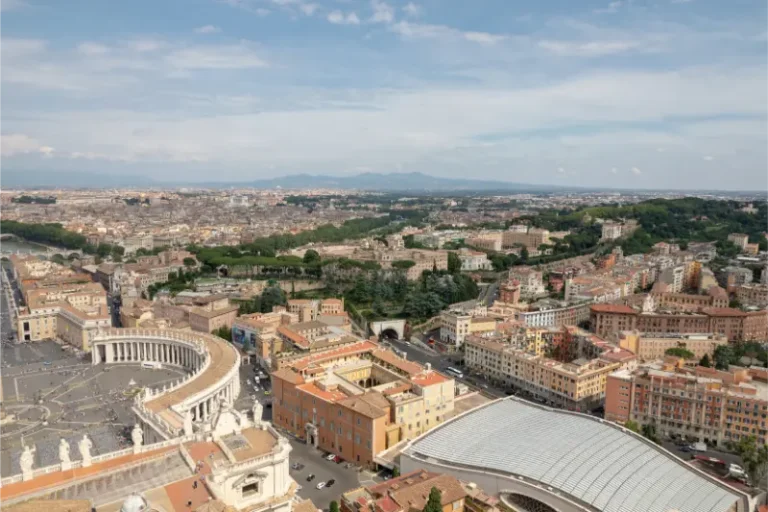
The Vatican Museums are not one museum but a vast complex of galleries, papal apartments, sculpture collections, courtyards and painted rooms. First-time visitors usually come for the Sistine Chapel and Raphael Rooms, but the ancient sculpture, Gallery of Maps and decorative arts make the visit much broader than a single masterpiece.
Reserve a timed entry in busy periods and decide in advance whether you want a focused two- to three-hour route or a much longer visit. Our Vatican Museums guide explains how to combine the museums with St. Peter’s Basilica without creating an impossible day.
2. Galleria Borghese
Galleria Borghese is the museum I would choose for travelers who want extraordinary art in a relatively compact visit. Bernini’s sculpture, Caravaggio’s paintings and works by Raphael and Titian sit inside a villa where architecture and decoration are part of the experience.
Timed reservations are central to the visit, and the surrounding Villa Borghese park makes it easy to balance art with an outdoor walk. See our dedicated Galleria Borghese guide for ticket strategy and highlights.
3. Capitoline Museums
The Capitoline Museums are ideal when you want to connect ancient Rome with the political and artistic history of the city itself. The collections include the equestrian statue of Marcus Aurelius, the Capitoline Wolf, ancient sculpture and paintings, while the buildings frame Michelangelo’s Piazza del Campidoglio.
Allow time for the views toward the Roman Forum as well as the galleries. The location makes the museum easy to combine with the Jewish Ghetto, Piazza Venezia or a later walk toward the Colosseum.
4. Palazzo Massimo alle Terme
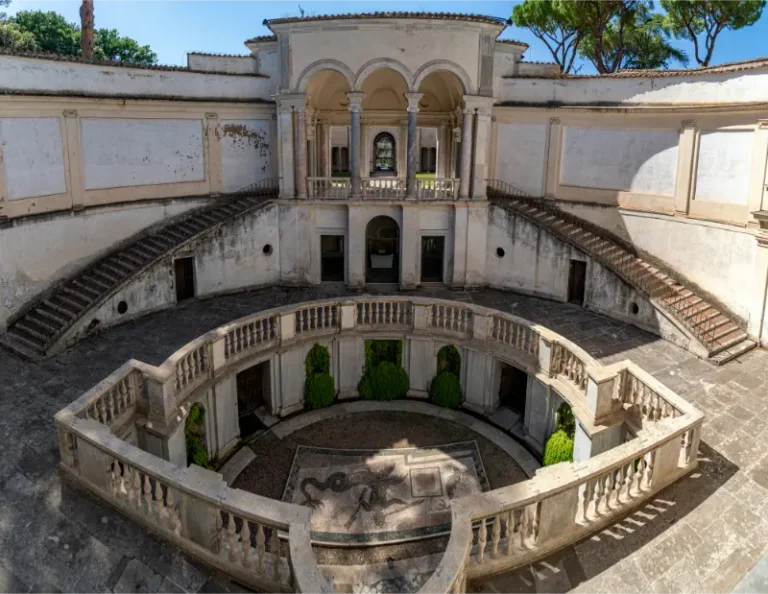
Palazzo Massimo is one of Rome’s most underrated museums. It is especially strong for ancient Roman portraiture, bronzes, frescoes, mosaics and decorative art. The painted garden room from the Villa of Livia is one of those works that can change how you imagine elite Roman domestic life.
The Museo Nazionale Romano currently operates a combined ticket covering Palazzo Massimo, the Baths of Diocletian and Palazzo Altemps. The official museum lists a full ticket of €15, valid for one week, with the three main sites generally open Tuesday to Sunday. Check the official Museo Nazionale Romano site before visiting.
5. Palazzo Altemps
Palazzo Altemps combines classical sculpture with one of the most atmospheric museum settings in central Rome. It works well for travelers who want ancient art without the scale and crowds of the Vatican Museums. The palace is close to Piazza Navona, so it can fit into a historic-center day without a major detour.
6. Baths of Diocletian
The Baths of Diocletian site mixes monumental Roman architecture, inscriptions, cloisters and museum displays. It is a strong choice for visitors staying near Termini who want to understand how huge imperial bath complexes once shaped urban life. The setting feels dramatically different from a conventional gallery.
7. National Gallery of Ancient Art: Palazzo Barberini
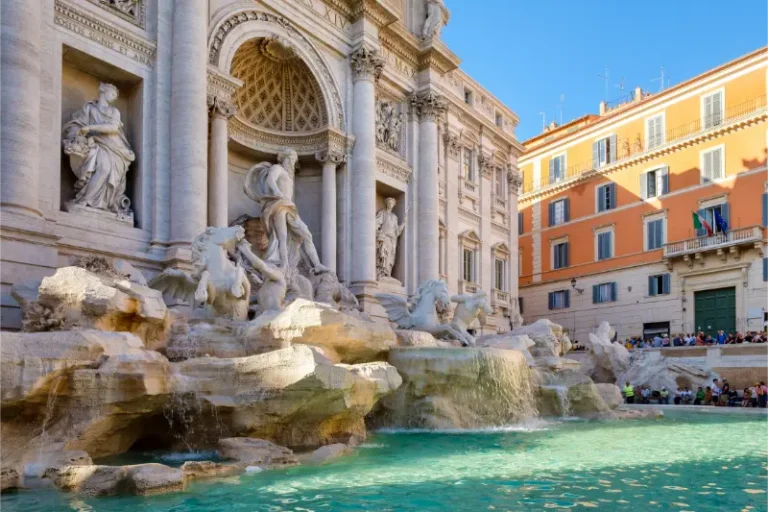
Palazzo Barberini is an excellent choice for Baroque painting and architecture. Caravaggio, Raphael and other major artists appear in rooms that are usually easier to navigate than the Vatican. It also places you near the Trevi Fountain, Quirinal and Via Veneto, making it useful on a mixed sightseeing day.
8. Palazzo Corsini
Palazzo Corsini is the quieter counterpart to Palazzo Barberini and sits in Trastevere near the Botanical Garden. It suits repeat visitors, painting enthusiasts and travelers who enjoy smaller collections where the building and neighborhood are part of the pleasure.
9. Centrale Montemartini
Centrale Montemartini is memorable because ancient statues are displayed against turbines, engines and industrial machinery in a former power station. The contrast is visually striking and gives the museum a personality unlike any other in Rome. Combine it with Testaccio, the Pyramid of Cestius or the Ostiense district.
10. Ara Pacis Museum
The Ara Pacis preserves the Augustan altar dedicated to peace inside a modern building beside the Tiber. The visit is focused and relatively short, making it useful when you want a serious ancient monument without committing half a day. Pair it with Piazza del Popolo, the Spanish Steps or a riverside walk.
11. MAXXI
MAXXI is for travelers who want contemporary architecture and art rather than another ancient collection. Zaha Hadid’s building is the headline for many visitors, and the Flaminio neighborhood gives you a different side of Rome beyond the historic core. Combine it with the Auditorium Parco della Musica or Ponte Milvio.
12. Museo di Roma in Trastevere and Palazzo Braschi
For urban history, photography, social life and the changing identity of Rome, the city museums can be more revealing than another room of imperial sculpture. Palazzo Braschi beside Piazza Navona focuses on Rome itself, while the Museo di Roma in Trastevere is smaller and often explores popular traditions, photography and everyday culture.
Which museums should first-time visitors prioritize?
- Choose the Vatican Museums for a world-famous, large-scale art experience.
- Choose Galleria Borghese for Bernini and Caravaggio in a compact visit.
- Choose Palazzo Massimo for ancient Roman art and domestic decoration.
- Choose the Capitoline Museums for ancient sculpture plus one of the most historic museum settings in the city.
- Choose Centrale Montemartini or MAXXI if you want something less conventional.
How to fit this into a Rome itinerary
On a three-day first visit, choose only one major museum beyond the Vatican. With four or five days, add Galleria Borghese or Palazzo Massimo and place it on a day that is otherwise lighter. Museum enthusiasts with a week can use the Museo Nazionale Romano combined ticket across several days instead of trying to see all of its sites at once.
Rome is easier when each day has one or two fixed anchors rather than six timed reservations. Leave walking space between major sights, especially in the historic center where a ten-minute route on a map often becomes a thirty-minute detour once you stop for a church, fountain or coffee. If you are building a first trip, compare this plan with our 5-day Rome itinerary and adjust the pace to your interests.
Booking, opening hours and last-minute changes
The Vatican Museums and Galleria Borghese deserve advance reservations. Other museums can be more flexible, but temporary exhibitions may change prices, opening hours or room access. For the Museo Nazionale Romano, the official site currently lists the combined €15 ticket as valid for one week across Palazzo Massimo, Palazzo Altemps and the Baths of Diocletian; verify the current conditions before purchase.
Opening hours in Rome can change for restoration work, public holidays, religious ceremonies, strikes, heat measures and special events. Check the official website again shortly before you go, save digital tickets offline and avoid scheduling a second non-refundable activity immediately after a major museum or archaeological site. A little margin is often more valuable than squeezing one extra attraction into the day.
Food, water and walking strategy
Rome sightseeing is physical even when you use buses and the metro. Wear shoes that are comfortable on cobblestones and uneven archaeological surfaces, carry a refillable bottle and use the city’s public drinking fountains when appropriate. In hot weather, move outdoor sightseeing toward morning and late afternoon; in winter, remember that daylight disappears much earlier and some archaeological sites close correspondingly early.
For meals, walk a street or two away from the most photographed landmark, read the menu before sitting down and choose a place because the food suits you rather than because someone is calling from the pavement. A bakery, pizza al taglio counter or simple trattoria often fits a sightseeing day better than a long formal lunch. Our Roman food guide explains the dishes worth looking for.
A practical checklist before you go
- Confirm the latest official opening hours and any timed-entry requirement.
- Save tickets, confirmations and an offline map on your phone.
- Allow at least 20–30 minutes of buffer around important reservations.
- Carry water and dress for the season rather than for photographs alone.
- Check transport disruptions on the day, especially if your plan depends on buses or regional trains.
- Keep valuables secure in crowded transport and around major tourist bottlenecks.
- Leave enough unscheduled time to enjoy Rome rather than simply moving between reservations.
Frequently asked questions
What is the best museum in Rome for ancient Roman art?

Palazzo Massimo is one of the best choices because it combines sculpture, portraiture, frescoes, mosaics and objects in a chronological setting. The Capitoline Museums are another essential option, especially for monumental sculpture and Rome’s civic history.
Which Rome museum is best for Caravaggio?
Galleria Borghese is the strongest single museum choice for Caravaggio, but Palazzo Barberini also has important works. Rome’s churches add several major Caravaggio paintings that can be seen outside museums.
Are Rome museums free on the first Sunday?
Many state museums participate in Italy’s Domenica al Museo initiative, while municipal museums have their own rules. The exact participating sites and reservation procedures can change, so verify the official listing for your date.
Final advice
Do not choose museums only by fame. Choose them by what you want to understand about Rome. Palazzo Massimo can make ancient homes feel real, Centrale Montemartini can make sculpture feel new, and Galleria Borghese can show how much drama can fit into a two-hour visit. A small number of well-chosen museums will deepen everything you see outside afterward.