Rome in Summer: Heat-Smart Sightseeing, What to Pack and Where to Cool Down
Rome in summer gives you long evenings, outdoor events and golden light, but it also asks more from your body. July and August can bring intense heat, exposed archaeological sites and crowded transport. The difference between a wonderful summer trip and an exhausting one is often the daily schedule rather than the list of attractions.
The best strategy is simple: use mornings aggressively, protect the hottest hours and reclaim the city in the evening. Rome stays lively late, so there is no prize for crossing the Roman Forum at 2 p.m. simply because your itinerary spreadsheet says so.
How hot does Rome feel in summer?
Temperature is only part of the experience. Stone streets radiate heat, large archaeological areas have limited shade and security queues can leave you standing in direct sun. Visitors accustomed to air-conditioned movement may underestimate how many hours they will spend outdoors.
Check heat alerts and the daily forecast, especially if you are traveling with children, older adults or anyone with a medical condition affected by heat.
The ideal summer sightseeing schedule
- Start your first major outdoor attraction as early as the booking system allows.
- Move into a museum, church, long lunch or hotel break during the hottest early-afternoon hours.
- Resume outdoor sightseeing in late afternoon.
- Use the long evening for piazzas, viewpoints, dinner and a relaxed walk.
Best attractions for early morning
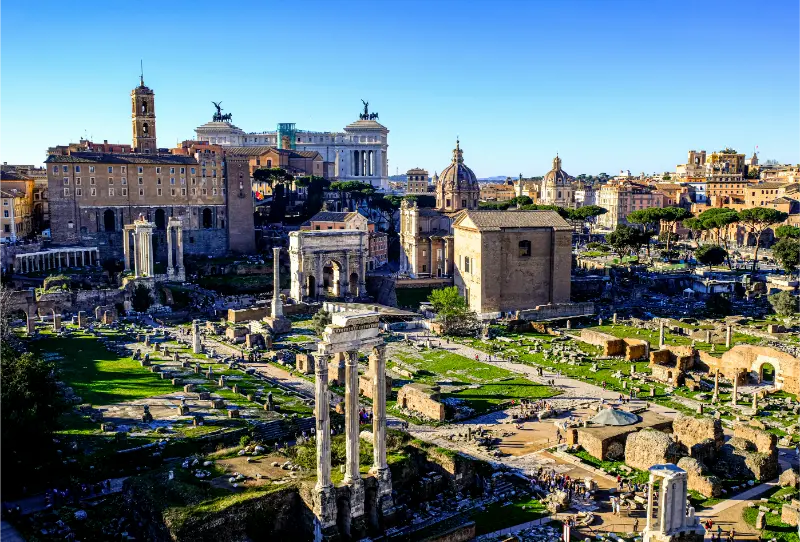
The Colosseum and Forum, Trevi Fountain, Spanish Steps, Appian Way and major outdoor viewpoints all benefit from an early start. The light is better, the ground has not absorbed a full day of heat and crowd movement is easier.
For the Trevi Fountain, early morning also helps with the dense pedestrian pressure that develops later.
Best midday escapes
Churches are often cool, but respect service times and dress rules. Museums such as Palazzo Massimo, the Capitoline Museums, Galleria Borghese and MAXXI give you real cultural value rather than simply air-conditioning. A long lunch can be equally strategic.
Returning to your hotel for ninety minutes is not “wasting Rome.” It may be what allows you to enjoy the evening until midnight.
Water and the nasoni fountains
Rome’s public drinking fountains, often called nasoni, are a major advantage in summer. Carry a refillable bottle and use potable public fountains where indicated rather than buying endless plastic bottles. Do not confuse decorative fountains with drinking fountains.
Hydrate before you feel thirsty, especially on archaeology days. Alcohol at lunch can make the afternoon feel harder, so balance aperitivo culture with water.
What to wear
Choose breathable clothing, supportive shoes, a hat and sunglasses. You still need clothing that meets church dress expectations, particularly for the Vatican. A light layer or scarf can solve the shoulder-coverage problem without forcing you into heavy clothes all day.
Sunscreen matters even on days when much of the itinerary feels urban rather than beach-like.
August in Rome
August is a mixed experience. Major attractions remain important and the city still receives many tourists, while some local businesses close for holidays around Ferragosto. Neighborhood rhythms can change and public transport may follow seasonal patterns.
Do not assume “everyone leaves Rome” means the tourist center will be empty. Reserve headline sights as usual and verify restaurant opening before walking across town for a specific table.
Parks, shade and slower afternoons
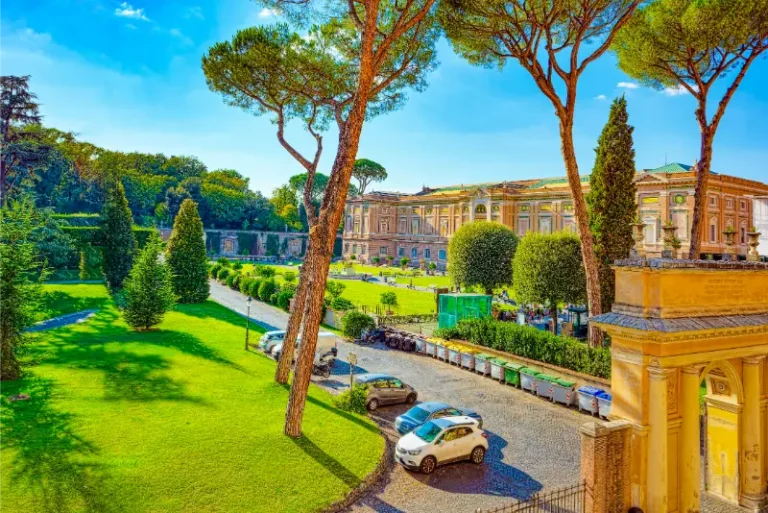
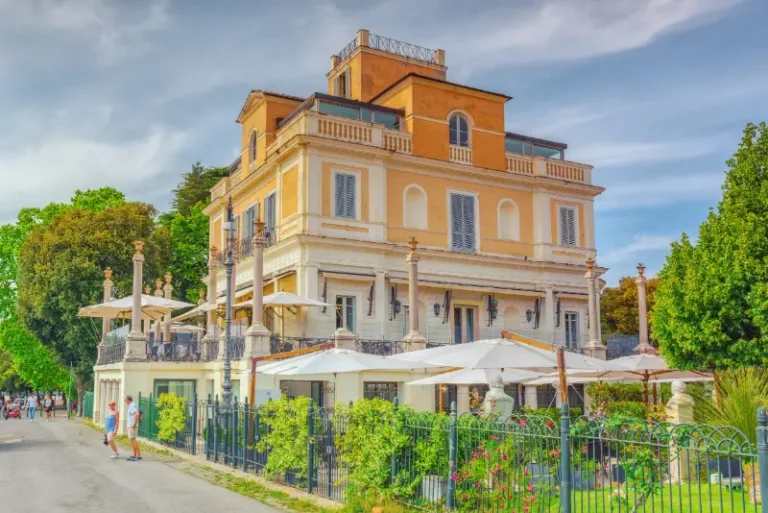
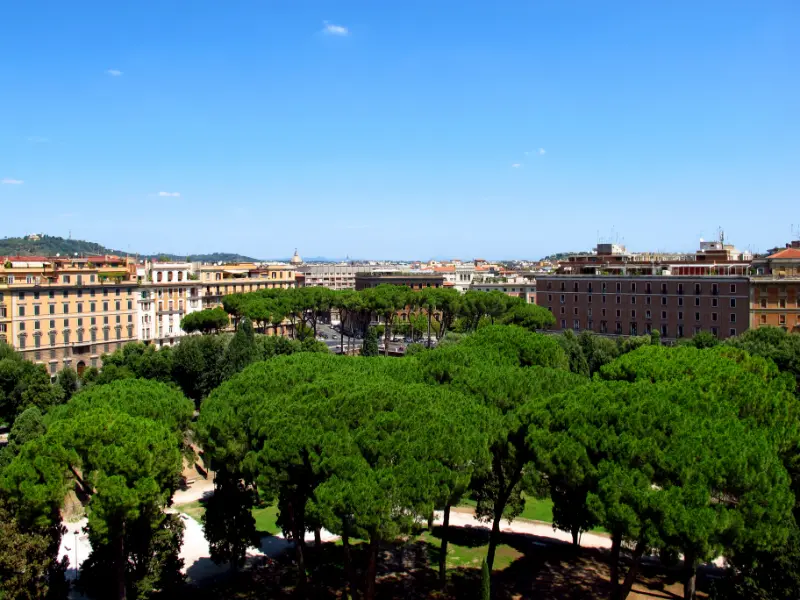
Villa Borghese, Villa Doria Pamphilj and other green spaces can provide relief, though they are not substitutes for avoiding extreme heat. The Orange Garden works better late in the day; river walks become more pleasant toward evening.
Families should read our Rome with kids guide and reduce the number of major sights per day.
Summer evenings
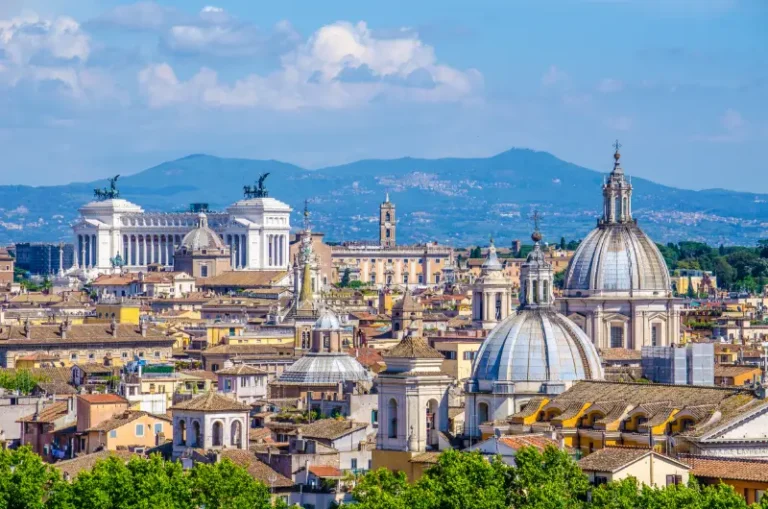
This is where summer pays you back. Piazza Navona, the Pantheon area, Trastevere, Monti and riverside walks feel alive late into the evening. Choose sunset viewpoints for the later part of the day and make dinner an event rather than an obstacle between attractions.
How to fit this into a Rome itinerary
A heat-smart day starts with the Colosseum or another outdoor anchor around opening time, breaks for lunch and indoor sightseeing from roughly midday into mid-afternoon, then resumes with a neighborhood or viewpoint. Build your itinerary around exposure, not just geography. A slightly less efficient route can be much more enjoyable if it keeps you out of direct sun at the worst time.
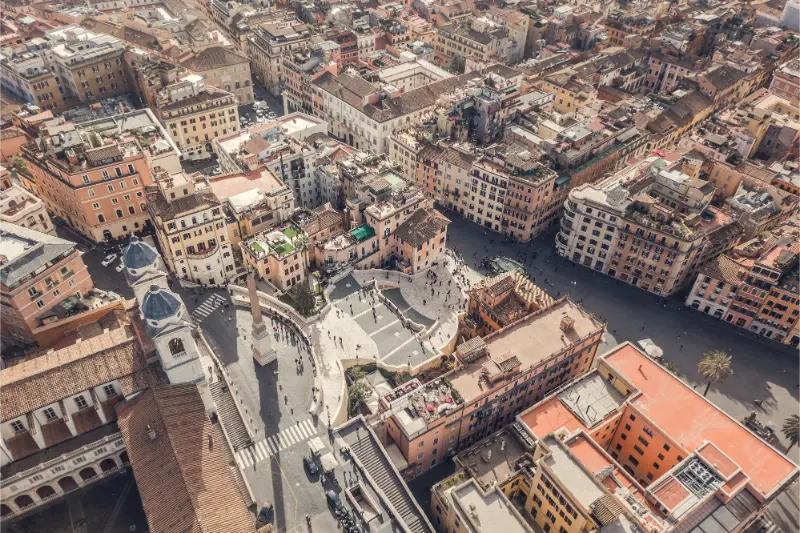
Rome is easier when each day has one or two fixed anchors rather than six timed reservations. Leave walking space between major sights, especially in the historic center where a ten-minute route on a map often becomes a thirty-minute detour once you stop for a church, fountain or coffee. If you are building a first trip, compare this plan with our 5-day Rome itinerary and adjust the pace to your interests.
Booking, opening hours and last-minute changes
Book major attractions for morning slots whenever possible. Galleria Borghese and museums are useful in the afternoon, while Vatican Museums timing should account for both crowds and the long indoor route. Check for heat-related access measures or event closures on official sites, and never assume a summer evening opening exists unless it is published for your date.
Opening hours in Rome can change for restoration work, public holidays, religious ceremonies, strikes, heat measures and special events. Check the official website again shortly before you go, save digital tickets offline and avoid scheduling a second non-refundable activity immediately after a major museum or archaeological site. A little margin is often more valuable than squeezing one extra attraction into the day.
Food, water and walking strategy
Rome sightseeing is physical even when you use buses and the metro. Wear shoes that are comfortable on cobblestones and uneven archaeological surfaces, carry a refillable bottle and use the city’s public drinking fountains when appropriate. In hot weather, move outdoor sightseeing toward morning and late afternoon; in winter, remember that daylight disappears much earlier and some archaeological sites close correspondingly early.
For meals, walk a street or two away from the most photographed landmark, read the menu before sitting down and choose a place because the food suits you rather than because someone is calling from the pavement. A bakery, pizza al taglio counter or simple trattoria often fits a sightseeing day better than a long formal lunch. Our Roman food guide explains the dishes worth looking for.
A practical checklist before you go
- Confirm the latest official opening hours and any timed-entry requirement.
- Save tickets, confirmations and an offline map on your phone.
- Allow at least 20–30 minutes of buffer around important reservations.
- Carry water and dress for the season rather than for photographs alone.
- Check transport disruptions on the day, especially if your plan depends on buses or regional trains.
- Keep valuables secure in crowded transport and around major tourist bottlenecks.
- Leave enough unscheduled time to enjoy Rome rather than simply moving between reservations.
Frequently asked questions
Is Rome too hot in July?
It can be very hot, especially in exposed archaeological areas, but a morning-and-evening schedule makes the trip much more manageable. Travelers sensitive to heat may prefer May, June, September or October.
Are Rome museums air-conditioned?
Conditions vary by building and gallery; historic structures are not all cooled in the same way. Museums are still generally a better midday option than exposed ruins.
Do restaurants close in August?
Some independent businesses take summer holidays, particularly around Ferragosto, while tourist areas remain active. Check the current opening hours of any restaurant you specifically want to visit.
Final advice
Summer Rome is not about proving that heat cannot change your plans. It is about using the city’s long day intelligently. Start before the stone heats up, disappear into art or lunch when necessary, drink more water than you think you need and return to the streets when the light softens. The evening version of Rome is worth protecting your energy for.
Deeper planning: pace, expectations and local context
When planning around Rome in summer, the most useful question is not simply “Can I fit this in?” but “What will the rest of the day feel like afterward?” Rome combines heat, hard walking surfaces, security checks and sensory overload. A plan that looks light on paper can be tiring in practice, especially after a large museum or archaeological site. Build the day so that the second half is easier than the first: a neighborhood walk after a museum, a long lunch after archaeology, or a viewpoint after a structured tour.
Pay attention to geography as well as attraction rankings. Crossing Rome repeatedly for individually famous places wastes energy and makes transport disruption more important. Group sights by area and accept that a second-tier attraction next door can be a better choice than a headline sight forty minutes away. This is also how you discover churches, courtyards, bakeries and streets that never appear on a “top ten” list.
Finally, decide what success looks like before the day begins. For some travelers it is photographs and major monuments; for others it is art, food, history, family time or simply feeling the city. Rome supports all of these styles, but not always in the same schedule. A strong itinerary is selective on purpose, and that selectivity is what turns practical travel advice into a better experience.