Rome Travel Guide: Everything You Need to Plan Your First Trip
Rome rewards travelers who plan the essentials and leave room for surprises. The city is dense with ancient ruins, Renaissance churches, lively piazzas, neighborhood trattorias and ordinary streets that suddenly frame a dome or a fountain. For a first visit, the challenge is not finding things to do; it is choosing a realistic pace so that the Eternal City feels exciting rather than exhausting.
This Rome travel guide is designed for first-time visitors, couples, families, solo travelers and anyone building a practical itinerary. It covers how many days you need, the best areas to stay, when to book major attractions, airport transfers, public transport, food, budgeting and the small decisions that can make a big difference once you arrive.
How many days do you need in Rome?
For most first-time visitors, three full days is the minimum I would recommend. Three days are enough to see the Colosseum area, the historic center and the Vatican without turning every hour into a race. Four or five days are even better because you can slow down, explore neighborhoods such as Trastevere and Testaccio, visit a museum beyond the headline attractions, and enjoy long lunches or evening walks.
If you have only two days, prioritize ruthlessly. Choose one major archaeological experience, one Vatican experience, and a walking route through the historic center. If you have a week, Rome works beautifully as a base for day trips to Tivoli, Ostia Antica, Frascati or even Orvieto.
For a ready-made route, see our 3-day Rome itinerary.
Best time to visit Rome
Rome is a year-round destination, but the experience changes significantly by season. April to early June and late September to October are often the easiest months for comfortable sightseeing, although popular sites can still be crowded. July and August bring heat, intense sun and high visitor numbers, while winter offers shorter days but can be excellent for travelers who prefer museums, quieter streets and lower accommodation demand outside holiday periods.
- Spring: pleasant for walking, increasingly busy around Easter and long weekends.
- Summer: very hot; plan outdoor archaeology early in the morning and carry water.
- Autumn: a strong balance of weather, daylight and atmosphere.
- Winter: cooler and sometimes rainy, but major sights can feel more manageable outside Christmas and New Year.

No matter when you go, check the specific opening calendar for ticketed attractions. Religious ceremonies, restoration work, strikes and special events can alter access at short notice.
Where to stay on a first trip
The best base depends on budget and travel style. Staying near the Pantheon, Piazza Navona or Campo de’ Fiori puts you in the most walkable part of the historic center, but rooms tend to be expensive. Monti is convenient for the Colosseum and has a neighborhood feel. Prati is orderly, well connected and useful for the Vatican. Trastevere is atmospheric at night, though some streets can be noisy. Testaccio is better for travelers who care about food and local rhythm more than being next door to famous monuments.
For a detailed comparison of areas, transport and traveler types, read Where to Stay in Rome.
Book these attractions before you arrive
The biggest planning mistake in Rome is assuming that every famous monument can be visited spontaneously. Timed-entry systems are now normal at major attractions. The Colosseum requires a reserved time slot, and official ticket sales are released according to the archaeological park’s booking rules. The Vatican Museums also operate with dated tickets and can sell out in busy periods.

- Colosseum, Roman Forum and Palatine Hill: reserve in advance through the official Colosseum Archaeological Park.
- Vatican Museums and Sistine Chapel: use the official Vatican Museums website and its official ticket portal.
- Galleria Borghese: reservations are essential because entry is capacity controlled.
- Pantheon: it is a ticketed state monument; use the official Pantheon information page for current rules and prices.
Arriving in Rome: Fiumicino and Ciampino
Most international travelers arrive at Fiumicino Airport (FCO). The Leonardo Express runs non-stop between Fiumicino Airport and Roma Termini in about 32 minutes. Trenitalia currently lists the standard fare at €14 and usually schedules frequent departures. The FL1 regional train is useful if your accommodation is closer to Trastevere, Ostiense or Tiburtina than Termini.
Ciampino Airport (CIA) is smaller and is served by buses, taxis and combinations involving local rail or Rome’s urban bus network. If you are traveling with several people or heavy luggage, a licensed white taxi can be practical. Rome’s official mobility service publishes fixed airport taxi fares for eligible journeys inside the Aurelian Walls.
Compare every option in our Rome airports to city center guide.
Getting around: walk first, use transit strategically
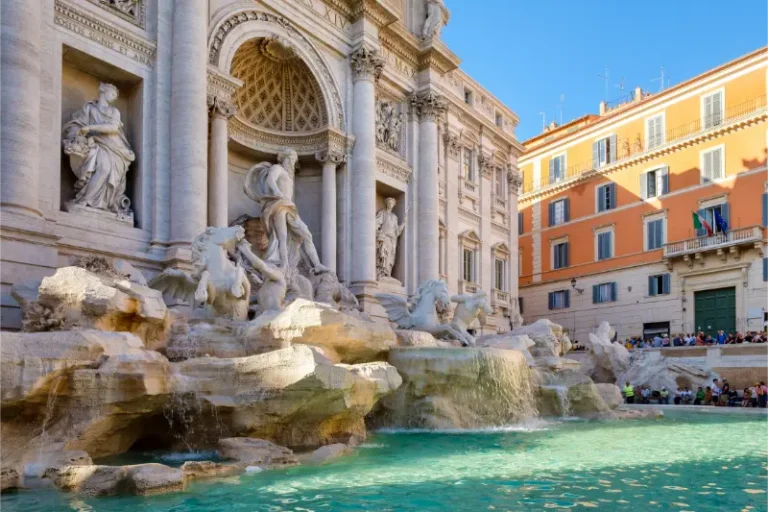
Central Rome is one of Europe’s great walking cities. The Pantheon, Piazza Navona, Trevi Fountain and Spanish Steps are all relatively close, and walking lets you notice courtyards, churches and viewpoints that you would miss underground. The metro is useful for longer hops, especially toward the Vatican, Termini, San Giovanni and some residential districts, but it does not cover every area of the historic center.
ATAC operates the city’s buses, trams and metro. As of September 2026, the standard BIT ticket costs €1.50 and is valid for 100 minutes, with specific conditions for metro use. ATAC also offers 24-, 48- and 72-hour products and contactless Tap & Go. Check the official ATAC ticket page before traveling because fares can change.
Our detailed Rome public transport guide explains tickets, validation and when a tourist pass makes sense.
A realistic daily budget
Rome can be expensive around the most famous squares, but it is possible to control costs. Accommodation is usually the largest variable. Food can range from a quick slice of pizza or bakery lunch to tasting menus and rooftop dining. Many of the city’s most memorable experiences—piazzas, churches, fountains, viewpoints and neighborhood walks—are free.
| Expense | Budget approach | Comfort approach |
|---|---|---|
| Breakfast | Coffee and pastry at the bar | Sit-down café or hotel breakfast |
| Lunch | Pizza al taglio, panino, market food | Trattoria lunch |
| Dinner | Simple neighborhood osteria | Well-reviewed restaurant with wine |
| Transport | Walk + occasional BIT tickets | Multi-day transit pass/taxis as needed |
| Sightseeing | Free churches and outdoor sites | Pre-booked major museums and archaeological sites |
Do not plan a trip around an exact ‘daily cost’ found online. Hotel prices vary by season, neighborhood, events and booking date. Instead, price your accommodation first, then add confirmed ticket costs and a food allowance that matches your habits.
The essential sights for a first visit
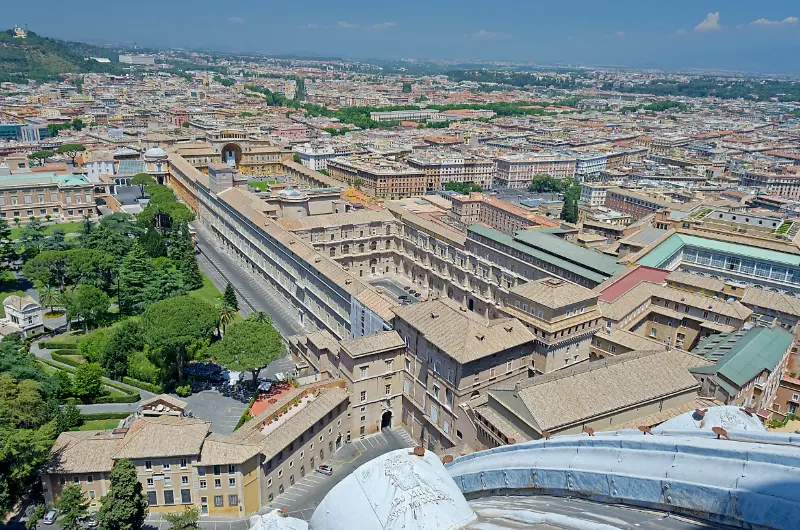
A classic first trip should include the Colosseum and Roman Forum, the Pantheon, Trevi Fountain, Piazza Navona, the Spanish Steps area, St. Peter’s Square and at least one deep cultural visit such as the Vatican Museums or Galleria Borghese. But Rome is more satisfying when you combine icons with smaller places: a quiet church, a market, a hilltop view, an evening passeggiata or a residential neighborhood.
For ideas beyond the obvious, start with the best things to do in Rome and our guide to free things to do in Rome.
What to eat in Rome
Roman cooking is direct, seasonal and deeply tied to the city’s working-class traditions. Look for carbonara, cacio e pepe, amatriciana and gricia, but do not stop at pasta. Try supplì, carciofi when in season, saltimbocca, pizza bianca, maritozzi and good gelato. Testaccio is especially rewarding for food-focused travelers, while bakeries and neighborhood bars can provide some of the best-value meals of the day.
See What to Eat in Rome for the dishes, ordering tips and neighborhoods worth exploring.
Money, tipping and restaurant habits
Cards are widely accepted, but carrying some cash is useful for small purchases and older machines. In restaurants, read the menu carefully for the coperto or service policies. Tipping is not expected at the same percentage levels common in the United States; rounding up or leaving a modest amount for good service is usually sufficient. If a restaurant feels aggressive about getting you inside, displays huge photo menus beside a major monument, or has staff repeatedly calling to passersby, consider walking a few streets away.
Dress codes and churches
Rome’s churches are active places of worship. Major basilicas and many other churches expect clothing that covers shoulders and is not excessively short or revealing. Security checks can be stricter at high-profile religious sites. A lightweight scarf or overshirt is useful in warm weather, especially if you plan to combine sightseeing with church visits.
Safety and common tourist mistakes
Rome is generally straightforward for visitors, but crowded transport and major tourist areas require normal big-city awareness. Keep phones and wallets secure on busy buses, around Termini, on metro platforms and in dense crowds. Ignore unsolicited ‘help’ at ticket machines and be cautious with people who create distractions while another person moves close to your bag.
- Do not keep a wallet in an open back pocket.
- Use licensed white taxis or official apps and ranks.
- Buy attraction tickets through official sites or clearly identified authorized sellers.
- Leave extra time for security checks at the Vatican and major monuments.
- Carry a reusable water bottle and refill it at Rome’s public drinking fountains where appropriate.
- Wear shoes with grip: cobblestones are beautiful but tiring and can be slippery.
Rome with children
Families do best when they alternate major sights with open space and short activities. The Colosseum can be fascinating for children if you explain the story beforehand, while Villa Borghese gives everyone a break from stone streets and queues. Gelato stops, fountains, panoramic terraces and short neighborhood walks can be used as natural pauses. Avoid scheduling two long museums back-to-back.
Accessibility and travelers with limited mobility
Rome’s historic fabric creates genuine accessibility challenges: uneven cobbles, hills, old buildings, narrow sidewalks and lifts that may be small or absent. Major attractions often provide accessible routes, but they may differ from standard visitor paths. Contact museums and your accommodation directly before traveling, and verify step-free access rather than relying only on a general hotel accessibility label. Taxis can be valuable for reducing long walking distances.
A simple first-trip planning checklist
- Choose travel dates and book accommodation in a neighborhood that matches your priorities.
- Reserve the Colosseum and Vatican Museums before filling the rest of the itinerary.
- Decide how you will travel from the airport to your accommodation.
- Group sights geographically instead of crossing the city repeatedly.
- Plan one major timed attraction per half-day at most.
- Keep at least one evening unscheduled for a walk, aperitivo or spontaneous dinner.
- Check official opening times again 24–48 hours before each major visit.
- Download offline maps and save your accommodation address in your phone.
Final tip: leave space for Rome to happen
The most memorable moments in Rome are often not ticketed. You may turn a corner and find a tiny chapel, hear music in a square, watch sunset from a bridge or spend an hour over a coffee because the street outside is too interesting to leave. Plan the difficult reservations, understand the transport, then protect some empty time. That balance is the best way to experience Rome as both an extraordinary historic city and a place that is still completely alive.