Easter in Rome: Holy Week, Vatican Visits and Practical Planning Tips
Easter is one of the most significant times of the year in Rome and one of the easiest periods to underestimate. The city remains a major tourist destination, but it is also the center of the Catholic Church, so Holy Week brings religious ceremonies, pilgrims, special security arrangements and changes to the normal sightseeing rhythm.
You can have an exceptional trip during Easter, but it should not be planned like an ordinary spring weekend. The most important rule is to separate religious events from tourist visits: a ticket for the Vatican Museums is not a ticket for a papal liturgy, and normal access to a basilica can change when a service is taking place.
Understand the Easter calendar before booking
Easter is a movable feast, so the dates change every year. Holy Week begins with Palm Sunday and includes Holy Thursday, Good Friday, Holy Saturday, Easter Sunday and Easter Monday, known in Italy as Pasquetta. Each of these days can have a different effect on crowds, transport and opening hours.
Before reserving flights, note exactly where your dates fall in relation to the weekend. A trip that includes only Easter Sunday and Monday gives you fewer normal museum days than a trip that starts earlier in Holy Week.
The Vatican during Holy Week
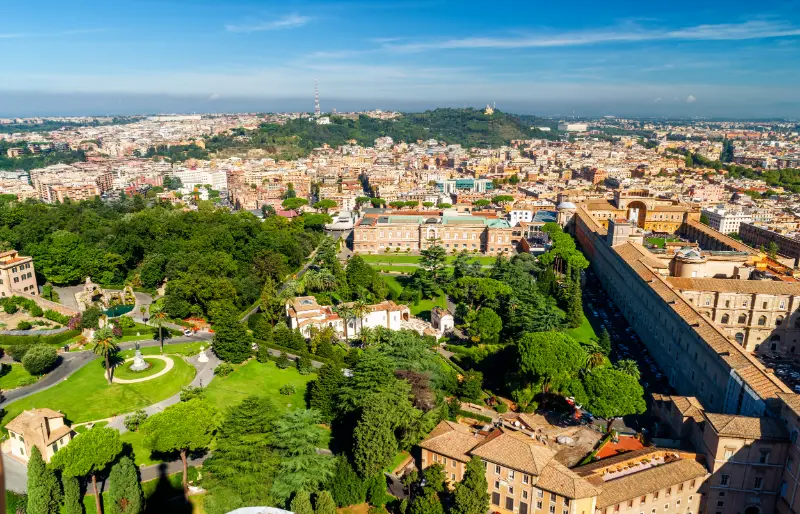
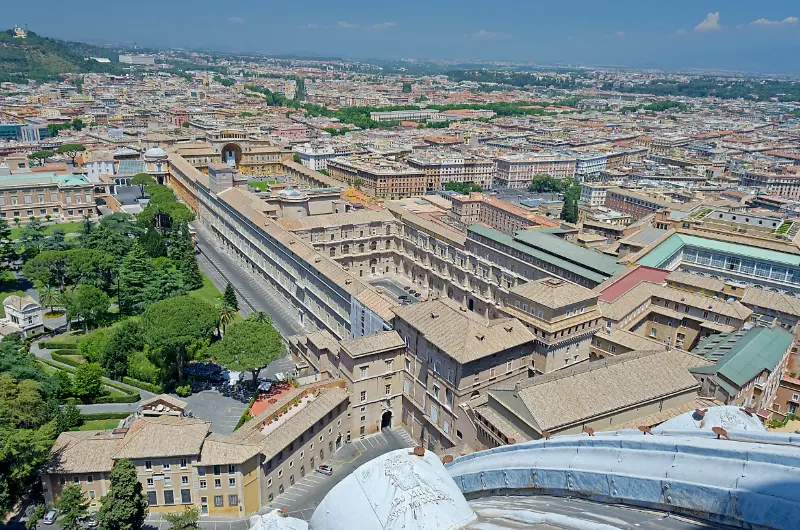
St. Peter’s Basilica and St. Peter’s Square become focal points for major ceremonies. Access may involve security controls, designated entry procedures and areas reserved for ticketed or accredited participants. Details can change from year to year, so use official Vatican information for the specific Holy Week you will attend.
If attending a papal event is your priority, build the rest of the day around it and keep sightseeing light. Security and crowd movement can take much longer than the event itself. If you are not attending, consider visiting the Vatican on another day rather than trying to move through the area during the largest ceremonies.
Good Friday and the Colosseum area
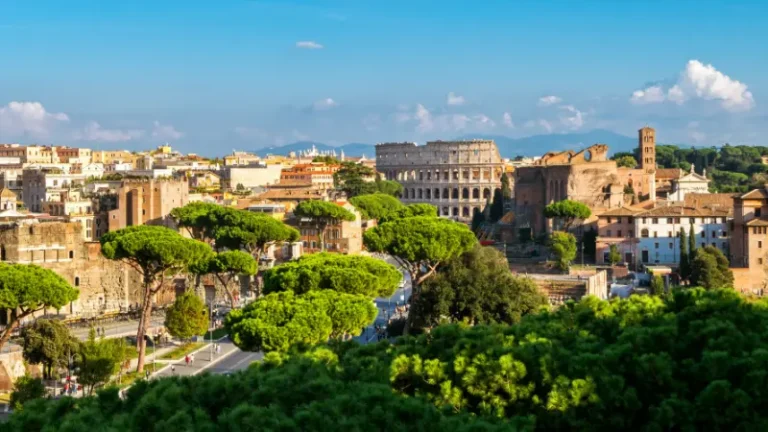
Good Friday has a strong association with the traditional Way of the Cross in Rome, often involving the Colosseum area. Security, barriers and crowd controls can affect movement nearby. Do not schedule a tight evening itinerary that requires crossing the same streets at the same time.
If the Colosseum is a major priority, visit it on a different day and use our Colosseum guide to understand ticketing and the archaeological area. The monument deserves a normal visit rather than being squeezed around a large religious event.
Easter Sunday
Easter Sunday is primarily a religious and family holiday. Areas around the Vatican can be exceptionally busy, while some other parts of central Rome may feel quieter in the morning. Museum openings differ by institution; never assume a normal Sunday schedule applies.
A good approach is to make Easter Sunday flexible unless you are attending a specific ceremony. Outdoor piazzas, viewpoints and neighborhood walks can work well, but always leave room for local crowd management and special transport arrangements.
Easter Monday — Pasquetta
Pasquetta is a public holiday in Italy and traditionally a day for outings. Parks, archaeological areas and destinations outside Rome can attract more local visitors, while businesses and museums may use holiday hours. If you plan a day trip, reserve transport or admission where necessary and expect popular places to be busier.
What happens to museums?
There is no single Easter rule for every museum. State museums, municipal museums, Vatican institutions and private attractions operate under different calendars. Check your exact date on the official website of each priority sight, especially for Easter Sunday and Monday.
Book the attractions with limited capacity first: the Vatican Museums, Galleria Borghese, Colosseum ticket types and smaller archaeological sites with timed entry. Then place free churches and outdoor sights around those anchors.
Churches are not simply free museums
Rome’s churches contain extraordinary art, but Holy Week is when their religious function is most visible. A church that is normally easy to visit may be preparing for a liturgy, hearing confessions, holding a service or limiting tourist movement. Dress respectfully, remain quiet and be willing to return later.
If art is your main interest, our best churches in Rome guide and Caravaggio route can help you create alternatives without depending on one building.
A realistic four-day Easter framework
| Day type | Suggested approach |
|---|---|
| Normal weekday | Use for Vatican Museums, Galleria Borghese or another reservation-heavy attraction |
| Good Friday | Major museum in the morning; avoid tight evening plans near event zones |
| Easter Sunday | Religious event if desired, otherwise flexible walks and neighborhoods |
| Easter Monday | Park, archaeological area or pre-planned day trip, with holiday hours checked |
This framework is intentionally flexible because the exact sequence of Holy Week changes each year. The principle is to protect normal operating days for the attractions that are hardest to replace.
Where to stay during Easter
Staying near the Vatican is convenient if your main purpose is to attend ceremonies, but the same advantage can become a drawback if you are trying to avoid crowds. Prati gives you access to the Vatican while still offering restaurants and metro connections. The historic center is stronger for walking between piazzas and churches.
If you are choosing a base, compare neighborhoods in our where to stay in Rome guide rather than booking only by distance from St. Peter’s.
Transport and security
Special events can lead to road closures, temporary bus diversions and controlled pedestrian zones. Metro stations can also become crowded after large gatherings. Walk when distances are reasonable, but do not assume your normal route will remain open around the Vatican or Colosseum during major ceremonies.
Carry minimal luggage on event days, keep identification available and allow more time than you think you need. If you have a timed museum reservation after a ceremony, the schedule may be too fragile.
Food and restaurant planning
Easter is a family holiday, and restaurants can be busy for Sunday lunch. If you want a specific restaurant or a traditional holiday meal, reserve in advance and confirm whether the restaurant is serving a fixed menu. On other days, keep meals simpler so you are not overloading an already crowded schedule.
Spring weather and clothing
Easter can fall from late March into April, so conditions vary. Layers, a light waterproof jacket and comfortable shoes are more useful than dressing for a single forecast. Church visits also require respectful clothing, which is easier to manage if you carry a light layer even on a warm afternoon.
Easter with children
Large ceremonies can involve long waits and dense crowds, which may be tiring for young children. Decide whether the religious event itself is meaningful for your family. If not, a park, shorter church visit and one timed attraction may create a better day. Keep snacks, water and restroom opportunities in mind.
Common planning mistakes
- Treating Easter Sunday as a normal sightseeing Sunday
- Assuming Vatican Museum admission includes papal events
- Booking a Colosseum visit too close to a Good Friday event
- Relying on generic opening-hour websites instead of official calendars
- Leaving Easter lunch to chance
- Scheduling too many reservations on the same day
- Ignoring security queues and road closures
Frequently asked questions
Is Rome too crowded at Easter?
It is busy, especially around the Vatican and major sights, but a well-planned trip can still be excellent. Reserve limited-capacity attractions and spend part of each day in less compressed neighborhoods.
Do I need tickets for Vatican Easter ceremonies?
Some events or seating arrangements may require specific procedures. Requirements can change, so consult the official Vatican information for the exact year rather than relying on old travel posts.

Are restaurants open on Easter Sunday?
Many are, but some close and others use special menus or reservations. Book any important meal in advance.
Final advice
The best Easter trip to Rome respects both sides of the city: the extraordinary tourist destination and the living religious capital. Use normal weekdays for hard-to-book museums, keep Holy Week event days flexible, verify official schedules and avoid stacking reservations around major ceremonies. With that structure, the crowds become manageable rather than defining the whole trip.
How to choose accommodation for Holy Week logistics
If you intend to attend several Vatican ceremonies, staying in Prati or near a reliable route to St. Peter’s can save substantial time. If ceremonies are not your priority, a base near the historic center, Monti or another well-connected district can reduce how often you encounter Vatican crowds. The “closest” hotel is not automatically the best hotel if every daily route takes you across a controlled event zone.
Build a backup list before Holy Week begins
Prepare three or four flexible alternatives in different areas: a park, a small museum, a neighborhood walk and a church cluster. If a ceremony or security closure disrupts your first plan, you can switch immediately without searching from scratch. Save addresses and official pages offline because mobile networks can feel slower around very large gatherings.
One final planning principle
For Easter in Rome, keep the route realistic: protect the experience that matters most, group nearby stops, check only operational details that can change, and leave enough time for transport, security and an unplanned break. Rome is more enjoyable when a day has one clear focus instead of a long list of unrelated pins.