Rome at Christmas: Lights, Nativity Scenes, Markets and Holiday Planning
Christmas gives Rome a different atmosphere without changing the city into a theme park. The most memorable elements are often traditional rather than spectacular: illuminated streets, nativity scenes in churches, seasonal sweets, evening walks through decorated piazzas and the contrast between busy shopping areas and quiet early mornings.
The holiday period also requires more planning than a normal winter visit. Christmas Eve, Christmas Day, New Year’s Day and the Epiphany can affect museum hours, restaurant availability, public transport and religious sites. Exact programs change every year, so this guide focuses on the traditions and planning principles that remain useful while showing you what should always be rechecked close to your dates.
What Christmas feels like in Rome
December is winter, but sightseeing can still be very comfortable when the weather is dry. Daylight is shorter, evenings are cool and rain is possible, yet the city remains highly walkable with the right layers. Central streets become busier as Christmas approaches, especially around major shopping corridors and weekend afternoons.
The atmosphere is strongest after dark. Piazza Venezia, Via del Corso, the Spanish Steps area and streets leading toward the historic center often become part of an easy evening walk. Keep expectations flexible: lighting designs, trees and municipal installations can change from one season to the next.
Nativity scenes are one of Rome’s most authentic Christmas traditions
Presepi — nativity scenes — are central to Italian Christmas culture, and Rome offers them in churches, basilicas, institutions and temporary exhibitions. Some are monumental, others are small and devotional. Visiting several gives the holiday a specifically Roman and Italian character that you would miss if you focused only on shopping streets.
St. Peter’s Square normally becomes one of the symbolic centers of the season with a Christmas tree and nativity display, but installation dates and access conditions vary. Major basilicas also celebrate the season through liturgy and decoration. Remember that these are active religious spaces, not simply attractions.
Piazza Navona and the Befana tradition
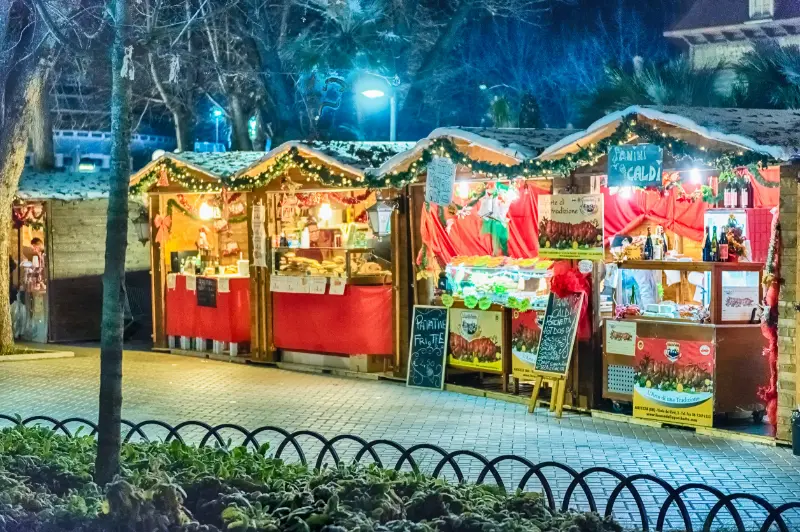
Piazza Navona has a long association with the Christmas and Epiphany season, particularly the Befana tradition connected with 6 January. The exact format, stalls and calendar of seasonal events can change, so do not build a trip around an old list of vendors. Even without a specific market, the square remains one of the most atmospheric evening stops in central Rome.
Pair it with the Pantheon, Campo de’ Fiori and the lanes of the historic center. Our Piazza Navona guide explains what to see beyond the seasonal activity.
Christmas at the Vatican
The Vatican draws particularly high interest around Christmas because of papal liturgies and St. Peter’s Basilica. Attendance at major ceremonies can require specific tickets, invitations or procedures that are separate from ordinary sightseeing. Never assume a museum ticket gives access to a religious event, or that normal basilica access continues unchanged during a service.
If a Vatican ceremony matters to you, consult the current official Vatican calendar and ticket instructions well in advance. If your priority is simply to see St. Peter’s Basilica and the Vatican Museums, choose a day that avoids the most important liturgical moments and leave additional time for security.
Are museums open at Christmas?
Opening varies by institution and by date. Some state museums close on Christmas Day and New Year’s Day, while municipal or private attractions may follow different schedules. Christmas Eve can also bring reduced hours. Treat 24–26 December and 31 December–1 January as special dates that require individual checks rather than using a generic “Rome opening hours” list.
The safest strategy is to reserve your highest-priority museum on a normal operating day and use the major holidays for walks, churches when accessible, neighborhoods and meals. Do not save every paid attraction for the final day of the trip.
Where to walk for Christmas atmosphere
- Via del Corso and the streets around Piazza di Spagna
- Piazza Venezia and the approach to the historic center
- Piazza Navona and the Pantheon district
- St. Peter’s Square and Borgo
- Trastevere for evening streets and dinner
- Monti for a smaller-scale neighborhood atmosphere
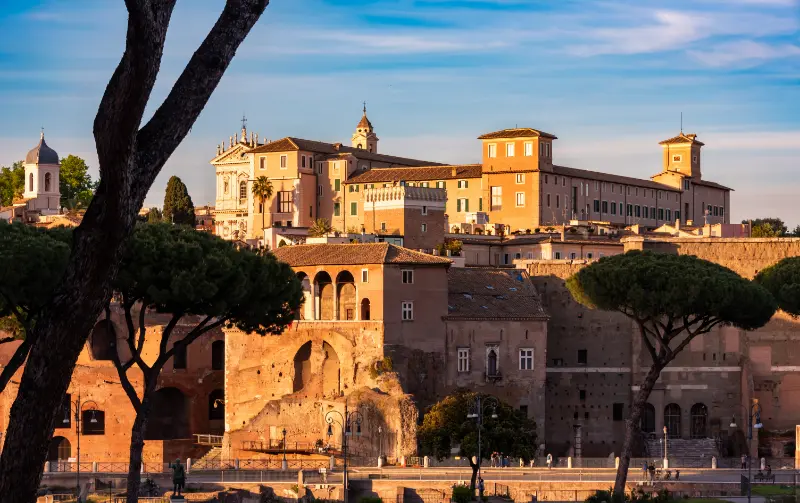
Do not try to cover all of these in one evening. Choose one cluster, have an aperitivo or dinner nearby and allow time for spontaneous detours. Christmas crowds move slowly, and the atmosphere is the point.
What to eat in Rome at Christmas
Holiday menus vary by family and restaurant, but seasonal sweets are easy to encounter. Panettone and pandoro are found throughout Italy, while Roman tables may feature local traditions alongside national Christmas foods. Bakeries, pastry shops and specialty stores can be more interesting than buying packaged sweets beside a major monument.
For everyday Roman dishes between holiday meals, use our Rome food guide. Christmas is a good time to balance one special reservation with simpler lunches, pizza, bakery stops and neighborhood trattorias.
Restaurant reservations matter more on key dates
Christmas Eve and Christmas Day are not good moments to wander until you find an open restaurant. Many places close, operate only for reservations or offer a fixed menu. Confirm the exact meal, price structure and cancellation policy before booking. Avoid assuming that a restaurant appearing “open” on a map app has published its holiday schedule.
A three-day Christmas framework
| Day | Best focus |
|---|---|
| Day 1 | Historic center, lights, Piazza Navona, Pantheon area and dinner |
| Day 2 | Pre-booked museum or Ancient Rome, then Monti or Trastevere |
| Day 3 | Vatican/St. Peter’s area, Prati and an evening walk |
If one of these days is 25 December or 1 January, move the museum to a normal operating day and make the holiday itself more flexible. The exact sequence matters less than keeping your non-negotiable attractions away from dates with uncertain or restricted hours.
Christmas Day in Rome
Christmas Day can feel surprisingly calm in some parts of the city, while areas around St. Peter’s may be very busy. Public transport generally operates with a holiday timetable, and many businesses close. A gentle walking day can work well, but verify what is open and carry a simple plan for meals.
Outdoor landmarks such as fountains and piazzas remain visible, though access around major religious events may be controlled. A route through the historic center can be beautiful when streets are quieter than usual, especially early in the day.
New Year is a separate planning problem
If your stay extends to 31 December, treat New Year’s Eve independently from Christmas. Transport, crowd management, restaurant bookings and public events may all follow special arrangements announced closer to the date. Our Rome at night guide is useful for normal evening areas, but New Year requires current-year checks.
Weather and what to pack
- A warm but packable coat
- Layers for changing indoor and outdoor temperatures
- Comfortable water-resistant walking shoes
- A compact umbrella
- A scarf suitable for churches and cold evenings
- A small day bag that closes securely
Rome’s winter problem is often not extreme cold but long exposure. You may be outside for hours, enter a warm museum, then return to the evening air. Layers are more useful than one very heavy item.
Christmas with children
Children often enjoy the season’s lights, nativity scenes, sweets and large piazzas more than another full museum day. Build one major attraction into the morning and keep late afternoon flexible. Avoid forcing long queues for a seasonal installation that can be viewed from a distance or at another time.
How to avoid disappointment
- Do not rely on last year’s market dates
- Do not assume every church is open to sightseeing during services
- Reserve important meals on 24–25 December
- Check each museum individually for holiday hours
- Allow more time around the Vatican
- Keep at least one day without timed reservations

Frequently asked questions
Is Christmas a good time to visit Rome?
Yes, especially if you enjoy winter city breaks, religious traditions and evening atmosphere. You need to accept shorter daylight and special holiday closures.
Is Rome closed on Christmas Day?
The city does not close completely, but many museums, shops and restaurants may be closed or operate differently. Outdoor sights remain accessible, while religious areas can be affected by services.
Does it snow in Rome at Christmas?
Snow in central Rome is unusual. Prepare for cool temperatures and possible rain rather than planning for a snowy Christmas scene.
Final advice
Rome at Christmas works best when you mix tradition with practical planning. Reserve the meals and attractions that matter, verify holiday-specific hours close to your trip, then leave enough free time for lights, nativity scenes, churches and evening walks. The season is more rewarding when you experience the city’s rhythm instead of trying to collect every temporary event.
How far ahead to book a Christmas trip
Flights and well-located hotels can rise in price around the holiday period, while restaurant capacity becomes unusually important on 24 and 25 December. Book accommodation first, then secure any museum with limited entry, and only after that build meals and evening walks. Temporary events should be the last layer of the plan because they are often announced later.
If you are flexible, arriving several days before Christmas or staying into the quieter period after New Year can give you both festive atmosphere and more normal sightseeing days. Avoid changing hotels during the key holidays unless there is a strong reason; transport and luggage logistics add unnecessary friction when schedules are reduced.
How to keep the trip festive without overplanning
Choose one seasonal ritual each day: a nativity scene, an evening light walk, a special pastry stop or a holiday concert. Then keep the rest of the itinerary like a normal Rome visit. This prevents temporary markets from replacing the monuments and neighborhoods you actually traveled to see, while still giving the trip a clear Christmas character.