
Rome Travel Mistakes: 20 Tourist Traps and Planning Errors to Avoid
Most disappointing Rome trips are not ruined by the city; they are weakened by a handful of avoidable planning mistakes. Visitors buy the wrong ticket, schedule the Vatican and Colosseum back to back, choose a restaurant only because it faces a monument, underestimate August heat or discover a church dress code after crossing the city.
This guide collects the Rome travel mistakes that create the most unnecessary stress. Some are financial, some logistical and some simply make the city less enjoyable. Avoiding them will not make every bus arrive on time, but it will give you a much better margin for the surprises Rome inevitably provides.
1. Trying to see Rome in one day
Rome can be visited briefly, but it cannot be understood in a single checklist day. Trying to combine the Vatican, Colosseum, Trevi Fountain, Pantheon and Trastevere usually produces more transit and queueing than enjoyment.
If you have only one day, choose one major ticketed attraction and one walking area. If you have two days, use our 2-day itinerary as a realistic framework.
2. Booking major sights too late
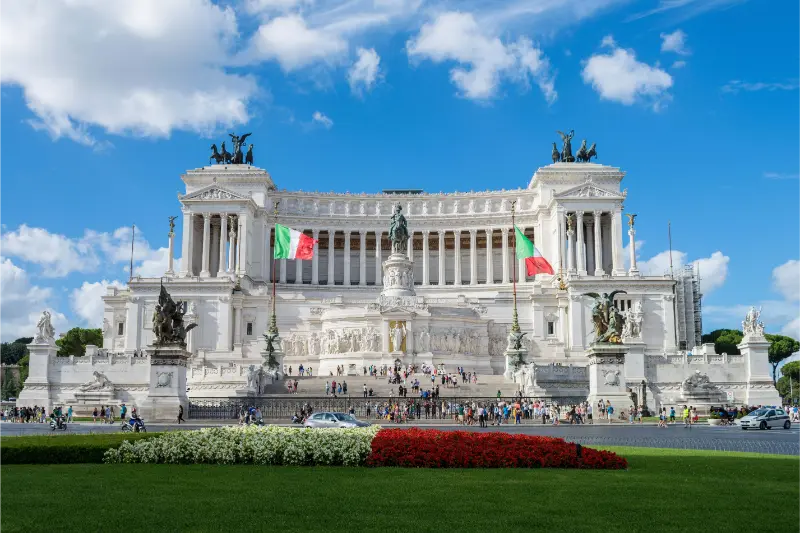
The Colosseum, Vatican Museums and Galleria Borghese can require advance planning, particularly in busy periods. Waiting until arrival may leave you with poor time slots or expensive third-party options.
Use official ticketing first and understand exactly what the ticket includes before purchasing.
3. Booking every hour
The opposite mistake is creating a military schedule. Rome has security queues, slow meals, transport disruption and streets that invite detours. Three hard reservations in one day can turn small delays into panic.
One major morning booking and one optional afternoon plan is often enough.
4. Buying from unofficial ticket sellers without checking
Third-party tours can be valuable when you want a guide, special access or bundled service. They are a poor choice when you think you are buying the standard official ticket but are actually paying a large markup.
Compare with the attraction’s official website before purchasing.
5. Eating directly beside every famous monument
A restaurant can be good near a landmark, but location alone is not evidence of quality. Read the menu, check recent reviews and walk one or two streets away before deciding.
Avoid places that pressure you aggressively from the pavement or present unclear pricing.
6. Ignoring church dress codes
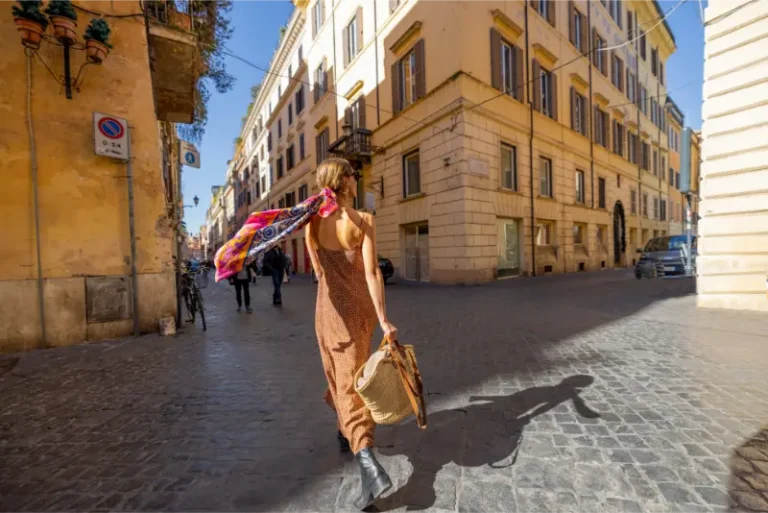
Shoulders and knees may need to be covered in major churches and Vatican spaces. In summer, carry a light layer or scarf rather than discovering the rule at the door. Religious services also take priority over sightseeing.
7. Underestimating walking
Even with metro and buses, a Rome day can easily become a long walking day on hard, uneven surfaces. New shoes, thin fashion soles or heavy luggage create problems quickly.
Comfortable footwear is not an optional travel hack here; it is basic equipment.
8. Treating the metro as if it reaches everywhere
The metro is useful but does not cover the historic center as densely as systems in cities such as Paris or London. Buses and walking are often necessary. Learn the main lines but do not build the entire trip around underground connections.
9. Forgetting to validate or activate transport tickets
Ticket rules depend on the product you are using. Follow current ATAC instructions for validation or activation and do not assume buying a ticket is the final step. Our transport guide explains the basics.
10. Carrying valuables carelessly in crowds
Crowded buses, metro cars and tourist bottlenecks are the wrong place for an open tote or phone in a back pocket. Use zipped compartments and stay aware when people are pressing close together.
You do not need to be fearful; you need to make theft inconvenient.
11. Paying attention to every street approach or distraction
Around tourist zones, you may encounter aggressive selling, friendship-bracelet approaches, petition distractions or unofficial assistance. A clear “no, thank you” and continued movement is usually enough. Do not let an interaction distract you from your phone, wallet or bag.
12. Visiting outdoor archaeology at the hottest summer hour
The Forum, Palatine, Appian Way and large archaeological sites can be exposed. In July and August, start early, carry water and use the hottest hours for lunch or indoor attractions. Heat exhaustion is not an efficient sightseeing strategy.
13. Assuming August means empty streets
Many Romans take holidays, but famous attractions remain popular with international visitors. Some local businesses close while tourist demand continues. Verify restaurants and services rather than expecting a deserted city.
14. Ignoring seasonal closing times in winter
Archaeological sites often close earlier when daylight is short. An itinerary that works in June may fail in January if you place the Forum late in the afternoon. Check official seasonal hours.

15. Staying too far out just to save a little
A cheaper hotel can become expensive in time and taxi fares if every day begins with a long connection. Compare the total trip, not only the room rate. A smaller room in a walkable area may deliver a better visit.
16. Choosing Trastevere without checking noise
Trastevere is atmospheric but some streets are lively late into the night. Read recent hotel reviews for noise and room position if sleep matters. The neighborhood is not one uniform experience.
17. Expecting every fountain to be for drinking
Rome’s nasoni are public drinking fountains, but decorative fountains are not water dispensers. Use designated potable fountains and never climb into monumental fountains.
18. Planning a day trip just because it is famous
Florence, Naples and Pompeii can all be reached from Rome, but a long transport day is not automatically better than Tivoli, Ostia Antica or Frascati. Choose a day trip that fixes something missing from your itinerary rather than collecting another famous name.
19. Leaving no time for neighborhoods
If every hour is spent inside headline attractions, Rome becomes a sequence of queues. Monti, Testaccio, the Aventine, Trastevere and Prati give the city texture. Protect at least one afternoon for walking without a museum entrance at the end.
20. Forgetting that Rome changes
Restorations, jubilees, exhibitions, strikes, security measures and special events can alter access. A blog post written even a year ago may be wrong about a ticket desk or entrance. Use guides for strategy and official sources for the final operational details.
How to fit this into a Rome itinerary
Use these mistakes as a filter when reviewing your itinerary. If a day has more than two fixed reservations, if you cross the city repeatedly, if lunch exists only as a ten-minute gap or if an outdoor site sits at 2 p.m. in July, revise it. A good Rome itinerary has priorities, geographic logic and enough slack to absorb the city.
Rome is easier when each day has one or two fixed anchors rather than six timed reservations. Leave walking space between major sights, especially in the historic center where a ten-minute route on a map often becomes a thirty-minute detour once you stop for a church, fountain or coffee. If you are building a first trip, compare this plan with our 5-day Rome itinerary and adjust the pace to your interests.
Booking, opening hours and last-minute changes
Book official timed attractions early, but do not prepay everything. Read cancellation conditions and understand whether you are buying admission, a guided tour or a reseller bundle. Keep confirmation screenshots and identification requirements with you, especially where named tickets are used.
Opening hours in Rome can change for restoration work, public holidays, religious ceremonies, strikes, heat measures and special events. Check the official website again shortly before you go, save digital tickets offline and avoid scheduling a second non-refundable activity immediately after a major museum or archaeological site. A little margin is often more valuable than squeezing one extra attraction into the day.
Food, water and walking strategy
Rome sightseeing is physical even when you use buses and the metro. Wear shoes that are comfortable on cobblestones and uneven archaeological surfaces, carry a refillable bottle and use the city’s public drinking fountains when appropriate. In hot weather, move outdoor sightseeing toward morning and late afternoon; in winter, remember that daylight disappears much earlier and some archaeological sites close correspondingly early.
For meals, walk a street or two away from the most photographed landmark, read the menu before sitting down and choose a place because the food suits you rather than because someone is calling from the pavement. A bakery, pizza al taglio counter or simple trattoria often fits a sightseeing day better than a long formal lunch. Our Roman food guide explains the dishes worth looking for.
A practical checklist before you go
- Confirm the latest official opening hours and any timed-entry requirement.
- Save tickets, confirmations and an offline map on your phone.
- Allow at least 20–30 minutes of buffer around important reservations.
- Carry water and dress for the season rather than for photographs alone.
- Check transport disruptions on the day, especially if your plan depends on buses or regional trains.
- Keep valuables secure in crowded transport and around major tourist bottlenecks.
- Leave enough unscheduled time to enjoy Rome rather than simply moving between reservations.
Frequently asked questions
What is the biggest mistake first-time visitors make in Rome?
Trying to see too much is the most common. It leads to poor timing, low-quality meals and little neighborhood experience. Prioritize fewer major sights and protect walking time.
Are tourist traps common in Rome?
Tourist-heavy areas naturally have businesses that rely on location more than repeat customers. Read menus and prices, compare nearby options and do not let aggressive invitations make the decision for you.
Do I need cash in Rome?
Cards are widely accepted, but carrying a modest amount of cash can still be useful for small purchases or backup. Do not carry large amounts unnecessarily.
Final advice
Rome is forgiving when you give it time and difficult when you try to control every minute. Buy the right tickets, protect your belongings, respect the heat and religious spaces, choose food with a little care and leave room for detours. Avoiding these mistakes does not make the trip less spontaneous; it creates the conditions for spontaneity to actually be enjoyable.