Rome on Sunday: What Is Open, What to Do and How to Plan the Day
Sunday in Rome is not a lost sightseeing day. The city is active, churches are especially important, restaurants and cafés fill with locals, and most of the historic center remains easy to explore on foot. The key is understanding that Sunday follows a different rhythm from a normal weekday.
Instead of building the day around assumptions, combine open-air Rome with one or two attractions whose Sunday access you have confirmed. This guide explains the best structure for the day, from early church visits and central walks to markets, parks and an evening in Trastevere.
| Time | Good choice | Why |
|---|---|---|
| Early morning | Historic center or St. Peter’s area | Quieter streets and cooler weather |
| Late morning | Confirmed museum or church | Use one fixed visit, not several |
| Lunch | Trastevere, Testaccio or Monti | Sunday is ideal for a slower meal |
| Afternoon | Villa Borghese or viewpoints | Flexible if opening hours change |
| Evening | Piazzas and neighborhood walk | Rome remains lively after museums close |
What is Rome like on a Sunday?
Sunday feels less like a shutdown than visitors sometimes expect. The historic center is full of walkers, cafés serve breakfast, restaurants open for lunch and major squares remain busy. The difference is that office districts are quieter, some independent shops reduce hours and churches may have Masses that temporarily limit sightseeing.
A good Sunday itinerary therefore relies less on rigid retail plans and more on monuments, piazzas, parks, neighborhoods and one carefully checked museum. If you want an atmosphere-first day, Sunday can actually be one of the most enjoyable days of the week.
Churches on Sunday: visit respectfully
Rome’s churches are among the city’s greatest attractions, but Sunday is primarily a day of worship. Masses, weddings and ceremonies take precedence over tourism. Enter quietly, avoid walking around during services and be prepared to wait or return later if access to an artistic area is limited.
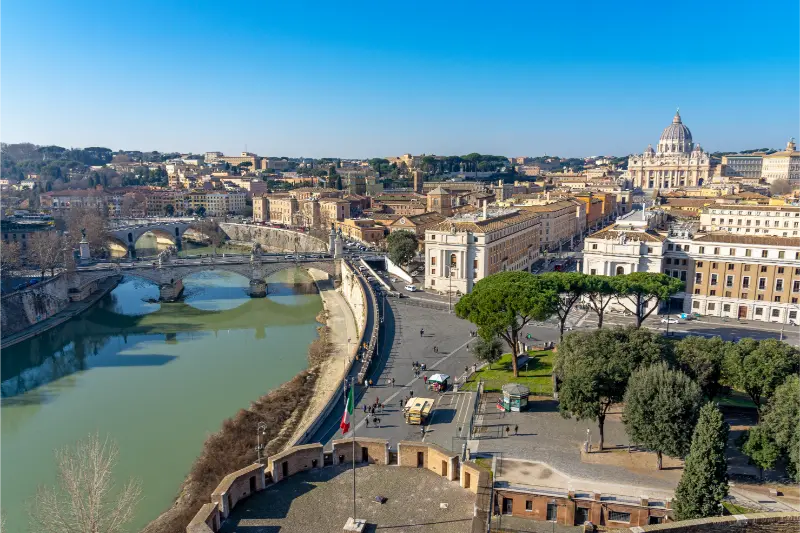
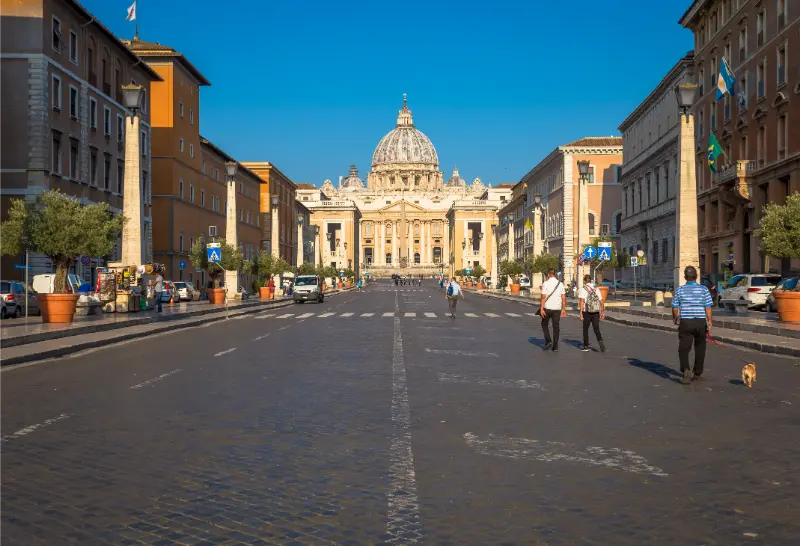
St. Peter’s Basilica can be especially busy on Sundays because of religious activity and visitors to the Vatican. If the Vatican is central to your trip, pair this article with our Vatican City guide and check the official Vatican calendar before fixing the morning.
Markets and neighborhood life
Porta Portese is traditionally associated with Sunday morning and is one of the city’s best-known flea markets. It can be crowded and quality varies, so go for the atmosphere rather than expecting every stall to sell antiques. For broader food and shopping ideas, see our Rome markets guide.
A Sunday market works best as one element of a neighborhood morning. Combine it with Trastevere, the river or Testaccio instead of crossing the city specifically for one purchase. Keep valuables secure in dense crowds and remember that opening patterns can change around holidays.
A Sunday afternoon outdoors
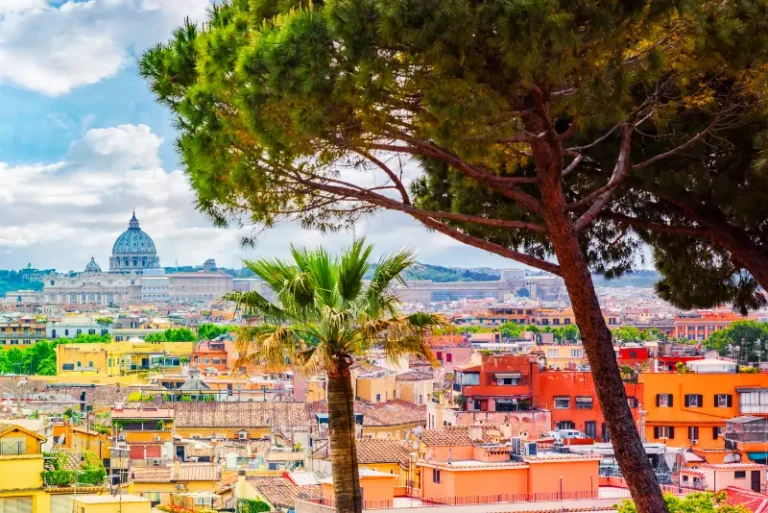
Villa Borghese is a reliable choice when you want a plan that does not depend entirely on shop or museum hours. The park connects easily with the Pincio terrace and Piazza del Popolo. Our Villa Borghese guide helps you turn the area into a half-day.
Another option is a viewpoint walk. The Aventine, Janiculum and Pincio each give a different perspective. Compare them in our best views in Rome guide, then choose the terrace that fits the neighborhood you are already visiting.
Sunday evening in Rome
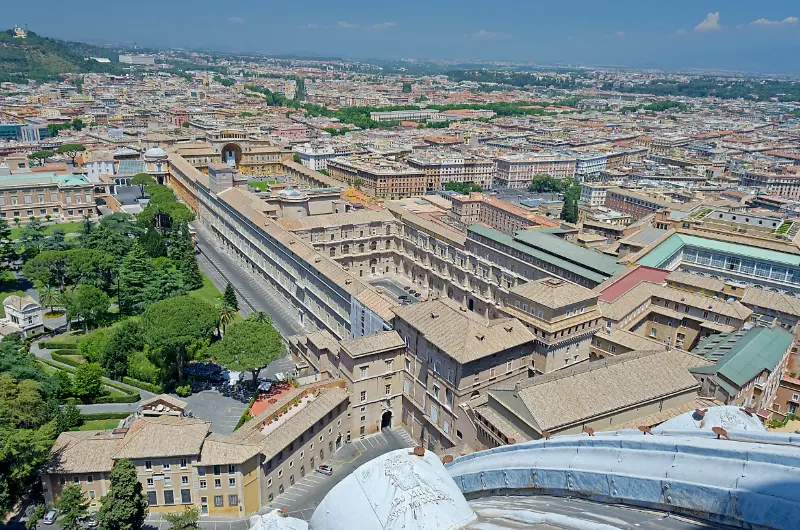
Sunday evening is excellent for a slower route through the center or Trastevere. The Trevi Fountain, Pantheon area, Piazza Navona and river bridges are particularly atmospheric after the busiest daytime period. Our Rome at night guide has ideas for continuing after dinner.
Do not assume every restaurant needs a reservation, but book ahead if you have one place that matters. Sunday dinner can be popular, while some traditional restaurants take a weekly closing day on Sunday or Monday. Always check the specific venue rather than applying one rule to the whole city.
How to fit this into a Rome itinerary
This theme works best when it is connected to the part of Rome you are already exploring. Avoid crossing the city several times just to tick off one stop. Build around a neighborhood, then add one of the core sights from 3-day Rome itinerary or Rome at night guide if it is nearby. Rome rewards geographic planning because short distances on a map can become slow journeys once cobblestones, crowds, security lines and public transport are involved.
Keep one flexible block in the day. Weather, strikes, religious ceremonies, maintenance work and private events can change access with little notice. A flexible hour also gives you room for a café stop, a longer meal or an unexpected church or viewpoint. The strongest Rome itineraries leave space for discovery instead of scheduling every twenty minutes.
Best time of day and seasonal considerations
Morning is usually the easiest time for quieter streets and cooler temperatures, while late afternoon and evening create better atmosphere for food, views and neighborhood walks. In summer, reduce exposed walking around midday and carry water. In winter, start outdoor routes earlier because daylight is shorter. Spring and autumn are comfortable but can still bring rain, so have one indoor alternative ready.
Rome changes significantly around major religious holidays, public holidays and large events. Transport can be busier, roads may close and churches can prioritize worship over sightseeing. Before a trip, check official information for any attraction that is essential to your plan and recheck the day before when the visit depends on timed entry.
Practical tips that make the day easier
- Wear comfortable shoes with grip; historic paving is attractive but tiring.
- Carry a refillable bottle and use public drinking fountains where appropriate.
- Keep valuables secure in crowded transport, markets and major squares.
- Do not rely on a single bus connection when you have a timed ticket.
- Reserve only the experiences that genuinely need a fixed time; leave the rest flexible.
- Choose a central base if your trip is short and you want to reduce transport time.

Common mistakes to avoid
- Planning several churches during Mass times without flexibility.
- Assuming all independent shops follow normal weekday hours.
- Trying to cross the city repeatedly for small attractions.
- Forgetting that special events can affect traffic and public transport.
- Leaving the only must-see museum unverified until Sunday morning.
Frequently asked questions
Are museums open in Rome on Sunday?
Many are, but schedules vary by institution and special events. Confirm the official opening calendar for the museum you want to visit instead of assuming a general Sunday rule.
Is public transport running on Sunday?
Yes, public transport operates, but frequencies and road diversions may differ from weekdays. Build extra time into airport, train and timed-ticket journeys.
Is Sunday a good day for the Vatican?
It can be, but religious activity changes the experience. The Vatican Museums follow their own calendar and St. Peter’s Basilica can be very busy, so check official information for your date.
Budget and value
This experience can be adapted to almost any budget. The biggest savings usually come from planning geographically, using public transport only when it actually saves time, and avoiding convenience purchases beside the most crowded monuments. Spend where it changes the experience: a well-located hotel, a reserved activity you genuinely care about, or a meal that is part of the trip rather than simply the nearest option.
Keep a small contingency in the daily budget for taxis, an unexpected admission fee or a last-minute change of plan. Rome is easier when every decision does not depend on choosing the absolute cheapest option.
Accessibility and slower travel
Rome can be demanding for travelers with reduced mobility because of cobblestones, hills, stairs and older buildings. Before visiting a specific venue, check its current accessibility information rather than relying on general city advice. Elevators and step-free entrances may exist but can be located away from the main entrance.
A slower itinerary is not a lesser itinerary. Reducing the number of stops often improves the experience for everyone, especially families, older travelers and visitors recovering from long flights. Choose fewer places and spend more time in each neighborhood.
Using public transport intelligently
Metro, buses and trams can save energy, but central Rome is still a walking city. Use transport for the long jump between neighborhoods, then explore on foot. Waiting for a bus to move only a few stops is not always faster than walking, especially when traffic is heavy.
Keep a buffer before timed tickets. A route that looks simple in a journey planner can be affected by traffic, demonstrations, road works or service changes. For airport and train connections, use even more margin.
Where to stay for this kind of trip
A central base reduces friction if this theme is important to you. The historic center, Monti, Prati and Trastevere each offer different advantages, so compare them with our where to stay in Rome guide.
Do not choose a hotel only by straight-line distance. Check the actual walking route, nearest useful transport and whether returning late involves steep streets or isolated stretches.
Building a balanced day
A useful rule in Rome is to combine one high-focus activity with one low-pressure activity. A museum, guided visit or long specialty experience demands concentration; a park, neighborhood walk or leisurely food stop gives your attention a break. Alternating the two makes a long sightseeing day feel easier and also gives you options if a reservation changes.
Do not measure a Rome day by the number of pins completed on a map. Travel time, security, heat and meal breaks are part of the experience. Two memorable places explored properly are often more valuable than six rushed stops seen mainly from the pavement.
Final advice
Treat this as a way to experience Rome more deeply, not as another checklist. Choose a few strong stops, connect them logically, confirm anything time-sensitive and leave space for the city itself. That balance usually produces a better day than trying to maximize the number of places visited.