
Rome Luggage Storage Guide: Termini, Lockers and Where to Leave Bags
A reliable Rome luggage storage plan is useful when your flight arrives before hotel check-in, your train leaves hours after checkout or you want to sightsee without dragging a suitcase over cobblestones. Rome has station-area deposits, automated lockers and app-based storage networks, but the best option depends on where you are going next.
The key principle is simple: store your bags near your transport route or final sightseeing area, not necessarily at the nearest location to your hotel. Every unnecessary cross-city return can cost more time than the storage service itself.
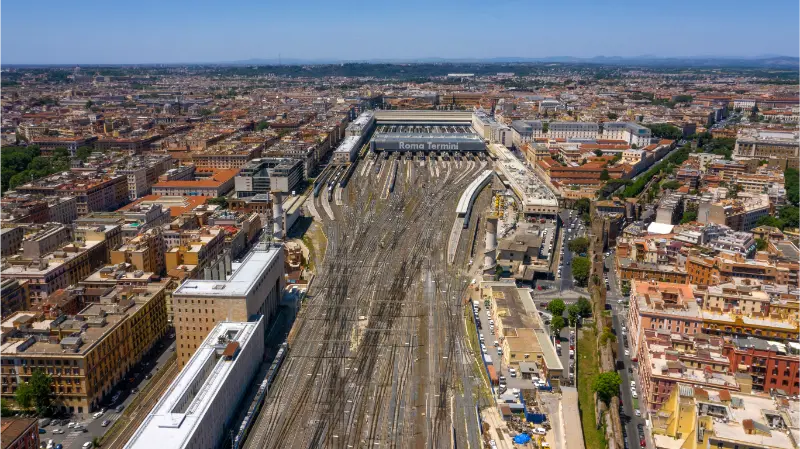
Luggage storage near Roma Termini
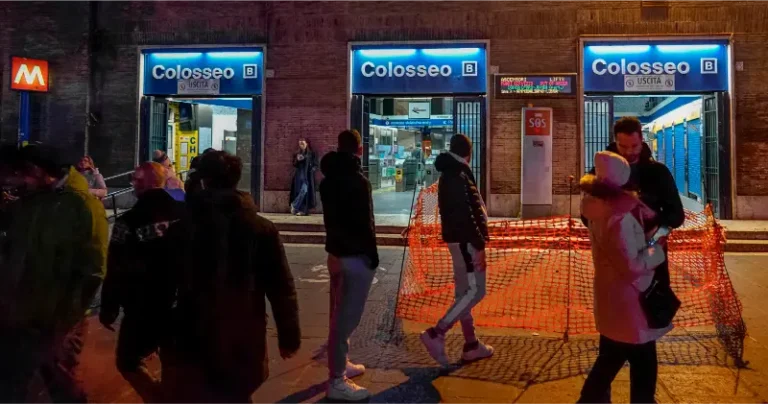
Termini is the most practical area for many travelers because it is the main rail hub and is connected to both metro lines serving central Rome. There are staffed and automated storage businesses around the station area. Trenitalia currently promotes partner services including automated locker networks and other luggage-storage options for rail customers.
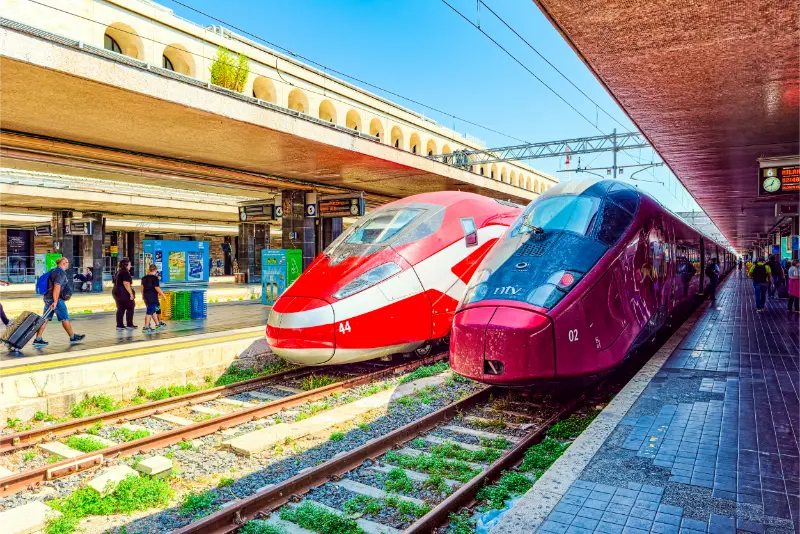
If you are traveling on a Frecciarossa or Intercity service, check current Trenitalia partner offers before booking. The rail company’s luggage-storage service page currently describes automated storage in Rome and discounts for eligible rail customers.
Historic-center lockers and storage networks
App-based storage networks place partner locations near major tourist areas. These can be useful if your day ends at the Pantheon, Trevi or Vatican rather than Termini. Compare opening hours, maximum bag size, insurance terms and the walking route before paying.
Hotel luggage rooms
Always ask your accommodation first. Many hotels will hold luggage before check-in or after checkout for registered guests, sometimes free of charge. This can be the simplest option when you plan to return to the same neighborhood before leaving Rome.
Vatican and museum bag restrictions
Do not assume an attraction cloakroom can function as day-long luggage storage. The Vatican Museums require unsuitable large luggage to be deposited in their cloakroom, but they specifically warn visitors continuing to St Peter’s Basilica not to leave baggage there because they would need to return to collect it. St Peter’s Basilica currently states that it has no cloakroom service inside the Basilica.
For a Vatican sightseeing day, store suitcases elsewhere before entering the security area. Read the Vatican Museums guide and the Rome dress-code guide when planning the same day.
Choosing a safe storage service
- Use an established operator with clear terms and contact details.
- Check whether bags are placed in individual lockers or a shared staffed room.
- Read insurance limits rather than assuming every item is fully covered.
- Keep passports, medication, cash and irreplaceable valuables with you.
- Photograph the bag and retain the digital receipt or locker code.
- Confirm closing time and allow a margin before your train or flight.
How much time to allow for retrieval
Never schedule bag collection at the last possible minute. Queues, a forgotten locker code, traffic or a metro interruption can turn a simple pickup into a missed train. For Termini departures, aim to have your bags back in hand well before the boarding window rather than arriving at storage ten minutes before departure.

Luggage storage on a day trip
If Rome is only a stop between cities, storing near Termini usually makes sense. If you are continuing to Fiumicino by Leonardo Express, returning to Termini is straightforward. If you are leaving from another station such as Tiburtina, choose storage that does not force you to cross the city twice.
Families and oversized luggage
Families may need one large locker rather than several small ones. Check dimensions before booking, especially for strollers, child seats or large hard-shell suitcases. Not every automated locker accommodates bulky equipment.
Mistakes to avoid
- Using an attraction cloakroom as if it were a general luggage depot.
- Leaving passports and medication inside stored suitcases.
- Choosing a location based only on price and ignoring the return journey.
- Failing to check closing time.
- Booking a locker that is too small for your suitcase.
- Collecting bags too close to train or airport-transfer departure.
Frequently asked questions
Can I leave luggage at Roma Termini?
There are multiple luggage-storage options in and around the Termini area, including services promoted through Trenitalia partners. Check current location and opening details before travel.
Can I store luggage at the Vatican Museums?
The Museums have a cloakroom for unsuitable items, but it is not a convenient general storage solution, especially if you plan to continue to St Peter’s Basilica.
Does St Peter’s Basilica have luggage storage?
The Basilica’s current official visitor information states that there is no cloakroom service inside, so travel light or store larger bags elsewhere.
Should I store bags near my hotel or the station?
Choose the location that minimizes backtracking. On departure day, storage near your final transport hub is often the most efficient.
How to fit this into a Rome itinerary
When planning Rome luggage storage, think in neighborhoods rather than isolated attractions. Rome is easier when each half day contains places that are genuinely close together. Check walking time on the map, add a realistic pause for coffee or lunch, and avoid placing another fixed reservation immediately afterward unless the transfer is short and predictable.
A useful rhythm is one major commitment in the morning, a flexible lunch, and one or two nearby secondary stops in the afternoon. This gives you room for security queues, temporary church closures, heat, rain or simply finding a place more interesting than expected. The most memorable Rome days are rarely the ones with the highest number of tickets.
Best time of day and seasonal considerations
Morning usually offers cooler temperatures and more energy, while late afternoon can provide softer light and a calmer atmosphere after tour groups move on. In summer, protect the middle of the day for indoor spaces or a long lunch whenever possible. In winter, remember that daylight is shorter and some archaeological sites close earlier.
Religious buildings can change visitor access around Masses, feast days, weddings and funerals. Museums may close rooms for conservation or installations. Outdoor sites are affected by weather. Always check the official page shortly before visiting instead of relying only on the timetable you saved months earlier.
What to bring
- A small refillable water bottle unless the site prohibits it inside.
- Comfortable shoes suitable for cobblestones and long standing.
- A charged phone with the reservation or address saved offline.
- A light layer for churches and air-conditioned museums.
- Only the bag size you actually need, especially at security-controlled attractions.
A more rewarding way to visit
Before entering, spend two minutes identifying the one or two details you most want to understand. That might be an architectural plan, a specific fresco, a practical local habit or the way a neighborhood developed. Having a question in mind makes the visit more memorable than trying to absorb every label.
Afterward, connect what you saw with another place in Rome. Compare artistic styles, building materials, urban scale or visitor experience. The city becomes easier to understand when attractions stop feeling like separate checklist items and begin to form a network of periods, neighborhoods and everyday routines.
Budget and reservation strategy
Do not reserve every hour of the day. Book only the experiences that genuinely require a time slot, then leave flexible spaces around them. For paid attractions, buy through the official website whenever practical and read cancellation conditions before payment. For free churches, treat opening hours as guidance rather than a guarantee of uninterrupted tourist access.
Keep small expenses in perspective. A short metro ride, public toilet fee, luggage locker or coffee break can save substantial walking time and make the rest of the day more comfortable. A good Rome budget should include these practical costs rather than accounting only for headline museum tickets.
Final advice
Rome rewards curiosity but punishes overplanning. Give yourself enough time to notice details, change direction and sit down occasionally. If the day becomes too crowded, remove the least important stop instead of rushing the places you care about most. You can always save another church, museum or neighborhood for a future visit.
Who should prioritize this experience
This guide to Rome luggage storage is most useful for travelers who want more than a photo stop. First-time visitors can use it to add context around the famous sights, while repeat visitors will appreciate the chance to explore a more specific layer of Rome. Families should adjust the pace to attention spans, and travelers with mobility needs should verify the exact accessible route because historic sites can change lift or entrance arrangements.
If your itinerary is already full, do not add this simply because it appears on a list. Add it when it matches your interests or sits naturally beside another planned stop. Relevance is more important than quantity, and a focused hour often creates a stronger memory than a rushed sequence of three attractions.
Before you leave your hotel
Check the latest opening information, save the address, verify any ticket or ID requirement, and look at the walking route from your previous stop. Rome has streets with stairs, hills and uneven surfaces that can make a short distance slower than it appears. A five-minute check in the morning can prevent a wasted cross-city journey later in the day.
Carry as little as possible. Security lines move more smoothly with a compact day bag, and walking is more enjoyable without unnecessary weight. Keep essential medication, identification and payment methods with you, and store large luggage before sightseeing when the day falls between check-in and departure.