
Civitavecchia Cruise Port to Rome: Train, Shuttle and Shore-Day Guide
For cruise passengers, “Rome” is not the port. Ships use the Port of Civitavecchia, roughly northwest of the capital, so a Rome shore day begins with transport logistics before sightseeing even starts. The most important decision is not which monument to visit first; it is how much return buffer you will protect before the ship’s all-aboard time.
Independent travel can work well, especially by train, but cruise schedules create a hard deadline that ordinary hotel guests do not have. This guide explains the port shuttle system, the railway option and how to build a Rome day that is ambitious enough to be memorable without becoming reckless.
Understand the port shuttle system
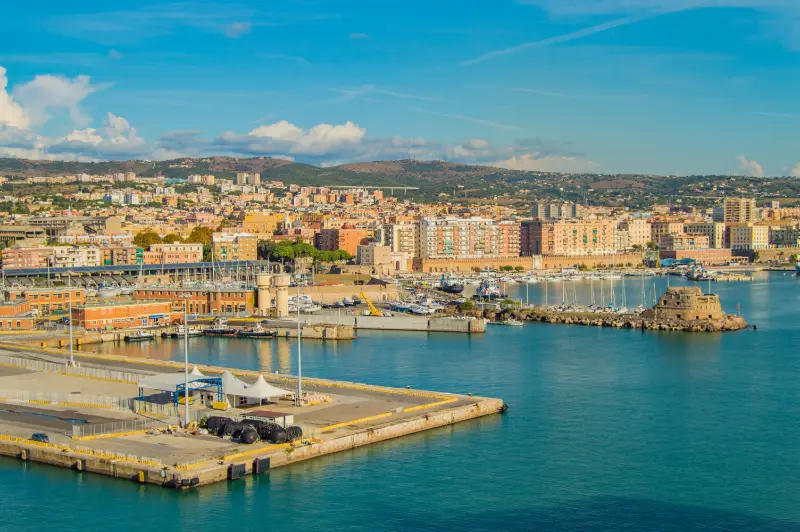
Port Mobility states that cruise shuttles connect the cruise docks with the Largo della Pace service center, operating according to ship arrivals. The port also provides ordinary shuttle routes within the wider port area.
According to the official 2026 information, a direct cruise-passenger service between the railway station and cruise ships is operated by CSP on ship days. The published fare is €6 each way and the trip is described as approximately 15 minutes, with departures roughly every 20–25 minutes depending on traffic and operations.
Getting to Civitavecchia railway station
Do not assume you can simply step off the ship and walk straight to a train. The exact dock matters, and port security controls pedestrian movement. Use the official shuttle arrangements for your ship and follow port instructions.
The direct cruise/train-station service can reduce uncertainty, but verify the current operating hours for your sailing day on Port Mobility.
Train from Civitavecchia to Rome
Regional trains connect Civitavecchia with Rome, with different stopping patterns and journey times. Depending on the service, useful Rome stations may include Roma San Pietro, Ostiense or Termini.
Check the exact train on the official rail operator before travel. Do not board based only on a generic blog timetable because service patterns and engineering work can change.
Which Rome station should cruise passengers use?
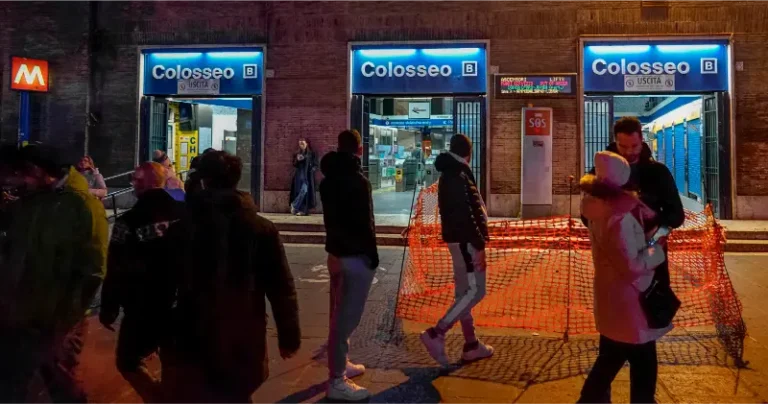
Roma San Pietro can be useful if your first priority is the Vatican area. Termini is better for central transport connections and routes beginning near the Colosseum via metro. Ostiense can be practical for certain connections but is less intuitive for a first shore day.
Choose the station according to your first major sight rather than automatically staying on the train until Termini.
A realistic Vatican-focused shore day
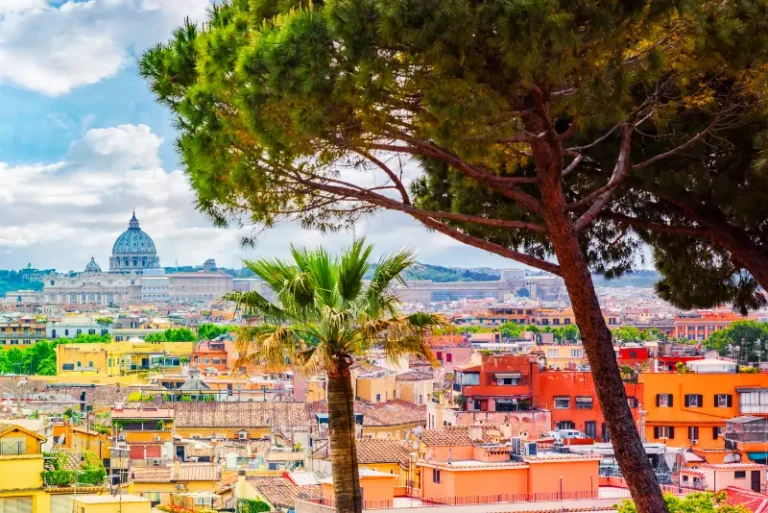
If St. Peter’s and the Vatican are your priorities, traveling toward the San Pietro area can reduce backtracking. Be cautious about booking the Vatican Museums too close to your expected arrival because port disembarkation and transport can vary.
A safer plan may combine St. Peter’s area with Castel Sant’Angelo, Piazza Navona, Pantheon and Trevi, then return toward a useful station with a generous buffer.
A realistic ancient-Rome shore day
For the Colosseum, a route through Termini and the metro can be practical. Only book a timed Colosseum entry if the slot leaves substantial room for disembarkation delays.
After the Colosseum, walk through Piazza Venezia toward the Pantheon and Trevi rather than attempting to add the Vatican Museums as a second major timed attraction.
Why trying to see everything is dangerous
A cruise day is not the same as a 12-hour hotel sightseeing day. You must include ship disembarkation, port shuttle time, railway waiting, the trip to Rome, city transport and the full return sequence.
The Vatican Museums plus Colosseum plus Trevi plus a long lunch may look possible on paper but leaves little resilience. One delayed train or security queue can become a serious problem.
Return strategy
Work backward from the ship’s all-aboard time, not the advertised departure time. Decide in advance which train you intend to take and identify at least one earlier fallback.
Return to Civitavecchia with enough time to use the required port shuttle and pass any controls. The ship will not reorganize its departure around an independent passenger who underestimated city traffic.
When a cruise transfer or organized excursion makes sense
An organized excursion can be worth the extra cost for travelers who dislike transport uncertainty, have limited mobility or want a guide to coordinate a compressed day.
Independent travel offers more freedom and can cost less, but the responsibility for timing is entirely yours. Choose based on risk tolerance, not only price.
Practical planning tips
Before the cruise, save the official Port Mobility shuttle page offline and check the rail operator’s current timetable. On the day, follow the ship and port instructions because dock assignments affect the first transfer. Protect a large return buffer and never plan around the last plausible train.
Rome rewards realistic pacing. Distances that look short on a map can take longer because of cobblestones, traffic lights, security checks, photographs and spontaneous stops. Keep some margin around reservations and do not build the day so tightly that one delayed bus or a longer lunch ruins everything that follows.
Who this guide is best for
Independent Civitavecchia-to-Rome travel suits confident travelers who can manage trains, walking and strict timekeeping. Organized transport may be better for families with very young children, travelers with mobility needs or anyone who would spend the day worrying about the return.
Frequently asked questions
Is Civitavecchia the same as Rome?
No. Civitavecchia is the cruise port city, and reaching central Rome requires an additional road or rail journey.
Is there a shuttle from the cruise ship to Civitavecchia station?
Port Mobility currently describes a direct cruise-passenger service between the station and cruise ships on ship operating days, with a published €6 one-way fare in 2026.
Can I visit both the Vatican and Colosseum on a cruise day?
It can be physically possible with favorable timing, but it creates a compressed day with little margin. Most passengers will have a better experience prioritizing one major timed area and adding flexible central sights.
Final advice
A successful Rome shore day begins by respecting Civitavecchia. Understand the port shuttle, choose the right Rome station, limit timed attractions and protect the return. Seeing slightly less is far better than spending the final hours of the day calculating whether you will miss the ship.
Build the day around one clear priority
Choose one experience that would make the day feel successful even if the schedule changes. Once that priority is protected, the rest of the route can stay flexible. This is especially useful in Rome, where a church may close for a service, a bus may be delayed or a neighborhood may simply deserve more time than expected. The best travel plans are structured enough to prevent wasted time but loose enough to let the city surprise you.
Use neighborhoods, not isolated pins
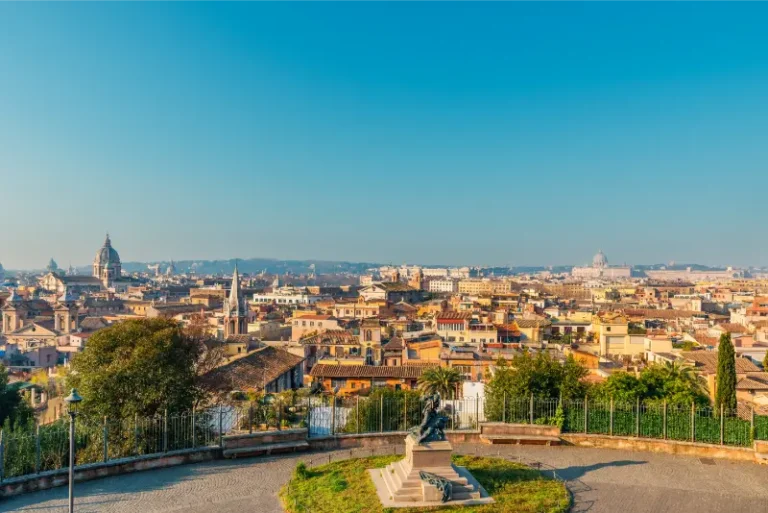
Whenever possible, group stops by area. Crossing Rome repeatedly is one of the easiest ways to lose energy. A morning in the historic center, an afternoon around Villa Borghese or a focused walk through Trastevere usually works better than chasing individually famous places scattered across the city. This also creates more natural opportunities for coffee, lunch and small discoveries between the main sights.
Check only the details that can actually change
Before leaving, verify the few operational details that matter for that specific day: opening hours, timed-entry rules, transport disruptions and temporary closures. Keep the broader advice stable. This approach prevents overplanning and also protects you from relying on an old screenshot or a timetable that has changed since you first organized the trip.
Plan for comfort as well as sightseeing
A refillable water bottle, supportive shoes and a short seated break can improve a Rome day more than adding one extra attraction. In warm weather, move exposed walks toward early morning and evening. In cooler months, use the strongest daylight for parks and viewpoints. Families, older travelers and anyone with mobility concerns should judge routes by surfaces and elevation, not just distance.
Protect your best hours
The first hours of the morning and the period around sunset are unusually valuable in Rome. Early starts reduce crowd pressure at outdoor landmarks, while late afternoon gives better light and a more relaxed atmosphere for piazzas, bridges and viewpoints. Use the middle of the day for lunch, churches, museums or transport when weather and crowds make long outdoor walks less pleasant. This simple rhythm often improves both photographs and energy.
Make reservations serve the itinerary
Timed tickets should anchor the day, not dominate it. Book only the attractions that genuinely benefit from advance reservations, then place flexible sights nearby. If a reservation requires crossing the city at the wrong moment, reconsider the slot rather than forcing the entire day around it. Keep confirmation emails available offline and verify the official entry point, because large attractions can have multiple gates and security lines.
Leave space for Rome itself
Some of the most memorable moments in Rome happen between planned stops: a church with an open door, a market stall, a quiet courtyard, a neighborhood bakery or a sudden view of a dome at the end of a street. A schedule with no breathing room removes the possibility of those discoveries. Protect the essential sights, but leave enough unscheduled time to stop when something genuinely catches your attention.
A simple way to keep the trip flexible
At the beginning of each day, separate the plan into three levels: one essential priority, two or three desirable stops and everything else as optional. This prevents a delay from turning into frustration. If the essential attraction takes longer than expected, drop an optional stop and stay in the same neighborhood. If the day moves faster, add a nearby church, piazza, market or viewpoint rather than crossing Rome for a minor item. Keep transport time, meals and rest inside the schedule instead of pretending they do not exist. Travelers often enjoy Rome more when they finish a day with energy left for an evening walk than when they reach dinner having completed every pin on a map. The city is dense enough that a flexible plan still produces a full day, and the spaces between famous monuments are often where its character becomes most visible. This approach is also useful when weather, religious services, restoration work or public events change access unexpectedly: the day bends without collapsing.