Rome Food Tours: How to Choose the Best Experience
A food tour is one of the easiest ways to turn lunch or dinner into cultural sightseeing, especially when it explains ingredients, markets and neighborhood habits rather than simply delivering a sequence of snacks. This guide explains how to choose the right format rather than pretending there is one “best” tour for every traveler.
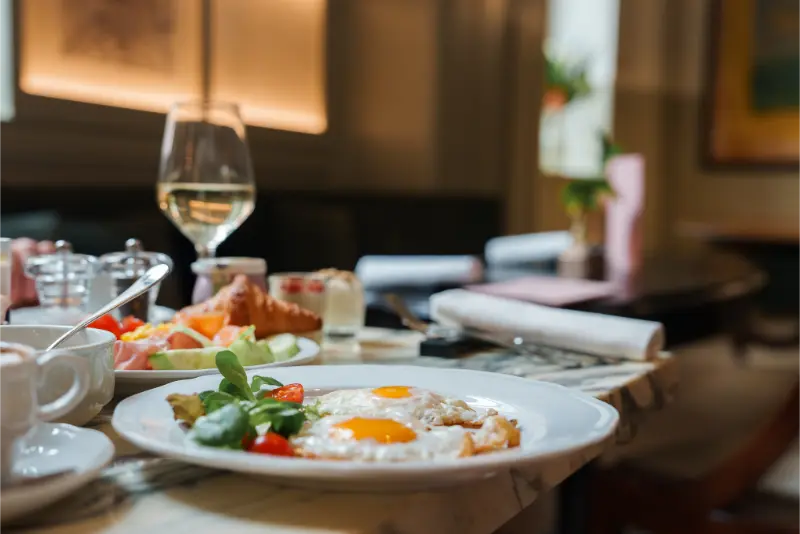
Routes commonly concentrate in Trastevere, Testaccio, Campo de’ Fiori, the Jewish Ghetto or the historic center, with tastings that may include pizza, supplì, cured meats, cheese, pasta, pastries, gelato, wine or coffee depending on the product. Because commercial products change constantly, focus on route, inclusions, group size and cancellation conditions. Use the advice below as a framework, then verify the exact supplier terms for your travel date.
Quick facts
| Best for | It is best for first-time visitors who want a practical introduction to Roman food, travelers who are nervous about ordering, and anyone who enjoys learning through conversation rather than museums |
| Typical duration | Most food tours last around 3–4 hours |
| Main decision | Prioritize tours that state the neighborhood, approximate number of tastings, whether drinks are included and how dietary restrictions are handled |
| Best timing | Late morning tours work well for market activity; evening routes are atmospheric and can replace dinner |
| Price approach | Compare inclusions, group size and access rather than headline price alone |
What this experience is really like
A food tour is one of the easiest ways to turn lunch or dinner into cultural sightseeing, especially when it explains ingredients, markets and neighborhood habits rather than simply delivering a sequence of snacks. A good rome food tours should do more than move you from one photo stop to another. The value comes from context, timing and a route that would be difficult to reproduce efficiently on your own. In Rome, that often means understanding why one layer of the city sits above another, when a viewpoint is best, or how a neighborhood changed between antiquity and the modern capital.
Routes commonly concentrate in Trastevere, Testaccio, Campo de’ Fiori, the Jewish Ghetto or the historic center, with tastings that may include pizza, supplì, cured meats, cheese, pasta, pastries, gelato, wine or coffee depending on the product. Read the itinerary carefully before paying: “Rome highlights” can mean anything from a two-hour walk in the historic center to a nearly full-day route with transport. The more precise the route description, the easier it is to judge whether the experience fits your trip rather than simply sounding impressive in a product title.
Who should choose it
It is best for first-time visitors who want a practical introduction to Roman food, travelers who are nervous about ordering, and anyone who enjoys learning through conversation rather than museums. Guided experiences are especially valuable when your time is limited and the subject benefits from explanation. They can also reduce decision fatigue: someone else has already worked out the order, meeting point and pacing. This matters in Rome, where a short distance on the map can still involve security queues, crowded pavements or a steep climb.
They are less useful when you strongly prefer spontaneous wandering, dislike group pacing, or already know the subject well. Before booking, ask what problem the tour solves for you: access, interpretation, transport, confidence, food discovery, photography or simply a well-designed route. If the answer is vague, the experience may not be necessary.
What to expect on the route
Routes commonly concentrate in Trastevere, Testaccio, Campo de’ Fiori, the Jewish Ghetto or the historic center, with tastings that may include pizza, supplì, cured meats, cheese, pasta, pastries, gelato, wine or coffee depending on the product. Some operators may reverse the order because of timed admissions, traffic, weather or crowd conditions. Treat the published sequence as a framework rather than a guarantee, especially when several monuments are involved.
Pay attention to what “included” means. A route may pass a landmark without entering it, enter a site without including a special-access zone, or include transport only between selected stops. These distinctions are more important than the total number of attractions listed in a headline.
How to choose the right option
Prioritize tours that state the neighborhood, approximate number of tastings, whether drinks are included and how dietary restrictions are handled. “Enough food for a meal” should be clarified, not assumed. Compare group size, language, duration, exact inclusions, cancellation terms and whether admission tickets are bundled or purchased separately. Small-group is not automatically better if the route is simple, but it becomes more valuable in noisy streets, crowded archaeological areas or experiences built around conversation.
Check whether the guide is live, whether headphones are provided for larger groups, and whether the product is actually a guided tour rather than hosted entry. Hosted entry can solve a ticketing problem, while a licensed guide should add interpretation. They are different services and should be priced and evaluated differently.
How much time to allow
Most food tours last around 3–4 hours. Treat that as a meal plus walking, not as a pre-dinner appetizer unless the product clearly says otherwise. Add at least 20–30 minutes around the advertised duration for meeting, check-in, security or walking back to your next destination. A “three-hour tour” should not be squeezed into a three-hour hole between two timed tickets.
Avoid stacking major tours back to back. Rome is tiring in ways that are easy to underestimate: stone pavements, summer heat, standing, stairs and visual overload all accumulate. One substantial guided experience per half day is usually enough, and one per day may be the better choice for families or first-time visitors.
Best time of day
Late morning tours work well for market activity; evening routes are atmospheric and can replace dinner. In summer, an evening departure is usually more comfortable than a midday walk. Early starts can mean cooler temperatures and calmer streets, while late-afternoon or evening tours can make the city feel more atmospheric. The “best” time depends on whether the experience is built around interior access, food, light, traffic or nightlife rather than a universal rule.
In July and August, prioritize shade, water and realistic walking pace. In winter, daylight disappears early but evening streets can still be lively. Spring and autumn are comfortable but popular, so prime small-group departures may sell earlier than you expect.
Booking and price strategy
Because commercial prices change by supplier, use inclusions and group size as the basis of comparison rather than a fixed citywide price. Commercial tour pricing varies significantly; compare tasting quantity, drinks, group size and whether the experience replaces a full meal. Tour prices vary widely because group size, admissions, private transport and special access change the cost structure. Compare like with like rather than sorting only by the headline price.
For a high-demand date, book the non-negotiable experience first and leave flexible activities until later. Keep the confirmation email or voucher offline and screenshot the meeting instructions. If the supplier changes the meeting point, follow the latest message rather than an old screenshot from the product page.
Meeting points and logistics
Meeting points are usually in the neighborhood itself. Arrive hungry but not dehydrated, and avoid booking immediately after a large hotel breakfast. Arrive 15–20 minutes early unless the supplier says otherwise. Rome has repeated street names, multiple entrances to large monuments and meeting points that may be on the opposite side of a piazza from where your map places the attraction.
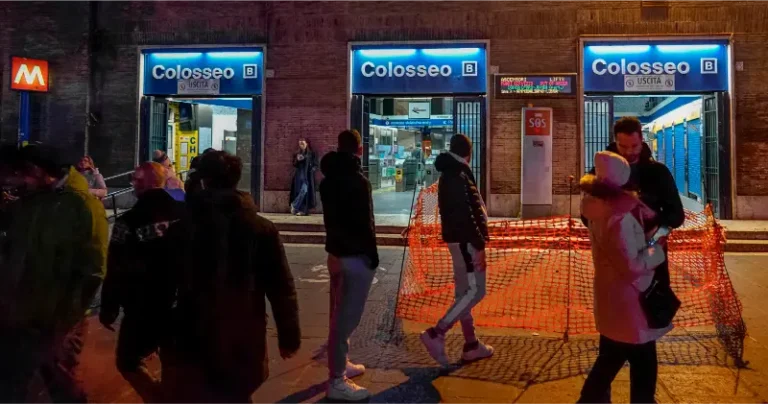
Search the meeting point the night before and note the nearest landmark, Metro station or taxi drop-off. If you are crossing the city, allow for transit delays. A tour is one of the few parts of a Rome day where being five minutes late can cost the entire experience.
What to wear and bring
Bring water, comfortable shoes and a list of allergies in clear written form. If alcohol is included, ask whether non-alcoholic alternatives are available. Comfortable shoes matter more than style on any route that crosses cobbles or archaeological surfaces. Carry water, sun protection in warm months and a light layer for churches or cool interiors. Keep bags compact if security screening is involved.

Bring identification when the ticket or attraction requires a named visitor, and carry whatever document supports a reduced fare. Do not assume a photo of an ID is always accepted. For church-based routes, shoulders and knees should be covered; see our Rome dress code guide for practical clothing options.
Common booking mistakes
The biggest mistake is booking an experience that promises “authentic Rome” but spends most of its time around the most tourist-heavy restaurant strips without explaining why the chosen foods matter. Another common mistake is booking the same sight twice through overlapping products. If your Colosseum tour already includes the Forum, do not automatically buy a second Forum ticket. If your Vatican tour ends inside the Museums, check what it does and does not include before adding another admission.
Do not judge quality only by the number of “stops.” Ten superficial stops can be less satisfying than four well-explained ones. Read recent reviews for pacing, guide communication and whether the itinerary matched the description, but remember that one person’s “too slow” can be another person’s ideal depth.
What to combine nearby
Testaccio pairs naturally with the market and Aventine; Trastevere pairs with Santa Maria in Trastevere, Gianicolo or the Tiber. Keep the rest of the day geographically compact. After a structured experience, a flexible meal or neighborhood walk is usually better than another long transfer across Rome.
Use our what to eat in Rome to build the rest of the day around nearby sights. Internal planning is especially useful when a tour finishes somewhere different from where it starts, which is common for one-way walking, food and cycling routes.
Guided versus independent: how to decide
You can eat extremely well independently in Rome. A food tour is worth paying for when it adds curation, access, cultural explanation and confidence rather than simply reserving tables for you. Independent travel is cheaper and more flexible; guided travel can be faster to understand and easier to organize. The right balance is often mixed: guide the complicated or high-interest subject, then explore simple outdoor areas on your own.
For a first trip, consider paying for interpretation where Rome’s layers are hardest to read—archaeology, art history, food culture or specialist access—rather than paying someone merely to accompany you between obvious monuments. That principle usually produces better value.
Families, accessibility and comfort
Families should check walking distance, alcohol focus and whether children receive full tasting portions. Dietary restrictions need written confirmation before booking, especially for celiac disease or severe allergies. Ask about stairs, standing time, toilets, seating and whether the route can be shortened. “Family-friendly” should mean more than allowing children to book. For mobility needs, request the exact step-free route because historic surfaces and temporary works can change accessibility.
If anyone in your group becomes tired easily, private or very small-group formats can justify their higher price by allowing more control over pace. For broader planning, our accessible Rome guide and Rome with kids guide cover transport, rest and realistic daily structure.
Frequently asked questions
Do I need to book in advance?
For peak season, weekends and small-group departures, advance booking is sensible. Flexible low-complexity experiences can often be left closer to the date.
Are tickets included?
It depends on the product. Never assume attraction admission is included unless the inclusion list explicitly says so.
Are these tours suitable for children?
Some are, but suitability depends on duration, walking or riding conditions and the guide format. Check minimum ages and child policies.
What should I check before paying?
Exact route, group size, language, inclusions, meeting point, cancellation terms and any mobility or dietary restrictions that matter to you.
How to decide whether rome food tours is worth it
Choose it when the experience solves a real planning problem or adds expertise you care about. Skip it when you are paying mainly for someone to escort you through a route you would enjoy more independently. In Rome, the best paid experiences usually add interpretation, controlled access, specialist skills or meaningful convenience.